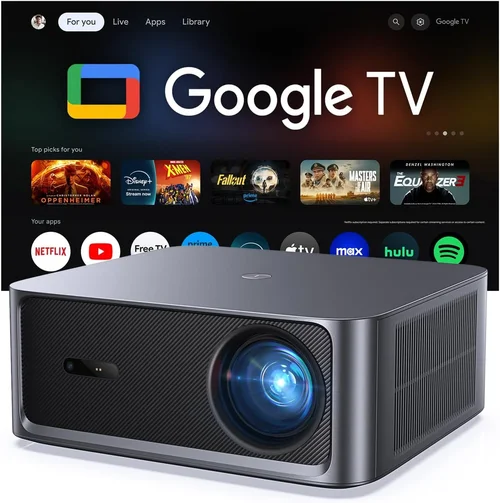
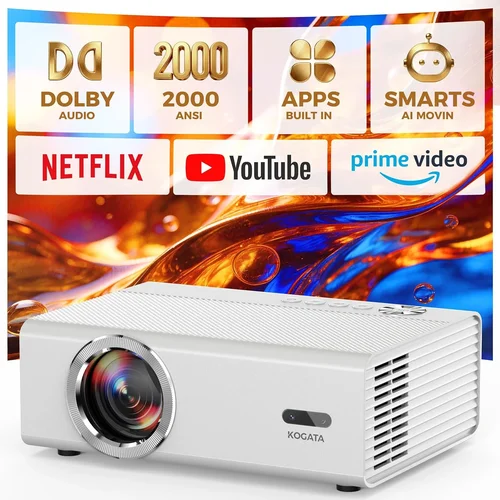
Welcome to the most thorough guide you’ll find on buying a 4K projector for under $5,000. Whether you’re setting up a home theater, a gaming den, or a professional presentation space, the choices in this price bracket have exploded in the last few years. This guide cuts through the noise, explains the technical jargon, and gives you a clear roadmap so you can pick the perfect machine without wasting hours of research.
By the end of this article you’ll understand the key specifications that truly matter, see how different projector categories stack up, avoid the most common buying pitfalls, and walk away with a shortlist of top‑rated models that deliver genuine 4K performance without breaking the bank.

What to Look for When Buying Buying Guide
1. Budget & Price Range
Even though we focus on the sub‑$5,000 segment, there’s still a wide spread—from entry‑level 4K‑enhanced units at $2,500 to true native 4K DLP or laser models that hover just under $5,000. Knowing how much you’re willing to spend helps narrow the field and prevents you from chasing features that provide diminishing returns for your wallet.
2. Performance Specifications
Resolution: True 4K (3840×2160) versus 4K‑enhanced (often 1080p chips with pixel‑shifting). True 4K delivers sharper detail, especially on larger screens.
Brightness (lumens): Measured in ANSI lumens. For a dark home theater, 1,500–2,500 lumens is ample. Bright rooms or daytime use demand 2,500–3,500 lumens.
Contrast Ratio: Higher contrast means deeper blacks. Look for ratios of 20,000:1 or better, but remember that on‑screen processing can affect real‑world performance.
Color Gamut: A wide color space (Rec. 2020 or DCI‑P3) ensures vibrant, accurate colors, crucial for movies and HDR content.
3. Build Quality & Durability
Projectors are mechanical devices with moving parts (lamp housings, fans, lens mechanisms). A robust chassis, metal housing, and quality bearings reduce vibration and extend lifespan. Check for sealed optics and dust filters—these keep image quality consistent over years of use.
4. Features & Functionality
Modern projectors pack a lot of convenience features:
- Lens shift & zoom: Allows flexible placement without keystone correction.
- HDR support: HDR10 and Dolby Vision are becoming standard; they boost dynamic range.
- Smart OS: Built‑in streaming apps (Netflix, Disney+, etc.) eliminate the need for an external box.
- Gaming mode: Low input lag (<15 ms) and high refresh rates (120 Hz) for smooth gameplay.
- Connectivity: HDMI 2.1, USB‑C, Wi‑Fi, Bluetooth, and Ethernet options.
5. Brand Reputation
Brands like Epson, BenQ, Optoma, and Sony have proven track records for 4K projectors. They tend to offer better firmware updates, more extensive warranty networks, and a larger pool of online support resources. Newer players can surprise you, but research post‑sale support before committing.
6. Warranty & Support
Look for at least a 2‑year parts‑and‑labor warranty. Some manufacturers include a free lamp replacement (if the model uses a lamp) within the first year. A responsive customer service line and easy access to firmware updates are also vital.
7. Size & Portability (if applicable)
If you plan to move the projector between rooms or take it to a friend’s house, weight and dimensions matter. Most 4K units under $5k weigh between 6‑12 lb and can fit on a standard tabletop.
8. User Reviews & Ratings
Real‑world feedback often reveals quirks that spec sheets hide—like fan noise, heat buildup, or software bugs. Scan reputable sites (Amazon, B&H, ProjectorCentral) and note recurring themes before finalizing your choice.
Different Types of Buying Guide
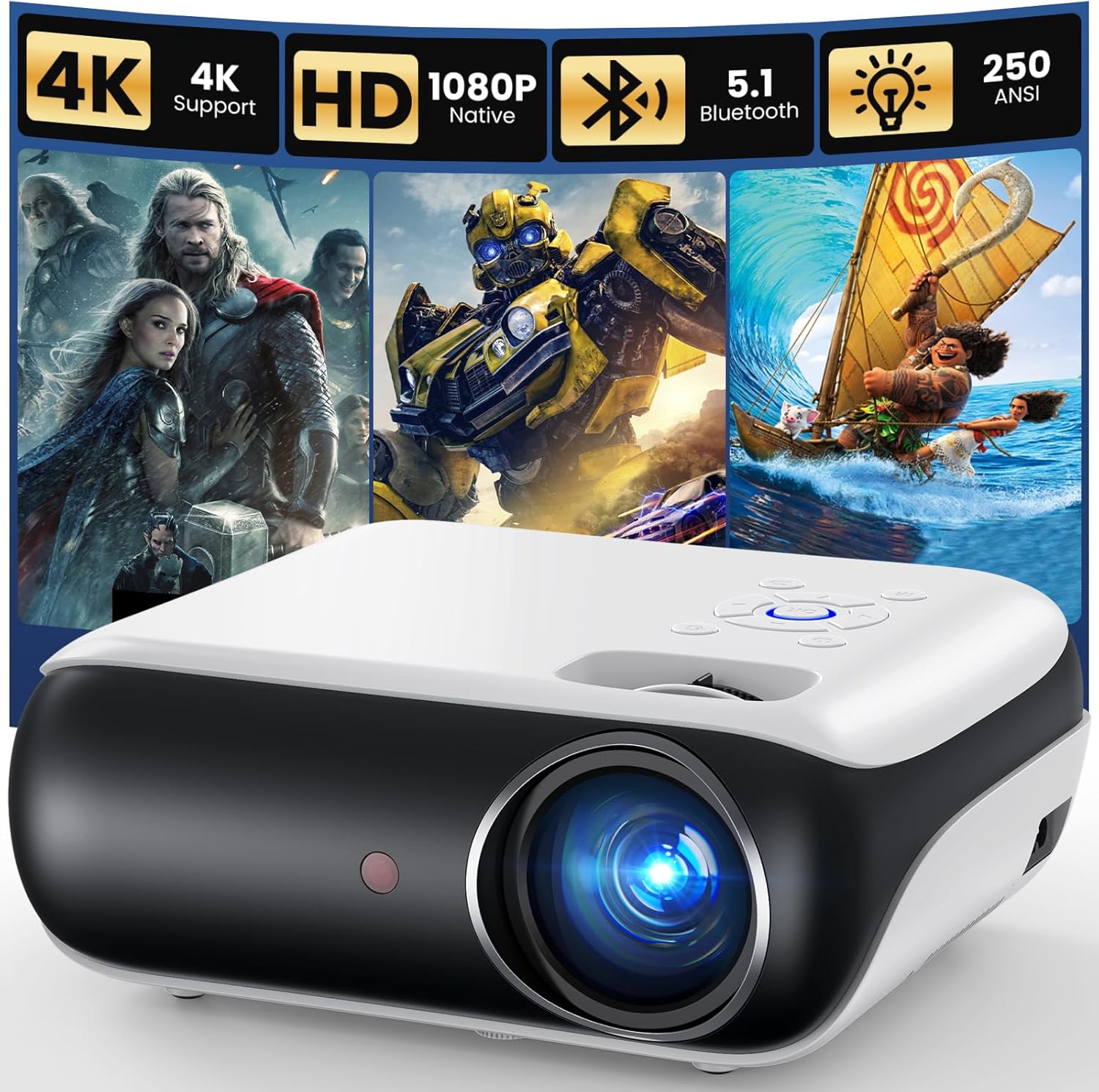
Common Buying Mistakes to Avoid
❌ Mistake: Ignoring Ambient Light Conditions
Why it’s bad: A projector rated at 2,000 lumens looks stunning in a dark room but will appear washed out in a bright living area.
What to do instead: Measure the typical lighting in your space and choose a lumen rating that exceeds it by at least 30 %.
❌ Mistake: Over‑focusing on Resolution Alone
Why it’s bad: A true 4K panel with poor contrast or low brightness can still deliver a disappointing picture.
What to do instead: Balance resolution with contrast ratio, brightness, and color gamut for a well‑rounded experience.
❌ Mistake: Forgetting Lens Shift & Throw Distance
Why it’s bad: Without adequate lens shift, you may need to place the projector at an awkward angle, leading to keystone distortion.
What to do instead: Verify that the model offers enough vertical/horizontal lens shift for your intended mounting location.
❌ Mistake: Disregarding Input Lag for Gaming
Why it’s bad: High input lag (over 30 ms) makes fast‑paced games feel sluggish.
What to do instead: Look for a “Game Mode” or a measured input lag under 15 ms.
❌ Mistake: Assuming All 4K Projectors Use the Same Lamp Type
Why it’s bad: Lamp‑based units require periodic replacements, while laser/LED models have much longer lifespans but may cost more upfront.
What to do instead: Factor total cost of ownership—lamp price, expected lifespan, and maintenance—into your budget.
Budget Guidelines: How Much Should You Spend?
- Entry‑Level ($2,500 – $3,200): Expect 4K‑enhanced panels, 2,000–2,500 lumens, decent contrast, and basic HDR support. Ideal for gamers and small home theaters.
- Mid‑Range ($3,200 – $4,200): True 4K DLP or laser units, 2,500–3,500 lumens, higher contrast (20,000:1+), and full HDR10/Dolby Vision. Good for dedicated home cinema rooms.
- Premium ($4,200 – $4,900): Top‑tier laser DLP, up to 4,000 lumens, premium color gamuts (DCI‑P3 95 %), low fan noise, and advanced lens shift. Perfect for enthusiasts who want cinema‑grade performance.
- Luxury ($5,000+): While beyond this guide’s scope, models here often include native 8K upscaling, dual‑laser engines, and built‑in professional calibration tools.
Expert Tips for Getting the Best Deal
- Timing is everything: Major sales events—Black Friday, Cyber Monday, and Amazon Prime Day—often feature steep discounts on projectors.
- Shop from authorized dealers: You’ll retain warranty validity and gain access to official support.
- Bundle wisely: Some retailers offer free installation kits, premium screens, or HDMI‑2.1 cables when you buy the projector.
- Check refurbished options: Certified refurbished units from the manufacturer can be 15‑20 % cheaper and come with full warranties.
- Read the fine print on return policies: A 30‑day return window with free shipping protects you if the projector doesn’t meet expectations.
- Test before you commit: If possible, visit a local AV store and view a 4K demo on a calibrated screen.
- Consider total cost of ownership: Include lamp or laser replacement cycles, filter replacements, and potential mounting hardware.

Frequently Asked Questions
Q: Do I need a special screen for a 4K projector?
A: While a plain white wall can work, a high‑gain 4K‑compatible screen (often labeled “4K‑Ready” or “Ultra‑White”) preserves detail and improves brightness uniformity. For the best HDR performance, a screen with a gain of 0.8–1.2 is recommended.
Q: How far should I place my projector from the screen?
A: This depends on the throw ratio. A typical 1.2‑1.5 throw ratio means a 100‑inch screen requires 10‑12 ft of distance. Check the manufacturer’s throw chart and factor in lens shift for flexibility.
Q: Will a 4K projector work with my current AV receiver?
A: Most modern receivers support HDMI 2.0/2.1 and pass‑through HDR. Ensure your receiver can handle 4K @ 60 Hz (or 120 Hz for gaming). If not, a direct HDMI connection from source to projector may be necessary.
Q: Is laser really worth the extra cost over lamp?
A: Laser light sources provide consistent brightness over their lifespan (often 20,000 hours), lower maintenance, and better color stability. If you plan to use the projector frequently, the long‑term savings and convenience usually justify the higher upfront price.
Q: Can I use my 4K projector outdoors?
A: Yes, but you’ll need a high‑lumens model (3,500+), a sturdy ambient‑light‑rejecting screen, and a weather‑proof enclosure. Outdoor use also demands careful ventilation to prevent overheating.
Q: What is the difference between HDR10 and Dolby Vision?
A: HDR10 is an open standard with static metadata, while Dolby Vision uses dynamic metadata that can adjust brightness and color scene‑by‑scene. Dolby Vision often delivers a more nuanced picture, but you need a compatible source and projector.
Q: Do I need to calibrate my projector?
A: Factory calibration is decent for most users, but a quick professional calibration (or using calibration software with a colorimeter) can unlock the full potential of the projector’s color gamut and contrast.
Our Final Recommendations
- Best for Budget‑Conscious Buyers: BenQ TK800M – 4K‑enhanced, 3,000 lumens, low input lag, and a price around $2,800.
- Best Overall Value: Epson Home Cinema 5050UB – True 4K processing, 2,600 lumens, excellent contrast, and a solid warranty at $4,099.
- Best Premium Option: Optoma CinemaX P2 – Laser‑based true 4K, 3,000 lumens, ultra‑short throw, and built‑in Harman Kardon sound for $4,699.
- Best for Beginners: ViewSonic PX701-4K – Simple setup, decent brightness, and an intuitive UI at $2,950.
- Best for Advanced Users: Sony VPL‑VW715ES – High‑end laser DLP, 4,200 lumens, 120 Hz gaming mode, and extensive calibration options at $4,950.
Conclusion: Making the Right Choice
Choosing a 4K projector under $5,000 is no longer a gamble. By aligning your budget with the key factors—brightness, contrast, color gamut, and real‑world features—you can confidently select a model that delivers cinema‑grade visuals in your home or office. Remember to assess ambient lighting, verify lens shift capabilities, and factor in long‑term costs such as lamp or laser maintenance.
Take the time to compare the shortlisted models, read recent user reviews, and, if possible, view a demo. With the insights from this guide, you’re equipped to make an informed purchase that will bring stunning 4K imagery to your space for years to come.
Ready to start your search? Use the recommendations above as a springboard, keep an eye on seasonal sales, and enjoy the immersive world of true 4K projection.