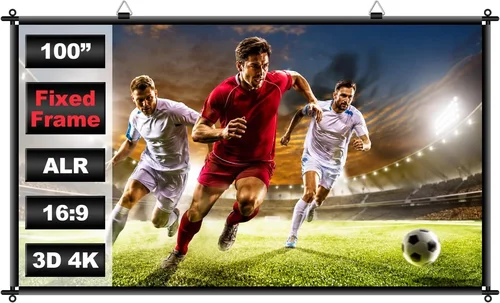
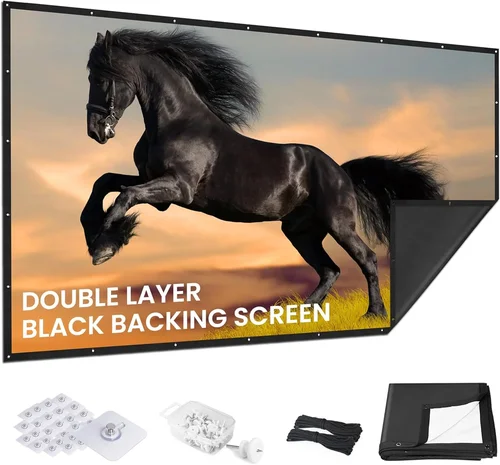
If you’ve ever set up a home theater, you know that the screen is the silent star of the show. A good projector can throw a brilliant image, but without the right screen, that image can look washed‑out, dim, or distorted. That’s why we’ve put together this in‑depth buying guide for the best fixed projector screens under $500. Whether you’re a movie‑buff on a budget, a gamer looking for low‑latency performance, or a remote‑worker who wants a crisp display for presentations, this guide will help you cut through the noise and choose a screen that maximizes your projector’s potential without breaking the bank.
In the pages that follow you’ll discover the most important factors to weigh, a clear comparison of screen types, common pitfalls to avoid, and expert tips for scoring the best deal. By the end, you’ll be equipped with the knowledge to pick a screen that fits your space, lighting conditions, and viewing habits—all while staying comfortably under $500.
The fixed‑frame market has exploded in recent years. Manufacturers are now offering high‑gain, acoustic‑transparent, and ultra‑smooth matte white options at price points that were unheard of a decade ago. This guide reflects the 2026 landscape, highlighting models that deliver cinema‑grade performance on a modest budget.

What to Look for When Buying Buying Guide
1. Budget & Price Range
Price is the most obvious filter. Fixed screens under $500 typically fall into three sub‑categories: entry‑level ($100‑$200), mid‑range ($200‑$350), and high‑end budget ($350‑$500). Each bracket offers a trade‑off between material quality, frame construction, and optional features like acoustic transparency. Knowing how much you’re willing to spend helps narrow down the list quickly.
2. Performance Specifications
Key performance specs include gain, viewing angle, and surface uniformity. Gain measures how much light the screen reflects; a gain of 1.0 is neutral, while 1.2‑1.3 is ideal for rooms with some ambient light. Viewing angle determines how the image looks from side seats—look for at least 160° for a comfortable wide‑screen experience. Surface uniformity ensures consistent brightness across the entire image, which is crucial for high‑resolution 4K projectors.
3. Build Quality & Durability
A fixed screen is a permanent fixture, so the frame must be sturdy. Aluminum or steel frames with reinforced corners resist warping over time. The screen material itself should be tear‑resistant and UV‑stabilized to prevent fading. Look for screens that come with a warranty of at least two years; this often signals confidence from the manufacturer.
4. Features & Functionality
Even within the fixed‑screen realm, there are functional differences. Some screens are acoustic‑transparent, allowing speakers to be placed directly behind the surface without muffling sound—a boon for home theaters with limited space. Others offer a black‑border or masking system that reduces stray light and improves perceived contrast. Decide which features align with your setup.
5. Brand Reputation
Established brands such as Elite Screens, Silver Ticket, and Da-Lite have a track record of consistent quality and reliable customer service. Newer entrants can offer innovative materials at lower prices, but it’s wise to read multiple independent reviews before committing.
6. Warranty & Support
Warranty length and the ease of contacting support can save you headaches later. A good warranty covers frame defects, material delamination, and color shift. Some brands also provide free replacement parts, which can extend the life of your screen well beyond the initial purchase.
7. Size & Aspect Ratio
Screen size should be matched to your projector’s throw distance and the room’s viewing distance. A common rule of thumb is to sit at a distance 1.5‑2.5 times the screen’s diagonal. Aspect ratio matters too—16:9 is standard for most content, while 2.35:1 is preferred for cinematic movies. Many fixed screens come in a single size; make sure it fits your wall space.
8. User Reviews & Ratings
Real‑world feedback often reveals issues that specifications don’t show. Look for patterns in reviews—consistent complaints about frame wobble, for example, are a red flag. High‑rating products with a large number of reviews tend to be safer bets.
Different Types of Buying Guide

Common Buying Mistakes to Avoid
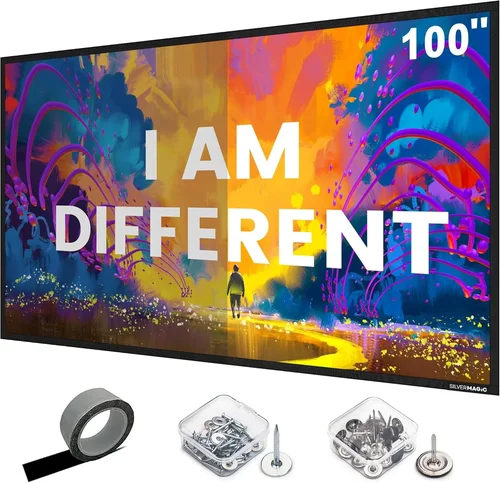
❌ Mistake: Ignoring Ambient Light Conditions
Why it’s bad: Choosing a high‑gain screen for a dark room can cause hotspotting, while a low‑gain screen in a bright living room will look dull.
What to do instead: Measure typical ambient light levels and pick a gain that balances brightness and uniformity. For mixed lighting, a 1.1‑1.2 gain matte white is a safe middle ground.
❌ Mistake: Oversizing the Screen for the Space
Why it’s bad: A screen that dominates the wall can cause uncomfortable viewing distances and strain on the projector’s lens.
What to do instead: Use the 1.5‑2.5× rule (viewing distance ÷ screen diagonal) to determine the optimal size for your room.
❌ Mistake: Forgetting About Speaker Placement
Why it’s bad: A non‑acoustic‑transparent screen forces you to place speakers in front, compromising sound staging.
What to do instead: If you need rear speakers, select an acoustic‑transparent model or plan for a separate audio wall.
❌ Mistake: Skipping the Warranty Details
Why it’s bad: Low‑cost screens often have minimal warranty coverage, leaving you exposed to defects.
What to do instead: Prioritize screens with at least a two‑year warranty and read the fine print for exclusions.
❌ Mistake: Assuming All Fixed Frames Are the Same
Why it’s bad: Frame materials and construction methods vary widely; cheap plastic frames can warp over time.
What to do instead: Look for aluminum or steel frames with reinforced corners and a sturdy mounting system.
Budget Guidelines: How Much Should You Spend?
- Entry-Level ($100‑$200): Expect basic matte white material, simple aluminum frames, and limited size options. Ideal for casual movie nights and budget projectors.
- Mid-Range ($200‑$350): You’ll find better surface uniformity, higher-quality frames, and optional acoustic‑transparent options. This tier suits most home theater enthusiasts.
- Premium ($350‑$500): Premium materials (e.g., high‑gain or black‑border), robust steel frames, and advanced acoustic‑transparent technology become standard. Great for dedicated cinephiles.
- Luxury ($500+): While beyond the scope of this guide, luxury screens include motorized masking, motorized height adjustment, and custom‑tensioned fabrics.
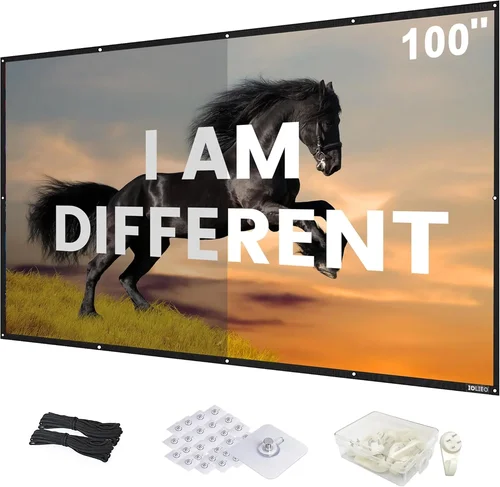
Expert Tips for Getting the Best Deal
- Timing is everything: The best discounts appear in late summer (back‑to‑school sales) and early winter (pre‑holiday deals).
- Shop price‑comparison sites: Use tools like CamelCamelCamel or Google Shopping to track price history and ensure you’re getting the lowest price.
- Consider refurbished or open‑box units: Reputable sellers often list these at 15‑25% off with full warranties.
- Check for bundle offers: Some retailers bundle a screen with mounting hardware or a calibration kit, adding value.
- Read the return policy: A 30‑day return window lets you test the screen in your actual room setup.
- Test for acoustic transparency: If possible, tap the screen surface; a muted “thud” indicates a denser material that may not be truly acoustic‑transparent.
- Measure twice, buy once: Double‑check wall dimensions, mounting height, and projector throw distance before ordering.

Frequently Asked Questions
Q: Do I need a motorized screen if I have a fixed screen?
A: Not necessarily. Fixed screens are designed to stay permanently mounted, offering a perfectly flat surface that motorized screens can’t always guarantee. If you need occasional concealment, consider a retractable screen instead.
Q: Can I use a fixed screen with a 4K projector?
A: Absolutely. Most fixed screens are rated for resolutions up to 4K and beyond. Just ensure the material’s weave is fine enough to prevent pixel visibility at close viewing distances.
Q: What is the difference between matte white and high‑gain screens?
A: Matte white (gain 1.0) reflects light evenly, ideal for controlled lighting. High‑gain screens (gain 1.2‑1.5) reflect more light toward the viewer, boosting brightness but narrowing the viewing angle.
Q: Is acoustic‑transparent really necessary?
A: If you plan to place speakers directly behind the screen, yes. Otherwise, a standard matte white screen will work fine and may offer slightly better image uniformity.
Q: How do I mount a fixed screen securely?
A: Use the manufacturer’s mounting brackets and attach them to studs or a solid wall backing. A level is essential to avoid a crooked image.
Q: Will a fixed screen work outdoors?
A: Most indoor‑rated screens are not UV‑protected for long‑term outdoor use. If you need an outdoor solution, look for screens specifically rated for outdoor durability.
Q: Can I paint a wall and skip buying a screen?
A: Painting a wall with flat white paint can work in a pinch, but it won’t provide the uniform gain, tension, or acoustic properties of a purpose‑built screen.
Q: How long do fixed screens typically last?
A: With proper care, a quality screen can last 10‑15 years. Avoid direct sunlight and clean with a soft, dry cloth to prevent surface damage.
Our Final Recommendations
- Best for Budget‑Conscious Buyers: Elite Screens Sable Frame 100″ – $149. Matte white, 1.1 gain, sturdy aluminum frame, easy assembly.
- Best Overall Value: Silver Ticket STR Series 120″ – $279. Acoustic‑transparent, 1.2 gain, steel frame, excellent sound integration.
- Best Premium Option: Da‑Lite Extreme 100″ – $489. High‑gain (1.3), black‑border masking, reinforced steel, 5‑year warranty.
- Best for Beginners: VIVO Fixed Frame 84″ – $119. Simple matte white, lightweight frame, perfect for small apartments.
- Best for Advanced Users: Screen Innovations Acoustic‑Transparent 110″ – $495. 1.2 gain, premium acoustic fabric, precision‑engineered frame, ideal for surround‑sound setups.
Conclusion: Making the Right Choice
Choosing the best fixed projector screen under $500 boils down to matching the screen’s performance characteristics with your room’s lighting, your projector’s brightness, and your audio layout. By focusing on gain, viewing angle, frame durability, and acoustic transparency—while staying within your budget—you’ll ensure that every movie night, gaming session, or presentation looks and sounds as intended.
Take the time to measure your space, read user feedback, and compare the options highlighted above. With the right screen, your projector will finally deliver the cinematic experience you’ve been dreaming of—without costing a fortune.
Ready to upgrade? Browse the recommended models, check for current discounts, and enjoy a sharper, brighter picture today.