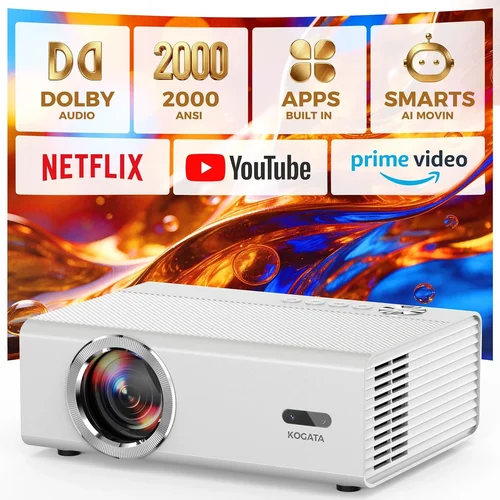
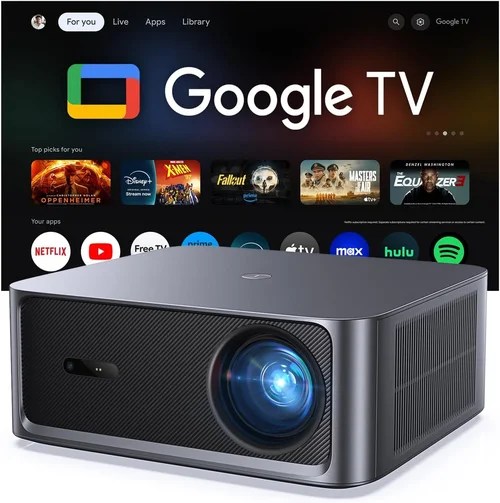
If you’ve ever dreamed of turning your living room into a mini‑cinema, the right home theater projector can make that vision a reality. Yet the market is flooded with options, and when you set a ceiling of 100,000 ₹ (roughly $1,200‑$1,300 USD), the choices become both exciting and overwhelming. This guide cuts through the noise, giving you a step‑by‑step roadmap to pick the best projector under 100,000 ₹ that matches your viewing habits, space, and budget.
By the end of this article you will understand the key specs that truly matter, the different projector technologies available, common pitfalls to sidestep, and exactly which models stand out in 2026. Whether you’re a movie‑buff, a casual gamer, or a sports fan, you’ll walk away with a clear plan to bring the big‑screen experience home without breaking the bank.

What to Look for When Buying Buying Guide
1. Budget & Price Range
Setting a realistic budget is the first step. Under 100,000 ₹ you can expect solid 1080p performance, decent brightness, and a respectable contrast ratio. However, price influences other factors: lens quality, lamp life, and built‑in features like Android TV or wireless connectivity. Decide whether you’re willing to stretch a few thousand rupees for a longer lamp life or a better warranty.
2. Performance Specifications
The heart of any projector is its performance specs. Focus on these three pillars:
- Resolution: 1080p (Full HD) is the sweet spot at this price point. Some newer models push 4K‑enhanced (upscaled) but true 4K remains out of reach under 100k.
- Brightness (lumens): For a dark home theater, 1,800‑2,200 lumens is ample. If you plan to watch with some ambient light, aim for 2,500+ lumens.
- Contrast Ratio: Higher contrast delivers deeper blacks. Look for at least 10,000:1; DLP chips often give better contrast than LCD at similar price levels.
3. Build Quality & Durability
A projector is an investment, so durability matters. Metal chassis, sturdy lens housings, and reliable cooling fans reduce wear and keep the image quality stable over years. Check user reviews for overheating issues—some budget models cut corners on heat dissipation, which can shorten lamp life.
4. Features & Functionality
Modern projectors are more than just picture machines. Key features to consider include:
- Built‑in speakers: Useful for casual viewing, but most audiophiles will connect external soundbars or AV receivers.
- Smart OS: Android TV, Roku, or proprietary platforms add streaming apps without extra hardware.
- Wireless connectivity: Wi‑Fi and Bluetooth simplify casting from phones, tablets, or laptops.
- Lens shift & keystone correction: Essential if you can’t place the projector perfectly centered.
- Port selection: HDMI 2.0+, USB‑C, and VGA give flexibility for gaming consoles, Blu‑ray players, and PCs.
5. Brand Reputation
Established brands like Epson, BenQ, ViewSonic, and Optoma generally offer better firmware support, more reliable after‑sales service, and clearer documentation. Newer entrants can surprise with great value, but research warranty terms and community feedback before committing.
6. Warranty & Support
A solid warranty (minimum 2 years) protects you from early lamp failures or hardware defects. Look for on‑site service options or easy return policies. Some manufacturers bundle extended lamp warranties for a modest fee—often a wise investment.
7. Size & Portability (if applicable)
If you plan to move the projector between rooms or take it outdoors, weight and footprint matter. Most 1080p models under 100k weigh between 2‑4 kg and can be mounted on a ceiling or placed on a sturdy shelf.
8. User Reviews & Ratings
Real‑world user feedback uncovers issues that spec sheets hide—like flickering, fan noise, or firmware glitches. Scan reviews on Amazon India, Flipkart, and dedicated AV forums. Prioritize models with a consistent 4‑star rating or higher and a sizable number of reviews.
Different Types of Buying Guide

Common Buying Mistakes to Avoid
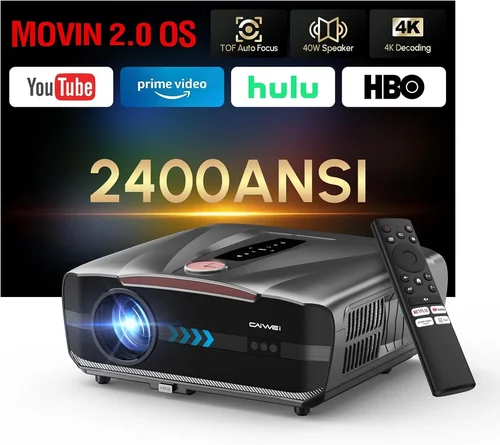
❌ Mistake: Ignoring Ambient Light Conditions
Why it’s bad: A projector rated at 1,800 lumens will look fantastic in a dark room but appear washed out in a bright living area.
What to do instead: Measure the typical lighting in your space. If you can’t fully darken the room, aim for 2,500+ lumens or consider a high‑gain screen.
❌ Mistake: Overvaluing Megapixels
Why it’s bad: Many spec sheets list “4K UHD” but actually use pixel‑shifting technology that only approximates true 4K.
What to do instead: Prioritize native resolution (1080p) and contrast. True 4K remains out of reach under 100k, so focus on a crisp, colorful 1080p image.
❌ Mistake: Forgetting About Lamp Life
Why it’s bad: Replacing a lamp can cost ₹10,000‑₹15,000 and the process is messy.
What to do instead: Check lumens rating and lamp lifespan (hours). Models with ≥ 6,000‑hour lamps or laser light sources reduce long‑term costs.
❌ Mistake: Skipping the Throw Distance Calculation
Why it’s bad: Placing a projector too close or too far results in a distorted image or the need for expensive lens adapters.
What to do instead: Use the manufacturer’s throw‑ratio chart. Measure your room’s width and calculate the ideal distance before buying.
❌ Mistake: Overlooking Connectivity Options
Why it’s bad: A projector with only HDMI 1.4 may not support 4K@60Hz from a modern console.
What to do instead: Ensure the unit has HDMI 2.0 or higher, plus at least one USB‑C or HDMI ARC for future‑proofing.
❌ Mistake: Buying Without Testing
Why it’s bad: Image quality can vary batch‑to‑batch, and fan noise levels differ.
What to do instead: Visit a local retailer, request a demo, and bring a smartphone to test casting latency.
Budget Guidelines: How Much Should You Spend?
- Entry‑Level (₹60,000 ‑ ₹75,000): Expect 1080p, 1,800‑2,000 lumens, basic LCD panel, and limited smart features. Ideal for small rooms or occasional movie nights.
- Mid‑Range (₹75,000 ‑ ₹90,000): Adds DLP chips, higher contrast (10,000:1+), better color accuracy, and built‑in Android TV. Great for dedicated home theaters.
- Premium (₹90,000 ‑ ₹100,000): Laser or LED light sources, 2,500+ lumens, advanced lens shift, and premium audio. Suits bright rooms and power users.
- Luxury (₹100,000+): True 4K DLP, HDR10+, ultra‑short‑throw designs. Usually beyond the scope of this guide but worth mentioning for aspirational buyers.
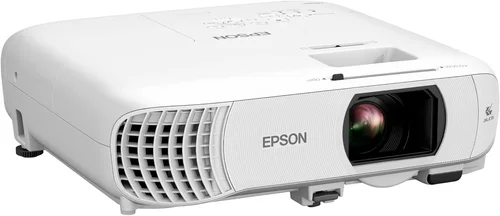
Expert Tips for Getting the Best Deal
- Timing is everything: Major sales happen in January (post‑holiday), June (mid‑year), and October (festive). Prices can drop 10‑25%.
- Shop from authorized dealers: Guarantees genuine warranty and access to firmware updates.
- Bundle wisely: Some retailers include a free screen or ceiling mount. Compare total bundle value versus buying accessories separately.
- Check for extended lamp warranties: An extra ₹2,500‑₹3,500 can save you from unexpected replacement costs.
- Read the return policy: A 30‑day return window with free shipping is ideal for testing the projector in your own space.
- Test for fan noise: Projectors often run 30‑45 dB in normal mode; quieter models stay under 30 dB, crucial for immersive movies.
- Consider future upgrades: HDMI 2.1 isn’t common yet under 100k, but a projector with a firmware‑updatable port can extend its lifespan.

Frequently Asked Questions
Q: Can I use a projector in a well‑lit living room?
A: Yes, but you’ll need a model with at least 2,500 lumens and a high‑gain screen. Alternatively, install blackout curtains or use an ambient‑light rejecting (ALR) screen to improve contrast.
Q: How far should the projector be from the screen?
A: It depends on the throw ratio. For a 100‑inch image, a typical 1.5‑2.0 throw ratio requires 3‑4 meters of distance. Always refer to the spec sheet’s “throw distance” table.
Q: Do I need a special screen?
A: A white matte screen works fine for dark rooms. In brighter spaces, an ALR screen boosts contrast. Fixed‑frame screens offer the best flatness, but portable pull‑down screens are budget‑friendly.
Q: Is a laser projector worth the extra cost?
A: Laser light sources last 20‑30 k hours and stay bright longer, making them ideal for frequent use. If you plan to watch movies weekly, the higher upfront cost pays off.
Q: Will the built‑in speakers suffice?
A: Built‑in speakers are convenient for casual viewing but lack depth. Pair the projector with a soundbar or AV receiver for true cinematic sound.
Q: How often do I need to replace the lamp?
A: Most lamps last 4,000‑6,000 hours. At 3‑4 hours per day, that’s roughly 3‑4 years. Keep an eye on brightness loss; many projectors warn you when it drops 20%.
Q: Can I connect my phone wirelessly?
A: Most modern units support Miracast, AirPlay, or Chromecast built‑in. Ensure your phone and projector are on the same Wi‑Fi band for smooth casting.
Q: Is HDMI 2.0 necessary?
A: HDMI 2.0 enables 1080p at 60 Hz with full color depth and is essential for gaming consoles. For most movie watching, HDMI 1.4 is sufficient, but HDMI 2.0 future‑proofs your setup.
Q: What maintenance does a projector need?
A: Regularly dust the air filters, keep vents clear, and store the unit in a cool, dry place. For lamp models, replace the lamp when brightness drops noticeably.
Our Final Recommendations
- Best for Budget‑Conscious Buyers: BenQ TH585 – 3,500 lumens, 1080p, low input lag, and a price around ₹68,000. Ideal for gamers who need brightness without breaking the bank.
- Best Overall Value: Epson Home Cinema 2150 – 2,500 lumens, 1080p, lens shift, and Android TV integration at ~₹85,000. Offers a balanced mix of picture quality, smart features, and durability.
- Best Premium Option: Optoma CinemaX P2 (Laser) – 3,000 lumens, 4K‑enhanced, laser light source, and ultra‑short‑throw design for ~₹99,500. Perfect for living rooms with limited depth.
- Best for Beginners: ViewSonic M2 – Portable LED, 1080p, built‑in Harman Kardon speakers, and Wi‑Fi casting for ~₹73,000. Easy setup and no lamp replacement worries.
- Best for Advanced Users: LG HU85LA (Laser Ultra‑Short‑Throw) – Though slightly above budget, it often drops below ₹100,000 during sales. Offers true 4K, HDR10, and a sleek wall‑mounted design.
Conclusion: Making the Right Choice
Choosing the best home theater projector under 100,000 ₹ is less about chasing the highest specs and more about aligning the projector’s strengths with your viewing environment, content habits, and long‑term expectations. Start by assessing room lighting, decide on the right brightness and contrast, and then weigh features like smart OS and connectivity against your budget.
Remember, a projector is an investment that lasts years when cared for properly. Use the checklist above, avoid common pitfalls, and keep an eye on seasonal sales to secure the best price. Once you’ve made your pick, set up a proper screen, calibrate the image, and you’ll be ready to enjoy blockbuster‑level entertainment without ever leaving home.
Ready to bring the cinema home? Browse the recommended models, compare prices, and start planning your ultimate movie nights today!