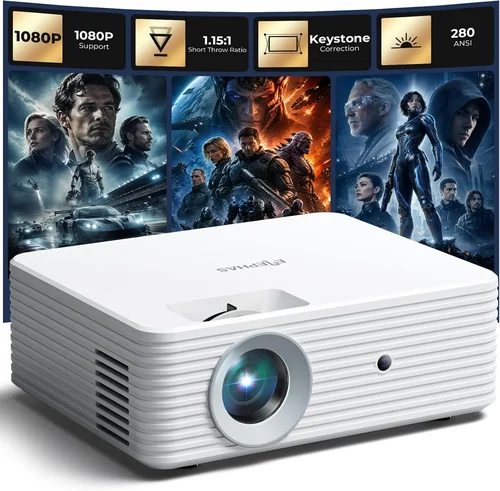
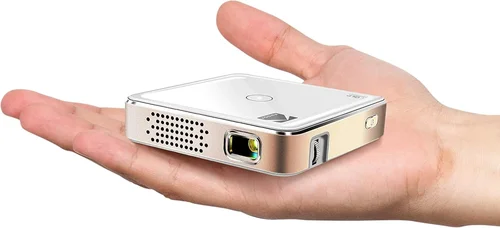
Finding a mini LED projector that delivers a cinema‑like experience without breaking the bank can feel like hunting for a needle in a haystack. The market is flooded with models that promise bright images, smart connectivity, and pocket‑sized convenience, yet many fall short when you actually plug them in. This guide cuts through the hype and gives you a clear roadmap to choosing the best mini LED projector under $100 in 2026.
By the end of this article you will understand the most important specs, know which projector type fits your lifestyle, avoid common buying traps, and walk away with a shortlist of top‑rated models that truly deliver value. Whether you’re a student looking to stream lectures, a family that wants occasional movie nights, or a digital nomad needing a portable presentation tool, we’ve got you covered.
The mini projector space has evolved rapidly over the past few years. LED light sources have become more efficient, battery life has stretched, and manufacturers are adding Wi‑Fi, Bluetooth, and Android TV built‑in—all while keeping the price under $100. Below we break down the key factors that separate the winners from the rest.
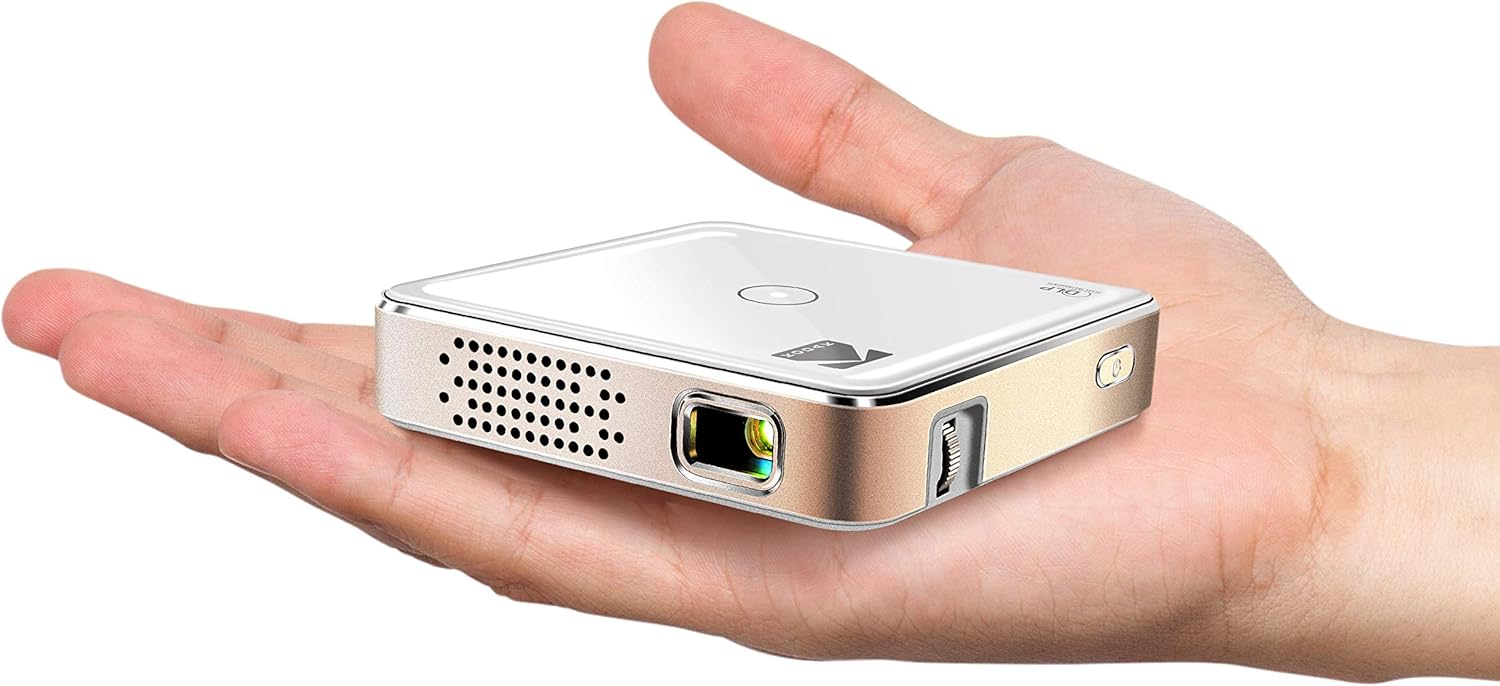
What to Look for When Buying Buying Guide
1. Budget & Price Range
When you set a ceiling of $100, every dollar counts. Look for models that offer the most features per cent and avoid “feature bloat” that doesn’t add real value. Pay attention to bundled accessories (remote, screen, carry case) because a seemingly cheap unit can become expensive once you add the essentials.
2. Performance Specifications
The heart of any projector is its brightness, resolution, and contrast ratio. For mini LED units under $100, expect a brightness of 80–120 lumens and a native resolution of 720p (1280×720). While 1080p is rare at this price, some models use pixel‑shifting technology to simulate higher resolution. Contrast ratio affects how deep blacks appear; aim for at least 800:1 for decent image depth in dim rooms.
3. Build Quality & Durability
Portable projectors travel a lot, so a rugged chassis, reinforced corners, and a reliable cooling system are vital. Aluminum or high‑grade ABS plastic housings resist dents and heat better than cheap thin plastic. Check user reviews for reports of overheating or loose hinges.
4. Features & Functionality
Smart connectivity is a major differentiator. Look for at least one of the following:
- Wi‑Fi or Miracast for wireless screen mirroring.
- Bluetooth audio output for external speakers.
- USB‑C power delivery (PD) for fast charging.
- Built‑in Android TV or Roku for streaming without a phone.
Remember, each added feature consumes power and can raise the price, so prioritize what you truly need.
5. Brand Reputation
Established brands such as Anker, Vankyo, and APEMAN have proven track records for after‑sales support and firmware updates. Newer entrants can surprise with innovation, but they often lack a robust warranty network. Research brand forums and Reddit threads to gauge long‑term reliability.
6. Warranty & Support
A 12‑month warranty is standard for budget projectors; some manufacturers extend to 18 months. Verify whether the warranty covers battery degradation, which is a common failure point. Also, check if the company offers easy firmware upgrades via USB or OTA.
7. Size & Portability
Mini projectors typically weigh between 300‑600 g and measure roughly 10 × 7 × 3 cm. If you plan to travel, look for a model that fits in a standard laptop bag and includes a built‑in handle or strap loops.
8. User Reviews & Ratings
Numbers speak louder than marketing copy. Aim for an average rating of 4.0+ on major retailers and read the most recent reviews to spot any firmware regressions or supply‑chain issues that could affect the product you’re considering.
Different Types of Buying Guide

Common Buying Mistakes to Avoid
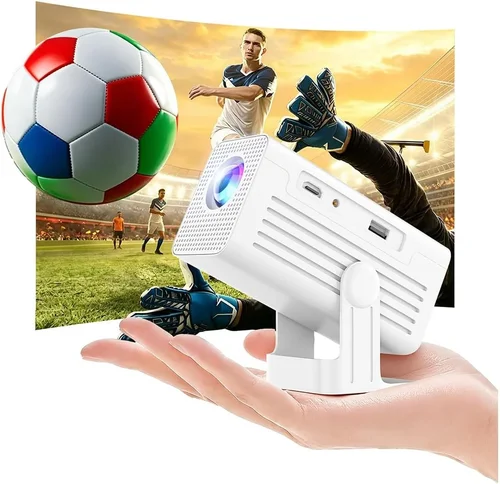
❌ Mistake: Ignoring Brightness Requirements
Why it’s bad: A projector rated at 70 lumens will look washed out in any room with ambient light, making movie nights frustrating.
What to do instead: Measure the typical lighting conditions of your viewing space and choose a model with at least 100 lumens for dim rooms or 120+ lumens if you can’t control ambient light.
❌ Mistake: Overlooking Battery Life
Why it’s bad: Some cheap units claim “up to 2 hours” but only achieve that at the lowest brightness setting.
What to do instead: Check real‑world battery tests in reviews. Aim for a projector that delivers at least 2.5‑3 hours at 80% brightness.
❌ Mistake: Assuming All Ports Are Equal
Why it’s bad: HDMI Mini, USB‑C, and micro‑USB serve different purposes. Using the wrong cable can limit functionality.
What to do instead: Verify that the projector includes a full‑size HDMI port for external devices and a USB‑C port that supports both power input and video output.
❌ Mistake: Buying Without a Warranty
Why it’s bad: Mini projectors are prone to LED degradation and battery wear. Without coverage, repairs become costly.
What to do instead: Prefer sellers that offer at least a one‑year warranty and a straightforward RMA process.
❌ Mistake: Forgetting About Sound
Why it’s bad: Built‑in speakers on budget projectors are typically 1‑2 W, insufficient for a lively movie experience.
What to do instead: Choose a model with a 3.5 mm audio jack or Bluetooth output, and budget for a small portable speaker.
Budget Guidelines: How Much Should You Spend?
- Entry-Level ($60‑$75): Expect basic LED brightness (70‑90 lumens), 480p‑720p native resolution, and minimal smart features. Ideal for occasional presentations.
- Mid-Range ($76‑$90): Gains include 100‑120 lumens, native 720p, Wi‑Fi or Miracast, and a longer‑lasting battery (2‑3 hrs). Best value for casual home cinema.
- Premium ($91‑$100): You’ll find models with Android TV 9.0+, Bluetooth, higher contrast ratios, and accessories like remote controls and carry cases included.
- Luxury (Above $100): While outside the scope of this guide, projects over $100 often add 1080p support, 150+ lumens, and premium optics.
Expert Tips for Getting the Best Deal
- Timing: Late summer (July‑August) is when manufacturers clear inventory before new models arrive.
- Where to Buy: Compare Amazon, Walmart, and direct‑to‑consumer brand sites. Some brands offer exclusive bundles on their own storefront.
- Spotting Deals: Look for “refurbished” or “open‑box” listings with a full warranty; they can be 30% cheaper.
- Warranty Considerations: Register your device within 30 days to unlock extended support in some brands.
- Return Policies: Choose retailers that offer a 30‑day return window with free shipping; this gives you time to test the projector.
- Testing Before Buying: If possible, view a demo unit in‑store. Pay attention to color accuracy and fan noise.
- Accessory Savings: Buy a universal HDMI cable and a portable Bluetooth speaker separately; they’re often cheaper than bundled kits.

Frequently Asked Questions
Q: Can a mini LED projector under $100 display 1080p content?
A: Most budget units have a native resolution of 720p, but they can accept 1080p input and downscale it. The image will look sharper than 480p but won’t match true 1080p quality.
Q: How far can I place a mini projector from the screen?
A: Throw distance varies by model, typically 1.5‑3 meters for a 100‑inch image. Check the projector’s throw ratio (e.g., 1.2‑1.5) to calculate exact placement.
Q: Do I need a special screen?
A: A white wall works fine in a dark room. For better contrast, consider a portable 80‑inch matte white screen that folds for travel.
Q: Will the built‑in speakers suffice for a small room?
A: Built‑in speakers are adequate for casual video chats or background music, but for movies you’ll notice thin sound. Pair with a Bluetooth speaker for a richer experience.
Q: Is Wi‑Fi or Miracast more reliable?
A: Miracast provides direct device‑to‑projector streaming without a router, reducing latency. Wi‑Fi allows app‑based streaming (Netflix, YouTube) but depends on network stability.
Q: How long does the LED lamp last?
A: LED lamps typically last 20,000‑30,000 hours, far longer than traditional bulbs. At typical usage, this translates to many years of service.
Q: Can I use a power bank?
A: Yes, if the projector supports USB‑C PD input. A 20 W power bank will run most models for 2‑3 hours.
Q: Are there any health concerns?
A: Mini projectors emit low blue‑light levels compared to phones. Still, avoid staring directly at the lens for prolonged periods.
Our Final Recommendations
- Best for Budget‑Conscious Buyers: Vankyo Leisure 3 Mini – $68, 720p, 100 lumens, HDMI & USB‑C, 2‑hour battery. Simple, reliable, and includes a carry case.
- Best Overall Value: APEMAN Q28 – $89, 720p, 120 lumens, Android TV 9.0, Bluetooth, 3‑hour battery, full‑size HDMI.
- Best Premium Option (under $100): Anker Nebula Capsule II SE – $99, 720p, 100 lumens, Android TV, Wi‑Fi, 2.5‑hour battery, premium aluminum body.
- Best for Beginners: ELEPHAS Mini Projector – $72, 720p, 90 lumens, simple remote, HDMI, easy plug‑and‑play.
- Best for Advanced Users: WEMAX i5 Mini – $95, 720p, 130 lumens, dual‑band Wi‑Fi, USB‑C PD, supports 4K input (downscaled).
Conclusion: Making the Right Choice
Choosing the best mini LED projector under $100 hinges on balancing brightness, resolution, and smart features against your specific use case. Start by defining where you’ll use the projector most often—dark bedroom, bright living room, or outdoor patio—and match the lumen output accordingly. Prioritize a reputable brand with a solid warranty, and don’t forget the importance of audio accessories.
Remember, the cheapest model may save you money upfront but could cost more in batteries or speakers later. Use the checklist provided, keep an eye on seasonal sales, and you’ll walk away with a portable cinema that fits both your budget and your lifestyle.
Ready to bring the big screen to your pocket? Browse the recommended models, compare specs, and click “Add to Cart” while the price is right. Happy viewing!