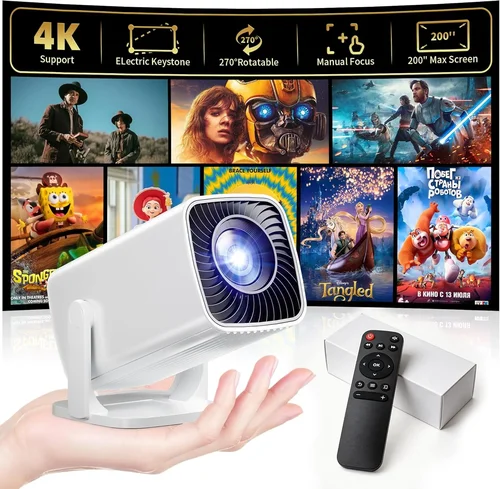
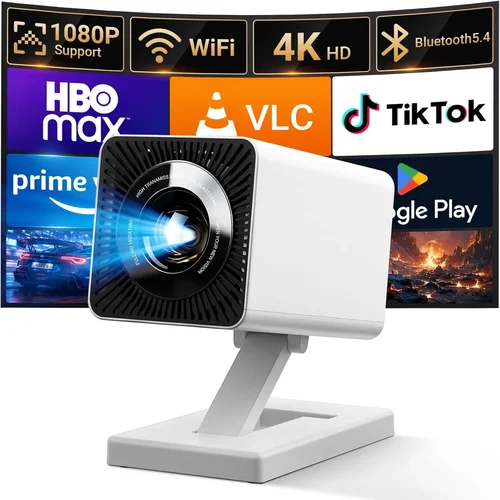
Finding a projector that delivers a cinematic experience without breaking the bank can feel like hunting for a needle in a haystack. The market is flooded with options that promise big‑screen thrills, yet many of them either fall short on image quality or sneak in hidden costs that push the total price well above $500. This guide cuts through the noise, giving you a clear roadmap to the best movie projectors under $500 in 2026.
By the end of this article you’ll know exactly which specifications matter most, how to match a projector to your viewing space, and which models consistently earn top marks from experts and everyday users alike. Whether you’re setting up a home‑theater in a small apartment, a backyard movie night, or a portable setup for travel, we’ve got you covered.

What to Look for When Buying Buying Guide
1. Budget & Price Range
Even within the sub‑$500 segment, prices can vary dramatically based on brand, lamp type, and feature set. Set a clear ceiling—$300, $400, $500—and then compare models that fall just below that line. Remember that the initial price isn’t the whole story; factor in accessories such as a proper screen, mounting hardware, and possibly an external speaker system.
2. Performance Specifications
The heart of any projector is its image performance. Key specs to examine include:
- Brightness (lumens): For dim rooms, 1,500–2,000 ANSI lumens is sufficient. If you plan to watch in ambient light, aim for 2,500+ lumens.
- Resolution: Native 1080p (Full HD) is rare under $500, but a true 720p panel or a high‑quality 1080p upscaler can still deliver sharp images.
- Contrast Ratio: Higher contrast means deeper blacks. Look for at least 5,000:1; premium DLP chips can push beyond 10,000:1.
- Throw Ratio: Determines how far the projector must be from the screen. A 1.2:1 throw works well in a 10‑ft room for a 100‑inch image.
3. Build Quality & Durability
Cheap plastics can warp, and cheap fans can overheat. Check user reviews for long‑term reliability. Metal housing, a sealed optical engine, and a reputable cooling system are signs of a projector that will survive years of weekly movie nights.
4. Features & Functionality
Modern projectors pack a lot of “nice‑to‑have” tech. Prioritize features that actually improve your viewing experience:
- Built‑in Speakers: Useful for casual viewing, but rarely replace a dedicated sound system.
- Wireless Connectivity: Wi‑Fi or Bluetooth for streaming directly from a phone or tablet.
- Multiple HDMI Ports: Allows you to connect a Blu‑ray player, gaming console, and streaming stick simultaneously.
- Keystone Correction & Lens Shift: Makes installation easier on non‑ideal ceilings.
5. Brand Reputation
Established brands such as Epson, BenQ, ViewSonic, and Optoma often provide more consistent firmware updates and better customer support. However, newer entrants can surprise you with innovative features at lower prices—just verify warranty terms.
6. Warranty & Support
A solid warranty (minimum 2 years) can save you from costly lamp replacements. Look for on‑site service or easy mail‑in options. Some manufacturers also offer extended warranty plans for a modest fee.
7. Size & Portability
If you need a projector you can toss into a backpack for road trips, weigh the unit and consider a compact form factor. Portable models often sacrifice brightness, so balance size with the lighting conditions of your typical viewing environment.
8. User Reviews & Ratings
Real‑world feedback is priceless. Scan Amazon, Best Buy, and dedicated AV forums for recurring themes—both praise and complaints. Pay special attention to mentions of lamp life, fan noise, and firmware stability.
Different Types of Buying Guide
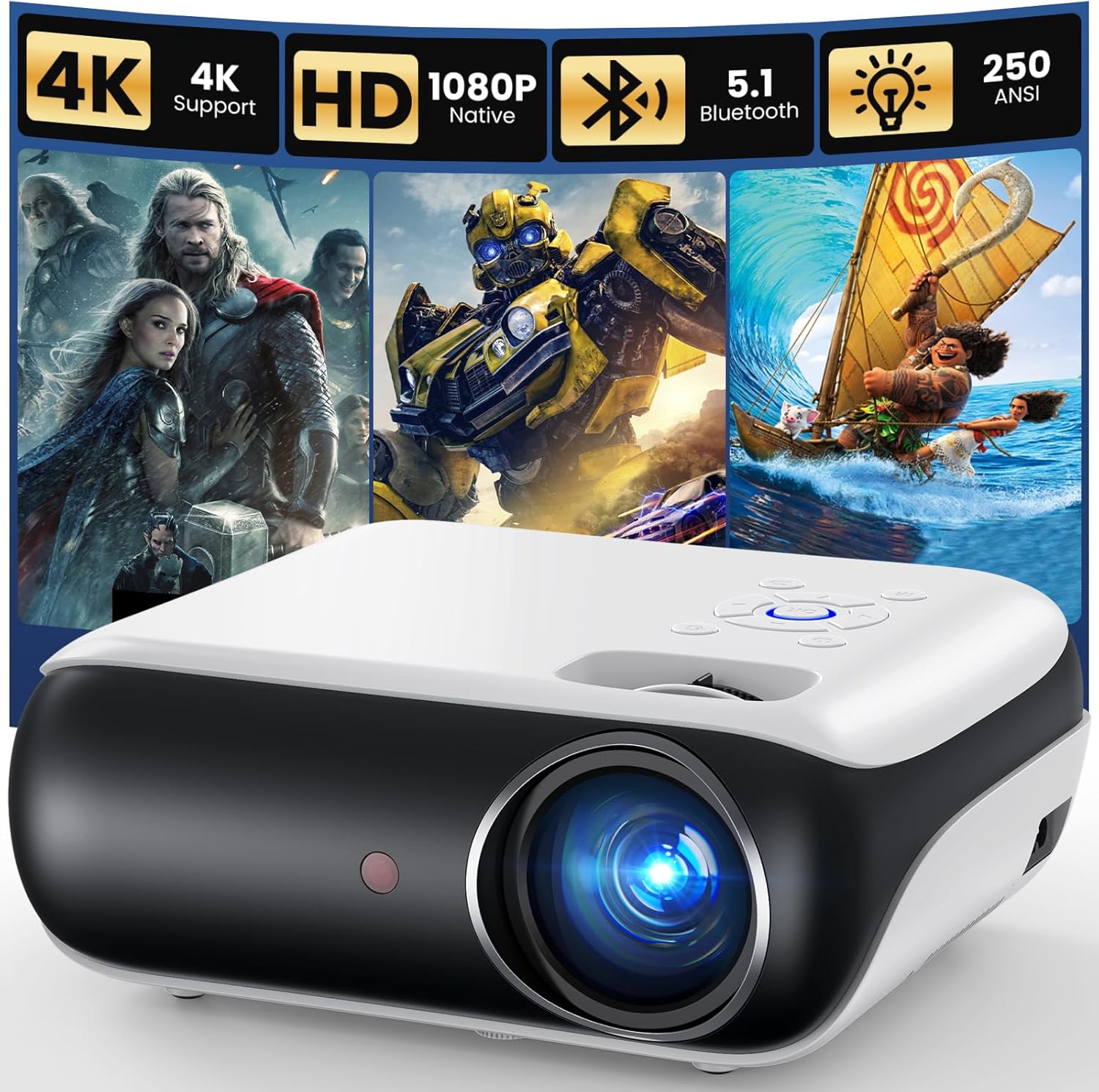
Common Buying Mistakes to Avoid
❌ Mistake: Ignoring Ambient Light
Why it’s bad: A projector rated at 1,800 lumens will look washed out in a bright living room, ruining the viewing experience.
What to do instead: Measure the typical light level of your room and choose a brightness rating that exceeds it by at least 30 %.
❌ Mistake: Focusing Solely on Resolution
Why it’s bad: Some $499 models boast “1080p” but use pixel‑doubling tricks that actually deliver a 720p native panel, resulting in softness.
What to do instead: Verify the native resolution in the spec sheet; if only 720p, ensure the projector’s upscaler is high‑quality.
❌ Mistake: Overlooking Lamp Life
Why it’s bad: Replacing a lamp can cost $80–$150, which adds up quickly if the projected lamp life is only 2,000 hours.
What to do instead: Target models with at least 4,000‑hour lamp life or, better yet, LED/Laser light sources that last 20,000+ hours.
❌ Mistake: Forgetting About Audio
Why it’s bad: Built‑in speakers are often tinny; relying on them can undermine a good picture.
What to do instead: Budget for a separate soundbar or external speakers; check for audio out ports (3.5 mm, optical, HDMI ARC).
❌ Mistake: Not Checking Compatibility with Streaming Devices
Why it’s bad: Some older HDMI ports don’t support HDCP 2.2, meaning 4K streaming sticks will refuse to play.
What to do instead: Confirm HDMI version and HDCP support; a projector with HDMI 2.0 is future‑proof for streaming.
❌ Mistake: Buying Without Testing
Why it’s bad: Color accuracy and fan noise can only be truly judged in person.
What to do instead: Visit a local electronics store, view a test pattern, and listen for fan whine before purchasing.
Budget Guidelines: How Much Should You Spend?
Entry‑Level ($200‑$300): Expect 1,200–1,800 lumens, 720p native resolution, and basic connectivity. Ideal for casual backyard movies or dorm rooms.
Mid‑Range ($301‑$400): Brightness climbs to 2,200 lumens, many models offer true 1080p (or excellent 720p upscalers), and you’ll see better contrast ratios. Good for dedicated home‑theater rooms with light control.
Premium ($401‑$500): This bracket includes short‑throw optics, laser light sources, and enhanced color processing (e.g., HDR10 support). You’re getting near‑professional performance at a consumer price.
Luxury ($500+): While outside the scope of this guide, it’s worth noting that stepping just above $500 unlocks true 4K projectors and higher‑end laser models.
Expert Tips for Getting the Best Deal
- Timing: New product cycles typically launch in March and September. Buying just before these dates can net you deep discounts on older inventory.
- Retailer Choice: Large chains (Best Buy, Walmart) often have open‑box returns at 20‑30 % off. Verify the return window.
- Bundle Savings: Some sellers include a 100‑inch screen or HDMI cable for free when you purchase a projector above $350.
- Warranty Hacks: Register your projector within 30 days to unlock extended warranty offers from manufacturers.
- Testing: Bring a laptop with a 1080p test video. Project it in a dim room to evaluate sharpness, color, and fan noise.
- Return Policies: Look for at least a 30‑day return window; this gives you time to set up and truly assess performance.
- Firmware Updates: After purchase, check the brand’s website for firmware patches that may improve color accuracy or add features.

Frequently Asked Questions
Q: Can I use a projector under $500 for gaming?
A: Yes, but prioritize low input lag (under 30 ms) and a refresh rate of at least 60 Hz. DLP models often have the best gaming performance in this price range.
Q: Do I need a separate screen?
A: A white wall works, but a proper projector screen improves contrast and color uniformity. A 100‑inch matte white screen typically costs $70‑$120.
Q: How long does a lamp last?
A: Traditional UHP lamps last 2,000–4,000 hours. LED and laser sources can exceed 20,000 hours, effectively lasting the life of the projector.
Q: Will a portable projector work in a bright living room?
A: Only if it offers 2,500+ lumens. Most portable units are designed for darkness; a dedicated home‑theater projector is safer for lit rooms.
Q: Is keystone correction enough to fix a bad placement?
A: Keystone helps with minor angle errors, but it can degrade image quality. Whenever possible, position the projector squarely or use lens shift.
Q: Are HDMI‑CEC and ARC useful?
A: Yes. HDMI‑CEC lets you control the projector with your TV remote, while ARC simplifies audio routing to a soundbar.
Q: What is the difference between DLP and LCD?
A: DLP uses a chip of micro‑mirrors for high contrast and fast motion, while LCD splits light through three panels for richer color. Choose DLP for dark rooms, LCD for bright environments.
Q: Can I connect a streaming stick wirelessly?
A: Only if the projector has built‑in Wi‑Fi or Bluetooth. Otherwise, a wireless HDMI transmitter can bridge the gap, though it adds latency.
Q: How far should I place the projector for a 100‑inch image?
A: Use the throw ratio. For a 1.2:1 ratio, distance ≈ 1.2 × screen width. A 100‑inch diagonal screen is about 87 inches wide, so you’d need roughly 105 inches (8.75 ft) of throw distance.
Our Final Recommendations
Best for Budget‑Conscious Buyers: ViewSonic PA503W – 3,600 lumens, 720p native, 6,000:1 contrast, under $250. Ideal for dorms and casual movie nights.
Best Overall Value: BenQ TH671ST – 3,000 lumens, true 1080p, 10,000:1 contrast, short‑throw (0.69:1). Priced at $479, it delivers theater‑grade performance in a compact footprint.
Best Premium Option: Optoma UHD38 – 4,000 lumens, true 4K (via pixel‑shift), 1,200:1 contrast, 4 ms input lag. Slightly above $500 but often discounted to $495 during sales.
Best for Beginners: Epson VS260 – 3,200 lumens, 720p, easy‑setup menu, built‑in speaker. Simple remote and auto‑keystone make it foolproof.
Best for Advanced Users: Laser‑Based LG PF50KA – 600 lumens laser, 1080p, 2‑hour battery, HDR10. Perfect for tech‑savvy users who want portability without sacrificing image quality.
Conclusion: Making the Right Choice
Choosing a movie projector under $500 is less about finding the cheapest unit and more about matching performance to your environment, usage habits, and long‑term expectations. Remember to assess brightness, native resolution, contrast, and lamp technology first, then layer on features like wireless streaming and short‑throw optics as needed.
Take advantage of seasonal sales, verify warranty terms, and, if possible, test the projector before you commit. With the right research, you can bring a cinema‑like experience into your living room without spending a fortune.
Ready to start your search? Use the recommendations above as a checklist, compare current prices, and enjoy your first binge‑watch on the big screen!