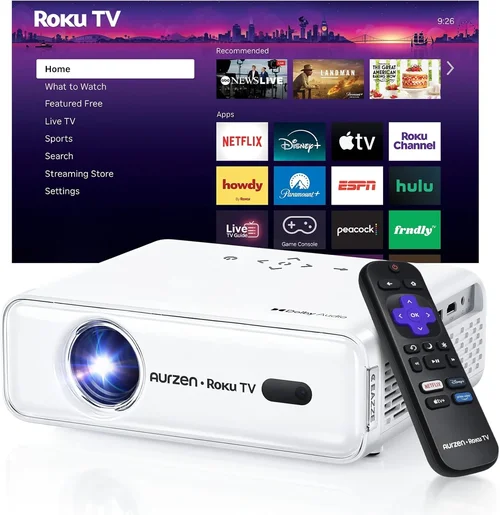
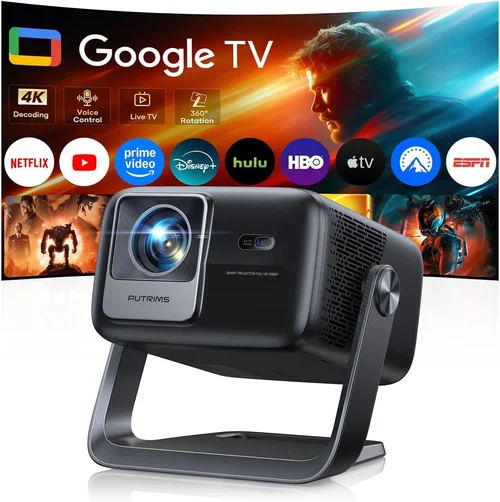
Finding the perfect outdoor movie projector under $1500 can feel like hunting for a needle in a haystack. The market is flooded with models that promise cinema‑quality picture, rugged durability, and a price tag that seems too good to be true. This guide cuts through the noise, giving you a clear roadmap so you can choose a projector that delivers big‑screen thrills without breaking the bank.
In the next few sections you’ll learn exactly what specifications matter for backyard screenings, how to compare different projector types, and which models consistently earn top marks from experts and everyday users alike. By the end, you’ll be equipped to make a confident purchase that turns your patio, garden, or driveway into a movie‑loving oasis.

What to Look for When Buying Buying Guide
1. Budget & Price Range
Even within the sub‑$1500 segment, prices can vary dramatically. A $400 unit may lack the brightness needed for twilight viewing, while a $1,400 model could pack premium lenses and advanced connectivity that you never use. Start by defining the absolute ceiling you’re willing to spend, then allocate portions of that budget to the most critical features—usually brightness and resolution. Remember that accessories such as a quality screen, mounting brackets, and a weather‑proof case can add $100‑$300 to the total cost.
2. Brightness (Lumens)
Brightness is measured in ANSI lumens, and it’s the single most important factor for outdoor use. A dark‑room home theater can get away with 1,500‑2,000 lumens, but an open‑air setup competing with ambient light typically needs at least 3,000‑4,000 lumens for a clear image. If you plan to watch after sunset, you can dip a little lower, but for early‑evening screenings aim for 3,500 lumens or more.
3. Resolution
Resolution determines how sharp the picture looks, especially on larger screens. Full HD (1920×1080) is the baseline for most budget‑friendly outdoor projectors and provides a respectable experience for 100‑120‑inch images. If you can stretch your budget toward a 4K‑enhanced or native 4K (3840×2160) model, expect noticeably finer detail, but keep in mind that true 4K units often exceed $2,000.
4. Contrast Ratio
Contrast ratio is the difference between the darkest black and the brightest white a projector can display. Higher contrast means deeper blacks and more vibrant colors—essential for night‑time movies where shadow detail matters. Look for a contrast ratio of at least 10,000:1; many DLP projectors in this price range achieve 15,000:1 or higher.
5. Throw Distance & Lens Shift
Throw distance is the space needed between the projector and the screen to achieve a certain image size. Short‑throw models (under 4 feet for a 100‑inch image) are ideal for tight backyards, while standard‑throw units require more room but often deliver higher brightness. Lens shift lets you move the image vertically or horizontally without moving the whole projector—handy when you’re mounting on a ceiling or a side wall.
6. Build Quality & Durability
Outdoor environments expose electronics to dust, moisture, and temperature swings. Look for projectors with sealed housings, fan filters, and an IP rating (IPX4 or higher) for splash resistance. Metal or high‑grade aluminum bodies outlast plastic shells, especially if you’ll be storing the unit outdoors for extended periods.
7. Connectivity & Features
Modern projectors should support HDMI 2.0 or higher, USB‑C, and wireless options like Bluetooth or Wi‑Fi. Built‑in streaming apps (Netflix, YouTube, Plex) are a nice convenience, but they often require a stable internet connection—something not guaranteed in a backyard. A dedicated audio out (3.5 mm or RCA) and support for external speakers are crucial for a cinematic sound experience.
8. Brand Reputation & Warranty
Established brands such as Epson, BenQ, Optoma, and ViewSonic tend to provide more reliable firmware updates and accessible customer service. A solid warranty (minimum two years) protects you against early failures, and many manufacturers offer extended plans for an additional fee.
Different Types of Buying Guide

Common Buying Mistakes to Avoid
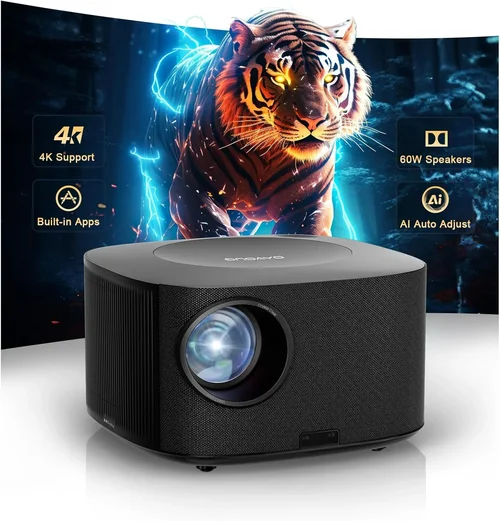
❌ Mistake: Buying the Cheapest Model Without Checking Lumens
Why it’s bad: Low‑lumens projectors look great in a dark room but produce a washed‑out image outdoors, even after sunset.
What to do instead: Set a minimum of 3,000 ANSI lumens for outdoor use and compare models side‑by‑side in that range.
❌ Mistake: Ignoring Throw Distance Requirements
Why it’s bad: A standard‑throw projector placed too close will produce a tiny image, while a short‑throw unit placed too far will lose brightness.
What to do instead: Measure your available space, then use the manufacturer’s throw‑ratio chart to pick a compatible model.
❌ Mistake: Overlooking Weather Protection
Why it’s bad: Moisture can short‑circuit the projector, and dust can clog cooling fans, leading to overheating.
What to do instead: Choose a unit with an IP rating of at least IPX4 and invest in a waterproof projector cover for storage.
❌ Mistake: Forgetting Audio Needs
Why it’s bad: Most projectors have weak built‑in speakers that can’t fill an open space, leaving viewers straining to hear dialogue.
What to do instead: Pair your projector with a portable Bluetooth speaker or a dedicated outdoor sound system.
❌ Mistake: Assuming All “4K” Labels Mean True 4K
Why it’s bad: Many budget models use “4K‑enhanced” processing that upscales 1080p input, which may not satisfy a true‑4K enthusiast.
What to do instead: Verify the native resolution in the specs; true 4K will be listed as 3840×2160.
❌ Mistake: Skipping Firmware Updates
Why it’s bad: Out‑of‑date firmware can cause connectivity glitches, reduced brightness, or security vulnerabilities.
What to do instead: Check the manufacturer’s support page before purchase and ensure the device offers easy OTA (over‑the‑air) updates.
Budget Guidelines: How Much Should You Spend?
Understanding what you get at each price tier helps you balance expectations with reality.
- Entry-Level ($400‑$700): Expect 2,500‑3,000 lumens, Full HD resolution, and basic HDMI connectivity. Ideal for occasional weekend movies on a small screen (80‑100 inches).
- Mid‑Range ($700‑$1,100): Brightness climbs to 3,500‑4,200 lumens, better contrast ratios, and often includes short‑throw options. You’ll find built‑in speakers with higher wattage and optional wireless casting.
- Premium ($1,100‑$1,500): Laser light sources, 4K‑enhanced or native 4K, superior color accuracy (Rec.709), and robust weather‑proofing. This tier also offers the longest lamp life (up to 30,000 hours).
- Luxury ($1,500+): While beyond the guide’s focus, luxury models provide true 4K, HDR10+, and integrated audio systems, often exceeding $2,000.
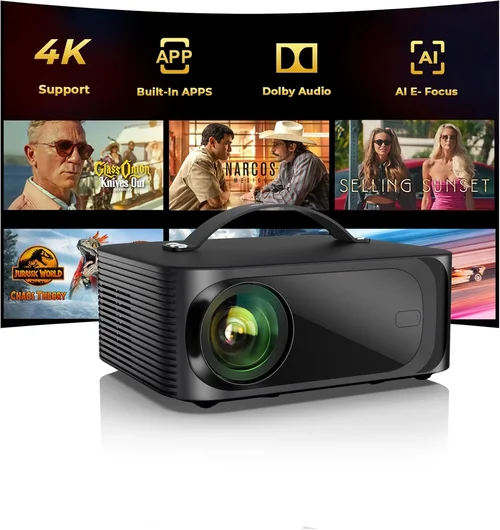
Expert Tips for Getting the Best Deal
- Timing: Purchase during the late summer or early fall when retailers clear inventory before the holiday season.
- Where to Buy: Compare prices on Amazon, Best Buy, and the manufacturer’s official store. Some brands offer “student” or “military” discounts.
- Bundling: Look for bundles that include a portable screen, mounting kit, or even a short‑term warranty extension.
- Warranty Extensions: If you plan to use the projector frequently, a three‑year extended warranty can save money on potential lamp replacements.
- Return Policies: Choose sellers with a 30‑day return window and free return shipping—essential for testing brightness in your own backyard.
- Testing Before Buying: If possible, visit a local electronics store and request a demo in a semi‑dark room. Bring a smartphone with a streaming app to see real‑world performance.
- Check for Firmware Updates: A projector that receives regular updates will stay compatible with new streaming protocols and improve image processing over time.

Frequently Asked Questions
Q: Do I need a separate screen for an outdoor projector?
A: While a plain white wall or a sheet can work, a purpose‑built projector screen dramatically improves gain (brightness) and color accuracy. Portable, inflatable screens are a popular, budget‑friendly option.
Q: Can I use a projector in direct sunlight?
A: Even the brightest consumer projectors struggle in full daylight. For daytime use, consider a high‑gain screen and position the projector in a shaded area, or limit viewing to early morning/evening hours.
Q: How long does a projector lamp last?
A: Traditional lamps last 2,000‑4,000 hours, while laser light sources can exceed 30,000 hours. At 4 hours per night, a laser projector could run for over 20 years before needing replacement.
Q: Is HDMI the only way to connect my phone?
A: No. Many modern projectors support wireless mirroring via Chromecast, AirPlay, or Bluetooth. However, wired HDMI generally provides the most reliable signal with the lowest latency.
Q: What size screen should I aim for?
A: For a comfortable viewing distance of 10‑15 feet, a 100‑120‑inch diagonal screen is ideal. Adjust size based on your specific space and the projector’s throw ratio.
Q: Do I need a separate sound system?
A: Built‑in speakers are usually insufficient for outdoor use. Pair the projector with a Bluetooth soundbar or a portable PA system for clear dialogue and immersive sound.
Q: How do I protect my projector from rain?
A: Use a waterproof projector cover or store the unit in a dry cabinet when not in use. Some models have an IPX4 rating, allowing light rain exposure, but prolonged moisture can still cause damage.
Q: Can I mount the projector on a ceiling?
A: Yes, provided the projector offers lens shift and a compatible mounting bracket. Ceiling mounts keep the device out of the elements and free up floor space.
Q: Is 4K worth the extra cost?
A: If you frequently watch high‑resolution content and have a large screen (120‑150 inches), 4K offers noticeable sharpness. For smaller screens or occasional use, Full HD remains a solid, cost‑effective choice.
Our Final Recommendations
- Best for Budget‑Conscious Buyers: BenQ TH585 – 3,500 lumens, Full HD, short‑throw, priced around $650. Offers excellent brightness and low input lag for gaming.
- Best Overall Value: Epson Home Cinema 3200 – 2,900 lumens (laser), 4K‑enhanced, excellent color accuracy, priced at $1,199. Ideal for users who want near‑4K quality without the premium price.
- Best Premium Option: Optoma CinemaX P2 – 3,000 lumens, true 4K, laser light source, built‑in soundbar, retailing at $1,499. Perfect for serious enthusiasts who want a turnkey home‑theater feel.
- Best for Beginners: ViewSonic M2 – 1,200 lumens, Full HD, portable, Wi‑Fi casting, $800. Easy setup and compact enough for occasional backyard movies.
- Best for Advanced Users: LG HU85LA Ultra Short‑Throw 4K Laser – 2,700 lumens, 4K, ultra short‑throw (places the projector inches from the wall), $1,499. Offers massive screen sizes with minimal space requirements.
Conclusion: Making the Right Choice
Choosing the best outdoor movie projector under $1500 boils down to matching your specific viewing conditions with the right blend of brightness, resolution, and durability. Start by measuring your space, set a realistic budget, and prioritize lumens and throw distance. Avoid common pitfalls like ignoring weather protection or skimping on audio, and leverage seasonal sales to stretch your dollars further.
Remember, the perfect projector is the one that fits your backyard, your viewing habits, and your wallet. Use the factors, comparisons, and tips outlined above to narrow down your options, test a few models if possible, and enjoy countless evenings of cinema under the stars.