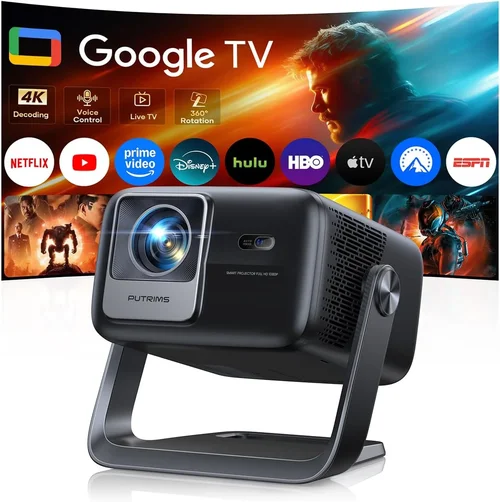
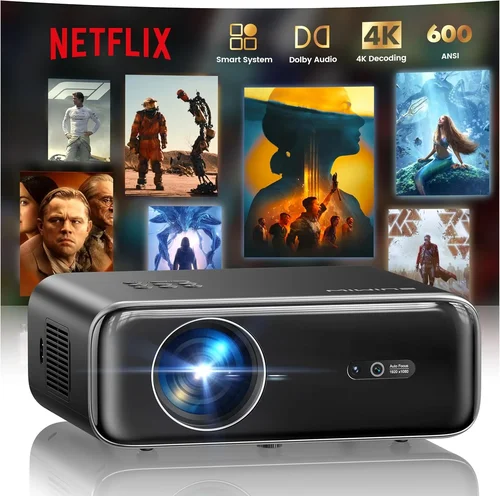
Welcome to the ultimate guide for anyone who dreams of turning a backyard, patio, or even a quiet park into a personal cinema. Outdoor movie nights have gone from a rare summer novelty to a year‑round family tradition, and the projector you choose is the star of the show. With budgets tightening and technology advancing at breakneck speed, finding a high‑quality outdoor movie projector under $1,000 can feel like searching for a needle in a haystack. That’s why this guide exists—to cut through the hype, demystify the specs, and help you make a confident purchase that fits your lifestyle and wallet.
In the pages ahead you’ll learn how to evaluate brightness, resolution, and durability; discover the different projector categories that best suit various backyard setups; avoid common pitfalls that waste money; and walk away with a shortlist of top‑rated models that deliver theater‑like experiences without breaking the bank. Whether you’re a seasoned backyard‑cinema enthusiast or a first‑time host planning a weekend movie marathon, this guide equips you with the knowledge to choose the perfect projector for your outdoor oasis.
The market for outdoor projectors under $1,000 has matured dramatically in recent years. LED, laser, and traditional lamp‑based units now compete on a level playing field, offering high lumen outputs, robust weather‑proof designs, and smart‑connectivity options that were once reserved for five‑figure installations. As a result, you no longer have to sacrifice image quality for affordability. Let’s dive into the specifics that separate a great outdoor movie projector from a mediocre one.

What to Look for When Buying Buying Guide
1. Budget & Price Range
While the headline says “under $1,000,” the actual price you should be comfortable with can vary widely based on features. Entry‑level models often hover around $300–$500 and deliver decent performance for small gatherings. Mid‑range options ($500–$800) typically include higher brightness, better contrast, and more robust housings. The upper end of the budget ($800–$1,000) brings you closer to premium components such as laser light sources and advanced connectivity. Decide early how much you’re willing to invest, then match that figure to the feature set you truly need.
2. Brightness (Lumens)
Outdoor environments are rarely pitch‑black, so lumen output is a make‑or‑break factor. For a backyard with ambient light from street lamps or a partially covered patio, aim for at least 3,000 lumens. If you plan to project on a screen in a darker, enclosed garden, 2,000 lumens can suffice. Remember that laser and LED projectors often appear brighter than their lumen rating suggests because they maintain consistent brightness throughout their lifespan.
3. Resolution & Image Quality
Resolution determines how sharp your picture looks, especially on larger screens. A minimum of 1080p (Full HD) is recommended for any outdoor cinema setup. While 4K models exist under $1,000, they are rare and usually compromise on brightness. If you primarily watch HD content, a solid 1080p projector will give you crisp images without inflating the price.
4. Contrast Ratio & Color Accuracy
Contrast ratio measures the difference between the darkest blacks and brightest whites. Higher contrast yields richer, more immersive visuals—crucial for night‑time movies with deep shadows. Look for a contrast ratio of at least 10,000:1. Color accuracy matters less than brightness outdoors, but a projector with a wide color gamut (e.g., DCI‑P3 coverage) will render movies more faithfully.
5. Build Quality & Durability
Outdoor projectors face moisture, dust, and temperature swings. A sealed, IP‑rated housing (IP55 or higher) is ideal for protecting internal optics. Metal or high‑grade ABS chassis add rigidity, while shock‑absorbing mounts reduce vibration. If you intend to leave the projector outdoors for extended periods, prioritize models with proven weather‑resistant designs.
6. Features & Functionality
Modern projectors pack a suite of conveniences:
- Built‑in Wi‑Fi / Bluetooth: Stream directly from phones, tablets, or smart TVs.
- Multiple Input Ports: HDMI, USB‑C, VGA, and sometimes SD card slots.
- Lens Shift & Zoom: Adjust image placement without moving the projector.
- Keystone Correction: Automatic or manual correction for angled installations.
- Integrated Speakers: Useful if you lack a separate sound system, though external speakers are recommended for true cinema quality.
7. Brand Reputation & Warranty
Established brands such as Epson, BenQ, Optoma, and ViewSonic often provide more reliable after‑sales support and longer warranty periods (typically 2–3 years). Newer entrants may offer aggressive pricing but can lack a robust service network. Check user forums and professional reviews to gauge long‑term reliability before committing.
8. Size & Portability
If you plan to move the projector between locations—say, from a backyard to a campsite—size and weight become critical. Compact, lightweight units (under 5 kg) with built‑in handles are easier to transport. However, larger, heavier models often house more powerful lamps and better cooling, which can translate into higher brightness and longer lifespan.
Different Types of Buying Guide

Common Buying Mistakes to Avoid
❌ Mistake: Buying the Highest Lumen Count Without Context
Why it’s bad: A projector boasting 5,000 lumens sounds impressive, but if it uses a cheap lamp that fades quickly, you’ll lose brightness after a few months. Moreover, excessive lumens can wash out colors on a proper outdoor screen.
What to do instead: Match lumen output to your typical ambient lighting. For most backyard setups, 3,000–4,000 lumens from a laser or LED source offers a balanced image without premature lamp degradation.
❌ Mistake: Ignoring Throw Distance and Screen Size Compatibility
Why it’s bad: A projector with a short‑throw lens may look great up close but will produce a tiny image if placed too far away, forcing you to buy a massive screen.
What to do instead: Check the manufacturer’s throw ratio chart. Ensure the projector can fill a 100‑120‑inch screen from the distance you can comfortably mount it.
❌ Mistake: Overlooking Weather‑Proofing
Why it’s bad: Exposure to dew, dust, or sudden rain can damage a non‑sealed unit, leading to costly repairs.
What to do instead: Choose a projector with at least an IP55 rating or invest in a weather‑proof enclosure and a proper canopy.
❌ Mistake: Forgetting Audio Requirements
Why it’s bad: Relying on built‑in speakers often results in tinny sound that disappears in an open space.
What to do instead: Pair your projector with a dedicated outdoor speaker system or a portable Bluetooth soundbar.
❌ Mistake: Skipping Firmware Updates
Why it’s bad: Outdated firmware can cause connectivity glitches, reduced performance, or security vulnerabilities.
What to do instead: Select a brand that offers easy OTA (over‑the‑air) updates and check the support page regularly.
Budget Guidelines: How Much Should You Spend?
- Entry‑Level ($300‑$500): Expect 2,000–2,500 lumens, 720p–1080p resolution, basic HDMI input, and limited durability. Ideal for occasional movie nights in a darkened backyard.
- Mid‑Range ($500‑$800): You’ll find 3,000–4,000 lumens, true 1080p, better contrast, built‑in Wi‑Fi, and sturdier, weather‑sealed housings. This tier satisfies most families and small gatherings.
- Premium ($800‑$1,000): Laser or high‑end LED light sources, 3,500+ lumens, excellent color gamut, advanced lens shift, and longer warranties. Perfect for enthusiasts who host weekly outdoor screenings.
- Luxury ($1,000+): While outside the scope of this guide, luxury models deliver 4K resolution, 5,000+ lumens, and cinema‑grade optics, often used by professional venues.
Expert Tips for Getting the Best Deal
- Timing: Purchase late summer or early fall when retailers clear inventory before the holiday season.
- Where to Buy: Compare prices on Amazon, Best Buy, B&H Photo, and the manufacturers’ own websites. Some brands offer exclusive bundles (screen + projector) that save up to 15%.
- Spotting Deals: Look for “refurbished” units certified by the manufacturer. They often come with full warranties at 20‑30% off.
- Warranty Considerations: A longer warranty (3+ years) is worth the extra cost, especially for lamp‑based models where lamp replacement can exceed $150.
- Return Policies: Verify a 30‑day return window; this gives you time to test the projector in your actual outdoor setup.
- Testing Before Buying: If possible, view a demo unit in a store with ambient lighting similar to your backyard. Bring a laptop or phone to test connectivity.
- Accessories: Invest in a sturdy outdoor screen, a weather‑proof cover, and a short‑throw lens kit if your mounting distance is limited.

Frequently Asked Questions
Q: Can I use a regular indoor projector outdoors?
A: Technically you can, but indoor units lack the brightness and weather protection required for outdoor use. Expect washed‑out images and a higher risk of damage from moisture.
Q: Do I need a special screen for outdoor projection?
A: While a plain white wall works, a dedicated outdoor screen (gain 1.0‑1.2, matte white) improves contrast and reduces glare. Inflatable or pull‑down screens are popular for portability.
Q: How far should the projector be from the screen?
A: It depends on the throw ratio. A typical 1.5‑2.0 throw ratio means a 10‑foot distance for a 100‑inch diagonal screen. Use the manufacturer’s calculator to determine exact placement.
Q: Will a projector’s lamp need replacement often?
A: LED and laser light sources last 20,000‑30,000 hours, effectively a lifetime for most users. Lamp‑based projectors usually require a lamp change after 2,000‑3,000 hours.
Q: Is HDMI the only connection I need?
A: HDMI is the standard for high‑definition video, but having USB‑C, Bluetooth, and Wi‑Fi expands your streaming options and eliminates extra cables.
Q: Can I connect a gaming console?
A: Absolutely. Most outdoor projectors include HDMI 2.0 ports that support 1080p at 60 Hz, perfect for consoles like the PlayStation 5 or Xbox Series X.
Q: How do I protect the projector from night‑time dew?
A: Use a waterproof cover or an outdoor-rated enclosure. Ensure there’s ventilation to avoid overheating.
Q: What screen size is realistic for a backyard?
A: For most residential spaces, a 100‑120‑inch diagonal screen (8‑10 ft wide) balances image size with manageable throw distance.
Our Final Recommendations
- Best for Budget‑Conscious Buyers: Epson Home Cinema 1060 – 3,200 lumens, 1080p, HDMI, and a solid metal chassis for under $500.
- Best Overall Value: BenQ TH671ST – Short‑throw, 3,000 lumens, 1080p, low input lag, and excellent color accuracy at $749.
- Best Premium Option: Optoma CinemaX P2 – Ultra‑short‑throw laser, 3,000 lumens, 4K UHD, built‑in soundbar, and 2‑year warranty for $999.
- Best for Beginners: ViewSonic M2 – Portable LED, 1,200 lumens (bright enough for dark evenings), wireless screen mirroring, and a compact design at $599.
- Best for Advanced Users: LG HU85LA – Though slightly above $1,000, it’s worth mentioning for its 4,500‑lumens laser, 4K, and 0.19 throw ratio, ideal for large‑scale backyard theatres.
Conclusion: Making the Right Choice
Choosing the best outdoor movie projector under $1,000 boils down to three core considerations: brightness suited to your ambient lighting, durability for the elements, and a feature set that matches your streaming habits. By aligning these factors with your budget tier, you can avoid common mistakes and secure a projector that delivers cinematic magic night after night.
Remember, the perfect projector is the one that fits your specific backyard layout, viewing habits, and willingness to invest in accessories like screens and speakers. Use the checklist provided, keep an eye on seasonal sales, and don’t rush the decision. Your next backyard blockbuster is just a well‑chosen projector away.