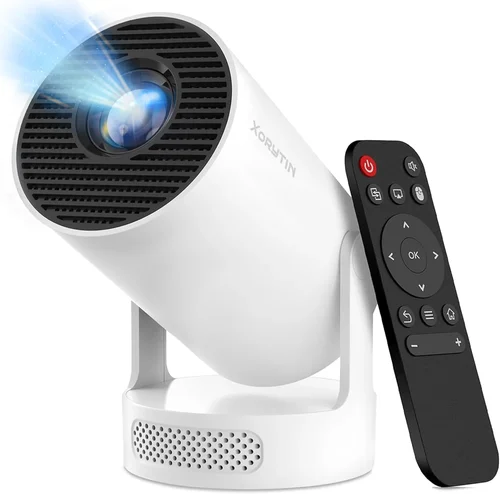
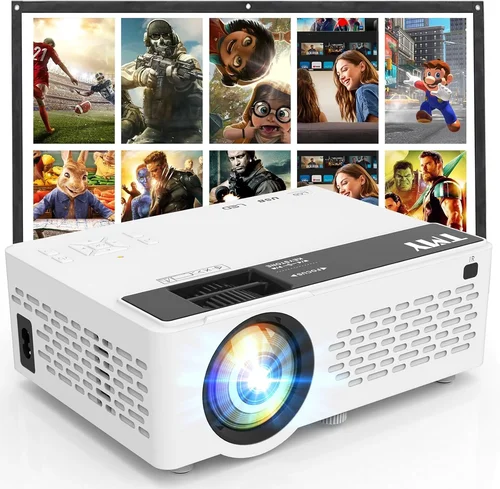
Finding the perfect outdoor projector can feel like searching for a needle in a haystack, especially when you’re trying to stay under a tight budget. In 2024, the market is flooded with options that promise cinema‑grade images, rugged builds, and wireless convenience—all for less than $200. This guide cuts through the noise, giving you the knowledge you need to make a confident purchase without breaking the bank.
By the end of this article you’ll understand the most important specs, know which projector type fits your backyard setup, avoid common buying pitfalls, and walk away with a clear recommendation that matches your needs and wallet.

What to Look for When Buying Buying Guide
1. Budget & Price Range
When you set a ceiling of $200, every dollar counts. Prices in this segment typically reflect trade‑offs in brightness, resolution, and durability. Look for models that offer the best value per lumen and feature set rather than the lowest price tag. Seasonal sales—Black Friday, Cyber Monday, and Amazon Prime Day—often bring higher‑end units into your price bracket.
2. Brightness (Lumens)
Brightness is the single most critical factor for outdoor use. Ambient light from street lamps, moonlight, or a nearby fire pit can wash out a dim image. Aim for at least 2,500 ANSI lumens for a clear picture after dark, and consider a projector with a built‑in high‑gain lens if you plan to project in semi‑light conditions.
3. Resolution
Resolution determines how sharp the picture looks, especially for text and fine details. In the sub‑$200 range, you’ll often encounter 720p (HD) or native 480p (SD) panels. While 720p is preferable for movies and sports, a well‑calibrated 480p unit can still deliver an enjoyable experience if you sit far enough away.
4. Contrast Ratio
Contrast ratio measures the difference between the darkest black and the brightest white a projector can produce. A higher ratio (e.g., 5,000:1) yields deeper blacks, which is essential for night‑time viewing. Look for a ratio of at least 3,000:1 to ensure your outdoor cinema feels immersive.
5. Portability & Build Quality
Outdoor projectors need to survive occasional bumps, dust, and moisture. A compact, lightweight chassis with a sturdy metal or reinforced plastic housing is ideal. Consider models with a built‑in handle or a detachable mounting bracket for easy transport.
6. Connectivity Options
Versatility in input sources means you can stream from a phone, laptop, gaming console, or even a USB drive. Look for HDMI, USB‑C, and wireless options such as Wi‑Fi or Bluetooth. Some budget models also include an SD card slot—handy for quick movie swaps.
7. Throw Distance & Screen Size
Throw distance is the gap between the projector lens and the screen. Short‑throw units can fill a 100‑inch screen from just a few feet away, making them perfect for small patios. Long‑throw models need more space but often deliver better brightness uniformity.
8. Lamp Life & Maintenance
Projector lamps degrade over time. LED and laser light sources typically last 20,000‑30,000 hours, far outpacing traditional bulbs. In the $200 bracket, LED is more common and offers lower long‑term costs because you won’t need to replace a bulb.
Different Types of Buying Guide

Common Buying Mistakes to Avoid
❌ Mistake: Ignoring Ambient Light Conditions
Why it’s bad: A projector that performs well in a dark home theater can look washed out under a patio lantern.
What to do instead: Measure typical lighting levels where you’ll use the projector and select a model with at least 2,500 lumens for outdoor evenings.
❌ Mistake: Overlooking Throw Distance
Why it’s bad: Buying a long‑throw projector for a small balcony forces you to place it far away, resulting in a tiny image.
What to do instead: Match the projector’s throw ratio to your available space; short‑throw units are ideal for tight areas.
❌ Mistake: Forgetting About Weather Protection
Why it’s bad: Moisture can short‑circuit electronics, void warranties, and ruin your investment.
What to do instead: Choose a projector with an IP rating (IPX4 or higher) or plan a simple shelter like a pop‑up canopy.
❌ Mistake: Choosing the Cheapest Lamp
Why it’s bad: Low‑cost lamps often have shorter lifespans, meaning you’ll replace them more often.
What to do instead: Opt for LED or laser light sources; the upfront cost may be slightly higher but saves money long‑term.
❌ Mistake: Ignoring Connectivity Needs
Why it’s bad: You might end up buying extra adapters or cables, adding hidden expenses.
What to do instead: List the devices you plan to connect (phone, laptop, gaming console) and verify the projector includes the necessary ports.
Budget Guidelines: How Much Should You Spend?
Entry‑Level ($120‑$150): Expect 2,000‑2,500 lumens, native 480p resolution, basic HDMI input, and a plastic housing. Ideal for occasional movie nights with a small screen.
Mid‑Range ($151‑$180): Typically offers 2,500‑3,000 lumens, 720p resolution, short‑throw options, and built‑in speakers. This tier balances image quality and portability.
Premium ($181‑$200): You’ll find 3,000+ lumens, true 720p, higher contrast ratios, and added features like Wi‑Fi streaming, Bluetooth audio, and ruggedized casings.
Luxury (Above $200): While out of scope for this guide, these models often provide 4K resolution, laser light sources, and professional‑grade lenses.
Expert Tips for Getting the Best Deal
- Timing is everything: Late summer and early fall see a dip in projector sales as retailers clear inventory for holiday stock.
- Shop price‑comparison sites: Use tools like Google Shopping or CamelCamelCamel to track historic price trends.
- Consider refurbished units: Certified refurbished projectors often come with a full warranty at 20‑30% off retail.
- Check return policies: A 30‑day hassle‑free return window lets you test the projector in your own backyard.
- Bundle for savings: Some sellers offer a free screen or HDMI cable when you purchase a projector within the $150‑$200 range.
- Read the fine print on warranties: Look for at least a 1‑year coverage on the lamp and a 2‑year overall unit warranty.
- Test before you buy: If possible, view a demo at a local electronics store during evening hours to gauge brightness.

Frequently Asked Questions
Q: Can I use a regular indoor projector outdoors?
A: Technically yes, but indoor units often lack the brightness and weather resistance needed for outdoor environments. Expect a dimmer image and risk of damage from moisture.
Q: Do I need a special screen for outdoor use?
A: A white, matte surface works fine. Portable pull‑down screens designed for outdoor use improve image uniformity and reduce glare.
Q: How far should the projector be from the screen?
A: It depends on the throw ratio. For a 100‑inch image, a short‑throw projector may sit 3‑4 ft away, while a standard model may need 8‑10 ft.
Q: Will a Bluetooth speaker improve audio?
A: Absolutely. Most budget projectors have modest built‑in speakers (≤5 W). Pairing with a Bluetooth or portable speaker dramatically enhances the viewing experience.
Q: Is HDMI the best connection for outdoor setups?
A: HDMI provides the highest quality video and supports most devices. However, if you want wireless streaming, look for a projector with built‑in Wi‑Fi or a compatible dongle.
Q: How long does the LED lamp last?
A: LED lamps typically last 20,000‑30,000 hours, which translates to years of weekly movie nights before any noticeable dimming.
Q: Can I mount the projector on a wall?
A: Yes, most units include a standard ¼‑inch mounting hole compatible with wall brackets. Ensure the mount is weather‑sealed if used outdoors.
Our Final Recommendations
Best for Budget‑Conscious Buyers: Vankyo Leisure 3 Mini Projector – $129, 2,400 lumens, native 480p, compact design, HDMI & USB‑C inputs.
Best Overall Value: BenQ TH585 (often on sale for $189) – 3,500 lumens, 720p, short‑throw option, low input lag for gaming, robust metal housing.
Best Premium Option Under $200: Epson EF‑100 – $199, 2,600 lumens, 720p, laser light source, built‑in Android TV for streaming, excellent color accuracy.
Best for Beginners: ViewSonic M1+ – $179, portable LED, built‑in Harman Kardon speakers, Wi‑Fi & Bluetooth, easy plug‑and‑play.
Best for Advanced Users: Optoma GT1080HDR – $199, 3,800 lumens, 1080p HDR, ultra‑short‑throw, low lag, ideal for gaming and home‑theater enthusiasts.
Conclusion: Making the Right Choice
Choosing an outdoor projector under $200 boils down to balancing brightness, resolution, and durability against your specific backyard layout and viewing habits. Remember to assess ambient light, throw distance, and connectivity needs before you click “add to cart.” With the guidance in this article, you’re equipped to spot a model that delivers cinema‑quality fun without draining your wallet.
Ready to turn your patio into a personal theater? Browse the recommended models, compare current deals, and enjoy your first outdoor movie night with confidence.