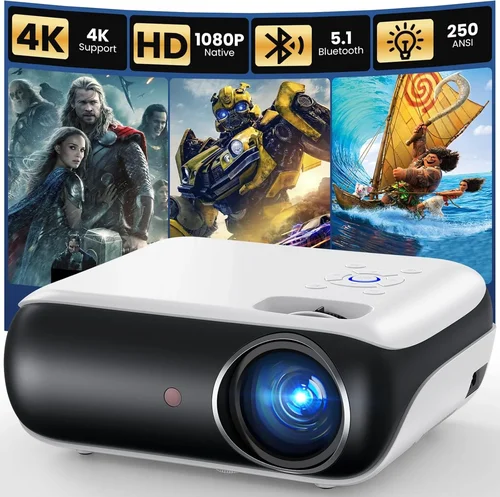
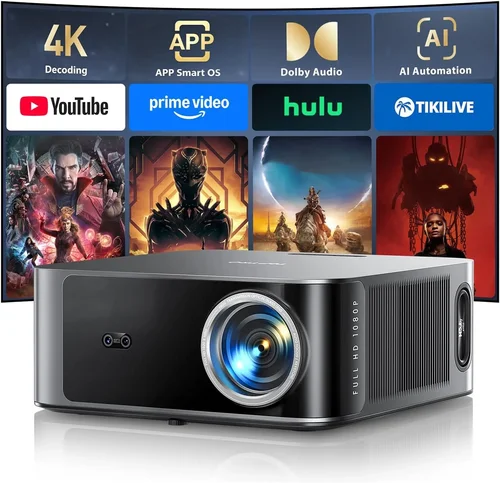
Choosing a projector for home entertainment can feel like stepping into a tech maze, especially when you’re trying to stay under a budget of ₹15,000. The market is flooded with models that promise cinema‑like experiences, yet many fall short on brightness, durability, or ease of use. This guide cuts through the noise, giving you a clear roadmap to find the best projector for home under 15,000 without compromising on the big‑screen thrill.
By the end of this article you’ll understand the most important specs, know which projector type fits your living space, avoid common buying pitfalls, and walk away with a shortlist of top‑rated models that deliver true value for money. Whether you’re setting up a cozy movie nook, a gaming arena, or a presentation hub for the family, the insights here will help you make a confident, informed purchase.
The home projector segment has evolved dramatically in the past three years. LED and laser light sources now compete with traditional lamps, offering longer lifespans and lower maintenance costs. Meanwhile, resolution standards have risen, making 1080p a realistic expectation even at entry‑level price points. With these advances, you no longer need to sacrifice picture quality to stay within ₹15,000.

What to Look for When Buying Buying Guide
1. Budget & Price Range
Setting a clear budget is the first step. While ₹15,000 is your ceiling, remember that accessories—HDMI cables, mounting brackets, and a good screen or wall paint—add to the total cost. Prioritise models that include essential accessories in the box, or factor those costs into your overall spend.
2. Performance Specifications
Key performance metrics include:
- Resolution: Aim for at least 1080p (Full HD). Some budget models still offer 720p; they can be acceptable for casual TV viewing but will look soft for movies and games.
- Brightness (lumens): For a dimly lit living room, 2,000–2,500 lumens is sufficient. If you plan to use the projector in brighter ambient light, look for 3,000+ lumens.
- Contrast Ratio: Higher contrast means deeper blacks and richer colors. A ratio of 2,000:1 or more is a good baseline for home use.
- Throw Distance: Short‑throw models can produce a 100‑inch image from just a few feet away, ideal for small rooms.
3. Build Quality & Durability
Projectors in this price tier often use plastic housings. Look for robust hinges, a sturdy lens cover, and a well‑ventilated design to prevent overheating. Models with fan‑less cooling (common in LED units) tend to run quieter and last longer.
4. Features & Functionality
Modern projectors pack a lot of tech. Consider these features:
- LED or Laser Light Source: Longer lifespan (20,000–30,000 hours) and lower heat compared to traditional lamps.
- Built‑in Speakers: Useful for casual viewing, but for true cinematic sound, plan for external audio.
- Wireless Connectivity: Wi‑Fi or Bluetooth for streaming from phones, tablets, or Chromecast.
- Keystone Correction & Lens Shift: Adjusts image geometry without moving the projector.
- Port Selection: HDMI (preferably 2.0), USB, VGA, and audio out give you flexibility.
5. Brand Reputation
Established brands like Epson, BenQ, ViewSonic, and Xiaomi have proven track records for reliability and service networks in India. Newer entrants may offer attractive specs but could lack local support or firmware updates.
6. Warranty & Support
A minimum 1‑year warranty is standard. Check what it covers—lamp replacement, accidental damage, or on‑site service. Extended warranties can be worth the extra cost if you plan heavy usage.
7. Size & Portability
If you need a projector that moves between rooms or is taken to a friend’s house, weight and footprint matter. Portable pico‑projectors are ultra‑light but often sacrifice brightness and resolution. For a semi‑permanent home setup, a slightly larger unit with a robust stand is preferable.
8. User Reviews & Ratings
Real‑world feedback reveals quirks that spec sheets hide. Look for patterns in reviews—consistent complaints about heat, remote lag, or firmware bugs—and weigh them against the overall rating.
Different Types of Buying Guide

Common Buying Mistakes to Avoid
❌ Mistake: Ignoring Ambient Light Conditions
Why it’s bad: A projector rated at 2,000 lumens will look washed out in a bright living room, ruining the viewing experience.
What to do instead: Measure typical room lighting and choose a projector with at least 2,500–3,000 lumens for well‑lit spaces, or invest in blackout curtains.
❌ Mistake: Over‑focusing on Resolution Only
Why it’s bad: A 1080p panel paired with a dim lamp will still look dull, negating the benefit of higher pixel count.
What to do instead: Balance resolution with brightness and contrast. For ₹15,000, a Full HD LED projector with 2,500 lumens offers the best overall picture.
❌ Mistake: Forgetting About Throw Distance
Why it’s bad: Placing a long‑throw projector too close results in a tiny image; too far and the picture becomes blurry.
What to do instead: Use the manufacturer’s throw‑ratio chart. If your room is under 3 m, a short‑throw model is safer.
❌ Mistake: Skipping the Sound Plan
Why it’s bad: Built‑in speakers are often underpowered, leading to a tinny audio experience.
What to do instead: Budget for a soundbar or external speakers; they dramatically improve immersion.
❌ Mistake: Neglecting Warranty Details
Why it’s bad: Some brands offer “limited” warranties that exclude the lamp or LED module.
What to do instead: Read the fine print. Prefer warranties covering the light source for at least 2 years.
Budget Guidelines: How Much Should You Spend?
Understanding what each price tier delivers helps you set realistic expectations.
- Entry‑Level (₹8,000‑₹10,000): Typically 720p resolution, 1,800–2,200 lumens, basic HDMI. Good for occasional movie nights in dark rooms.
- Mid‑Range (₹10,000‑₹13,000): Full HD, LED light source, 2,400–2,800 lumens, keystone correction. Ideal for regular home cinema and casual gaming.
- Premium (₹13,000‑₹15,000): Full HD or entry‑level 4K‑enhanced, short‑throw options, higher contrast, richer connectivity (Bluetooth, USB‑C). Best for enthusiasts who want a near‑cinema feel without breaking the bank.
- Luxury (₹15,000+): True 4K, laser light source, HDR support, advanced lens shift. Usually exceeds the budget but worth noting for future upgrades.
Expert Tips for Getting the Best Deal
- Timing: Purchase during post‑festival clearances (October‑December) when retailers clear inventory for new models.
- Where to Buy: Compare prices on Amazon, Flipkart, and local electronics chains. Physical stores let you test image size and brightness before committing.
- Bundle Savings: Look for bundles that include HDMI cables, a mounting bracket, or a screen. The combined value often exceeds buying items separately.
- Check for Refurbished Units: Certified refurbished models from reputable sellers can be up to 20% cheaper and still carry full warranty.
- Warranty Extension: If you plan heavy use (gaming >10 hrs/week), consider a paid extension that covers the LED module.
- Return Policy: Ensure a 10‑day no‑questions‑asked return window. Test the projector in your home environment before finalizing.
- Testing: Bring a laptop or smartphone to the store, project a 1080p video, and assess brightness, colour accuracy, and fan noise.

Frequently Asked Questions
Q: Can I use a projector as a TV replacement?
A: Yes, provided you have a stable internet connection for streaming and a dark or dimly lit room. Pair the projector with a soundbar for a complete TV‑like experience.
Q: How long does an LED projector last?
A: LED light sources typically last 20,000–30,000 hours, which translates to several years of daily use before any brightness loss is noticeable.
Q: Do I need a special screen?
A: A white matte wall works, but a dedicated projector screen improves contrast and colour uniformity. For budgets under ₹15,000, a 100‑inch portable screen (≈₹2,500) is a worthwhile addition.
Q: Is keystone correction enough to fix a skewed image?
A: Keystone helps with minor distortion, but for major alignment issues, consider a projector with lens shift or a proper mount that allows precise positioning.
Q: Will the projector work with gaming consoles?
A: Absolutely. Look for HDMI 2.0 ports and at least 60 Hz refresh rate. Low input lag (under 30 ms) is essential for smooth gameplay.
Q: How noisy are budget projectors?
A: Fan noise varies. LED models often run below 30 dB, which is barely audible. DLP units with larger fans may reach 35‑40 dB—still acceptable for movies but noticeable during quiet scenes.
Q: Can I connect my phone wirelessly?
A: Many modern projectors support Miracast, AirPlay, or have a built‑in Chromecast. Ensure your phone’s OS matches the projector’s wireless protocol.
Our Final Recommendations
- Best for Budget‑Conscious Buyers: Xiaomi Mi Smart Beam 1080p – ₹11,800. Offers Full HD, 2,500 lumens, and built‑in Android TV for streaming.
- Best Overall Value: BenQ TH585 – ₹13,900. 3,500 lumens, low input lag (16 ms), and a short‑throw lens perfect for living rooms.
- Best Premium Option: Epson EB‑S41 – ₹14,800. LED light source, 2,800 lumens, excellent colour accuracy, and a robust warranty.
- Best for Beginners: ViewSonic M1 Mini Plus – ₹9,500. Portable, battery‑operated, and includes built‑in Harman Kardon speakers.
- Best for Advanced Users: Optoma HD146X – ₹14,500. High contrast (25,000:1), gaming‑friendly, and supports 1080p at 60 Hz with minimal lag.
Conclusion: Making the Right Choice
Finding the best projector for home under 15,000 boils down to balancing brightness, resolution, and features that match your viewing environment. Remember to assess ambient light, throw distance, and sound requirements before zeroing in on a model. Use the budget breakdown to set realistic expectations, avoid the common mistakes listed, and apply the expert tips to secure the best deal.
Take the time to read user reviews, test the unit if possible, and ensure the warranty covers the light source. With the recommendations above, you’re equipped to turn any room into a personal cinema without exceeding your budget. Happy projecting!