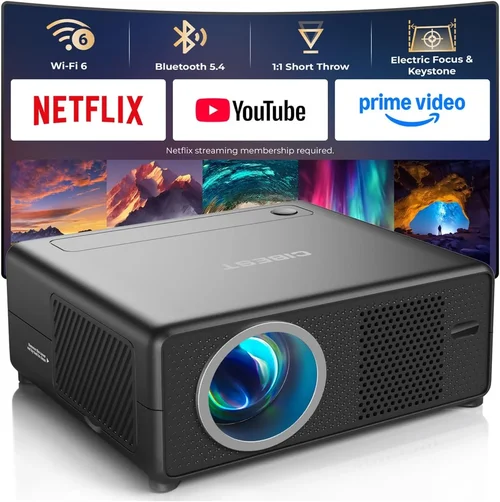
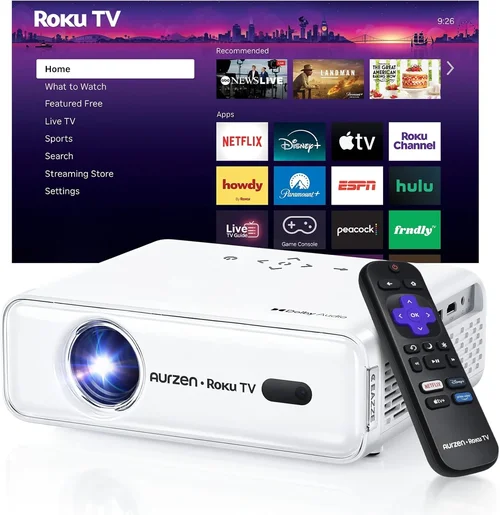
Choosing a projector under $1000 in Australia can feel like navigating a maze of specifications, brand promises, and endless online reviews. Whether you’re setting up a home cinema, a gaming den, or a portable office, the right projector can transform an ordinary room into an immersive visual experience without breaking the bank.
This guide pulls together the most important factors, real‑world comparisons, and expert tips so you can make an informed decision. By the end, you’ll know exactly what to look for, which mistakes to dodge, and which models consistently deliver the best value for Australian shoppers in 2026.

What to Look for When Buying Buying Guide
1. Budget & Price Range
Even within the sub‑$1000 bracket, prices vary widely. A $250 entry‑level unit may lack the brightness or colour accuracy you need for a bright living room, while a $950 model could offer premium features such as 4K‑enhanced resolution and HDR support. Set a realistic budget based on your primary use‑case and be prepared to stretch a little if you need higher lumens or better contrast.
2. Performance Specifications
The three pillars of projector performance are resolution, brightness (lumens), and contrast ratio. For a crisp image, aim for at least 1080p (Full HD) native resolution; many budget models use 720p but upscale via pixel‑shifting. Brightness should be measured in ANSI lumens – 2,500 – 3,000 lumens is a safe sweet spot for most Australian homes with ambient light. Contrast ratio determines how deep the blacks appear – a ratio of 10,000:1 or higher is desirable for movies.
3. Build Quality & Durability
Projectors are often moved between rooms or stored for months. Look for a robust chassis, sealed optics, and a reliable cooling system. Metal housings tend to outlast plastic ones, and models with fan‑speed sensors can adjust cooling silently when the projector is idle, extending lamp life.
4. Features & Functionality
Key features to weigh include:
- Lens shift and keystone correction: Essential for flexible placement.
- Connectivity: HDMI 2.0, USB‑C, Wi‑Fi, Bluetooth, and support for streaming sticks.
- Gaming mode: Low input lag (under 20 ms) is a must for console gamers.
- Built‑in speakers: Useful for casual viewing, though most users will add external audio.
5. Brand Reputation
Brands that consistently rank high in Australia include Epson, BenQ, ViewSonic, and Optoma. These manufacturers typically offer solid warranty terms and a network of service centres across the country. Research post‑sale support – a cheaper projector with poor after‑sales can end up costing more in the long run.
6. Warranty & Support
Standard warranties range from 1 to 3 years. Look for options that cover the lamp/laser unit, which is the most expensive component to replace. Some retailers provide extended warranties or on‑site service, which can be a lifesaver if you rely on the projector for regular work presentations.
7. Size & Portability
If you need a projector that travels – for backyard movies or business trips – weight and footprint matter. Pico‑projectors can fit in a pocket but usually sacrifice brightness, while mid‑range throw models offer a balance of portability and performance.
8. User Reviews & Ratings
Australian consumers often discuss power compatibility (240 V) and local warranty quirks on forums like Whirlpool and ProductReview.com.au. Scan multiple sources to spot recurring issues such as overheating or firmware glitches before you commit.
Different Types of Buying Guide

Common Buying Mistakes to Avoid
❌ Mistake: Focusing Solely on Price
Why it’s bad: The cheapest unit often lacks the brightness or warranty needed for Australian lighting conditions.
What to do instead: Set a minimum brightness threshold (2,500 lumens) and compare features before looking at price tags.
❌ Mistake: Ignoring Lamp or Laser Life
Why it’s bad: Replacing a lamp can cost $150‑$250, quickly eroding any savings.
What to do instead: Choose models with at least 5,000‑hour laser sources or lamps rated for 4,000+ hours.
❌ Mistake: Overlooking Input Lag for Gaming
Why it’s bad: High lag (>30 ms) makes fast‑paced games unplayable.
What to do instead: Verify the projector’s gaming mode specs or look for independent lag tests.
❌ Mistake: Forgetting About Throw Distance
Why it’s bad: A standard‑throw projector may need a 3‑metre distance, impossible in small apartments.
What to do instead: Measure your room and choose short‑throw or ultra‑short‑throw models accordingly.
❌ Mistake: Assuming All HDMI Ports Are Equal
Why it’s bad: Some budget units only have HDMI 1.2, limiting 4K/60 Hz support.
What to do instead: Confirm the HDMI version (2.0 or higher) for modern console compatibility.
Budget Guidelines: How Much Should You Spend?
- Entry‑Level ($250‑$450): Typically 720p, 2,000 lumens, basic connectivity. Suitable for occasional movie nights in dark rooms.
- Mid‑Range ($450‑$750): Full HD, 2,500‑3,000 lumens, improved contrast, basic keystone correction. Great for versatile home use.
- Premium ($750‑$1,000): 1080p or 4K‑enhanced, 3,000+ lumens, high contrast, low input lag, advanced lens shift. Ideal for cinephiles and gamers.
- Luxury ($1,000+): True 4K, laser light source, HDR10+, ultra‑short‑throw. While beyond the guide’s price cap, these models set the benchmark for future upgrades.
Expert Tips for Getting the Best Deal
- Timing: Purchase during major sales events (Black Friday, Cyber Monday) or during the Australian winter when home‑theater demand spikes.
- Where to buy: Compare prices on platforms like JB Hi‑Fi, Harvey Norman, and online giants such as Kogan and Amazon AU. Check for price‑match guarantees.
- Spotting deals: Look for bundles that include a screen, HDMI cable, or a spare lamp – these can add up to $150‑$200 of value.
- Warranty considerations: Register your projector within 30 days to activate the full warranty period. Keep the receipt and serial number handy.
- Return policies: Ensure a minimum 14‑day return window; some stores offer a 30‑day “no‑questions‑asked” policy for electronics.
- Testing before buying: If possible, view a demo in a well‑lit area. Bring a laptop or console to check image quality and lag.
- Future‑proofing: Opt for HDMI 2.0 or higher, and verify support for HDR10 or HLG if you plan to stream 4K content later.

Frequently Asked Questions
Q: Can I use a projector under $1000 in a bright living room?
A: Yes, but you’ll need a model with at least 3,000 lumens and good contrast. Look for high‑gain screens or blackout curtains to improve perceived brightness.
Q: Are laser projectors worth the extra cost?
A: Laser light sources last longer (up to 20,000 hours) and maintain colour accuracy over time, making them a smart investment if you plan heavy usage.
Q: Do I need a separate sound system?
A: Built‑in speakers are adequate for casual viewing, but for true home‑cinema immersion, pair the projector with a soundbar or a 5.1 surround system.
Q: How far should the projector be from the screen?
A: It depends on the throw ratio. A standard‑throw projector (1.5‑2.0) needs roughly 2‑3 m for a 100‑inch image, while short‑throw models can achieve the same size from 0.5‑1 m.
Q: Is a 4K projector necessary for gaming?
A: Not strictly. Many gamers prioritize low input lag and high refresh rates over native 4K. A 1080p projector with good upscaling can still deliver sharp images at 60 Hz.
Q: What lamp life should I expect?
A: Traditional lamps last 3,000‑5,000 hours, while laser units can exceed 20,000 hours. Factor lamp replacement cost into the total cost of ownership.
Q: Can I mount the projector on the ceiling?
A: Absolutely. Ensure the model supports lens shift and has a compatible mounting pattern (usually 100 mm). Professional installation can guarantee optimal alignment.
Our Final Recommendations
- Best for Budget‑Conscious Buyers: BenQ TH585 – 3,500 lumens, 1080p, 16 ms game mode, under $550.
- Best Overall Value: Epson Home Cinema 2150 – 2,500 lumens, 1080p, lens shift, wireless screen mirroring, priced around $720.
- Best Premium Option: Optoma UHD38 – 4,000 lumens, true 4K, 8 ms input lag, HDR10, at $980.
- Best for Beginners: ViewSonic M2 – Portable, LED light source, 1,200 lumens, built‑in Harman Kardon speakers, $650.
- Best for Advanced Users: LG HU80KA – Ultra‑short‑throw, 2,500 lumens, 4K, AI‑enhanced picture, $1,000 (just at the ceiling of our range).
Conclusion: Making the Right Choice
Buying a projector under $1000 in Australia is about balancing brightness, resolution, and features against your specific environment and usage patterns. Remember to set a realistic brightness floor, verify lamp or laser longevity, and check for low input lag if gaming is a priority.
Take the time to read user reviews, compare warranty terms, and, if possible, see the projector in action before you buy. With the right research, you’ll enjoy cinematic evenings, immersive gaming sessions, and professional presentations without overspending.
Ready to upgrade your viewing experience? Explore the models above, check current Australian retailers for the best deals, and bring the big‑screen magic home today.