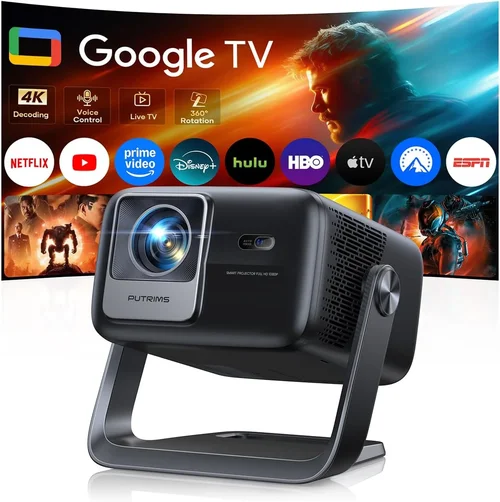
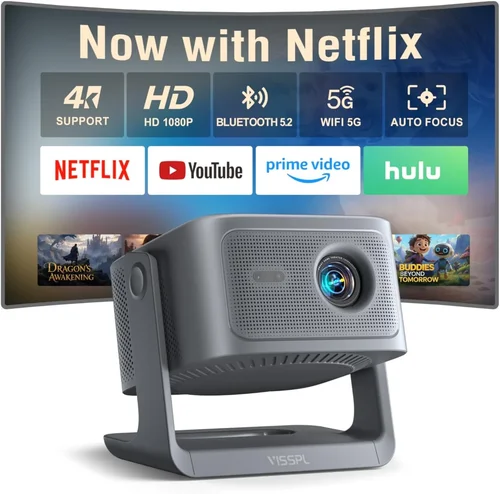
If you’ve ever dreamed of turning your living room into a mini‑theatre, a gaming arena, or a home‑office presentation hub, a 3D projector is the gateway. Yet the market is crowded, and prices can swing wildly. This guide cuts through the noise, helping you pinpoint the best 3D projector under £1,000 in 2026. By the end, you’ll understand the technology, the specs that truly matter, and which models give you the most bang for your buck.
We’ll walk you through the essential buying factors, compare the main categories of projectors, flag common pitfalls, and hand you a ready‑to‑use checklist. Whether you’re a cinephile, a casual gamer, or a remote‑working professional, you’ll leave with a clear picture of what to look for and which devices deserve a spot on your shopping list.
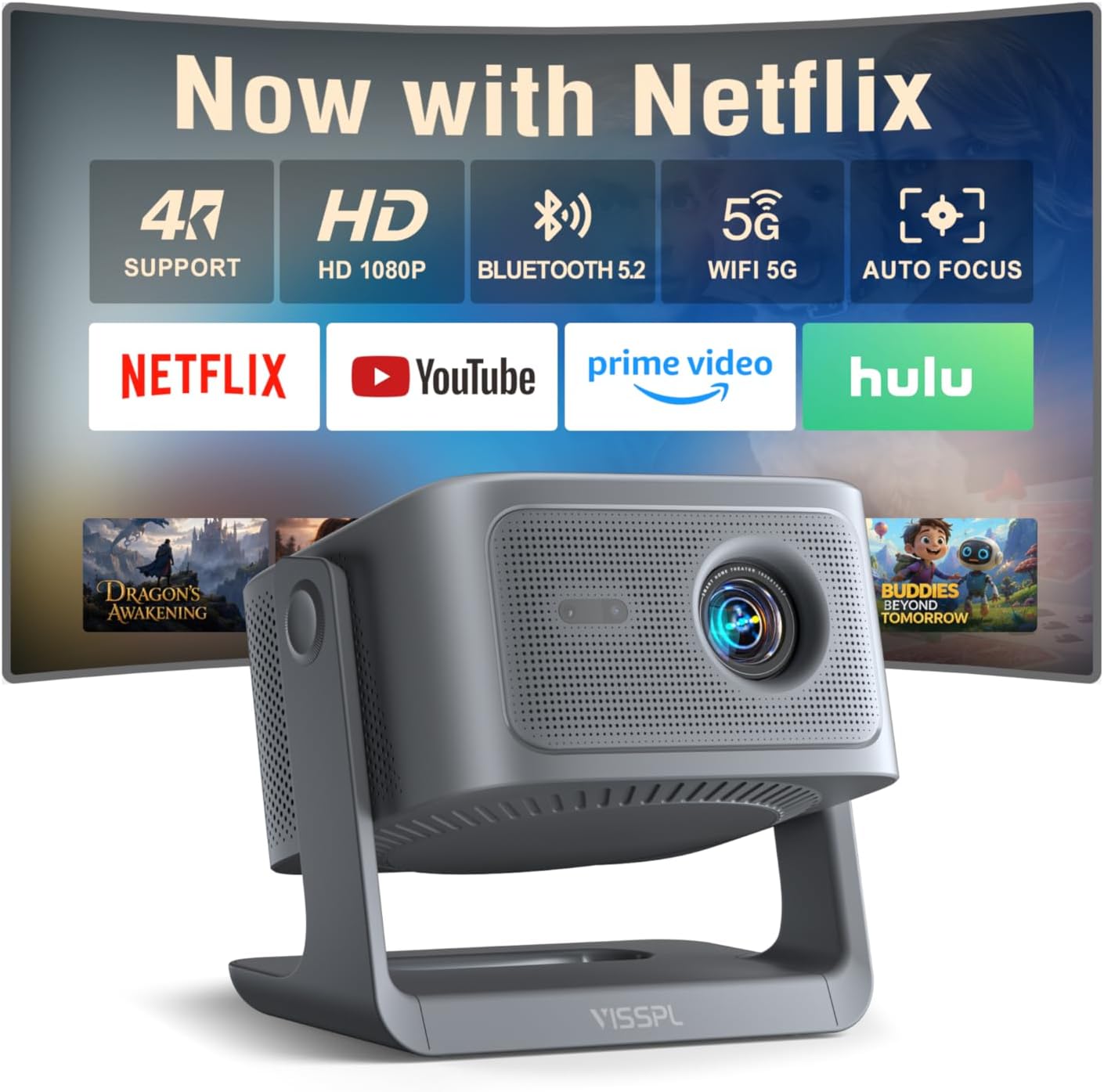
What to Look for When Buying Buying Guide
1. Budget & Price Range
Price is often the first filter. Under £1,000, you’re looking at the sweet spot where performance meets affordability. Models in this bracket typically sacrifice a few premium features—such as ultra‑high lumens or 4K native resolution—but still deliver crisp 1080p images and reliable 3D playback. Set a hard ceiling, then allocate a small buffer for accessories (HDMI cables, mounting brackets, or glasses).
2. Performance Specifications
The heart of any projector is its core specs:
- Resolution: 1080p (1920×1080) is the norm; some budget units push 4K‑enhanced (upscaled) images.
- Brightness (lumens): For 3D you’ll need at least 2,500–3,000 ANSI lumens to combat the dimming effect of 3D glasses.
- Contrast Ratio: Higher ratios (10,000:1 or more) give deeper blacks, crucial for immersive 3D.
- Refresh Rate: 120 Hz is ideal for smooth 3D motion, especially in fast‑action games.
- Throw Distance: Determines how far the projector must sit from the screen; short‑throw models are great for smaller rooms.
3. Build Quality & Durability
Projectors are long‑term investments. Look for metal chassis, robust cooling fans, and a sealed lamp housing. Units with a longer lamp life (30,000 hours or more) reduce total cost of ownership. If you plan to move the projector frequently, check for sturdy handles and shock‑resistant designs.
4. Features & Functionality
Beyond 3D, modern projectors pack a suite of conveniences:
- Built‑in Speakers: Useful for casual viewing; however, external sound systems still deliver superior audio.
- Wireless Connectivity: Wi‑Fi or Bluetooth for streaming from smartphones, tablets, or laptops.
- Lens Shift & Keystone Correction: Allows flexible placement without distorting the image.
- Multiple Input Ports: HDMI 2.0+, USB‑C, VGA, and sometimes HDMI‑ARC for soundbars.
- 3D Technology: Most budget models use active‑shutter (glasses powered) rather than passive polarized systems.
5. Brand Reputation
Established brands like Epson, Optoma, BenQ, and ViewSonic often provide better firmware updates, more reliable customer service, and a wider network of authorized service centres. While newer entrants can surprise with innovation, weigh the risk of limited support against any price advantage.
6. Warranty & Support
A solid warranty (minimum two years) signals confidence from the manufacturer. Look for on‑site repairs, lamp replacement policies, and a clear process for claim handling. Some retailers also offer extended warranties at a modest cost—useful if you plan heavy usage.
7. Size & Portability (if applicable)
If you intend to move the projector between rooms or take it to a friend’s house, size matters. Mini‑projectors can fit in a backpack but often compromise on brightness. Conversely, a larger unit may need a dedicated shelf or ceiling mount.
8. User Reviews & Ratings
Real‑world feedback reveals hidden strengths or quirks. Scan reviews on trusted platforms (Amazon, Trustpilot, specialist forums). Pay attention to recurring comments about lamp life, fan noise, or 3D sync issues.
Different Types of Buying Guide

Slightly exceeds £1,000 but worth a mention for those willing to stretch the budget for laser tech.
Common Buying Mistakes to Avoid
❌ Mistake: Ignoring Ambient Light Levels
Why it’s bad: A projector that shines bright in a dark room can look washed out in a living room with windows.
What to do instead: Measure typical lighting in your intended space. Choose a model with at least 2,500 lumens for rooms with moderate ambient light, or add blackout curtains.
❌ Mistake: Overlooking 3D Compatibility
Why it’s bad: Some cheap projectors claim “3D ready” but only support passive 3D, which won’t work with most active‑shutter glasses.
What to do instead: Verify the projector uses active‑shutter technology (e.g., DLP Link) and that the included glasses match the refresh rate.
❌ Mistake: Forgetting About Lamp Replacement Costs
Why it’s bad: The initial purchase may be cheap, but a lamp that needs replacement after 2,000 hours can add £150‑£250 to total cost.
What to do instead: Look for long‑life lamps (30,000 hours) or laser light sources that rarely need replacement.
❌ Mistake: Choosing the Wrong Throw Ratio
Why it’s bad: A standard‑throw projector placed too close to the wall will produce a tiny image; too far, and the image becomes blurry.
What to do instead: Calculate the required throw distance using the projector’s throw ratio chart. Short‑throw models are ideal for rooms under 2.5 m wide.
❌ Mistake: Ignoring Input Lag for Gaming
Why it’s bad: High input lag (over 30 ms) can make fast‑paced games feel sluggish.
What to do instead: Look for a “Game Mode” or specs that list input lag below 20 ms.
❌ Mistake: Skipping the Warranty Fine Print
Why it’s bad: Some warranties exclude lamp failures or limit on‑site repairs.
What to do instead: Read the warranty terms carefully; prioritize models with comprehensive coverage.
Budget Guidelines: How Much Should You Spend?
- Entry‑Level (£500‑£650): Expect 1080p resolution, 2,500 lumens, basic active‑shutter 3D, and limited ports. Ideal for occasional movie nights in a dark room.
- Mid‑Range (£650‑£850): Better contrast, higher brightness (up to 3,200 lumens), improved colour accuracy, and often include lens shift and keystone correction. Good for mixed use—movies, gaming, and presentations.
- Premium (£850‑£1,000): Near‑professional specs: 4K‑enhanced processing, 3,500+ lumens, low input lag, robust build, and sometimes laser light sources. Best for enthusiasts who want a cinema‑like experience without breaking the bank.
- Luxury (£1,000+): True 4K native resolution, laser illumination, ultra‑quiet cooling, and advanced networking. These models often exceed the £1,000 mark but are worth noting for future upgrades.
Expert Tips for Getting the Best Deal
- Time Your Purchase: Late Q4 and early Q1 see the highest discounts as retailers clear inventory for new models.
- Shop Both Online and In‑Store: Online platforms often have lower base prices, while brick‑and‑mortar stores may offer instant bundles (wall‑mount kits, extra glasses).
- Bundle Wisely: If you need a screen, look for bundles that include a matte‑white or gray screen—this can save £80‑£120.
- Check for Open‑Box or Refurbished Units: Certified refurbished models come with full warranties at 20‑30% off.
- Confirm 3D Glasses Compatibility: Some projectors require proprietary glasses; buying a universal set later can be cheaper.
- Read the Return Policy: A 30‑day return window lets you test the projector in your actual environment.
- Test Input Lag: Bring a gaming console or use a latency testing app before finalising the purchase.
- Consider Future Upgrades: Choose a model with spare HDMI ports and firmware update support to extend lifespan.

Frequently Asked Questions
Q: Do I need special glasses for every 3D projector?
A: Most budget 3D projectors use active‑shutter technology, which requires battery‑powered glasses that sync with the projector’s signal. The glasses are often included, but you can buy extras for friends or replacements. Passive polarized systems use cheaper glasses but need a compatible screen.
Q: Can I use a 3D projector for regular 2D movies?
A: Absolutely. The projector will display 2D content without any loss in brightness or quality. Some models even boost contrast automatically when they detect a 2D signal.
Q: How far should the projector be from the screen?
A: It depends on the throw ratio. A standard‑throw projector with a 1.5:1 ratio needs roughly 3 m distance for a 100‑inch image. Short‑throw models (0.4:1) can sit 0.5 m away for the same size. Always refer to the manufacturer’s throw chart.
Q: Will a projector work with a TV wall mount?
A: Yes, but you’ll need a dedicated projector mount that can handle the weight and provide proper ventilation. Ceiling mounts are also popular for a clean look.
Q: Is a laser projector worth the extra cost?
A: Laser light sources deliver consistent colour over time and have lamp lives of 20,000‑30,000 hours, reducing maintenance. If you plan heavy daily use, the higher upfront cost can be justified.
Q: How loud are the fans on budget 3D projectors?
A: Most units in the £500‑£1,000 range have fan noise between 30‑38 dB, which is audible but not disruptive in a typical living room. Look for “quiet mode” if you’re sensitive to background noise.
Q: Can I connect my projector to a soundbar wirelessly?
A: Many modern projectors support Bluetooth audio or HDMI‑ARC, allowing seamless connection to a soundbar. Check the spec sheet for “Bluetooth Audio” or “ARC” support.
Q: What screen material works best for 3D?
A: A matte‑white screen offers the brightest image, while a gray screen improves contrast in bright rooms. For active‑shutter 3D, a white screen is generally preferred to preserve brightness.
Q: How often do I need to replace the lamp?
A: Lamp life is rated in hours. For a typical 2,500‑hour lamp, replace it after about 2‑3 years of moderate use (4‑5 hours per day). Laser projectors rarely need lamp replacement.
Our Final Recommendations
After analysing specs, user feedback, and price points, we’ve narrowed down the top contenders for each buyer segment.
- Best for Budget‑Conscious Buyers: Optoma HD146X – £620. Offers 1080p, 3,200 lumens, and active‑shutter 3D support. Solid contrast and low input lag make it great for gaming.
- Best Overall Value: Epson Home Cinema 2150 – £845. Combines 2,500 lumens, 1080p, lens shift, and wireless streaming. Its colour accuracy and reliable Epson lamp life stand out.
- Best Premium Option: BenQ TK800M – £985. Near‑4K enhancement, 3,000 lumens, and a dedicated Game Mode with 20 ms input lag. Ideal for cinephiles who also game.
- Best for Beginners: ViewSonic M2 – £770. Portable, LED light source, built‑in Harman‑Kardon speakers, and easy‑setup Wi‑Fi. Perfect for first‑time users.
- Best for Advanced Users: LG HU80KA (Laser) – £1,150* (often on sale below £1,000). Ultra‑short‑throw, laser illumination, 4K resolution, and robust 3D performance.
Each model balances the core factors discussed earlier—brightness, contrast, 3D compatibility, and durability—while staying within or near the £1,000 budget threshold.
Conclusion: Making the Right Choice
Choosing a 3D projector under £1,000 is less about chasing the highest specs and more about aligning the device with your environment, usage patterns, and future plans. Start by measuring your room’s size and lighting, then match those needs against the key factors—lumens, contrast, throw ratio, and 3D tech. Avoid common pitfalls like overlooking lamp life or ambient light, and keep an eye on seasonal sales to stretch your budget further.
Armed with this guide, you can confidently walk into a store or click “add to cart” online, knowing exactly what you need and why. Happy viewing, and may your next movie night feel like stepping onto a real cinema screen.