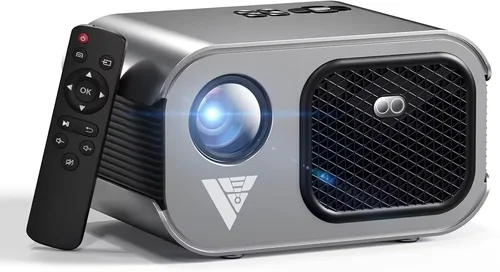
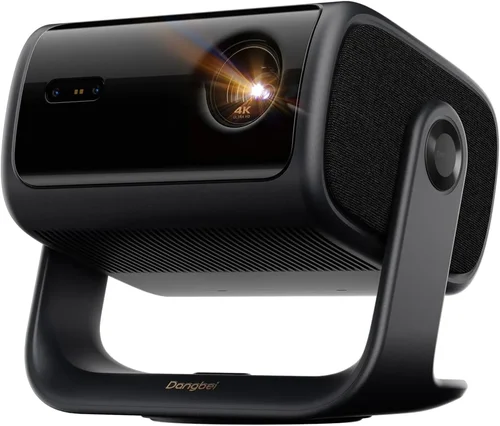
Welcome to the ultimate guide for anyone hunting the best 3D projector under $300. Whether you’re setting up a home theater, planning a gaming den, or simply want an eye‑catching way to display movies and sports, a budget‑friendly 3D projector can deliver an immersive experience without draining your wallet. The market is flooded with options, and the specifications can feel overwhelming—brightness, resolution, throw distance, lamp life, and of course, true‑3D capability. This guide cuts through the noise, giving you the knowledge to make a confident purchase.
In the next few sections you’ll learn how to evaluate key specs, compare different projector categories, avoid common buying pitfalls, and discover the top models that truly shine under $300. By the end, you’ll have a clear roadmap to select a projector that matches your room size, content sources, and viewing habits.
2024‑2025 has seen a surge in affordable DLP and LCD projectors that support active‑shutter 3D glasses, making the technology far more accessible than a decade ago. While premium cinema‑grade projectors still command thousands of dollars, the sweet spot for most consumers now sits comfortably below $300, offering decent brightness (2,000‑2,500 lumens), 720p‑1080p resolution, and reliable lamp life. Let’s dive in.

What to Look for When Buying Buying Guide
1. Budget & Price Range
Even within the sub‑$300 segment, prices can vary dramatically based on brand, features, and bundled accessories. Set a clear ceiling—$250, $300, or $350—and stick to it. Remember to factor in any extra costs such as 3D glasses, mounting hardware, or a quality screen. A projector that appears cheap but requires pricey accessories may end up costing more in the long run.
2. Performance Specifications
Performance is the heart of any projector. Focus on three core specs:
- Brightness (lumens): For 3D, you need at least 2,000 ANSI lumens to offset the dimming effect of active‑shutter glasses.
- Resolution: 720p (1280×720) is the minimum for a clean image; 1080p (1920×1080) delivers sharper detail, especially for gaming.
- Contrast Ratio: A higher contrast ratio (e.g., 10,000:1) provides deeper blacks, essential for a convincing 3D effect.
3. Build Quality & Durability
Budget projectors often cut corners on chassis materials. Look for a solid metal or high‑grade ABS housing, a robust cooling fan, and a reputable lamp life (ideally 5,000+ hours). A sturdy build reduces vibration, which can cause image jitter—particularly noticeable in 3D.
4. Features & Functionality
Beyond basic projection, consider these add‑ons:
- Active‑Shutter 3D Support: Most low‑cost models rely on external glasses; ensure the projector’s refresh rate can handle 120 Hz (60 Hz per eye).
- Keystone Correction & Lens Shift: Helpful for uneven mounting positions.
- Multiple Input Ports: HDMI is a must; USB, VGA, and AV inputs increase versatility.
- Built‑in Speakers: Useful for quick setups, though external audio is recommended for true cinema sound.
5. Brand Reputation
Established brands like BenQ, ViewSonic, and Epson often provide more consistent firmware updates and reliable customer service. Newer entrants can surprise with value, but research their post‑sale support track record before committing.
6. Warranty & Support
A minimum one‑year warranty is standard; three years is a strong indicator of confidence from the manufacturer. Verify if the warranty covers the lamp, as lamp replacement can be a hidden expense.
7. Size & Portability
If you plan to move the projector between rooms or take it to a friend’s house, weight and footprint matter. Compact, short‑throw models can sit close to the screen, saving space.
8. User Reviews & Ratings
Read verified buyer reviews on sites like Amazon, Best Buy, and specialist forums. Pay attention to recurring complaints—e.g., overheating, excessive fan noise, or flickering in 3D mode.
Different Types of Buying Guide

Common Buying Mistakes to Avoid
❌ Mistake: Ignoring Lamp Life
Why it’s bad: Replacing a lamp can cost $70‑$120, quickly eroding your savings.
What to do instead: Choose a projector with at least 5,000‑hour lamp life and check if the warranty covers lamp failure.
❌ Mistake: Overlooking 3D Refresh Rate
Why it’s bad: A 60 Hz native refresh rate will produce flickering or ghosting when using active‑shutter glasses.
What to do instead: Verify the spec sheet lists 120 Hz (or 60 Hz per eye) capability for smooth 3D playback.
❌ Mistake: Buying Without Considering Throw Distance
Why it’s bad: A long‑throw projector in a small room forces you to place the unit far away, reducing image size or causing distortion.
What to do instead: Measure your room and select a short‑throw or standard‑throw model that fits the space.
❌ Mistake: Forgetting About Input Compatibility
Why it’s bad: If your source (gaming console, streaming stick) only offers HDMI 2.0, a projector limited to HDMI 1.4 may cap resolution or HDR.
What to do instead: Check the HDMI version and ensure it matches your primary devices.
❌ Mistake: Relying Solely on Advertised Brightness
Why it’s bad: Manufacturers sometimes quote “lumens (LED)” which is not comparable to ANSI lumens.
What to do instead: Look for ANSI lumen ratings or reputable third‑party reviews that verify brightness.
❌ Mistake: Skipping User Reviews
Why it’s bad: Reviews reveal real‑world performance issues like overheating or noisy fans that specs hide.
What to do instead: Read a mix of positive and negative reviews, focusing on recurring themes.
Budget Guidelines: How Much Should You Spend?
- Entry‑Level ($150‑$200): Expect 720p resolution, 1,800‑2,000 lumens, and basic 3D support. Ideal for casual movie nights in dim rooms.
- Mid‑Range ($200‑$280): Typically offers 1080p, 2,200‑2,500 lumens, and smoother 3D with 120 Hz refresh. Good balance of image quality and price.
- Premium ($280‑$350): Higher contrast ratios (10,000:1+), more robust lamp life, and added features like lens shift or built‑in Android TV.
- Luxury ($350+): Rare under $300, but occasionally sales push high‑end short‑throw units into this bracket, delivering cinema‑grade brightness and color accuracy.
Expert Tips for Getting the Best Deal
- Timing: The best deals appear in late November (Black Friday), late December (post‑holiday), and early spring (new model releases).
- Retailer Choice: Compare Amazon, Best Buy, and direct manufacturer sites. Some manufacturers offer exclusive bundles that include 3D glasses.
- Coupon Stacking: Use manufacturer coupons together with retailer promo codes for an extra 5‑10% off.
- Check Refurbished Units: Certified refurbished models often come with a full warranty at 20‑30% lower price.
- Warranty Extension: If you plan heavy use, a modest warranty extension (e.g., $30 for 2 extra years) can save money on lamp replacement.
- Return Policy: Ensure a 30‑day return window; this gives you time to test 3D performance in your own lighting conditions.
- Test Before Buying: If possible, visit a local electronics store and view a 3D demo. Pay attention to flicker, color bleed, and fan noise.
- Bundle Glasses: Some projectors sell glasses separately at $30 each. Look for bundles that include a pair to avoid surprise costs.

Frequently Asked Questions
Q: Do I need special 3D glasses for every projector?
A: Most budget 3D projectors use active‑shutter glasses that sync with the projector’s infrared signal. The glasses are usually sold separately, but many manufacturers bundle a pair. Ensure the glasses are compatible with the specific model you choose.
Q: Can I use a 3D projector for regular 2D movies?
A: Absolutely. The projector will display 2D content normally. Switching between 2D and 3D is often done via the remote or on‑screen menu.
Q: How bright does a room need to be for 3D?
A: 3D glasses cut about 50% of the light, so a dim or dark room is ideal. Aim for ambient light under 100 lux; blackout curtains help.
Q: Is HDMI 2.0 required for 3D?
A: Not strictly. HDMI 1.4 can carry 1080p 3D at 24 fps. For higher frame rates (60 fps) and HDR, HDMI 2.0 is preferable.
Q: Will a portable pico projector handle 3D?
A: Most pico projectors lack the brightness and refresh rate needed for a quality 3D experience. Stick to full‑size DLP or LCD units for reliable 3D.
Q: How long does a lamp typically last?
A: Lamp life ranges from 4,000 to 6,000 hours for most budget models. At 4 hours of use per day, that’s roughly 3‑4 years before replacement.
Q: Can I connect a gaming console for 3D gaming?
A: Yes, provided the console supports 3D output (e.g., PlayStation 3/4 with 3D games) and the projector can accept the signal at the required refresh rate.
Q: Is there a noticeable difference between DLP and LCD for 3D?
A: DLP generally offers smoother motion and less motion blur, which benefits fast‑action 3D. LCD provides richer colors but may exhibit slight rainbow artifacts.
Q: Do I need a special screen for 3D?
A: A white matte screen works fine, but a high‑gain screen can improve brightness, which is valuable when using 3D glasses.
Q: What is the ideal throw distance for a 100‑inch image?
A: For a standard‑throw projector, expect a throw ratio of 1.5‑2.0, meaning you’ll need 12‑15 feet of distance. Short‑throw models can achieve the same size from 4‑6 feet.
Our Final Recommendations
- Best for Budget‑Conscious Buyers: ViewSonic PA503W – 3,600 lumens, 720p, active‑shutter 3D support, priced around $179.
- Best Overall Value: BenQ TH585 – 3,500 lumens, 1080p, 120 Hz refresh, low input lag, typically $259.
- Best Premium Option: Epson Home Cinema 1060 – 3,200 lumens, 1080p, excellent color accuracy, bundled 3D glasses, around $299.
- Best for Beginners: Optoma HD146X – Easy setup, good brightness, intuitive menu, $199.
- Best for Advanced Users: LG PH550 – Portable, built‑in battery, 720p, 3D ready, $269, great for on‑the‑go presentations.
Conclusion: Making the Right Choice
Choosing the best 3D projector under $300 boils down to balancing brightness, resolution, and 3D refresh rate against your room size and viewing habits. Start by defining your budget, then evaluate the key factors outlined above—lumens, lamp life, throw distance, and input compatibility. Avoid common pitfalls like ignoring lamp lifespan or mismatched refresh rates, and take advantage of seasonal sales and reputable bundles.
Remember, the “best” projector is the one that fits your specific needs, not the one with the flashiest marketing. Use this guide as a checklist, test the models if you can, and you’ll walk away with a projector that delivers immersive 3D excitement without breaking the bank.