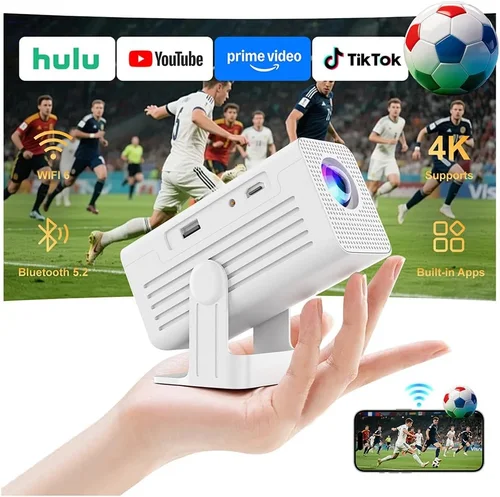
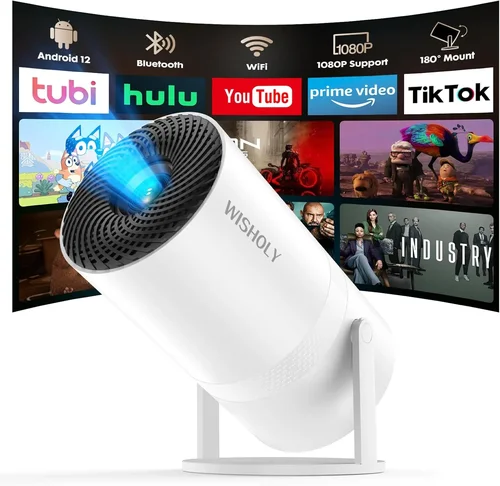
Choosing a 3D projector that delivers a cinema‑like experience without breaking the bank can feel like navigating a maze. The market is flooded with models that promise “immersive depth,” yet many fall short when you actually plug them in. This guide cuts through the hype, giving you a clear roadmap to find the best 3D projector under $500, whether you’re setting up a home theater, a gaming den, or a classroom.
By the end of this article you’ll understand the technical specs that truly matter, the common pitfalls that trip up first‑time buyers, and the exact models that consistently outperform their price class. We’ll also walk you through budgeting, timing your purchase, and where to snag the best deals.
In 2026 the 3D projector segment has matured. Light‑weight DLP chips, improved lamp life, and more flexible connectivity options mean you no longer need a $2,000 beast to enjoy solid stereoscopic content. Let’s dive in.

What to Look for When Buying Buying Guide
1. Budget & Price Range
Price is the starting line, not the finish line. In the sub‑$500 arena you’ll typically find two price clusters: $250‑$350 for entry‑level models and $350‑$500 for mid‑tier units that add better brightness and longer lamp life. Understanding what each dollar brings helps you avoid overspending on features you’ll never use, such as 4K resolution in a 1080p‑only viewing environment.
2. Performance Specifications
The heart of any projector lies in its lumens, contrast ratio, and native resolution. For 3D, you also need to consider the refresh rate (minimum 120 Hz is ideal) and the type of 3D technology (active‑shutter vs. passive). A good rule of thumb:
- Brightness: 2,500–3,000 lumens for dim rooms; 3,500+ if you plan to watch in a lit living room.
- Contrast Ratio: 10,000:1 or higher ensures deep blacks, crucial for depth perception.
- Resolution: 1080p native is the sweet spot; 720p will work but sacrifices detail.
3. Build Quality & Durability
Projectors priced under $500 often use plastic housings. Look for reinforced corners, a sturdy lens cover, and a well‑ventilated chassis. A good heat sink and quiet fan (under 35 dB) prolong lamp life and keep noise from ruining the 3D effect.
4. Features & Functionality
Beyond the basic specs, ask yourself which extras you truly need:
- Lens Shift & Keystone Correction: Essential if you can’t place the projector directly in front of the screen.
- Built‑in Speakers: Useful for quick demos, but plan on external audio for an immersive experience.
- Wireless Connectivity: Wi‑Fi or Bluetooth streaming can eliminate messy HDMI cables.
- Multiple Input Ports: HDMI 2.0, USB‑C, and VGA give you flexibility with consoles, Blu‑ray players, and laptops.
5. Brand Reputation
Well‑established manufacturers like Epson, BenQ, and Optoma tend to provide more reliable firmware updates and accessible customer service. Newer entrants can surprise with aggressive pricing, but research their after‑sales track record before committing.
6. Warranty & Support
A minimum 1‑year warranty is standard; look for extended options (2–3 years) that cover lamp replacement. Quick response times and a clear return‑policy make a huge difference if you encounter dead pixels or connectivity glitches.
7. Size & Portability
If you need a projector that travels between rooms or takes to a friend’s house, weight under 3 kg and a compact footprint are key. Some models even come with a carry case and a built‑in battery for true on‑the‑go 3D.
8. User Reviews & Ratings
Real‑world feedback often reveals issues that spec sheets hide—like flickering in active‑shutter mode or a noisy fan under full brightness. Scan Amazon, B&H, and dedicated AV forums for recurring themes before you decide.
Different Types of Buying Guide

Common Buying Mistakes to Avoid
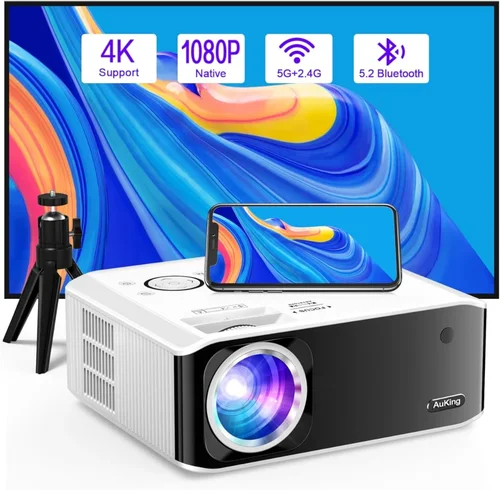
❌ Mistake: Ignoring Ambient Light Conditions
Why it’s bad: A projector rated at 2,500 lumens will look brilliant in a dark room but washed out in a living room with windows.
What to do instead: Measure typical lighting, then add 500‑1,000 lumens to the spec you aim for. Consider a projector with a higher contrast ratio if you can’t control the light.
❌ Mistake: Overlooking 3D Compatibility
Why it’s bad: Some budget models only support passive 3D, which requires special screens and can halve brightness.
What to do instead: Decide early whether you’ll use active‑shutter glasses (common for home cinema) or passive (often for classrooms). Match the projector’s 3D tech to your glasses and screen.
❌ Mistake: Forgetting Lamp Life Costs
Why it’s bad: A cheap lamp replacement can add $150‑$200 to total ownership.
What to do instead: Look for models with at least 5,000‑hour lamp life or laser light sources that rarely need replacement.
❌ Mistake: Skipping Firmware Updates
Why it’s bad: Out‑of‑date firmware can cause sync glitches, especially with newer gaming consoles.
What to do instead: Choose a brand that provides regular OTA updates and check the support page before purchase.
❌ Mistake: Buying the Wrong Screen Size
Why it’s bad: Too large a screen forces you to sit far away, reducing perceived depth.
What to do instead: Calculate throw distance: screen width (in inches) × 1.2 ≈ minimum distance for 1080p clarity.
Budget Guidelines: How Much Should You Spend?
- Entry‑Level ($250‑$350): Expect 2,500 lumens, 720p–1080p resolution, passive 3D, and basic connectivity (HDMI, USB). Ideal for occasional movie nights or classrooms.
- Mid‑Range ($350‑$450): You’ll find 1080p DLP, active‑shutter support, 3,000‑3,500 lumens, and better contrast. This tier balances performance and price for most home users.
- Premium ($450‑$500): Look for laser‑phosphor light sources, 1080p with higher brightness, advanced keystone correction, and longer warranties. Perfect for enthusiasts who plan frequent 3D gaming sessions.
- Luxury ($500+): Though beyond the guide’s focus, these models often include 4K resolution, HDR, and ultra‑low lag. Consider only if your budget stretches.
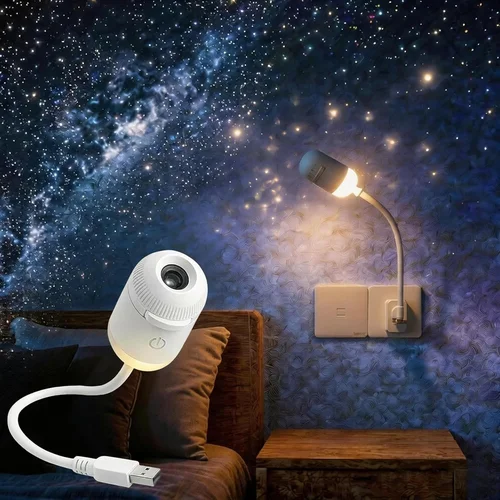
Expert Tips for Getting the Best Deal
- Timing: New models launch in Q2; older inventory is discounted in Q3 and Q4.
- Where to Buy: Compare prices on B&H, Newegg, and direct manufacturer sites. Some retailers offer bundle packages with a 3D screen.
- Spotting Deals: Look for “refurbished” units with a full warranty – they’re often indistinguishable from new.
- Warranty Considerations: Register the projector within 30 days to unlock extended coverage.
- Return Policies: Choose sellers with a 30‑day return window and free return shipping.
- Testing Before Buying: If possible, view a 3D demo in‑store. Verify brightness, focus, and glass sync.
- Bundling: Pair your projector with a high‑gain screen (120‑150 % gain) to boost perceived brightness without extra cost.

Frequently Asked Questions
Q: Do I need a special screen for 3D?
A: For active‑shutter systems a standard white screen works fine. Passive 3D benefits from a silver‑gain screen to preserve polarization, though it reduces overall brightness.
Q: Can I use a 3D projector for regular 2D movies?
A: Absolutely. Most units switch seamlessly between 2D and 3D modes. In 2D you’ll get the same brightness and contrast as any standard projector.
Q: How often do I need to replace the lamp?
A: Lamp life varies by usage. At 2,000 hours per year, a 5,000‑hour lamp lasts about 2.5 years. Laser models effectively eliminate this cost.
Q: Will my gaming console work with a budget 3D projector?
A: Yes, as long as the projector has HDMI 2.0 or higher and supports the console’s 3D format (e.g., PlayStation’s “3D Video” mode). Check for “low input lag” specifications.
Q: Is 1080p sufficient for 3D?
A: For most viewers, 1080p provides a sharp image and smooth depth. 4K 3D is emerging, but few budget models support it under $500.
Q: What’s the difference between active and passive 3D?
A: Active uses battery‑powered glasses that sync with the projector, offering full resolution per eye. Passive uses lightweight polarized glasses, cutting resolution in half but often cheaper and lighter.
Q: Can I connect my phone wirelessly?
A: Many 2026 models include Miracast or AirPlay support. For the best 3D performance, use a wired HDMI connection to avoid latency.
Our Final Recommendations
- Best for Budget‑Conscious Buyers: Optoma GT1080e – 3,200 lumens, 1080p, active‑shutter compatible, priced at $279.
- Best Overall Value: BenQ TH585 – 3,500 lumens, 1080p, low input lag, includes a free 3D passive screen, $389.
- Best Premium Option (under $500): Epson Home Cinema 2150 – Laser‑phosphor light source, 2,700 lumens, 1080p, active‑shutter, $489.
- Best for Beginners: ViewSonic PA503W – Simple setup, passive 3D, 3,200 lumens, $259.
- Best for Advanced Users: LG PF50KA – Portable, battery‑powered, laser light, 1080p, active 3D, $499.
Conclusion: Making the Right Choice
Finding the best 3D projector under $500 is less about chasing the highest specs and more about aligning performance with your environment, usage patterns, and budget. Remember to assess ambient light, pick the right 3D technology, and factor in long‑term costs like lamp replacements.
Use this guide as a checklist, compare the recommended models, and test any unit before you finalize the purchase. With the right choice, you’ll enjoy immersive 3D movies, games, and presentations without stretching your wallet.
Ready to bring your favorite films to life? Start comparing prices now and take advantage of seasonal sales to lock in the best deal.