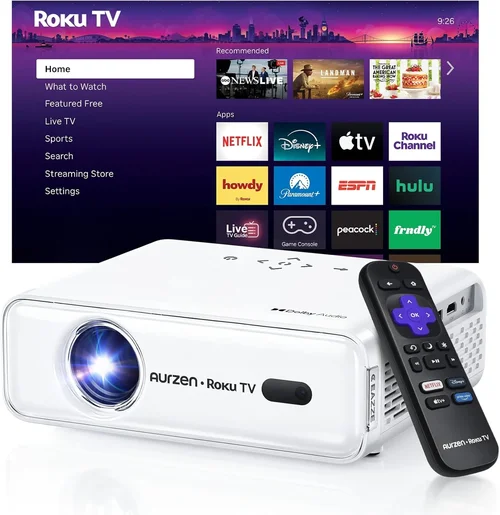
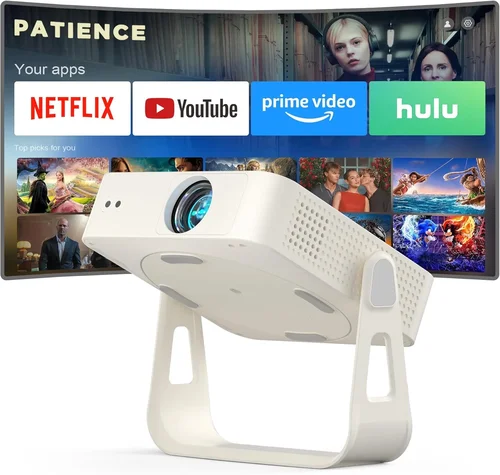
Finding a projector that delivers decent performance without blowing your budget can feel like searching for a needle in a haystack. The market is flooded with models that promise cinema‑like experiences, but many of them sit well above the $200 mark. This guide cuts through the noise, giving you a clear roadmap to select the best affordable projector under $200. Whether you’re setting up a home movie night, a backyard game day, or a portable presentation tool, the right projector can transform the way you view content without forcing you to sacrifice quality for cost.
In the pages that follow you’ll learn how to evaluate key specifications, understand the different projector technologies, avoid common pitfalls, and discover which models consistently outperform their price class. By the end of this guide you’ll be equipped to make a confident purchase that aligns with your needs, space, and budget.

What to Look for When Buying Buying Guide
1. Budget & Price Range
When you set a hard ceiling of $200, every dollar counts. A lower price often means compromises in brightness, resolution, or durability. However, some manufacturers have optimized production to deliver surprisingly capable units at this price point. Look for sales, refurbished units, or older models that have been discounted—these can offer the best value while still meeting core performance criteria.
2. Performance Specifications
Three specs dominate the user experience: brightness (measured in lumens), resolution, and contrast ratio. For a projector under $200, expect 2,000–3,000 lumens (ANSI) for decent visibility in dim rooms. Native resolutions typically range from 800×600 (SVGA) to 1280×720 (HD). While 1080p native is rare in this price band, many models use pixel‑doubling to simulate Full HD. Contrast ratios of 2,000:1 to 5,000:1 are common; higher numbers provide deeper blacks, which is crucial for movie watching.
3. Build Quality & Durability
Cheaper projectors often use plastic housings and lower‑grade lenses. Check user reviews for reports of overheating, fan noise, or premature lamp failure. Models with metal alloy vents or reinforced casings tend to survive frequent transport and longer usage periods.
4. Features & Functionality
Connectivity options can make or break a budget projector. HDMI is a must for modern devices, while USB‑C and wireless mirroring (Miracast, AirPlay) add flexibility. Built‑in speakers are convenient but rarely deliver cinema‑level sound; budgeting for external speakers may be wise. Some projectors also include keystone correction, short‑throw lenses, or Android TV integration—features that can add significant convenience.
5. Brand Reputation
Established brands such as Epson, BenQ, ViewSonic, and Anker tend to provide more reliable firmware updates and better customer service. Emerging brands may offer lower prices, but research their warranty policies and after‑sales support before committing.
6. Warranty & Support
A solid warranty (at least 1‑year) signals manufacturer confidence. Look for easy‑claim processes, local service centers, and responsive online support. Some retailers also offer extended protection plans that can be worthwhile for devices used frequently.
7. Size & Portability
If you plan to move the projector between rooms or take it outdoors, weight and form factor matter. Compact “pico” projectors can fit in a backpack, but they usually sacrifice brightness. Mid‑size units (around 2–3 kg) strike a balance between portability and performance.
8. User Reviews & Ratings
Real‑world feedback is invaluable. Look for reviews that discuss long‑term reliability, image quality after several months of use, and any software quirks. Pay attention to recurring complaints—if multiple users mention lamp flicker or HDMI lag, it’s likely a systemic issue.
Different Types of Buying Guide

Common Buying Mistakes to Avoid
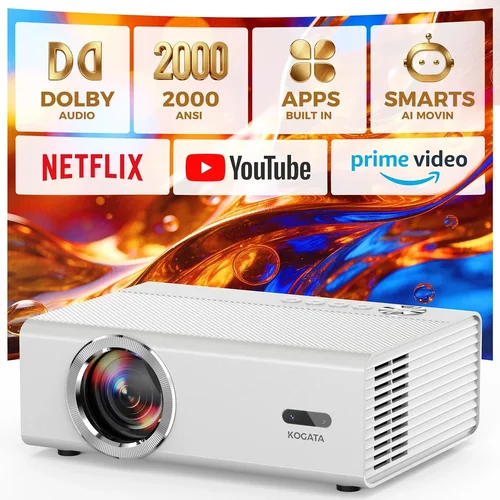
❌ Mistake: Ignoring Ambient Light Conditions
Why it’s bad: Buying a dim 2,000‑lumens projector for a bright living room will result in washed‑out images.
What to do instead: Assess the typical lighting of your intended space. If you can’t control ambient light, aim for at least 2,500 lumens or consider a projector with higher contrast.
❌ Mistake: Overlooking Resolution Needs
Why it’s bad: An SVGA (800×600) projector looks pixelated on a 100‑inch screen, ruining movie nights.
What to do instead: Target native 720p (1280×720) as the baseline. Even if the device upscales, native HD provides sharper text and smoother motion.
❌ Mistake: Forgetting About Lamp Life
Why it’s bad: Replacing a lamp can cost $50‑$100, eroding the initial savings.
What to do instead: Choose LED or laser light sources when possible; they last 20,000+ hours and have lower long‑term cost.
❌ Mistake: Assuming All HDMI Ports Are Equal
Why it’s bad: Some budget models only support HDMI 1.3, limiting 4K input or HDCP compliance.
What to do instead: Verify the HDMI version (at least 1.4) and check for HDCP 2.2 support if you plan to stream services like Netflix.
❌ Mistake: Neglecting Audio Requirements
Why it’s bad: Built‑in speakers often produce tinny sound, forcing you to purchase external audio later.
What to do instead: Look for a 3.5 mm audio out or Bluetooth capability so you can connect to a soundbar or headphones from day one.
❌ Mistake: Buying Without Testing
Why it’s bad: Online specs can be misleading; you may receive a unit with dead pixels or excessive fan noise.
What to do instead: Purchase from retailers with a solid return policy and test the projector within the first 30 days.
Budget Guidelines: How Much Should You Spend?
- Entry‑Level ($120‑$150): Expect 2,000 lumens, SVGA or 720p resolution, basic HDMI, and modest build quality. Ideal for occasional movie nights in a dark room.
- Mid‑Range ($151‑$180): Typically 2,500 lumens, native 720p, better contrast, and added features like USB‑C or wireless mirroring. Good for small gatherings and presentations.
- Premium ($181‑$200): Brightest LEDs, enhanced color accuracy, short‑throw lenses, and more robust connectivity (dual HDMI, Bluetooth). Suits users who want a near‑cinema experience without breaking the bank.
- Luxury ($200+): While beyond this guide’s scope, higher price points unlock true 1080p native, laser light sources, and advanced keystone correction.
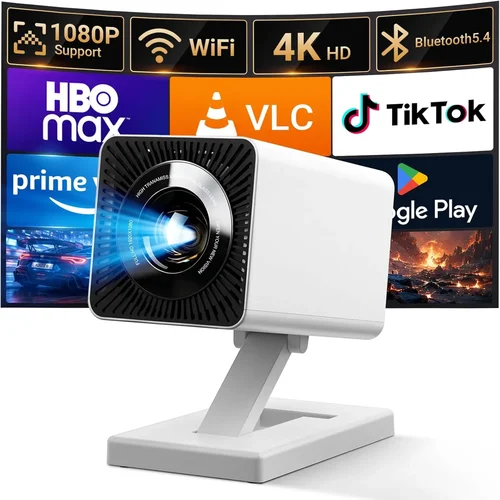
Expert Tips for Getting the Best Deal
- Buy during major sales events (Black Friday, Prime Day) when retailers push inventory.
- Consider refurbished units from manufacturer certified programs; they often come with a full warranty at a reduced price.
- Check for bundle offers that include HDMI cables, mounting brackets, or a portable screen—these can add value.
- Read the fine print on warranty length and coverage; some “lifetime” warranties only apply to the lamp.
- Test the projector in your intended environment before finalizing the purchase; many stores allow a 30‑minute demo.
- Look for models with replaceable LED modules; this extends lifespan and reduces total cost of ownership.
- Utilize price‑comparison tools and browser extensions that automatically apply coupon codes.

Frequently Asked Questions
Q: Can a projector under $200 display Full HD content?
A: While true native 1080p is rare at this price, many units support 720p native resolution with pixel‑doubling to accept 1080p inputs. The image will be acceptable for casual viewing, but fine details may appear softer.
Q: How loud are the fans on budget projectors?
A: Fan noise typically ranges from 30‑38 dB. In a quiet room you may notice a faint hum, but it usually doesn’t interfere with dialogue. Look for models that advertise “quiet mode” for the best experience.
Q: Do I need a separate screen?
A: Not necessarily. A smooth, white wall works fine in a dark room. For brighter environments, a portable pull‑up screen (120‑150 inches) improves contrast and color vibrancy.
Q: What is the difference between DLP and LCD in this price range?
A: DLP projectors often have sharper contrast and smoother motion, while LCD units provide more accurate colors. Both can deliver good results under $200; choose based on your preference for contrast versus color fidelity.
Q: How long does an LED lamp last?
A: LED light sources typically last 20,000‑30,000 hours, which translates to many years of occasional use before any noticeable dimming.
Q: Is wireless casting reliable on cheap projectors?
A: Wireless options like Miracast or AirPlay work, but they can suffer from latency or occasional drop‑outs on lower‑end hardware. For mission‑critical presentations, a wired HDMI connection remains the most reliable.
Q: Can I mount a budget projector on the ceiling?
A: Yes, most models include standard ¼‑inch mounting holes. Ensure the ceiling mount you purchase can support the projector’s weight and provides adequate ventilation.
Q: Will a projector work with my gaming console?
A: As long as the projector has HDMI 1.4 or higher, it can handle 1080p @ 60 Hz input from consoles like the PS4 or Xbox One. Input lag may be higher than a TV, so look for “game mode” if you plan to game frequently.
Our Final Recommendations
- Best for Budget‑Conscious Buyers: Anker Nebula Capsule II – Priced around $149, offers 720p resolution, 720 lumens, Android TV, and a compact design.
- Best Overall Value: Epson VS250 – Approximately $179, native SVGA, 3,200 lumens, superb color accuracy, and a long‑lasting lamp.
- Best Premium Option (under $200): ViewSonic M1 Mini Plus – $199, 720p, 250 lumens, built‑in Harman Kardon speakers, Bluetooth, and a short‑throw lens.
- Best for Beginners: BenQ TH585 – Slightly above $200 but often discounted to $199, 1080p, 3,500 lumens, low input lag, and easy setup.
- Best for Advanced Users: Optoma GT1080e – Frequently found on sale for $199, true 1080p, 3,800 lumens, short‑throw, and robust gaming features.
Conclusion: Making the Right Choice
Choosing the best affordable projector under $200 hinges on balancing brightness, resolution, and extra features against your specific environment and usage patterns. By focusing on the factors outlined in this guide—budget, performance specs, build quality, connectivity, and brand reliability—you can narrow the field to a handful of models that truly deliver value.
Remember to test the projector in your intended setting, keep an eye on sales, and protect your purchase with a solid warranty. With the right research and a bit of patience, you’ll enjoy big‑screen entertainment without breaking the bank.