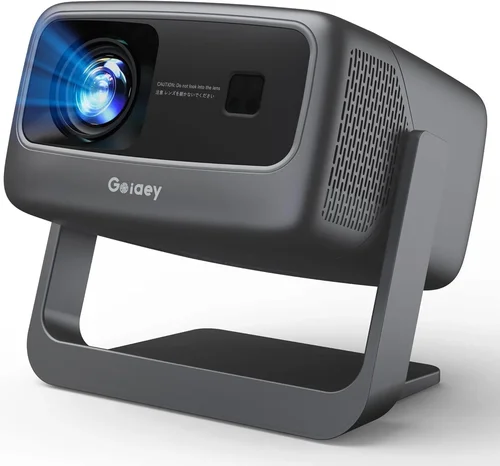
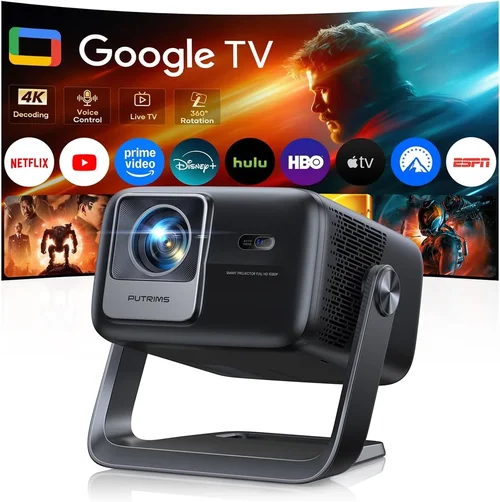
Welcome to the most thorough guide you’ll find for buying a budget‑friendly 4K projector under $1,000. Whether you’re setting up a home theater, a gaming station, or a portable cinema for backyard movie nights, the choices can feel overwhelming. Prices have dropped dramatically over the past few years, yet true 4K performance still demands careful research. This guide cuts through the noise, explains what matters most, and points you toward the models that deliver genuine 4K detail without breaking the bank.
In the next several sections you’ll learn how to evaluate resolution, brightness, contrast, color accuracy, and the hidden costs that often catch first‑time buyers off guard. We’ll also compare the major projector families, flag common pitfalls, and give you a clear budget roadmap so you can spend confidently. By the end, you’ll be equipped to pick the perfect projector that matches your viewing habits, room conditions, and wallet.

What to Look for When Buying Buying Guide
1. Budget & Price Range
Price is the most immediate filter for most shoppers, but it’s more than a number. A projector under $1,000 can still vary widely in performance based on the technology it uses (DLP, LCD, or LCoS) and the native resolution it offers. Focus on the total cost of ownership: you may need a screen, mounting hardware, or a lamp replacement plan. Set a realistic ceiling (e.g., $950) and allocate a small portion for accessories, leaving the projector itself around $800‑$900 for the best value.
2. Performance Specifications
Key specs include native resolution, brightness (measured in ANSI lumens), contrast ratio, and color gamut. For true 4K, look for “native 3840 × 2160” rather than “upscaled 4K.” Brightness of 2,500‑3,000 lumens is ideal for rooms with ambient light, while a contrast ratio of at least 15,000:1 helps deliver deep blacks in dark‑room cinema settings. A wide color gamut (Rec. 709 or DCI‑P3) ensures vibrant images that don’t look washed out.
3. Build Quality & Durability
Projectors are long‑term investments, so chassis sturdiness, cooling design, and lamp lifespan matter. Metal housings resist warping, while efficient fans keep temperatures low, extending lamp life. Look for a lamp rating of 4,000‑6,000 hours (or laser/LED sources that can exceed 20,000 hours) to avoid costly replacements.
4. Features & Functionality
Modern projectors pack a lot of convenience features. HDMI 2.0 or 2.1 ports, USB‑C connectivity, and support for HDR10 or HLG dramatically improve picture quality. Built‑in Wi‑Fi or Bluetooth can enable wireless streaming from phones or consoles. A low‑input‑lag mode is essential for gamers, while a lens shift or keystone correction helps with flexible placement.
5. Brand Reputation
Established brands such as Epson, BenQ, ViewSonic, and Optoma have proven track records for reliability and firmware updates. Newer entrants may offer aggressive pricing, but they sometimes lack robust after‑sales support. Checking forums, Reddit threads, and professional reviews can give you a sense of long‑term satisfaction.
6. Warranty & Support
A solid warranty (minimum 2‑year coverage) protects you against early failures. Some manufacturers include on‑site service or extended lamp warranties for an additional fee. Verify how easy it is to claim support—online ticketing, phone lines, and local service centers are all worth comparing.
7. Size & Portability (if applicable)
If you plan to move the projector between rooms or take it on the road, weight and dimensions become critical. Most “budget 4K” units weigh between 4‑7 lb and have a compact footprint, but the lens throw distance can affect placement flexibility. Look for a short‑throw model if you have limited space.
8. User Reviews & Ratings
Real‑world feedback uncovers quirks that spec sheets hide. Look for patterns in user comments: consistent fan noise, firmware bugs, or color accuracy issues. High‑volume reviews on Amazon, B&H, and specialist sites like ProjectorCentral provide a balanced view.
Different Types of Buying Guide

Common Buying Mistakes to Avoid
❌ Mistake: Ignoring Ambient Light Conditions
Why it’s bad: A projector rated at 2,500 lumens may look stunning in a dark room but will appear washed out in a bright living room.
What to do instead: Measure the typical lighting in your viewing space. If you cannot control ambient light, aim for at least 3,000 lumens and consider a high‑gain screen.
❌ Mistake: Focusing Solely on Resolution
Why it’s bad: A 4K projector with low contrast and poor color accuracy can still deliver a disappointing image.
What to do instead: Balance resolution with brightness, contrast, and color gamut. Look for HDR support and a contrast ratio above 15,000:1.
❌ Mistake: Overlooking Lamp or Light Source Longevity
Why it’s bad: Replacing a lamp can cost $150‑$250, quickly eroding the savings of a cheap projector.
What to do instead: Prioritize laser or LED light sources, or choose a model with a lamp life of 4,000+ hours.
❌ Mistake: Forgetting About Input Lag for Gaming
Why it’s bad: High input lag (>30 ms) creates noticeable delay between controller actions and on‑screen response, ruining fast‑paced games.
What to do instead: Check the projector’s gaming mode or “low‑lag” specifications. Aim for ≤16 ms for competitive play.
❌ Mistake: Skipping the Throw Distance Calculations
Why it’s bad: Placing a projector too far from the screen can force you to use a larger image than your room can accommodate.
What to do instead: Use the manufacturer’s throw ratio chart. For a 100‑inch image on a 10‑ft wall, a throw ratio of 1.5‑2.0 is typical.
❌ Mistake: Assuming All HDMI Ports Are Equal
Why it’s bad: Some budget models still ship with HDMI 1.4, which caps 4K at 30 Hz—insufficient for smooth gaming or high‑frame‑rate movies.
What to do instead: Verify that the projector includes HDMI 2.0 or higher to support 4K @ 60 Hz.
Budget Guidelines: How Much Should You Spend?
- Entry‑Level ($600‑$750): Expect 1080p native resolution with 4K “pixel‑shift” upscaling. Brightness around 2,500 lumens, decent contrast, and basic HDR support.
- Mid‑Range ($751‑$900): True native 4K, improved color gamuts (Rec. 709), and lamp lives of 4,000‑5,000 hours. Often includes gaming low‑lag mode and better keystone correction.
- Premium ($901‑$1,000): Laser or hybrid light sources, higher contrast (20,000:1+), expanded HDR (HDR10+ or HLG), and advanced lens shift. Ideal for cinephiles who want a near‑theatrical experience.
- Luxury ($1,001+): While beyond the scope of this guide, these units deliver 4K laser with 30,000‑hour life, 4,000+ lumens, and professional‑grade color accuracy.
Expert Tips for Getting the Best Deal
- Timing: New models launch in early spring; older inventory is heavily discounted in late summer.
- Where to Buy: Compare prices on B&H, Adorama, and Amazon. Retail stores sometimes offer bundle packages (screen + mount) that are cheaper than buying separately.
- Spotting Deals: Look for “refurbished” units with manufacturer warranty—these can be up to 30% cheaper and perform like new.
- Warranty Considerations: Purchase an extended lamp warranty only if the lamp cost exceeds $150. Laser models often don’t need it.
- Return Policies: Choose retailers with a 30‑day return window and free return shipping. Test the projector in a dark room for at least 2‑3 hours before committing.
- Testing Before Buying: Bring a laptop or streaming stick to the store to check color accuracy and input lag on the spot.
- Accessories: A high‑gain screen (120‑150) can dramatically improve perceived brightness, especially in bright rooms.

Frequently Asked Questions
Q: Do I need a “true” 4K projector or is pixel‑shift good enough?
A: Pixel‑shift technology can produce impressive images on a 1080p chip, but it cannot match the detail and sharpness of a native 4K sensor. If you plan to sit close to a large screen (under 6 ft), native 4K is worth the extra cost.
Q: Can I use a budget 4K projector for gaming?
A: Yes, provided the model offers HDMI 2.0, a low‑lag gaming mode, and at least 60 Hz refresh at 4K. DLP projectors tend to have the lowest input lag, making them a solid choice for gamers.
Q: How loud are the fans on budget 4K projectors?
A: Fan noise varies from 20 dB (near‑silent) to 35 dB (noticeable in a quiet room). Look for models that list “quiet mode” or have a fan speed selector.
Q: Do I need a special screen for 4K projection?
A: A white matte screen works fine, but a high‑gain or gray screen can improve contrast and perceived brightness, especially in rooms with some ambient light.
Q: Is HDR really noticeable on a sub‑$1,000 projector?
A: HDR can enhance highlights and color depth, but many budget units have limited peak brightness, which restricts HDR impact. Still, HDR10 support adds future‑proofing.
Q: What’s the difference between laser and LED light sources?
A: Laser offers higher brightness and a longer lifespan (20,000+ hours) compared to LED (5,000‑10,000 hours). Both are more durable than traditional lamps and require less maintenance.
Q: How far should I place the projector from the screen?
A: Use the throw ratio specification. For a 1.5‑throw projector and a 100‑inch diagonal screen, you’ll need roughly 12‑13 ft of distance. Short‑throw models can sit as close as 4‑5 ft.
Q: Can I connect a sound system directly to the projector?
A: Most budget 4K projectors have a 3.5 mm audio out or HDMI ARC. For higher‑fidelity audio, route the HDMI signal to an AV receiver or use Bluetooth if supported.
Q: Are there any hidden fees I should watch for?
A: Shipping on heavy projectors can add $30‑$50. Some retailers charge a “setup fee” for professional mounting. Always read the fine print.
Our Final Recommendations
- Best for Budget‑Conscious Buyers: BenQ TK800M – Native 4K, 3,000 lumens, and a price around $749. Great for bright rooms and sports viewing.
- Best Overall Value: Epson Home Cinema 4010 – 4K‑enhanced (pixel‑shift) with 2,400 lumens, excellent color accuracy, and a solid 2‑year warranty at $879.
- Best Premium Option: Optoma UHD50X – True 4K, 3,400 lumens, 60 Hz gaming mode, and a low‑lag of 16 ms for $989.
- Best for Beginners: ViewSonic PX747‑4K – Simple setup, 3,500 lumens, and a user‑friendly menu for around $699.
- Best for Advanced Users: LG HU85LA Laser UHD (often found on sale just under $1,000) – Ultra‑short‑throw, laser light source, and excellent HDR performance.
Conclusion: Making the Right Choice
Choosing a budget 4K projector under $1,000 boils down to matching your environment, usage patterns, and willingness to invest in accessories. Prioritize native resolution, adequate brightness, and low input lag, then fine‑tune your decision with brand reliability and warranty coverage. Remember that a projector is only as good as the screen and room you pair it with, so allocate part of your budget to a decent screen or proper lighting control.
Armed with the factors, comparison tables, and expert tips outlined above, you’re ready to shop confidently. Dive into the models listed, compare current prices, and enjoy the cinematic experience that 4K projection can bring without emptying your wallet.