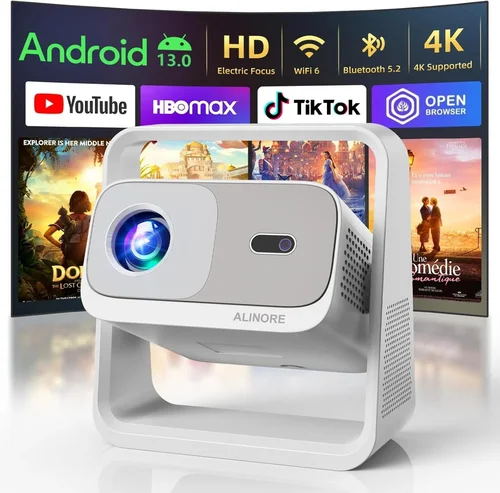
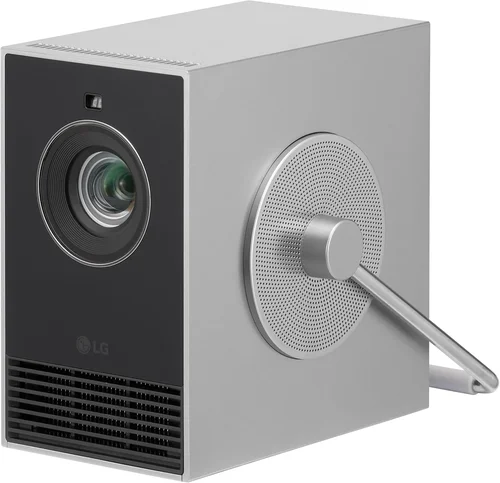
Choosing a digital projector under $500 can feel like navigating a maze of specifications, brand promises, and conflicting reviews. Whether you’re setting up a home‑theater, a backyard movie night, or a small office presentation space, the right projector can transform an ordinary room into a cinematic experience without breaking the bank.
This guide is designed to cut through the noise. We’ll walk you through the most important factors to consider, compare the main types of projectors that fit the sub‑$500 budget, highlight common pitfalls, and give you a clear roadmap for getting the best value for your money. By the end, you’ll know exactly which models align with your needs and how to secure them at the best price.
The projector market has evolved dramatically in the last few years. LED and laser light sources have become more affordable, offering longer lifespans and brighter images than the old lamp‑based units. At the same time, manufacturers have packed smarter connectivity options—like wireless screen mirroring and built‑in streaming apps—into devices that previously required separate accessories. All of this means that even at a $500 price point, you can expect solid performance, decent durability, and a feature set that was once reserved for premium models.

What to Look for When Buying Buying Guide
1. Budget & Price Range
While the headline says “under $500,” the actual price you’ll pay can vary based on sales, bundles, and regional taxes. Set a realistic ceiling—say $450—to leave room for accessories (mounts, cables, replacement lamps). Remember that a slightly higher upfront cost often translates into longer lamp life or better warranty coverage, which saves money in the long run.
2. Performance Specifications
Key specs include:
- Brightness (lumens): For dim rooms, 2,000‑2,500 lumens is adequate. If you anticipate ambient light, aim for 3,000 lumens or more.
- Resolution: 1080p (Full HD) is the sweet spot for most buyers. Some budget models only offer 720p, which can look pixelated on larger screens.
- Contrast Ratio: Higher contrast delivers deeper blacks. Look for at least 10,000:1 for decent depth.
- Throw Ratio: Determines how far the projector needs to be from the screen. A 1.2:1 ratio works well in typical living‑room setups.
3. Build Quality & Durability
Even inexpensive projectors should feel sturdy. Metal housings resist warping, and quality fans keep the unit cool under continuous use. Check user reviews for any recurring issues like overheating or loose lens mounts.
4. Features & Functionality
Modern projectors often include:
- Wireless connectivity: Wi‑Fi, Bluetooth, or built‑in Chromecast.
- Multiple input ports: HDMI, USB‑C, VGA, and audio out.
- Built‑in speakers: Useful for casual movie nights, though external speakers provide richer sound.
- Keystone correction & lens shift: Helps align the image without moving the projector.
5. Brand Reputation
Brands like Epson, BenQ, ViewSonic, and Optoma have a track record of reliable budget projectors. Lesser‑known manufacturers may offer tempting specs, but their after‑sales support can be hit‑or‑miss. Research warranty policies and the availability of service centers in your area.
6. Warranty & Support
A minimum 1‑year warranty is standard; some brands extend to 2‑3 years for the lamp or the entire unit. Look for easy claim processes and responsive customer service. Extended warranties can be worthwhile if you plan heavy usage.
7. Size & Portability
If you need a projector for on‑the‑go presentations or frequent room changes, consider the unit’s weight and dimensions. Portable “pico” projectors are lighter but often sacrifice brightness and resolution.
8. User Reviews & Ratings
Beyond the spec sheet, real‑world feedback reveals how a projector performs over time. Prioritize reviews that mention the exact use case you have—home theater, gaming, or office presentations.
Different Types of Buying Guide

Common Buying Mistakes to Avoid
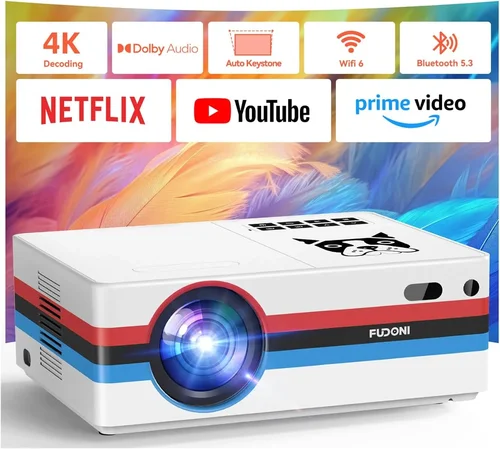
❌ Mistake: Focusing Only on Brightness
Why it’s bad: High lumens sound impressive, but without adequate contrast and color accuracy, the image can look washed out, especially in darker rooms.
What to do instead: Balance brightness with contrast ratio and choose a projector with good color gamut for the environment you’ll use most.
❌ Mistake: Ignoring Throw Ratio
Why it’s bad: A projector with a long throw ratio may require you to place it far away, which isn’t feasible in small apartments.
What to do instead: Measure your intended screen distance and pick a model whose throw ratio fits that space.
❌ Mistake: Overlooking Lamp Life
Why it’s bad: Replacing a lamp can cost $80‑$150, quickly eroding any savings from a cheap upfront price.
What to do instead: Opt for LED or laser light sources, or verify the lamp’s rated lifespan before buying.
❌ Mistake: Skipping Connectivity Checks
Why it’s bad: A projector with only VGA input forces you to buy adapters for modern devices.
What to do instead: Ensure the unit has HDMI, USB‑C, and wireless options that match your primary sources.
❌ Mistake: Forgetting About Sound
Why it’s bad: Built‑in speakers are often weak; relying on them can lead to a subpar movie experience.
What to do instead: Budget for a small external sound system or soundbar if audio quality matters.
Budget Guidelines: How Much Should You Spend?
Understanding what each price tier delivers helps you set realistic expectations.
- Entry-Level ($200‑$300): Typically 720p resolution, 2,000 lumens, basic HDMI input. Good for occasional use in dark rooms.
- Mid‑Range ($300‑$400): Full HD 1080p, 2,500‑3,000 lumens, better contrast, and often include wireless mirroring.
- Premium ($400‑$500): Higher brightness, enhanced color accuracy (Rec. 709), longer lamp life, and richer connectivity (USB‑C, Bluetooth audio).
- Luxury ($500+): While beyond the scope of this guide, these models add 4K upscaling, laser light sources, and professional‑grade lenses.
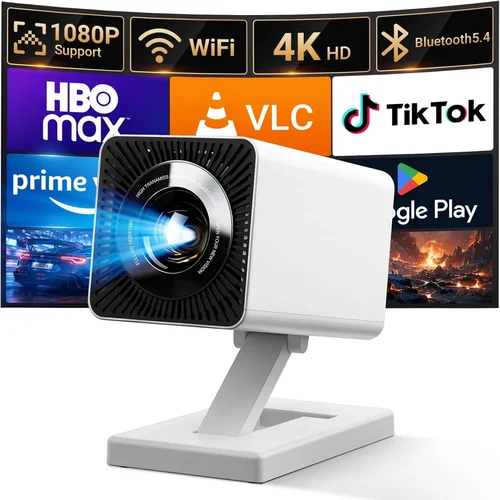
Expert Tips for Getting the Best Deal
- Shop Seasonal Sales: Black Friday, Cyber Monday, and back‑to‑school periods often feature 20‑30% discounts on electronics.
- Compare Bundles: Some sellers include HDMI cables, ceiling mounts, or a spare lamp—adding real value.
- Check Refurbished Options: Certified refurbished units from the manufacturer can be up to 25% cheaper and come with a full warranty.
- Read Return Policies: A 30‑day return window lets you test the projector in your own space.
- Consider Extended Warranties: If you plan to use the projector heavily, an extra year can be a safety net.
- Test Before Buying: If possible, view a demo at a local electronics store; pay attention to color vibrancy and noise level.
- Use Cashback Sites: Platforms like Rakuten or TopCashback can return 5‑10% of your purchase price.

Frequently Asked Questions
Q: Can I use a projector under $500 for gaming?
A: Yes, but prioritize low input lag (under 30 ms) and a refresh rate of at least 60 Hz. Models with “Game Mode” often reduce processing delay.
Q: Do I need a separate screen?
A: A smooth white wall works, but a dedicated projector screen improves brightness uniformity and contrast, especially in rooms with ambient light.
Q: How far should the projector be from the screen?
A: It depends on the throw ratio. For a 1.2:1 ratio and a 100‑inch diagonal screen, expect a distance of roughly 10‑12 feet.
Q: Are LED projectors truly better than lamp‑based ones?
A: LED units offer longer lifespan (20,000+ hours) and more consistent color, but they may have lower peak brightness compared to high‑lumens lamp models.
Q: What is the ideal screen resolution for movies?
A: Full HD (1080p) delivers crisp images for most content. If you watch a lot of 4K streaming, look for a projector with good upscaling capabilities.
Q: Is a short‑throw projector worth the extra cost?
A: Short‑throw models eliminate shadows and fit tight spaces, but they often exceed the $500 ceiling. Consider them only if you have severe space constraints.
Q: How often do I need to replace the lamp?
A: Standard lamps last 2,000‑3,000 hours; LED and laser sources last 20,000‑30,000 hours, effectively making replacement unnecessary for most users.
Q: Can I connect my phone wirelessly?
A: Most modern budget projectors support Miracast, AirPlay, or have a built‑in Chromecast. Check the spec sheet for the exact protocol.
Q: Will a projector work in a bright living room?
A: You’ll need at least 3,000 lumens and a high contrast ratio, plus possibly a pull‑down screen with gain >1.0 to combat ambient light.
Our Final Recommendations
- Best for Budget‑Conscious Buyers: ViewSonic PA503W – 3,600 lumens, 1280×800 WXGA, solid connectivity, and a price around $280.
- Best Overall Value: Epson Home Cinema 1060 – 3,100 lumens, Full HD, low input lag, and a reliable lamp life, priced at $449.
- Best Premium Option (Just Under $500): BenQ TH585 – 3,500 lumens, 1080p, Game Mode, and excellent color accuracy for $489.
- Best for Beginners: Optoma HD146X – Easy setup, HDMI, decent brightness, and user‑friendly menu, around $370.
- Best for Advanced Users: LG PF50KA (Laser‑Hybrid) – 600 lumens laser, Bluetooth, USB‑C, and a battery for portable use, priced at $499.
Conclusion: Making the Right Choice
Buying a digital projector under $500 is entirely feasible when you match the device’s strengths to your specific needs. Focus on the right blend of brightness, resolution, and connectivity, while keeping an eye on lamp life and warranty coverage. Use the budget tiers and expert tips provided here to narrow down your options, avoid common mistakes, and secure the best possible deal.
Now that you’re equipped with the knowledge, go ahead and compare the models that fit your lifestyle. Whether it’s movie nights, gaming sessions, or business presentations, the perfect projector is waiting—just under the $500 mark.