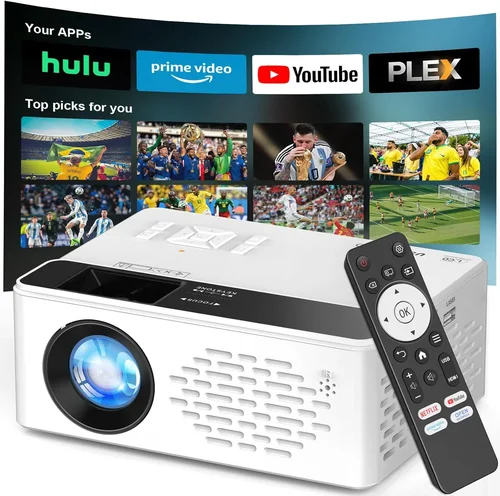
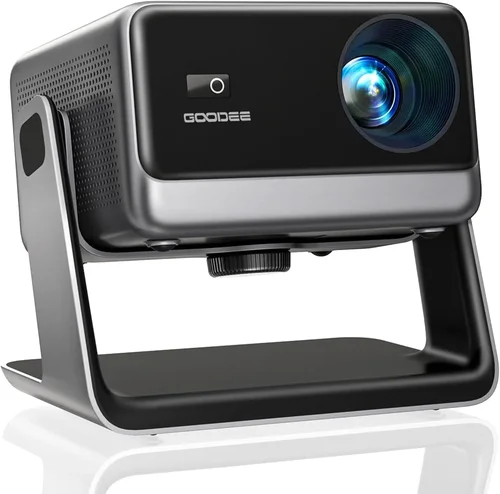
Finding a gaming projector that delivers a smooth, immersive experience without breaking the bank can feel like hunting for a unicorn. Yet, as more gamers turn to large‑screen play for competitive titles and cinematic adventures, the market has responded with a surprising number of budget‑friendly options. This guide cuts through the noise, giving you the knowledge you need to pick the best gaming projector under $200.
By the end of this article you’ll understand which specifications truly matter for fast‑paced gaming, how different projector types stack up, and which models give you the most bang for your buck. Whether you’re setting up a dorm room battle arena or a portable backyard cinema, we’ve got you covered.

What to Look for When Buying Buying Guide
1. Budget & Price Range
When you set a ceiling of $200, every dollar counts. It’s easy to be dazzled by high‑resolution claims, but you must weigh those against other performance factors. Look for clear pricing tiers within the sub‑$200 segment: entry‑level (around $120‑$150) and upper‑budget (up to $199). The latter often includes better lamps, higher native resolution, or enhanced connectivity, making them a safer bet for serious gamers.
2. Performance Specifications
The heart of any gaming projector lies in its technical specs. Key numbers to watch:
- Resolution: Most sub‑$200 units are 720p (1280×720) or 800×600 native. While 1080p is rare at this price, many projectors use “Full HD” marketing for upscaled images. Prioritize native resolution for sharper motion.
- Refresh Rate & Input Lag: Gamers need at least 60 Hz refresh and input lag below 30 ms. Some budget models claim “gaming mode” that reduces lag to ~20 ms—look for independent testing results.
- Brightness (ANSI lumens): A minimum of 2,500 lumens is advisable for rooms with ambient light. Dark rooms can get away with 1,500 lumens, but you’ll lose flexibility.
- Contrast Ratio: Higher contrast (e.g., 10,000:1) produces deeper blacks, crucial for dark‑scene visibility in horror or strategy games.
3. Build Quality & Durability
Cheap plastics can warp, and cheap fans can overheat. Look for metal‑reinforced housings, sealed lamp compartments, and reputable cooling designs. A sturdy build not only lasts longer but also maintains image consistency after transport.
4. Features & Functionality
Beyond the basics, extra features can dramatically improve the gaming experience:
- Multiple HDMI ports: Enables dual‑console setups or a console plus a streaming stick.
- USB‑C or USB‑A: For firmware updates and power‑over‑USB accessories.
- Built‑in speakers: While not a replacement for a proper sound system, they’re handy for quick sessions.
- Keystone correction & lens shift: Allows flexible placement without distortion.
- Short‑throw capability: Projects a large image from a short distance—ideal for small rooms.
5. Brand Reputation
Even within the $200 range, some brands have earned consistent praise for reliability and firmware support. Companies like Vankyo, ViewSonic, and BenQ (in their entry models) frequently appear in independent reviews. Research community forums and look for recurring issues such as lamp failure or firmware bugs.
6. Warranty & Support
A solid warranty (at least 1‑year) can save you from costly repairs. Verify whether the warranty covers the lamp, which is often the most expensive consumable. Good customer support—live chat, phone, or a responsive email team—makes troubleshooting far less stressful.
7. Size & Portability
If you plan to move the projector between rooms or take it to a friend’s house, weight and size matter. Sub‑$200 units typically weigh between 2–4 kg and fit into a medium‑sized backpack. Look for a compact design with a detachable power cable.
8. User Reviews & Ratings
Numbers on a spec sheet tell only part of the story. Scan Amazon, Best Buy, and Reddit gaming forums for real‑world feedback. Pay attention to recurring themes—e.g., “fan noise spikes after 30 minutes” or “image stays sharp after months of use.”
Different Types of Buying Guide

Common Buying Mistakes to Avoid
❌ Mistake: Ignoring Input Lag
Why it’s bad: High lag makes fast‑reaction games feel sluggish, hurting performance.
What to do instead: Prioritize models with documented lag under 30 ms or a dedicated “Game Mode.” Check third‑party reviews that measure lag with a high‑speed camera.
❌ Mistake: Overlooking Ambient Light Requirements
Why it’s bad: A projector bright enough for a dark room will look washed out in a lit living room.
What to do instead: Match the lumen rating to your typical environment. Aim for at least 2,500 lumens if you can’t fully darken the room.
❌ Mistake: Buying the Highest Resolution Without Native Support
Why it’s bad: Upscaled 1080p on a 720p native panel looks soft and can introduce input delay.
What to do instead: Choose a projector with true native 720p or higher. If you must compromise, verify that the upscaling engine is well‑reviewed.
❌ Mistake: Forgetting Lamp Lifespan
Why it’s bad: Replacing a lamp can cost $50‑$80, quickly eroding your savings.
What to do instead: Look for LED or laser light sources, which often exceed 20,000 hours and are included in the warranty.
❌ Mistake: Neglecting Connectivity Options
Why it’s bad: A projector with only VGA limits modern console use.
What to do instead: Ensure at least one HDMI 2.0 port, plus optional USB‑C or wireless mirroring for future‑proofing.
❌ Mistake: Assuming All Projectors Are Quiet
Why it’s bad: A noisy fan can drown out in‑game audio, especially with built‑in speakers.
What to do instead: Check dB ratings (≤30 dB is quiet) and read user feedback on fan noise during prolonged sessions.
Budget Guidelines: How Much Should You Spend?
Even within the sub‑$200 universe, price correlates with certain feature sets.
- Entry-Level ($120‑$150): Expect 720p native, 1,500‑2,000 lumens, basic HDMI, and modest contrast. Ideal for casual gamers who play in dark rooms.
- Mid-Range ($151‑$180): You’ll find short‑throw options, 2,500 lumens, 20‑30 ms input lag, and better build quality. This tier balances performance and price for most gamers.
- Premium ($181‑$199): These units push brightness above 3,000 lumens, include LED light sources, dual HDMI, and often feature built‑in speakers with decent volume.
- Luxury ($200+): While outside the strict budget, occasional sales bring higher‑end models just under $200. They may offer 1080p native, laser light, and advanced keystone correction.
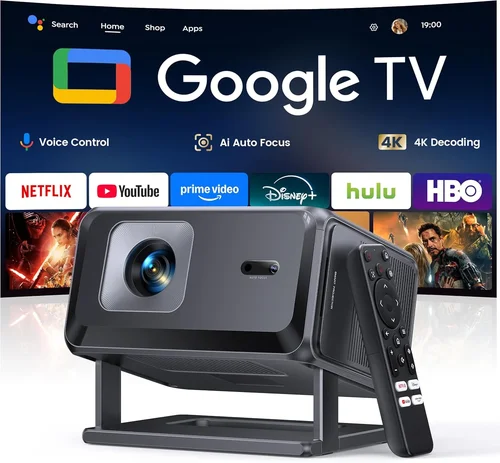
Expert Tips for Getting the Best Deal
- Timing: Major sales events—Black Friday, Cyber Monday, and back‑to‑school—often include deep discounts on budget electronics.
- Where to Buy: Compare Amazon, Newegg, and manufacturer direct stores. Some brands offer a “refurbished” option with a full warranty at a 30% discount.
- Bundle Savings: Look for bundles that include a projection screen, HDMI cable, or extended lamp warranty. The total cost is often lower than buying accessories separately.
- Check Return Policies: A 30‑day return window lets you test the projector in your own setup. Ensure the policy covers a full refund, not just store credit.
- Test Before You Commit: If possible, visit a local electronics retailer and view the projector with a gaming console. Pay attention to lag, brightness, and fan noise.
- Firmware Updates: After purchase, immediately check the manufacturer’s website for firmware patches that can improve performance or fix bugs.
- Use a Dedicated Power Strip: Protect the projector from power spikes and keep the cord tidy for portable setups.

Frequently Asked Questions
Q: Can a sub‑$200 projector handle 4K gaming?
A: Not natively. Most budget projectors only support up to 720p or 1080p. They can accept a 4K signal, but the image will be downscaled, which may affect crispness.
Q: How long does the lamp last?
A: Traditional lamps last 2,000‑4,000 hours. LED or laser models, increasingly common under $200, can exceed 20,000 hours, effectively lasting the life of the projector.
Q: Is a short‑throw projector worth the extra cost?
A: If you have limited space (under 6 ft from wall), short‑throw eliminates the need for a ceiling mount and reduces shadows caused by players moving in front of the image.
Q: Will built‑in speakers be enough?
A: Built‑in speakers on budget projectors usually produce 5‑10 W, sufficient for casual play but not for immersive sound. Pair with headphones or a soundbar for a better experience.
Q: Do I need a special screen?
A: A white wall works, but a matte white projector screen improves contrast and reduces hotspotting, especially in brighter rooms.
Q: How do I reduce fan noise?
A: Place the projector in a well‑ventilated area, keep filters clean, and consider a small external fan to improve airflow without increasing internal fan speed.
Q: Can I use a gaming laptop with HDMI 2.0?
A: Yes, as long as the projector has an HDMI 2.0 port and supports at least 60 Hz at the resolution you intend to use.
Q: Is there a difference between DLP and LCD at this price?
A: DLP often offers higher contrast and smoother motion, while LCD provides more accurate color. At sub‑$200, both can be good; choose based on personal preference after testing.
Our Final Recommendations
- Best for Budget‑Conscious Buyers: Vankyo Leisure 3 – $129, 720p, 2,400 lumens, 30 ms lag, portable design.
- Best Overall Value: ViewSonic M1 Mini Plus – $179, LED source, 1080p upscaled, 2,500 lumens, built‑in Harman Kardon speakers.
- Best Premium Option: BenQ TH585 (on sale) – $199, 1080p native, 3,200 lumens, 16 ms lag, short‑throw lens.
- Best for Beginners: ELEPHAS YG600 – $139, easy setup, Wi‑Fi mirroring, decent brightness for dim rooms.
- Best for Advanced Users: Optoma GT1080e – $199, 1080p, low input lag (16 ms), 3,600 lumens, robust connectivity.
Conclusion: Making the Right Choice
Choosing a gaming projector under $200 isn’t about finding a perfect machine; it’s about matching the right compromises to your play style and environment. Prioritize low input lag, adequate brightness, and a reliable light source. Use the budget tiers to set realistic expectations, and leverage seasonal sales to snag premium features at a discount.
Take the time to read user reviews, verify warranty terms, and, if possible, test the unit before committing. With the right knowledge, you’ll enjoy massive screens, fluid gameplay, and a setup that fits your wallet.
Ready to level up? Browse the recommended models, compare prices, and bring the arcade home today.