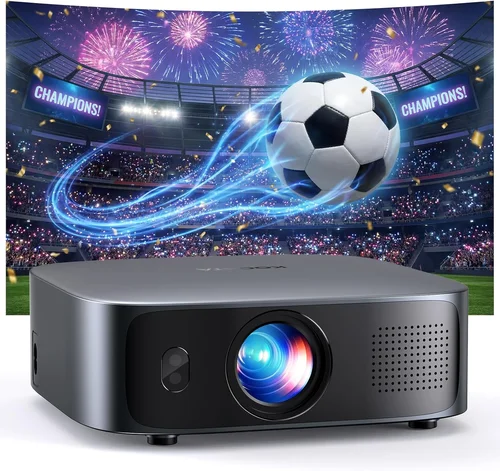
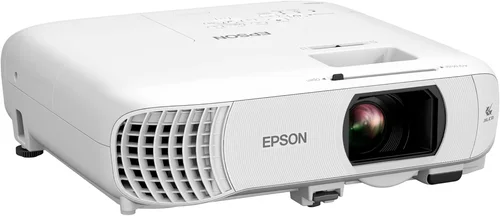
Welcome to the ultimate guide for anyone hunting the best home cinema projector under $1,000. Whether you’re turning a spare bedroom into a movie sanctuary, setting up a backyard cinema for summer nights, or simply upgrading your living‑room entertainment, the decisions you make now will dictate how immersive your viewing experience becomes. The market in 2026 is flooded with options—LED, laser, DLP, and even hybrid models—all promising deeper blacks, brighter images, and smarter connectivity. This guide cuts through the hype, helping you understand what truly matters, avoid common pitfalls, and walk away with a projector that delivers cinematic magic without breaking the bank.
In the pages that follow, you’ll learn how to evaluate performance specs, decipher the jargon around contrast ratios, and match projector types to your space. We’ll compare the leading technologies, break down realistic budgets, and share insider tips on scoring the best deals. By the end, you’ll have a clear roadmap to select a projector that fits your room, your lifestyle, and—most importantly—your wallet.

What to Look for When Buying Buying Guide
1. Budget & Price Range
Price is the starting line, not the finish line. Under $1,000, you’ll find a sweet spot where performance meets affordability. Remember that the sticker price rarely includes essential accessories such as a quality screen, mounting hardware, or a good set of cables. Factor in these extras when setting your budget. A $950 projector paired with a $150 screen may outperform a $1,200 unit that comes with a cheap, low‑gain fabric.
2. Performance Specifications
Three specs dominate the conversation: brightness (lumens), contrast ratio, and resolution.
- Brightness: For a dark home theater, 1,500–2,000 lumens is ample. If you plan to watch with some ambient light, aim for 2,500 lumens or more.
- Contrast Ratio: Higher contrast means deeper blacks and richer colors. Look for a native contrast of at least 10,000:1; true black levels are especially critical for HDR content.
- Resolution: 1080p (Full HD) is the baseline under $1,000, but a growing number of 4K‑enhanced or native 4K models are creeping into this price tier. If you own a 4K TV or plan to stream 4K movies, prioritize a projector that supports at least 4K upscaling.
3. Build Quality & Durability
A projector is an investment that should last 5–7 years with proper care. Metal housings, reinforced lenses, and robust cooling systems are hallmarks of durability. Check user forums for reports of overheating or lamp failures—these are red flags. Projectors with sealed laser or LED light sources generally outlast traditional lamps and require less maintenance.
4. Features & Functionality
Smart connectivity can turn a basic projector into a mini‑media center. Look for:
- Built‑in Wi‑Fi or Ethernet for streaming apps (Netflix, Disney+, Amazon Prime).
- Bluetooth audio support for wireless speakers.
- Multiple HDMI ports (HDMI 2.0 or higher) for gaming consoles, Blu‑ray players, and PC.
- USB‑C or HDMI‑ARC for future‑proofing.
- Lens shift and keystone correction—prefer optical lens shift over digital keystone for image fidelity.
5. Brand Reputation
Brands like Epson, BenQ, ViewSonic, and Optoma have built trust through consistent performance and solid after‑sales service. Newer entrants such as Xiaomi or Anker may offer aggressive pricing, but research warranty terms and community support before committing.
6. Warranty & Support
A longer warranty (3–5 years) often reflects confidence in product longevity. Verify what the warranty covers: lamp or laser module, fan, and accidental damage. Some manufacturers offer extended service plans at a modest cost—worth considering if you plan heavy usage.
7. Size & Portability (if applicable)
While most home cinema setups are stationary, a portable projector can double as a travel companion for road trips or outdoor movie nights. Weight under 5 lb, a compact form factor, and a built‑in battery are key attributes for portable models.
8. User Reviews & Ratings
Real‑world feedback uncovers issues that spec sheets hide. Look for consistent praise on image quality and recurring complaints about heat or firmware glitches. A balanced view helps you anticipate long‑term satisfaction.
Different Types of Buying Guide

Common Buying Mistakes to Avoid
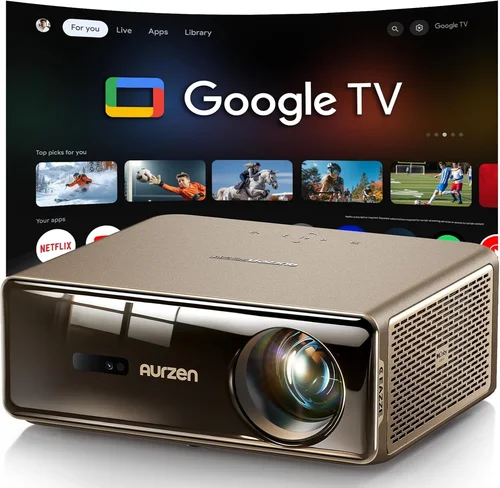
❌ Mistake: Ignoring Ambient Light Conditions
Why it’s bad: A projector rated at 2,000 lumens may look stunning in a dark room but will appear washed out in a living room with daylight.
What to do instead: Measure typical ambient light levels and choose a brightness rating that exceeds them by at least 30 %.
❌ Mistake: Over‑focusing on Resolution Alone
Why it’s bad: A 4K projector with poor contrast and low brightness can deliver a less satisfying image than a bright 1080p unit.
What to do instead: Balance resolution with contrast, brightness, and color gamut for overall picture quality.
❌ Mistake: Forgetting About Throw Distance
Why it’s bad: Placing a long‑throw projector too close results in a tiny image, while a short‑throw unit may cause hotspots if placed too far.
What to do instead: Use the manufacturer’s throw‑ratio chart to calculate the ideal distance for your desired screen size.
❌ Mistake: Skipping Lens Shift & Keystone Features
Why it’s bad: Relying solely on digital keystone can degrade image sharpness and introduce distortion.
What to do instead: Prioritize optical lens shift; it maintains image integrity while offering flexible placement.
❌ Mistake: Neglecting Connectivity Needs
Why it’s bad: A projector without HDMI 2.1 cannot support 4K @ 120 Hz gaming, limiting future‑proofing.
What to do instead: List all devices you intend to connect and verify the projector’s ports and supported standards.
❌ Mistake: Assuming the Warranty Covers Everything
Why it’s bad: Many warranties exclude the light source or limit coverage to 90 days for accidental damage.
What to do instead: Read the fine print; consider purchasing an extended service plan that includes the lamp or laser module.
Budget Guidelines: How Much Should You Spend?
Understanding what your money buys helps you avoid disappointment.
- Entry-Level ($600‑$750): Expect solid 1080p performance, 2,000‑lumens brightness, and basic HDMI connectivity. Ideal for casual movie nights in dim rooms.
- Mid‑Range ($751‑$950): This tier introduces 4K upscaling, higher contrast ratios (10,000:1+), and smarter features like built‑in streaming apps. Great for dedicated home theaters.
- Premium ($951‑$1,200): Laser or hybrid light sources, true 4K resolution, HDR10+ support, and advanced lens shift. Suited for enthusiasts who demand top‑tier picture quality.
- Luxury ($1,200+): While beyond the $1,000 ceiling, these models provide cinema‑grade performance, ultra‑short‑throw options, and professional‑grade color grading.
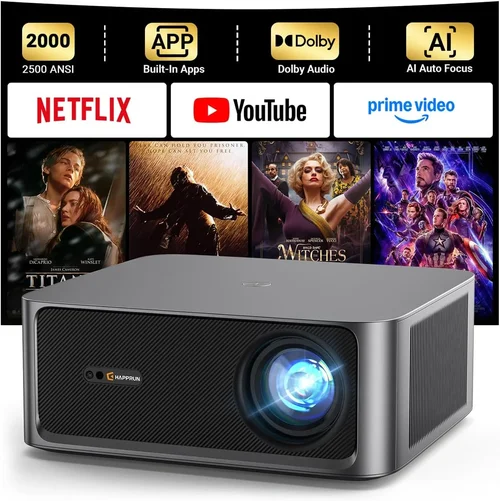
Expert Tips for Getting the Best Deal
- Timing is everything: Major sales events—Black Friday, Cyber Monday, and Amazon Prime Day—typically feature 20‑30 % discounts on home theater gear.
- Shop price‑match: Retailers like Best Buy and B&H honor price‑matching within 30 days. Keep screenshots of lower offers.
- Consider refurbished units: Certified refurbished projectors come with a warranty and can save you 15‑25 %.
- Bundle accessories: Some sellers offer screen‑plus‑projector bundles at a lower combined price.
- Test before you buy: If possible, visit a local audio‑visual store to compare image quality side‑by‑side.
- Check firmware updates: A recent firmware patch can fix color banding or improve lamp life, adding value to an older model.
- Read the return policy: A 30‑day return window with free shipping lets you verify performance in your actual space.

Frequently Asked Questions
Q: Do I need a separate screen, or can I project onto a wall?
A: While a plain white wall works, a dedicated projection screen dramatically improves gain, color accuracy, and contrast. For budgets under $1,000, a 100‑inch matte white screen (around $80‑$120) offers the best cost‑to‑performance ratio.
Q: How long does a projector lamp last?
A: Traditional UHP lamps last 2,000‑3,000 hours, while LED and laser light sources can exceed 20,000 hours. At three movies per week, a lamp‑based projector may need a replacement every 2‑3 years, adding to long‑term cost.
Q: Can I use my projector for gaming?
A: Absolutely—just watch for input lag. Models with 4 ms lag or lower and HDMI 2.1 support handle 4K @ 120 Hz gaming smoothly. Some DLP projectors are especially praised for low lag.
Q: Is 4K really necessary for a home cinema?
A: If you have a 4K source (streaming services, Blu‑ray, or gaming console) and sit close enough for the pixel density to matter (screen size under 120 inches), 4K provides noticeable detail. Otherwise, a high‑quality 1080p projector can still deliver a fantastic experience.
Q: What is HDR and do I need it?
A: HDR (High Dynamic Range) expands the contrast and color range. For bright rooms, HDR can make images pop. Look for HDR10 support; HDR10+ is a bonus but not essential at this price tier.
Q: How far should the projector be from the screen?
A: Use the throw‑ratio formula: Distance = Throw Ratio × Screen Width. A 1.5:1 throw ratio on a 100‑inch (88‑inch wide) screen requires about 11 ft of distance.
Q: Are portable projectors worth it?
A: Portable units excel for outdoor movies and travel, but they often sacrifice brightness and lens shift. If your primary setup is stationary, invest in a fixed‑install model for superior image quality.
Q: Do I need a separate sound system?
A: Most projectors have modest built‑in speakers (≤10 W). For a true cinema feel, pair the projector with a soundbar or a 5.1 surround system.
Q: How often should I clean the filter?
A: Clean the air filter every 50‑100 hours of use, or monthly if the projector runs daily. Dust buildup reduces brightness and can cause overheating.
Our Final Recommendations
- Best for Budget‑Conscious Buyers: Epson Home Cinema 1060 – 3,200 lumens, 1080p, excellent color accuracy, and a price around $650.
- Best Overall Value: BenQ HT3550i – 2,000 lumens, 4K DCI, HDR‑10, low input lag, and a solid 3‑year warranty at $945.
- Best Premium Option (Just Under $1,000): Optoma CinemaX P2 – Laser light source, 2,700 lumens, true 4K, 2,400:1 contrast, and built‑in Harman Kardon speakers for $999.
- Best for Beginners: ViewSonic M2 – LED, 1,200 lumens, portable, Android TV built‑in, and user‑friendly UI at $799.
- Best for Advanced Users: LG HU85LA Ultra‑Short‑Throw – Though slightly above $1,000, it offers 4K laser, 2,700 lumens, and wall‑mountable design for the ultimate space‑saving setup.
Conclusion: Making the Right Choice
Choosing the best home cinema projector under $1,000 boils down to aligning your viewing environment, usage habits, and budget. Prioritize brightness and contrast for your room’s lighting, verify that the resolution meets your source material, and don’t overlook practical features like lens shift and connectivity. By avoiding common mistakes, budgeting wisely, and leveraging the expert tips above, you’ll secure a projector that transforms movie nights into unforgettable cinematic experiences.
Ready to start your home‑theater journey? Browse the recommended models, compare specs, and take advantage of seasonal sales. Your perfect picture is just a click away.