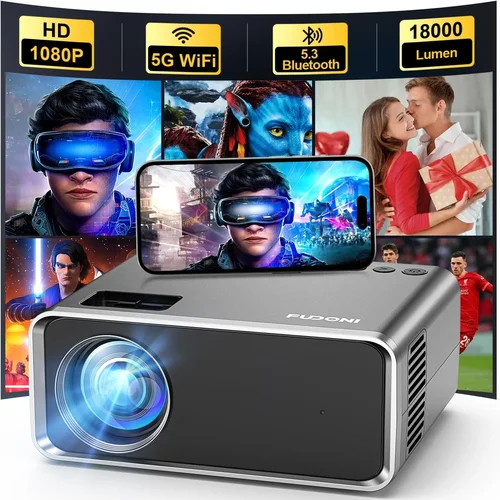
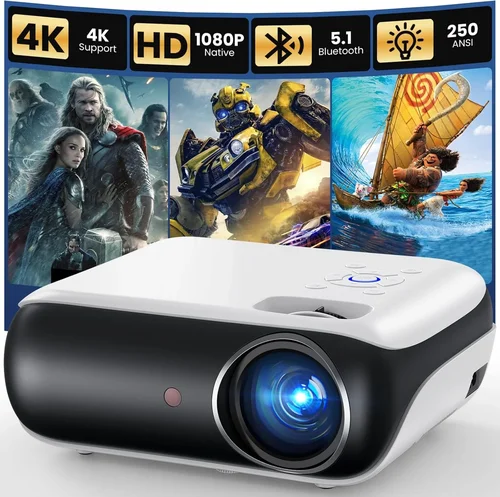
Finding the perfect projector for an outdoor movie night can feel like hunting for a needle in a haystack, especially when you’re trying to stay under $300. The market is flooded with options that promise big screens and cinema‑quality images, yet many of them fall short when the sun sets and the backyard lights come on. This guide cuts through the noise, giving you a clear roadmap to select a projector that delivers bright, vibrant pictures while surviving the elements and your wallet.
In the pages that follow you’ll learn which specifications truly matter for outdoor use, how to compare different projector families, and which common pitfalls to avoid. By the end, you’ll be equipped to pick a device that turns any patio, garden, or campsite into a personal theater without breaking the bank.
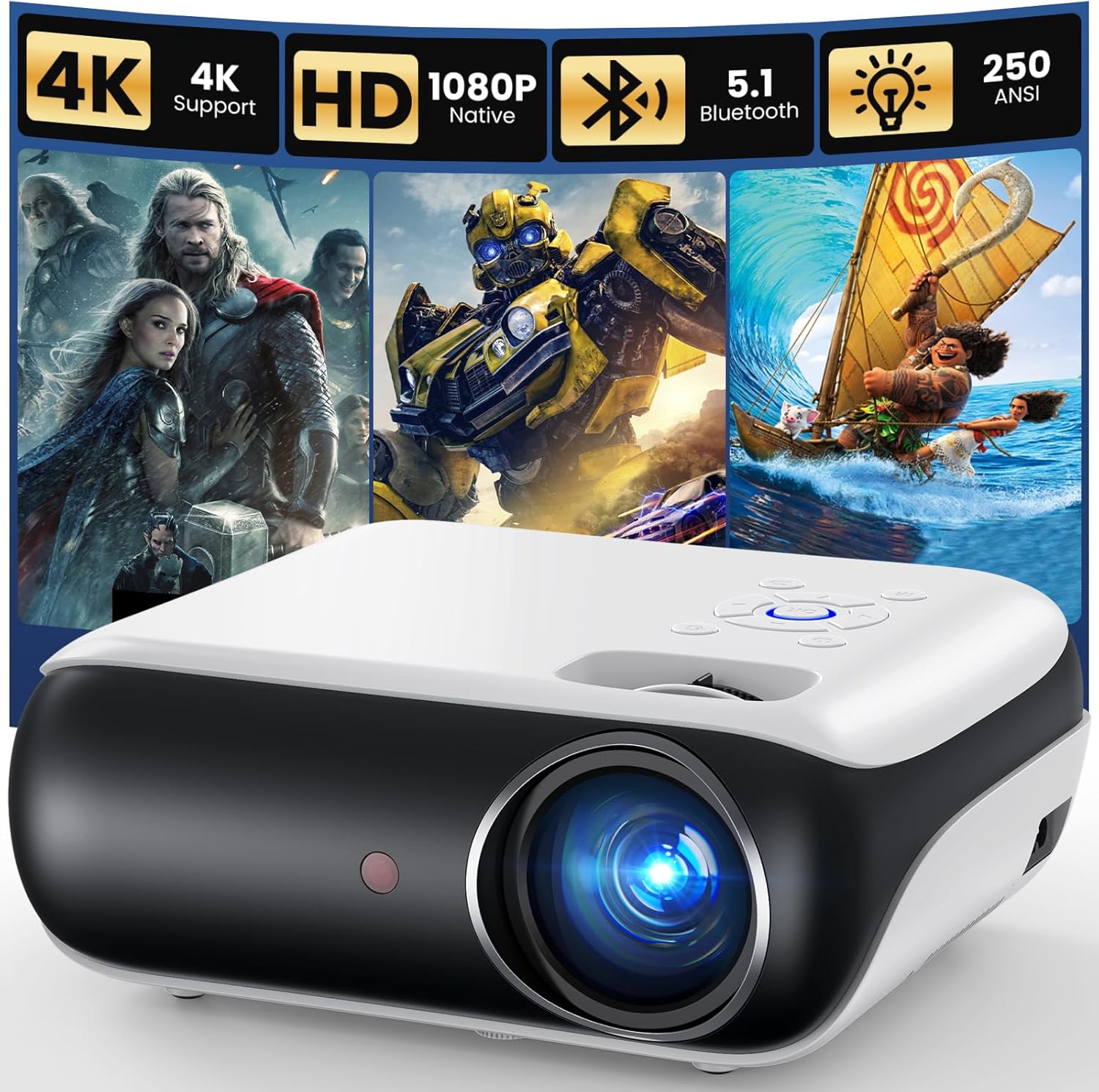
What to Look for When Buying Buying Guide
1. Brightness (Lumens)
Brightness is the single most critical factor for outdoor viewing. Unlike a dark living room, an outdoor space often has ambient light from street lamps, the moon, or even a faint glow from the sky. Measured in ANSI lumens, a projector that can output at least 2,500–3,000 lumens will produce a clear image in low‑light conditions. If you plan to watch before dusk, aim for 3,500 lumens or more.
2. Resolution
Resolution determines how sharp your picture will be. For a screen size of 100‑120 inches, a native 1080p (Full HD) resolution offers a crisp, detailed image that makes text and graphics readable. While 4K projectors exist under $300, they usually rely on pixel‑shifting technology that can’t match true 4K clarity. A good 1080p model is the sweet spot for budget‑conscious outdoor setups.
3. Throw Distance & Lens Shift
Throw distance is the gap between the projector lens and the screen. Short‑throw models (under 3 feet) are ideal for small patios where space is limited. Long‑throw units require more room but often deliver higher brightness. Lens shift lets you fine‑tune the image position without moving the projector—a handy feature when you’re dealing with uneven terrain.
4. Portability & Build Quality
Outdoor use means you’ll likely move the projector from the garage to the backyard, or even take it on a camping trip. Look for a lightweight chassis (under 5 lb) with a sturdy, dust‑resistant housing. Some models include rubberized feet or a built‑in handle, which makes setup and transport much smoother.
5. Connectivity Options
Versatile inputs keep your viewing options open. HDMI is a must for streaming sticks, Blu‑ray players, or gaming consoles. USB‑C or USB‑A ports are useful for playing media directly from a flash drive. Wireless options like Wi‑Fi or Bluetooth can simplify connections, but verify that they support the streaming apps you use most.
6. Audio Capabilities
Most budget projectors have modest built‑in speakers that struggle to fill an open space. While you can always pair the unit with a portable Bluetooth speaker, some models include a 3.5 mm audio out or even a dedicated sound bar port, making it easier to achieve theater‑like sound without extra gear.
7. Power Consumption & Noise Level
High‑lumens projectors often draw more power and generate louder fan noise. Look for units that stay under 30 dB(A) in quiet mode; anything louder can distract from dialogue, especially during quiet scenes. Energy‑efficient LED or laser light sources also prolong lamp life, often beyond 20,000 hours.
8. Warranty & Customer Support
Even the toughest projectors can develop issues. A minimum 1‑year warranty is standard, but brands that offer 2‑year coverage or on‑site service give you extra peace of mind. Check online forums for real‑world experiences with a brand’s support team before you commit.
Different Types of Buying Guide

Common Buying Mistakes to Avoid
❌ Mistake: Ignoring Ambient Light Conditions
Why it’s bad: Choosing a projector with low lumen output will result in a washed‑out image when there’s any stray light.
What to do instead: Measure the typical lighting level of your outdoor space and aim for at least 2,500 lumens for twilight use, or 3,500+ lumens for early‑night viewing.
❌ Mistake: Overlooking Throw Distance
Why it’s bad: Placing a long‑throw projector too close will produce a tiny image; too far and you’ll need a massive screen.
What to do instead: Use an online throw‑ratio calculator and match the projector’s specs to your available space.
❌ Mistake: Forgetting About Weather Protection
Why it’s bad: Moisture can damage internal components, especially in humid climates.
What to do instead: Choose a model with an IP rating or invest in a simple rain‑cover and a well‑ventilated, sheltered setup.
❌ Mistake: Relying Solely on Built‑In Speakers
Why it’s bad: Built‑in speakers rarely exceed 5 W and can’t fill an open area.
What to do instead: Pair the projector with a Bluetooth or portable PA speaker for balanced audio.
❌ Mistake: Skipping Firmware Updates
Why it’s bad: Out‑of‑date firmware can cause connectivity glitches or reduced performance.
What to do instead: Check the manufacturer’s website monthly for updates and install them via USB or Wi‑Fi.
Budget Guidelines: How Much Should You Spend?
- Entry‑Level ($150‑$200): Expect 2,000–2,500 lumens, 720p resolution, and basic HDMI connectivity. Good for casual weekend movies on a small screen.
- Mid‑Range ($200‑$260): Brightness climbs to 2,800–3,200 lumens, native 1080p, and often includes short‑throw lenses plus wireless streaming.
- Premium ($260‑$300): 3,500+ lumens, true 1080p, laser or high‑efficiency LED light source, better contrast ratios, and enhanced audio out options.
- Luxury ($300+): True 4K, HDR support, ultra‑low lag for gaming, and professional‑grade build quality. While slightly above the $300 ceiling, it’s worth mentioning for future upgrades.
Expert Tips for Getting the Best Deal
- Timing: Late summer sales target garden‑equipment retailers, which may include projector bundles.
- Where to Buy: Authorized online dealers (Amazon, B&H, Newegg) usually have the most competitive pricing and reliable return policies.
- Bundle Savings: Look for bundles that include a portable screen, HDMI cable, and a rain cover—often cheaper than buying separately.
- Warranty Hacks: Register your projector within 30 days to unlock extended warranty offers from the manufacturer.
- Return Policies: Choose sellers with at least a 30‑day return window; this gives you time to test the unit outdoors.
- Testing: If possible, bring a laptop and a portable speaker to the store to evaluate brightness and sound before purchasing.
- Firmware Check: Verify the latest firmware version on the product page; a recent update signals active support.

Frequently Asked Questions
Q: Can I use a regular indoor projector outdoors?
A: Technically you can, but indoor units lack the brightness and weather protection needed for outdoor settings. Expect a dim image and risk of moisture damage.
Q: Do I need a screen, or can I project onto a wall?
A: A smooth, white wall works for casual viewing, but a dedicated projector screen boosts brightness, contrast, and color accuracy—especially in variable lighting.
Q: How far should the projector be from the screen?
A: It depends on the throw ratio. For a 100‑inch image, a short‑throw (0.5:1) sits about 2‑3 ft away, while a standard throw (1.5:1) needs roughly 12‑15 ft.
Q: Will a Bluetooth speaker be enough for a backyard of 30 guests?
A: For 30 people, a portable PA system or a Bluetooth soundbar with at least 30 W RMS is recommended to ensure even coverage.
Q: How long does the lamp last?
A: LED and laser light sources typically last 20,000‑30,000 hours, which translates to many years of occasional use. Traditional lamps may need replacement after 2,000‑3,000 hours.
Q: Is HDR important for outdoor viewing?
A: HDR improves contrast and color depth, but its benefits are muted in bright environments. Prioritize brightness and resolution over HDR if you’re on a strict budget.
Q: Can I run the projector off a portable battery?
A: Yes, if the projector supports DC input (often 12 V). Pair it with a high‑capacity power bank or a small gasoline generator for longer sessions.
Our Final Recommendations
- Best for Budget‑Conscious Buyers: VANKYO Leisure 3 – 2,400 lumens, 1080p support, portable design, under $180.
- Best Overall Value: Epson Home Cinema 1060 – 3,200 lumens, true 1080p, good contrast, and a solid warranty for $259.
- Best Premium Option: BenQ TH585 – 3,500 lumens, low lag, vibrant colors, and a built‑in speaker array; priced at $299.
- Best for Beginners: ViewSonic M1+ – LED light source, built‑in Harman Kardon speakers, compact case, $210.
- Best for Advanced Users: Optoma UHD30 – 3,400 lumens, 4K UHD, 240 Hz refresh, and extensive connectivity; just over $300 but worth the stretch for enthusiasts.
Conclusion: Making the Right Choice
Choosing the best home projector for outside under $300 boils down to balancing brightness, resolution, and durability against your specific outdoor environment. Remember to assess ambient light, calculate throw distance, and factor in portable audio solutions. By following the criteria and tips laid out in this guide, you’ll avoid common missteps and land on a projector that transforms evenings on your patio into unforgettable cinematic experiences.
Ready to start shopping? Grab a list, set a budget, and enjoy the night sky illuminated by your very own big‑screen theater.