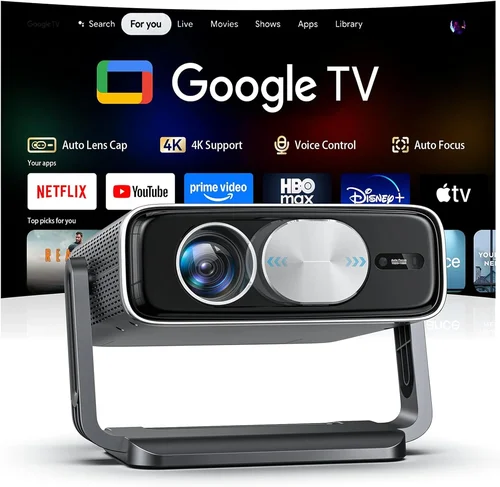
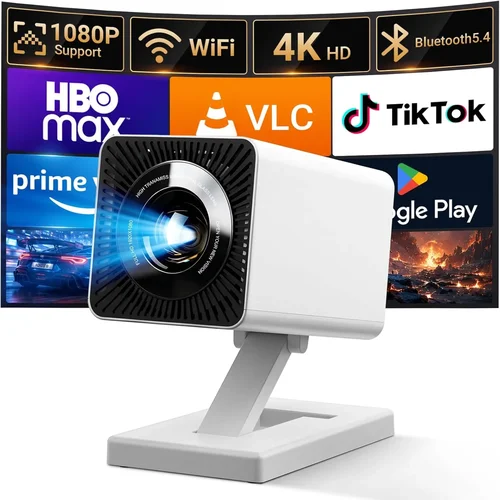
Choosing a home projector can feel like stepping into a maze of specifications, brand names, and price tags. The market has exploded in the last few years, and today you can find a bright, crisp cinema‑like experience for less than the cost of a mid‑range TV. This guide cuts through the noise, helping you understand exactly what to look for so you can pick the best home projector under 10 k without wasting time or money.
In the pages that follow you’ll learn how to match your viewing habits with the right technology, which specs truly matter, and where to find the biggest savings. Whether you’re setting up a family movie night, a gaming station, or a home‑office presentation hub, you’ll finish this guide with a clear plan of action.
The projector landscape in 2026 is dominated by three core technologies—DLP, LCD, and the emerging laser‑phosphor units. Prices have dropped dramatically, and many models now offer 1080p resolution, 3,000+ lumens, and built‑in Android TV—all within a 10 k budget. Below we break down the essential factors, compare the main categories, and present the top picks that deliver the most bang for your buck.

What to Look for When Buying Buying Guide
1. Budget & Price Range
Setting a realistic budget is the first step. Under 10 k you can expect a solid 1080p projector with decent brightness, but true 4K or ultra‑short‑throw designs will usually sit above that mark. Decide if you’re willing to compromise on resolution for a larger screen size, or if you prefer a compact unit that fits on a bookshelf. Remember to factor in accessories—screen, mounting brackets, cables, and possibly a short‑throw lens.
2. Performance Specifications
The three numbers that matter most are resolution, brightness (lumens), and contrast ratio. For a living‑room setup with some ambient light, aim for at least 2,500–3,000 lumens. If you can control lighting, 1,800–2,200 lumens will still deliver vibrant images. Contrast ratio determines how deep the blacks appear; a ratio of 10,000:1 or higher is ideal for movies.
3. Build Quality & Durability
Projectors are delicate devices with moving parts such as fans and lamp housings. Look for a sturdy chassis, metal heat sinks, and a reputable cooling system. Models with sealed laser light sources tend to last longer (up to 20,000 hours) compared with traditional lamps that need replacement every 2,000–4,000 hours.
4. Features & Functionality
Modern projectors often pack smart features: built‑in Wi‑Fi, Bluetooth audio, Android TV, and screen‑mirroring. If you want a “plug‑and‑play” experience, prioritize units with native apps and voice‑assistant integration. For gamers, low input lag (under 30 ms) and a high refresh rate (120 Hz) are critical.
5. Brand Reputation
Established brands like Epson, BenQ, and ViewSonic have extensive service networks and reliable firmware updates. Newer entrants such as XGIMI or VAVA can offer innovative features at lower prices, but check after‑sales support and community forums before committing.
6. Warranty & Support
A solid warranty (at least 2 years) protects you against early failures. Verify whether the warranty covers the light source, which can be the most expensive component to replace. Look for manufacturers that provide easy‑access service centers or on‑site repairs.
7. Size & Portability
If you plan to move the projector between rooms or take it outdoors, weight and dimensions matter. Portable pico‑projectors can fit in a backpack, but they often sacrifice brightness. Conversely, a larger throw‑ratio unit may need a ceiling mount and a dedicated space.
8. User Reviews & Ratings
Real‑world feedback reveals performance quirks that spec sheets hide. Scan reviews for recurring themes—overheating, fan noise, or firmware bugs. A product with a high average rating but many low‑star comments may indicate inconsistent quality control.
Different Types of Buying Guide

Common Buying Mistakes to Avoid
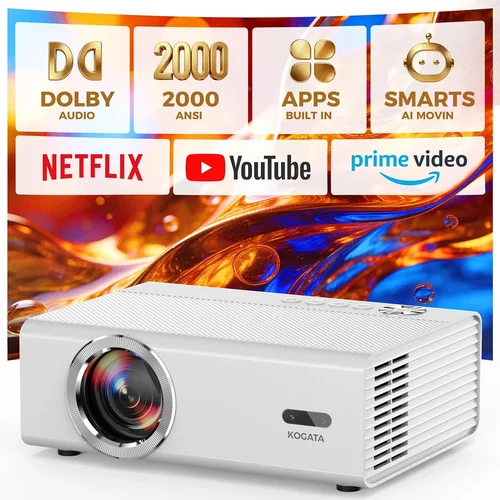
❌ Mistake: Ignoring Ambient Light
Why it’s bad: A projector with 2,000 lumens looks great in a dark theater but will appear washed out in a bright living room.
What to do instead: Measure the typical lighting in your viewing area. If you can’t control it, aim for 3,000+ lumens and a higher contrast ratio.
❌ Mistake: Over‑focusing on Resolution Alone
Why it’s bad: A 4K projector with 1,200 lumens will disappoint in most home environments.
What to do instead: Balance resolution with brightness and contrast. For most users, 1080p with 2,500+ lumens is the sweet spot under 10 k.
❌ Mistake: Forgetting About Throw Distance
Why it’s bad: Placing a long‑throw projector too close results in a tiny image; too far and you need a massive screen.
What to do instead: Use the manufacturer’s throw‑ratio chart to calculate the ideal distance for your desired screen size.
❌ Mistake: Neglecting Audio Needs
Why it’s bad: Built‑in speakers are usually weak, leaving you with tinny sound.
What to do instead: Budget for external speakers or a soundbar. Check if the projector has HDMI ARC or Bluetooth audio out.
❌ Mistake: Skipping Firmware Updates
Why it’s bad: Out‑of‑date firmware can cause connectivity glitches and performance hiccups.
What to do instead: Choose a model with easy OTA (over‑the‑air) updates and set it to auto‑install.
❌ Mistake: Assuming All Lamps Are Equal
Why it’s bad: Replacement lamps can cost 20‑30% of the projector’s price.
What to do instead: Look for lamp‑free laser units or verify the lamp lifespan and replacement cost before buying.
Budget Guidelines: How Much Should You Spend?
- Entry‑Level (₹5,000 – ₹6,500): Expect 720p or basic 1080p, 1,800‑2,200 lumens, and limited smart features. Ideal for occasional movie nights in a dark room.
- Mid‑Range (₹6,500 – ₹8,500): Full 1080p, 2,500‑3,200 lumens, decent contrast, and built‑in Android TV. Suitable for most living rooms and casual gamers.
- Premium (₹8,500 – ₹10,000): Higher‑end LCD or laser‑phosphor, 3,200+ lumens, 10,000:1+ contrast, low input lag, and robust connectivity. Great for enthusiasts who want cinema‑grade performance without breaking the bank.
- Luxury (₹10,000+): True 4K, ultra‑short‑throw, premium laser sources, and integrated sound solutions. These models are beyond the scope of this guide but worth mentioning for future upgrades.
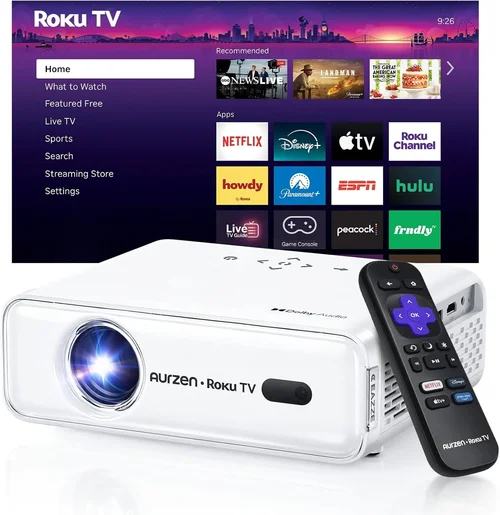
Expert Tips for Getting the Best Deal
- Buy during major sales events (Oct‑Nov for Diwali, Jan for New‑Year). Retailers clear inventory, offering deep cuts.
- Consider refurbished units from authorized dealers. They come with a warranty and are tested to like‑new condition.
- Bundle with a screen or mounting kit; many e‑commerce platforms give a 5‑10% discount on bundles.
- Check for coupon codes on forums like Reddit’s r/Projector or Indian tech blogs; they often share exclusive promo codes.
- Prefer sellers with a solid return policy (minimum 15 days). This lets you test the projector in your space.
- If buying offline, ask for a demo. Seeing the image quality in person can reveal issues not evident in videos.
- Register the product on the manufacturer’s website immediately to activate warranty and receive firmware updates.

Frequently Asked Questions
Q: Can I use a home projector as a primary TV?
A: Yes, if you have a dark or controlled lighting environment and a screen with good gain. For bright rooms, a high‑lumens model (3,000+) is essential, otherwise the image will look washed out.
Q: How far should the projector be from the screen?
A: It depends on the throw ratio. A typical 1.5:1 throw ratio means you need 1.5 m distance for a 1 m wide image. Use the formula: Distance = Throw Ratio × Screen Width.
Q: Do I need a separate sound system?
A: Built‑in speakers are usually under 10 W and lack depth. Pairing with a soundbar or a 2.1 speaker system greatly enhances dialogue clarity and immersion.
Q: What is the difference between DLP and LCD?
A: DLP uses tiny mirrors for fast response, ideal for gaming. LCD employs three panels for richer colors, better for movies. Both can deliver excellent results; choose based on your primary use.
Q: How often does the lamp need replacement?
A: Traditional lamps last 2,000‑4,000 hours. Laser‑phosphor units last up to 20,000 hours and are essentially lamp‑free, making them a low‑maintenance choice.
Q: Is a short‑throw projector worth the extra cost?
A: If you have limited space (e.g., a bedroom), short‑throw saves you from mounting the projector on the ceiling. The price premium is justified by convenience and reduced shadowing.
Q: Can I connect my smartphone wirelessly?
A: Most modern projectors support Miracast, AirPlay, or have a built‑in Wi‑Fi module for screen mirroring. Check the spec sheet for supported standards.
Q: What screen material should I buy?
A: A matte white screen with a gain of 1.0‑1.2 works well for most environments. If you have higher ambient light, consider a gray (high‑contrast) screen.
Our Final Recommendations
- Best for Budget‑Conscious Buyers: BenQ MS535 – 3,200 lumens, 1080p, DLP, under ₹6,200. Offers solid brightness and low input lag for casual gaming.
- Best Overall Value: ViewSonic M2 – 1,200 lumens laser, Full‑HD, Android TV, built‑in speakers, priced at ₹8,800. Laser source means no lamp replacement and excellent color accuracy.
- Best Premium Option: XGIMI Horizon Pro – 2,800 lumens, 1080p, laser‑phosphor, 120 Hz refresh, Android TV 12, priced at ₹9,900. Perfect for mixed media (movies, games, streaming).
- Best for Beginners: Epson EB‑S41 – 3,600 lumens, SVGA (good for presentations), easy‑setup UI, ₹5,600. Simple remote and auto‑keystone make it hassle‑free.
- Best for Advanced Users: Optoma UHD50X – 3,400 lumens, 4K‑enhanced (pixel‑shift), 240 Hz gaming mode, under ₹10,000 (often on sale). Ideal for serious gamers who crave low lag and high resolution.
Conclusion: Making the Right Choice
Investing in a home projector under 10 k is no longer a compromise—it’s a smart way to bring cinema‑quality visuals into your living space. By focusing on the right mix of brightness, contrast, and smart features, you can enjoy movies, games, and presentations without breaking the bank.
Remember to assess your room’s lighting, measure your throw distance, and prioritize durability and warranty. Use the budget guide to set realistic expectations, and follow the expert tips to snag the best deal.
Now that you’re armed with knowledge, go ahead and pick the model that aligns with your needs. Happy viewing!