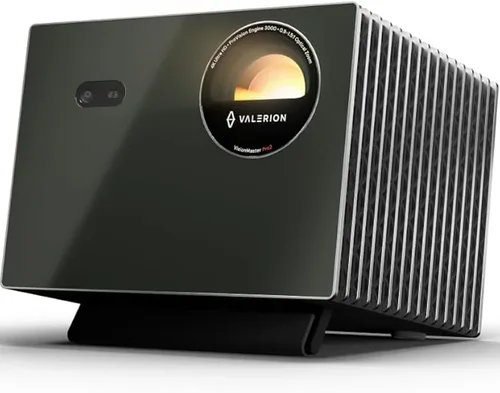
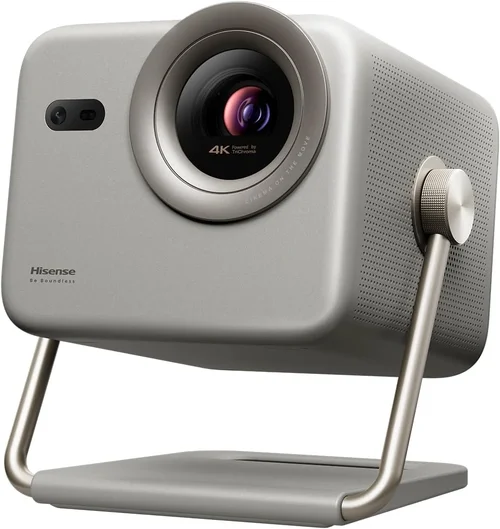
Finding a high‑quality laser projector without blowing your budget used to feel like hunting for a unicorn. In 2026 the market has finally caught up, offering several solid options under $500 that deliver bright, crisp images and a surprisingly long lamp life. This guide cuts through the noise so you can pick the right model for movie nights, gaming sessions, or a home‑office setup.
We’ll walk you through the most important specs, compare the different projector families, flag common pitfalls, and hand‑pick the best choices for a variety of needs and wallets. By the end you’ll know exactly what to look for, how much you should spend, and where to snag the best deal.

What to Look for When Buying Buying Guide
1. Budget & Price Range
Even within the sub‑$500 segment there’s a wide price spread. A $199 model may lack essential connectivity, while a $479 unit could include built‑in speakers and a higher native resolution. Set a hard ceiling, then decide which features you’re willing to trade off. Remember that a slightly higher upfront cost often translates into a longer lamp life and fewer accessory purchases later.
2. Performance Specifications
The heart of any projector is its brightness (measured in lumens), contrast ratio, and native resolution. For laser projectors under $500, expect 2,500–3,500 ANSI lumens, 1080p (Full HD) or 720p native resolution, and a contrast ratio of at least 2,000:1. Higher lumens help in well‑lit rooms, while a true 1080p panel ensures sharp text and detailed images—crucial for gaming and productivity.
3. Build Quality & Durability
Laser light sources are inherently more durable than traditional lamps, but the chassis still matters. Look for metal housing or reinforced polymer frames, sealed ventilation to keep dust out, and a sturdy kickstand. A solid build reduces wobble, protects internal optics, and extends the overall lifespan of the unit.
4. Features & Functionality
Key features to prioritize include:
- HDMI 2.0 or higher for 4K‑compatible sources and 60 Hz refresh rates.
- USB‑C power delivery if you plan to power the projector from a laptop.
- Wireless screen mirroring (Miracast, AirPlay, or Chromecast built‑in).
- Built‑in speakers—while they rarely replace a dedicated sound system, a 5‑10 W stereo pair is useful for casual viewing.
- Keystone correction (automatic or manual) to fix distortion when the projector isn’t perfectly centered.
5. Brand Reputation
Brands such as ViewSonic, BenQ, Epson, and Anker have established track records for laser projectors. A reputable brand typically offers better firmware updates, more accessible spare parts, and clearer warranty terms. Check community forums and professional reviews to gauge long‑term satisfaction.
6. Warranty & Support
Laser projectors often come with a 2‑year standard warranty, but some manufacturers extend it to three years or offer optional on‑site service. Verify what’s covered—most warranties include the laser engine and optics but exclude accidental damage. Good after‑sales support can save you headaches if the unit develops a dead pixel or connectivity issue.
7. Size & Portability
If you plan to move the projector between rooms or take it on the road, dimensions and weight matter. Most sub‑$500 laser models weigh between 2.5–4 lb and have a compact footprint that fits into a backpack. Look for a quick‑release lens cap and a detachable power cord for easier packing.
8. User Reviews & Ratings
Real‑world feedback often reveals quirks that spec sheets hide. Scan Amazon, B&H, and specialized AV forums for recurring themes—such as fan noise, remote responsiveness, or software glitches. Prioritize models with a minimum of 4‑star average rating and at least 50 verified reviews.
Different Types of Buying Guide
Common Buying Mistakes to Avoid
❌ Mistake: Ignoring Ambient Light Requirements
Why it’s bad: A projector rated at 2,500 lumens may look brilliant in a dark home theater but will appear washed out in a bright living room.
What to do instead: Measure the typical lighting in your intended space and aim for at least 3,000 lumens if you cannot control ambient light.
❌ Mistake: Over‑Focusing on Resolution Alone
Why it’s bad: A 1080p projector with poor contrast will still deliver dull images, especially for movies with dark scenes.
What to do instead: Balance resolution with contrast ratio and brightness. For budget models, a 720p with high lumens may outperform a low‑lumens 1080p unit.
❌ Mistake: Forgetting About Throw Distance
Why it’s bad: Placing a projector too close or too far can force you to use extreme zoom, reducing image sharpness.
What to do instead: Check the throw ratio (e.g., 1.2‑1.5). For a 100‑inch screen, a 1.2 ratio needs roughly 10 ft of distance. Choose a model that fits your room dimensions.
❌ Mistake: Dismissing Fan Noise
Why it’s bad: Laser projectors run fans continuously. Excessive noise can distract during movies or gaming.
What to do instead: Look for decibel ratings (≤30 dB is quiet). Read user reviews for real‑world noise levels.
❌ Mistake: Assuming All Ports Are Equal
Why it’s bad: A projector with only VGA or HDMI 1.2 limits compatibility with modern consoles and laptops.
What to do instead: Prioritize HDMI 2.0+, USB‑C, and wireless casting options. Verify that the ports support the resolution and refresh rate you need.
❌ Mistake: Skipping the Warranty Fine Print
Why it’s bad: Some warranties exclude the laser engine after the first year, leaving you with costly repairs.
What to do instead: Read the warranty details carefully. Consider purchasing an extended warranty if you plan heavy usage.
Budget Guidelines: How Much Should You Spend?
Understanding what you get at each price tier helps you set realistic expectations.
- Entry‑Level ($200‑$300): Expect 720p native resolution, 2,500 lumens, basic HDMI, and no built‑in speakers. Ideal for casual movie nights in dark rooms.
- Mid‑Range ($300‑$400): Most models hit 1080p, 3,000+ lumens, improved contrast, and include wireless mirroring. This tier offers the best value for mixed use (movies, gaming, presentations).
- Premium ($400‑$500): Higher brightness (up to 3,500 lumens), advanced keystone correction, dual‑band Wi‑Fi, and better audio. Suitable for bright living rooms and frequent gamers.
- Luxury ($500+): While beyond our focus, luxury models add 4K upscaling, HDR support, and premium lenses. Consider only if you have a larger budget.
Expert Tips for Getting the Best Deal
- Timing is everything: Major sales events (Black Friday, Cyber Monday, Amazon Prime Day) often feature 20‑30% off laser projectors.
- Shop refurbished: Certified refurbished units from the manufacturer come with a full warranty at a 15‑25% discount.
- Bundle wisely: Look for bundles that include a screen, HDMI cable, and mounting hardware. The combined price is usually lower than buying separately.
- Check local electronics stores: Some brick‑and‑mortar retailers price‑match online offers, letting you see the unit in person before buying.
- Read the return policy: A 30‑day return window gives you time to test the projector in your actual environment.
- Test for fan noise: Bring headphones and listen to the projector while it runs at full brightness for 10 minutes.
- Upgrade firmware: After purchase, visit the manufacturer’s support page and install the latest firmware to improve performance and fix bugs.
- Consider future accessories: If you plan to add a soundbar or external streaming stick, ensure the projector has enough HDMI ports and supports ARC or HDMI‑CEC.

Frequently Asked Questions
Q: Do laser projectors really last longer than lamp‑based ones?
A: Yes. Laser light sources typically have a rated lifespan of 20,000–30,000 hours, compared to 2,000–5,000 hours for traditional lamps. This means you’ll rarely need to replace the light source, even with daily use.
Q: Can I use a laser projector for outdoor movie nights?
A: Absolutely, provided you have a dark environment and a suitable screen or white wall. Choose a model with at least 3,000 lumens and a high contrast ratio to combat ambient light from street lamps.
Q: Is HDMI 2.0 necessary for gaming?
A: For 1080p gaming at 60 Hz, HDMI 1.4 is sufficient. However, HDMI 2.0 ensures compatibility with future consoles and allows HDR passthrough, which can enhance visual quality.
Q: How important is keystone correction?
A: Keystone correction helps when the projector can’t be placed directly in front of the screen. Automatic correction is convenient, but it can slightly reduce image sharpness. Physical placement adjustments are always preferable.
Q: Do built‑in speakers matter?
A: Built‑in speakers are acceptable for casual viewing, but they lack the depth of a dedicated sound system. For movies or immersive gaming, pair the projector with a soundbar or external speakers.
Q: Will a laser projector work with my laptop’s USB‑C port?
A: Many 2026 models include USB‑C with DisplayPort Alt Mode, allowing you to transmit video and power simultaneously. Verify the laptop’s output specifications to ensure compatibility.
Q: Are there any health concerns with laser projectors?
A: Laser projectors use Class 1 lasers, which are safe for typical home use. They emit no harmful radiation and meet strict safety standards.
Q: How do I clean the lens?
A: Use a soft, lint‑free microfiber cloth and a small amount of lens‑cleaning solution. Avoid pressing hard on the lens to prevent scratches.
Q: What is the ideal screen size for a projector under $500?
A: For most living rooms, a 100‑120 inch diagonal screen provides an immersive experience without demanding excessive brightness.
Q: Can I mount the projector on the ceiling?
A: Yes, if the model includes a standard ¼‑inch mounting thread. Ensure the ceiling mount can support the projector’s weight (usually up to 5 lb).
Our Final Recommendations
- Best for Budget‑Conscious Buyers: Anker Nebula MiniBeam 2 – $219, 720p, 2,600 lumens, compact, built‑in Android TV, and a 2‑hour battery.
- Best Overall Value: ViewSonic M2e – $379, native 1080p, 3,200 lumens, 3,000:1 contrast, Wi‑Fi, Bluetooth, and Harman Kardon speakers.
- Best Premium Option: BenQ GS2 – $489, 1080p, 3,400 lumens, low‑lag gaming mode, auto‑keystone, and a rugged design for indoor/outdoor use.
- Best for Beginners: Epson EF‑100 – $299, 720p, 2,800 lumens, simple plug‑and‑play, and a user‑friendly remote.
- Best for Advanced Users: Optoma GT5600 – $499, 1080p, 3,500 lumens, 4K‑enhanced, high refresh rate, and extensive connectivity (2× HDMI, USB‑C).
Conclusion: Making the Right Choice
Choosing the best laser projector under $500 boils down to balancing brightness, resolution, and extra features against the size of your room and how you plan to use the device. Start by defining your primary use case—movie nights, gaming, or presentations—then match the specifications we’ve highlighted to that scenario. Remember to factor in ambient light, throw distance, and future accessories.
With the right research, you can secure a projector that delivers cinema‑quality visuals without draining your wallet. Take advantage of seasonal sales, verify warranty terms, and, if possible, test the unit in your own space before committing. Happy projecting!