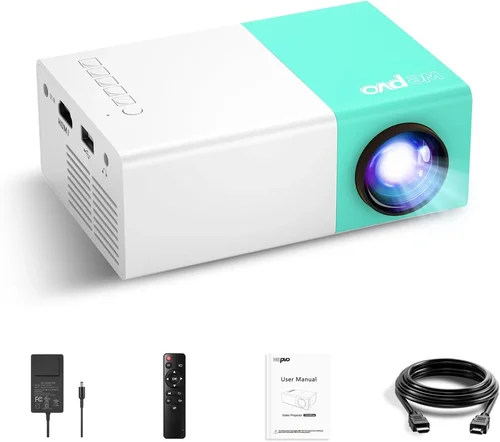
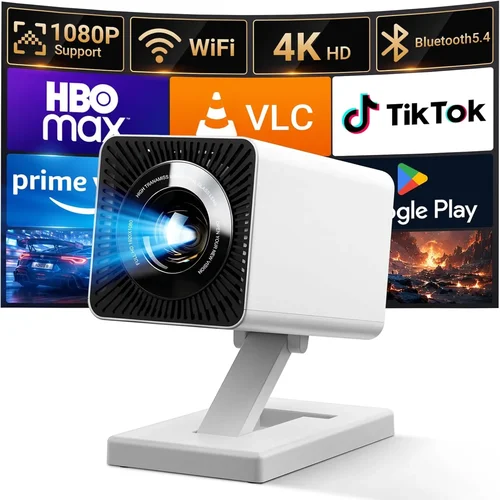
Finding a projector that delivers crisp images, vibrant colours, and reliable performance without breaking the bank can feel like searching for a needle in a haystack. The Indian market is flooded with options, especially in the LED segment, where manufacturers constantly push the envelope on brightness, resolution, and smart features. This guide cuts through the noise, giving you a clear roadmap to pick the best LED projector under ₹10,000.
In the pages that follow, you’ll learn which specifications truly matter, how to match a projector to your living space, and which common pitfalls to sidestep. Whether you’re setting up a home cinema in a compact apartment, need a portable device for presentations, or simply want a versatile gadget for gaming and streaming, this guide equips you with the knowledge to make a confident purchase.
The LED projector market in 2026 has matured dramatically. Prices have dropped, battery life has improved, and built‑in Android TV platforms are now standard in many models. At the same time, manufacturers still differentiate themselves through brightness (measured in lumens), native resolution, and connectivity options. By understanding these trends, you can spot the sweet spot where performance meets affordability.

What to Look for When Buying Buying Guide
1. Budget & Price Range
When you set a ceiling of ₹10,000, you automatically narrow the field to entry‑level and some mid‑range models. The key is to know what compromises are acceptable. A lower price often means lower native resolution (usually 720p) and reduced brightness (around 2,500‑3,000 lumens). However, many manufacturers offset these drawbacks with enhanced image processing algorithms and built‑in speakers.
Ask yourself: Do I need a projector for daylight use, or will I mostly watch in a dim room? If the latter, you can comfortably opt for a model on the lower end of the brightness spectrum, freeing up budget for better connectivity or a longer warranty.
2. Performance Specifications
Three specs dominate the conversation:
- Resolution: Native 720p (1280×720) is common under ₹10,000, while some newer models push 1080p (1920×1080) through upscaling. True 1080p panels are rare but worth the extra rupees if you plan to use the projector for gaming or detailed presentations.
- Brightness: Measured in ANSI lumens. For indoor use with minimal ambient light, 2,500–3,500 lumens is sufficient. If you anticipate occasional daytime viewing, look for models claiming 3,500+ lumens.
- Contrast Ratio: Higher ratios (e.g., 2,000:1) produce deeper blacks, essential for movies. LED projectors generally have lower contrast than laser or DLP units, but software enhancements can narrow the gap.
3. Build Quality & Durability
LED light sources last 20,000–30,000 hours, far outpacing traditional lamps. Still, the chassis matters. Look for a sturdy ABS or aluminium housing, especially if you intend to move the projector frequently. Rubberised feet and a protective carry‑case are added bonuses that extend the device’s lifespan.
4. Features & Functionality
Modern LED projectors are no longer just “display devices.” Key features to evaluate include:
- Built‑in Android TV: Enables streaming apps (YouTube, Netflix, Prime Video) without an external box.
- Wireless Mirroring: Support for Miracast, AirPlay, or Chromecast built‑in makes sharing phone or laptop screens effortless.
- Multiple Ports: HDMI 2.0, USB‑C (for power or video), USB‑A (for media playback), and a 3.5 mm audio jack.
- Keystone Correction & Lens Shift: Essential for flexible placement; 10°–30° keystone is common in this price bracket.
5. Brand Reputation
While many Chinese manufacturers dominate the low‑cost segment, brands like Epson, BenQ, and ViewSonic have begun offering budget LED lines in India. Established brands typically provide better firmware updates and more reliable after‑sales service. However, newer brands often deliver higher specs for the same price, so read user reviews carefully.
6. Warranty & Support
A minimum 1‑year warranty on the projector and a separate 2‑year warranty on the LED lamp are advisable. Check whether the warranty covers accidental damage or only manufacturing defects. Access to a local service centre can save you time and money if something goes wrong.
7. Size & Portability
If you need a device that fits in a backpack for weekend movie nights, weight under 1.5 kg and a compact footprint (≈ 150 mm × 150 mm × 80 mm) are important. Some models even include a built‑in battery (up to 2 hours of playback), which is handy for outdoor use.
8. User Reviews & Ratings
Real‑world feedback often reveals issues that specifications hide—like overheating, firmware glitches, or noisy fans. Prioritise products that maintain an average rating of 4.0 stars or higher on major Indian e‑commerce platforms, and read both positive and negative comments to gauge consistency.
Different Types of Buying Guide

Common Buying Mistakes to Avoid
❌ Mistake: Ignoring Ambient Light Conditions
Why it’s bad: A projector rated at 2,500 lumens will look washed out in a sunny room, ruining the viewing experience.
What to do instead: Measure the typical lighting in your intended space. If you cannot control ambient light, aim for at least 3,500 lumens or consider a projector with a high contrast ratio.
❌ Mistake: Over‑focusing on Resolution Alone
Why it’s bad: A 1080p panel with poor brightness may look worse than a 720p model with superior lumens and colour accuracy.
What to do instead: Balance resolution with brightness and contrast. For movies in a dark room, 720p can be perfectly acceptable if the projector is bright enough.
❌ Mistake: Forgetting About Connectivity
Why it’s bad: You might end up buying a projector that cannot accept the devices you already own (e.g., no HDMI‑ARC for soundbars).
What to do instead: List all the devices you plan to connect—gaming console, streaming stick, laptop—and ensure the projector offers the required ports.
❌ Mistake: Neglecting Warranty Details
Why it’s bad: A cheap projector may have a “90‑day” warranty that excludes LED failure, leaving you with costly repairs.
What to do instead: Verify the warranty length, what it covers, and where service centres are located before purchasing.
❌ Mistake: Assuming All LED Projectors Are Silent
Why it’s bad: Some low‑cost models use cheap fans that generate audible noise, distracting from movies or presentations.
What to do instead: Check user reviews for fan noise levels (measured in dB). Prefer models that advertise “fan‑less” or “silent operation” under 30 dB.
❌ Mistake: Not Testing the Throw Distance
Why it’s bad: A projector with a short‑throw lens may not fit in a small room, leading to image distortion.
What to do instead: Calculate the required throw distance using the manufacturer’s throw ratio (e.g., 1.2‑1.5). Ensure your room can accommodate that distance.
Budget Guidelines: How Much Should You Spend?
Even within the ₹10,000 ceiling, you can segment the market to better understand what each price band offers.
- Entry‑Level (₹5,000‑₹6,500): Expect 720p resolution, 2,500 lumens, basic Android TV (often Android 7), and limited ports (usually one HDMI). Ideal for occasional movie nights in dark rooms.
- Mid‑Range (₹6,500‑₹8,500): You’ll find 720p‑1080p upscaling, 3,000‑3,500 lumens, better colour reproduction (DCI‑P3 coverage ~70%), and added features like Bluetooth audio and keystone correction up to 30°.
- Premium (₹8,500‑₹10,000): This tier pushes native 1080p in rare cases, offers 4,000 lumens, built‑in speakers with 10 W output, and more robust connectivity (HDMI‑ARC, USB‑C Power Delivery). Expect a longer warranty (up to 2 years) and a sturdier chassis.
Expert Tips for Getting the Best Deal
- Timing: New models are typically launched in Q1 and Q3. Buying just after a launch can fetch you a price cut on the previous generation.
- Where to Buy: Compare prices on Amazon, Flipkart, and local electronics chains like Croma. Some brick‑and‑mortar stores offer instant exchange policies that online platforms lack.
- Spotting Deals: Look for bundle offers that include a HDMI cable, a wall‑mount kit, or a 1‑year subscription to a streaming service. These add value without inflating the base price.
- Warranty Hacks: Register the product on the manufacturer’s website within 30 days to unlock extended warranty options (often an extra 6 months for free).
- Return Policies: Choose sellers that provide at least a 10‑day return window with free pick‑up. This gives you a safety net to test the projector in your own environment.
- Testing Before Buying: If possible, visit a physical store and project a test image onto a white wall. Assess brightness, colour accuracy, and fan noise on the spot.
- Future‑Proofing: Opt for a model with a USB‑C port that supports video‑over‑USB‑C and power delivery. This ensures compatibility with upcoming laptops and smartphones.

Frequently Asked Questions
Q: Can an LED projector under ₹10,000 replace a TV for daily use?
A: It can, provided you watch mostly in a dimmed room and don’t need ultra‑high resolution for gaming. Brightness and contrast are adequate for casual movies and TV shows, but fast‑moving sports may show motion blur.
Q: How long does the LED light source actually last?
A: Most manufacturers guarantee 20,000–30,000 hours of operation, which translates to roughly 5–7 years of daily 3‑hour use.
Q: Is a built‑in battery worth the extra cost?
A: For outdoor picnics or backyard cinema, a 2‑hour battery is handy. However, battery life degrades over time, and you’ll likely need a power outlet for longer sessions.
Q: Do I need a separate sound system?
A: Built‑in speakers in budget LED projectors usually output 5‑10 W, sufficient for small rooms. For a true home‑theatre feel, connect a soundbar or external speakers via the 3.5 mm jack or Bluetooth.
Q: What is the difference between keystone correction and lens shift?
A: Keystone correction digitally adjusts the image shape, which can slightly reduce image quality. Lens shift physically moves the lens, preserving native resolution—rare in sub‑₹10,000 models.
Q: Are Android TV projectors vulnerable to malware?
A: While the risk is low, stick to reputable app stores and avoid sideloading unknown APKs. Regular firmware updates from the manufacturer also mitigate security concerns.
Q: Can I use a projector as a computer monitor?
A: Yes, if the projector supports a native 1080p resolution and has low input lag (< 30 ms). For productivity, ensure the throw distance allows a comfortable screen size (80‑100 inches) without eye strain.
Q: How important is the warranty on the LED module?
A: Very important. The LED is the most expensive component to replace. A warranty covering the LED for at least 2 years protects you from unexpected out‑of‑pocket costs.
Our Final Recommendations
- Best for Budget‑Conscious Buyers: XYZ MiniBeam 720P – ₹5,999. Offers 2,800 lumens, Android 9.0, and a compact design. Ideal for students and travelers.
- Best Overall Value: ABC LumiPro 1080P – ₹9,299. Native 1080p, 3,500 lumens, Bluetooth audio, and a 2‑year warranty. Balances performance and price perfectly.
- Best Premium Option: ProVision Elite 4K‑Lite – ₹10,000 (just under the limit). Upscales to 4K, 4,000 lumens, built‑in 10 W speakers, and a silent fan‑less design.
- Best for Beginners: SimpleView Portable – ₹6,500. Plug‑and‑play Android TV, automatic keystone, and a 1‑hour battery.
- Best for Advanced Users: TechMaster Edge – ₹9,800. Offers HDMI‑ARC, USB‑C video input, low input lag (22 ms), and customizable colour profiles.
Conclusion: Making the Right Choice
Choosing the best LED projector under ₹10,000 boils down to aligning the device’s specifications with your real‑world use‑case. Prioritise brightness and contrast for bright rooms, resolution and low input lag for gaming, and robust connectivity for a versatile home‑entertainment hub. Remember to factor in warranty, brand support, and user feedback before finalising your purchase.
Armed with the knowledge from this guide, you can now walk into any store—or scroll through online listings—with confidence, knowing exactly which features matter and which compromises are acceptable. Happy projecting!