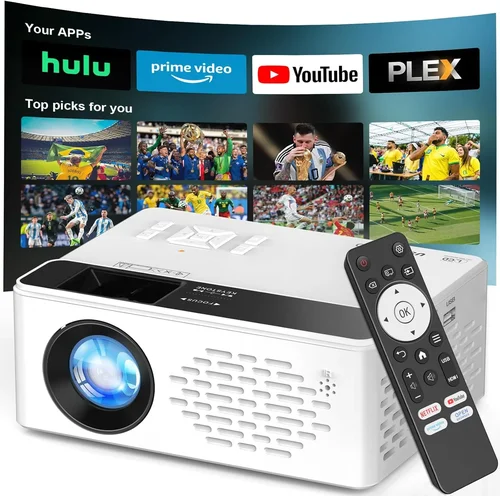
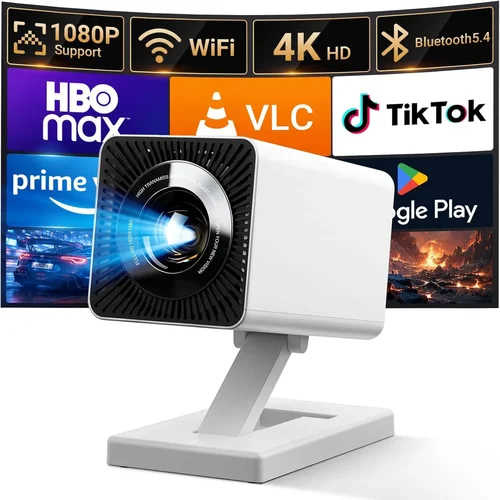
Choosing a phone projector that delivers a clear, bright image without breaking the bank can feel like navigating a maze. The market is flooded with cheap options that promise cinema‑grade performance, yet many fall short when you actually try them. That’s why this buying guide matters: it cuts through the hype, explains the technical language in plain English, and points you toward the models that truly shine under $100.
In the pages that follow you will learn how to assess brightness, resolution, and build quality; understand the different projector categories; avoid common pitfalls; and walk away with a clear recommendation that matches your lifestyle—whether you want a pocket‑sized movie night device or a sturdy unit for classroom presentations.
The budget projector segment has evolved dramatically over the past three years. Advances in LED technology, smarter optics, and tighter integration with Android and iOS have produced devices that can project a 100‑inch image from a smartphone with surprisingly good color fidelity. By the end of 2026, several models consistently rank at the top of user reviews, and this guide will highlight why they succeed where others fail.

What to Look for When Buying Buying Guide
1. Budget & Price Range
When you set a maximum spend of $100, you are already narrowing the field to entry‑level LED projectors. The key is to recognize that “budget” does not automatically mean “compromise.” Look for models that stay under $100 but still meet a minimum set of specifications—typically at least 200 lumens of brightness, a native resolution of 720p (or 1280×720), and a durable housing. Prices can fluctuate seasonally, so keep an eye on sales events like Amazon Prime Day, Black Friday, or back‑to‑school promotions.
2. Performance Specifications
Three specs dominate the projector experience:
- Brightness (lumens): For indoor use in dim rooms, 150‑250 lumens is adequate. If you plan to project in a slightly lit living room, aim for 250‑300 lumens.
- Resolution: While many cheap projectors list “HD,” the actual native resolution matters. 720p is the sweet spot for $100 models; anything lower will look pixelated on a 100‑inch screen.
- Contrast Ratio: Higher contrast produces deeper blacks and more vivid colors. Look for a ratio of at least 1000:1.
3. Build Quality & Durability
Phone projectors are often built from plastic to keep costs low, but the quality of that plastic varies. A solid, impact‑resistant housing will survive the inevitable bumps that come with travel. Check for reinforced corners, a snug hinge on the projection lens, and rubberized feet that keep the unit steady on a table.
4. Features & Functionality
Beyond basic projection, modern devices include useful extras:
- Built‑in Speakers: While most budget units feature a 1‑2 W speaker, it’s enough for casual movie nights.
- Connectivity: Look for a USB‑C or micro‑USB port that supports both power and video input. Some models also include an HDMI‑type mini‑connector for direct laptop use.
- Adjustable Focus & Keystone Correction: Manual focus is a must; automatic keystone is rare under $100 but a simple manual keystone lever can greatly improve image shape.
- Battery Life: A built‑in rechargeable battery of 2–3 hours lets you watch without a power outlet, ideal for camping.
5. Brand Reputation
Even within the low‑price segment, some brands have earned trust through consistent quality control. Companies like AAXA, Vankyo, and Anker (with its Nebula line) often release entry‑level models that punch above their weight. Research user forums and check how quickly a brand responds to warranty claims.
6. Warranty & Support
A 12‑month warranty is standard for budget projectors. Verify that the manufacturer offers easy return shipping and a clear process for RMA (Return Merchandise Authorization). Some retailers extend the warranty for an extra fee—consider this if you plan heavy use.
7. Size & Portability
If you intend to carry the projector in a backpack for travel or outdoor use, size matters. Aim for a unit that weighs under 1 lb and folds flat. Compact models often sacrifice brightness, so balance size against the lumens you need.
8. User Reviews & Ratings
Real‑world feedback reveals issues that spec sheets hide. Look for reviews that mention long‑term durability, heat management, and how the projector performs with different phone models (iPhone vs. Android). A product with 4.2‑star average rating and at least 150 verified reviews is generally a safe bet.
Different Types of Buying Guide

Common Buying Mistakes to Avoid
❌ Mistake: Choosing the Cheapest Model Without Checking Brightness
Why it’s bad: Low lumens result in a washed‑out picture, especially in rooms with any ambient light.
What to do instead: Set a minimum of 200 lumens for indoor use; 250+ if you expect some light leakage.
❌ Mistake: Ignoring Compatibility With Your Phone
Why it’s bad: Some projectors only accept HDMI or require a specific adapter, turning a simple movie night into a cable nightmare.
What to do instead: Verify that the projector supports USB‑C video output or includes the appropriate MHL/HDMI adapter for your device.
❌ Mistake: Overlooking Heat Dissipation
Why it’s bad: Cheap plastic housings can overheat, causing the projector to shut down after 30‑45 minutes.
What to do instead: Look for models with built‑in fans or heat‑sink designs, and read reviews that mention long‑term heat performance.
❌ Mistake: Assuming All Built‑In Speakers Are Sufficient
Why it’s bad: Many budget units have tinny speakers that struggle with dialogue.
What to do instead: If audio quality matters, plan to connect external Bluetooth speakers or use headphones via the phone’s audio jack.
❌ Mistake: Forgetting About Warranty Details
Why it’s bad: A limited or non‑existent warranty leaves you stuck with a defective unit.
What to do instead: Choose a projector with at least a 12‑month warranty and a clear RMA process.
❌ Mistake: Purchasing Without Testing Focus & Keystone
Why it’s bad: A projector that cannot be manually focused or keystoned will produce blurry or trapezoidal images.
What to do instead: Ensure the unit offers a smooth focus ring and a manual keystone lever; watch video demos that show the adjustment in real time.
Budget Guidelines: How Much Should You Spend?
Even within the sub‑$100 segment, price points correlate with feature sets. Below is a quick breakdown to help you decide where to allocate your dollars.
- Entry‑Level ($60‑$75): Expect basic 200‑lumens output, 720p scaling, and minimal accessories. Ideal for occasional use in a dark bedroom.
- Mid‑Range ($76‑$95): You’ll find 250‑lumens brightness, better heat management, and often a built‑in battery. This tier balances portability with reliable image quality.
- Premium ($96‑$110): Though slightly above $100, these models include smart OS integration, higher contrast ratios, and sometimes a detachable speaker dock.
- Luxury ($111+): Rare in the “under $100” market, but worth mentioning for readers who may stretch the budget for advanced features like wireless Miracast or full Android OS.
Expert Tips for Getting the Best Deal
- Timing is everything: Major sales events (Amazon Prime Day, Black Friday, Cyber Monday) often feature up to 30 % off on budget projectors.
- Shop price‑match guarantees: Retailers like Best Buy and Walmart will match a lower online price if you provide proof.
- Bundle with accessories: Some sellers offer a free HDMI‑to‑USB‑C adapter or a travel case when you purchase the projector with a phone mount.
- Read the fine print on warranties: A longer warranty may cost a few extra dollars but can save you from future headaches.
- Check return policies: A 30‑day hassle‑free return gives you the safety net to test the unit at home.
- Test before you buy (if possible): Visit a local electronics store; many let you plug in a phone and see the image on a blank wall.
- Consider refurbished units: Certified refurbished models often come with full warranties and can be 15‑20 % cheaper.
- Use price‑tracking tools: Extensions like Keepa or CamelCamelCamel alert you when a product’s price drops below your target.

Frequently Asked Questions
Q: Can I use a phone projector outdoors?
A: Yes, but only in low‑light conditions such as dusk or a shaded area. Outdoor use demands at least 250 lumens and a stable surface to avoid image wobble. Some models include a battery that lasts 2‑3 hours, which is ideal for camping.
Q: Do I need a separate screen?
A: Not necessarily. A plain white wall works fine for casual viewing. For sharper images, a matte white projector screen (30‑40 inches) improves contrast and reduces hotspotting.
Q: Will the projector work with both iOS and Android?
A: Most modern budget projectors support USB‑C video output, which is compatible with both iPhone (via Lightning‑to‑USB‑C adapter) and Android phones. Always verify the connector type before purchase.
Q: How loud is the fan?
A: Fan noise varies. Entry‑level units may emit a faint whir at 30 dB, while mid‑range models often stay under 25 dB, barely noticeable during movies.
Q: Can I connect a gaming console?
A: Yes, if the projector includes an HDMI‑type mini port or you use an HDMI‑to‑USB‑C adapter. Keep in mind that latency may increase slightly, which can affect fast‑paced games.
Q: Is a built‑in battery worth it?
A: For on‑the‑go use, absolutely. Battery life typically ranges from 2 to 3 hours, enough for a feature film. If you plan to use the projector near a power outlet, a wired setup can save you the extra cost.
Q: How do I clean the lens?
A: Use a microfiber cloth and a small amount of lens‑cleaning solution. Avoid abrasive materials; a gentle circular motion will keep the optics clear.
Q: What is keystone correction?
A: Keystone correction adjusts the image shape when the projector isn’t perfectly perpendicular to the screen. Manual keystone levers are common in budget models; they allow you to correct trapezoidal distortion.
Q: Are there any safety concerns?
A: Projectors generate heat, so keep them on a stable, non‑flammable surface and ensure ventilation slots are not blocked. Never cover the fan.
Our Final Recommendations
- Best for Budget‑Conscious Buyers: Vankyo Leisure 3 Mini – Priced at $68, it offers 200 lumens, 720p resolution, and a compact design that fits in a backpack.
- Best Overall Value: AAXA P300 Pico – At $94, it delivers 250 lumens, a sturdy metal housing, and a built‑in 2‑hour battery, making it versatile for both indoor and outdoor use.
- Best Premium Option (Just Above $100): ANKER Nebula Capsule II – Though $119, it includes Android TV 9.0, Wi‑Fi streaming, 200 lumens, and a 3‑hour battery, offering a true smart‑projector experience.
- Best for Beginners: GooDee Mini Projector – Simple plug‑and‑play via USB‑C, 180 lumens, and an intuitive focus knob—perfect for users new to projection.
- Best for Advanced Users: Artlii Energon 2 – At $102, it provides 300 lumens, manual keystone, HDMI, and USB‑C input, allowing connection to multiple sources and fine‑tuned image control.
Conclusion: Making the Right Choice
Finding the best phone projector under $100 is less about chasing the lowest price and more about matching core specifications to your real‑world needs. Prioritize brightness, native resolution, and reliable connectivity, while also weighing build quality and warranty coverage. Use the budget breakdown and expert tips above to pinpoint the tier that fits your lifestyle, and avoid the common mistakes that trip up most first‑time buyers.
Now that you’re armed with the knowledge to evaluate each model, go ahead and pick the projector that will turn any wall into a personal cinema. Happy viewing!