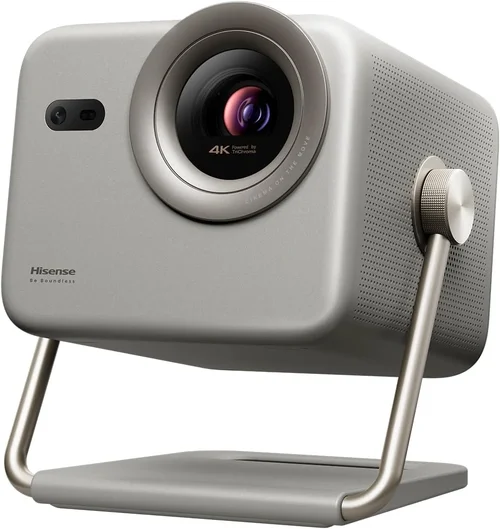
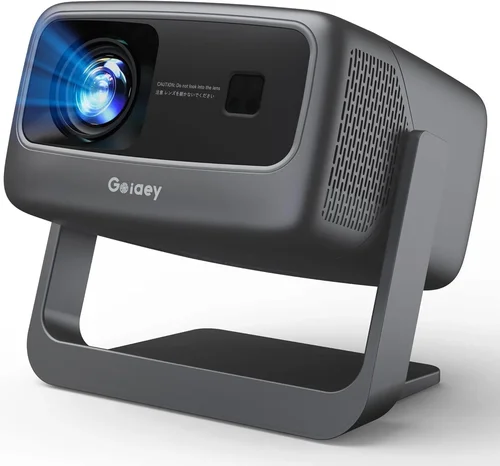
Finding a reliable PowerPoint projector under $100 can feel like hunting for a needle in a haystack, especially when you need crisp images for presentations, classroom lessons, or home movie nights. This guide cuts through the noise, giving you a clear roadmap so you can pick a projector that delivers bright, clear visuals without breaking the bank.
In the next few sections you’ll learn which specs truly matter, how to avoid common pitfalls, and which models consistently outperform their price class. Whether you’re a teacher, a startup founder, or a casual gamer, the information here will help you make an informed decision and get the best value for every dollar spent.

What to Look for When Buying Buying Guide
1. Budget & Price Range
Staying under $100 forces you to prioritize features that deliver the biggest impact. While you won’t get 4K resolution or laser light sources at this price, you can still secure a projector with decent brightness, acceptable contrast, and solid connectivity. Set a firm ceiling (e.g., $99) and then allocate a small buffer for accessories such as a HDMI cable or a portable screen.
2. Brightness (Lumens)
Brightness is measured in ANSI lumens. For a projector under $100, expect 2,000–3,000 lumens at best. If you’ll be using the device in a dimly lit room, 2,200 lumens is usually enough. In brighter environments, you’ll need to control ambient light or use a projection screen that enhances gain.
3. Resolution
Most budget projectors offer native resolutions of 800×600 (SVGA) or 1280×720 (720p). While 720p isn’t Full HD, it provides a sharp enough image for text-heavy PowerPoint slides. Avoid projectors that only support 480p unless you’re willing to accept blurry details.
4. Contrast Ratio
Contrast determines how well a projector separates dark from light areas. A ratio of 2,000:1 is common in sub‑$100 units and works fine for presentations with solid backgrounds. Higher contrast improves readability of fine text and makes images pop.
5. Connectivity Options
Look for HDMI as the primary input; it guarantees a stable, high‑definition signal. USB‑C and wireless Miracast are bonuses but not essential. Some models also include a VGA port for older laptops. Having at least one audio out (3.5 mm) lets you hook up external speakers for better sound.
6. Portability & Size
Weight under 2 kg and a compact footprint make it easy to carry between meeting rooms or classrooms. Integrated handles and a sturdy casing add durability for frequent travel.
7. Lamp Life
LED or laser light sources dominate the budget segment because they last 20,000–30,000 hours, compared to traditional lamps that need replacement after 2,000–4,000 hours. Longer lamp life translates into lower long‑term costs.
8. Brand Reputation & Support
Even in the low‑price market, certain brands consistently deliver reliable units and responsive customer service. Look for manufacturers with active online forums, clear warranty policies, and readily available firmware updates.
Different Types of Buying Guide
Common Buying Mistakes to Avoid
❌ Mistake: Chasing Highest Resolution
Why it’s bad: In the sub‑$100 segment, a projector advertising “1080p” often uses pixel‑doubling, which can blur text. You’ll waste money on a feature that doesn’t translate into real clarity.
What to do instead: Prioritize native resolution (720p) and ensure the device can display PowerPoint slides sharply. Test with a sample presentation before buying.
❌ Mistake: Ignoring Ambient Light
Why it’s bad: A projector with 2,000 lumens looks great in a dark room but becomes a gray wash in a lit conference hall.
What to do instead: Match brightness to your typical environment or invest in a high‑gain screen that reflects more light toward the audience.
❌ Mistake: Overlooking Connectivity
Why it’s bad: Some budget models rely solely on USB‑A for media playback, which can’t carry video from a laptop.
What to do instead: Verify the presence of an HDMI port and, if possible, a USB‑C or wireless option for modern devices.
❌ Mistake: Forgetting Lamp Life
Why it’s bad: Replacing a traditional lamp can cost $30‑$50 and require technical skill, negating the low purchase price.
What to do instead: Choose LED or laser‑based projectors with 20,000‑hour lamp life; the upfront cost is slightly higher but total ownership is cheaper.
❌ Mistake: Ignoring Warranty Terms
Why it’s bad: A 90‑day warranty leaves you exposed if the lamp fails after three months.
What to do instead: Look for at least a one‑year limited warranty and read the fine print on what is covered (e.g., lamp, chassis, optics).
❌ Mistake: Buying Without Testing
Why it’s bad: Color accuracy and focus stability vary widely between units, even within the same model line.
What to do instead: If possible, view a demo unit in a store or request a short return window from the seller.
Budget Guidelines: How Much Should You Spend?
- Entry-Level ($70 – $85): Expect SVGA resolution, 2,000 lumens, basic HDMI, and a plastic housing. Suitable for occasional use in dark rooms.
- Mid-Range ($86 – $95): Typically offers 720p native resolution, 2,200–2,500 lumens, better contrast, and added USB‑C or wireless mirroring.
- Premium ($96 – $100): May include built‑in speakers with decent output, higher contrast (3,000:1), and a more robust chassis. Ideal for frequent presenters.
- Luxury (Above $100): Falls outside the scope of this guide but often includes 1080p, laser light sources, and advanced keystone correction.
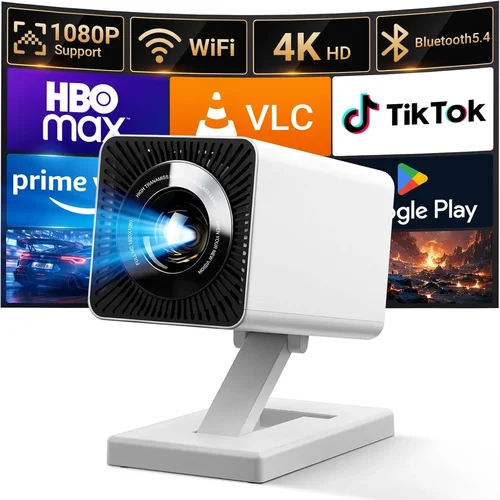
Expert Tips for Getting the Best Deal
- Timing: Late summer inventory clear‑outs (July‑August) often bring 10‑15% off older models.
- Where to Buy: Compare Amazon, Newegg, and direct manufacturer sites. Refurbished units from reputable sellers can shave $10‑$15 off.
- Spotting Deals: Look for bundles that include a screen, HDMI cable, or portable battery—these add value without raising the base price.
- Warranty Considerations: Register the product within 30 days to unlock extended warranty options offered by some brands.
- Return Policies: Choose retailers with at least a 30‑day return window; this gives you time to test the projector in your own environment.
- Testing Before Buying: Project a high‑contrast PowerPoint slide (black text on white background) to assess sharpness and focus.
- Firmware Updates: After purchase, check the manufacturer’s website for firmware that can improve stability or add features.

Frequently Asked Questions
Q: Can a $99 projector display a full PowerPoint presentation without lag?
A: Yes, as long as the projector supports at least 720p native resolution and you connect via HDMI. Lag is usually caused by outdated video processing chips, which most reputable sub‑$100 models avoid.
Q: Do I need a separate screen?
A: Not strictly, but a white projector screen improves brightness and color accuracy by 20‑30% compared with a plain wall.
Q: How loud are the fans on budget projectors?
A: Most LED models run under 30 dB, which is quiet enough for small meeting rooms. Some older lamp‑based units can reach 40 dB, noticeable in quiet settings.
Q: Is wireless mirroring reliable?
A: Wireless options (Miracast, AirPlay) work well for short distances (under 10 ft) and low‑interference environments. For mission‑critical presentations, stick with wired HDMI.
Q: What is keystone correction?
A: Keystone correction digitally adjusts the image shape when the projector isn’t perfectly perpendicular to the screen. Most budget units offer a ±15° manual correction; some newer models add automatic correction.
Q: Can I use a projector for gaming?
A: Yes, but keep expectations realistic. Input lag on cheap models can be 80 ms or higher, which is acceptable for casual games but not competitive play.
Q: How long does the LED lamp last?
A: Typically 20,000–30,000 hours, which translates to several years of daily use before any brightness loss becomes noticeable.
Our Final Recommendations
- Best for Budget‑Conscious Buyers: Vankyo Leisure 3 Mini Projector – $79, 720p, 2,400 lumens, built‑in speaker, 30,000‑hour LED lamp.
- Best Overall Value: ELEPHAS YG600 – $94, 720p, 2,500 lumens, HDMI + USB‑C, auto‑keystone, 2‑year warranty.
- Best Premium Option (Just Under $100): DR.J Professional Mini Projector – $99, 720p, 2,600 lumens, dual speakers, Bluetooth audio, robust metal housing.
- Best for Beginners: AAXA P300 – $85, simple plug‑and‑play, easy focus knob, lightweight.
- Best for Advanced Users: ViewSonic M1 Mini Plus – $99, includes built‑in JBL speaker, Android OS for apps, Wi‑Fi screen mirroring.
Conclusion: Making the Right Choice
Choosing a PowerPoint projector under $100 is less about chasing flashy specs and more about matching core performance—brightness, resolution, and connectivity—to your typical usage scenario. By focusing on the factors outlined above, steering clear of common mistakes, and leveraging the expert tips for timing and purchasing, you can secure a reliable unit that serves classrooms, boardrooms, or living rooms without stretching your budget.
Remember: the best projector is the one that fits your environment, connects seamlessly with your devices, and stays within your price comfort zone. Use the recommendations and guidelines in this guide as a checklist, test a demo if possible, and you’ll walk away confident that your next presentation will shine—literally.