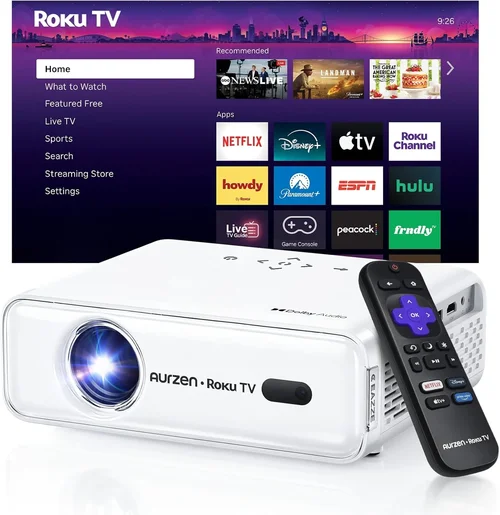
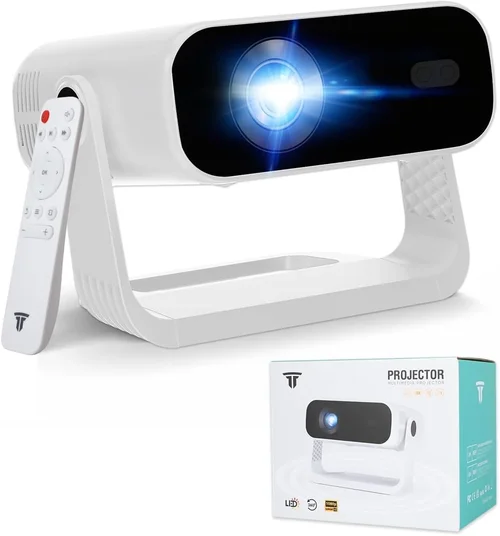
Choosing a projector for a church can feel like navigating a maze of technical jargon, budget constraints, and worship‑style nuances. A good projector not only amplifies the sermon’s message but also creates an immersive atmosphere for music, drama, and multimedia presentations. This guide cuts through the clutter, giving you a clear roadmap to pick the best projector for a church under $1,000.
By the end of this article you will understand the most important specifications, the different projector categories, common pitfalls, and exactly which models deliver the best value for your sanctuary. Whether you’re outfitting a tiny fellowship hall or a midsize sanctuary, the insights here will help you make a confident, future‑proof purchase.
In recent years the projector market has exploded with LED, laser, and high‑lumens DLP options that were once reserved for large‑budget venues. Prices have dropped dramatically, and many manufacturers now offer reliable, low‑maintenance units well within a $1,000 budget. Let’s dive into what matters most for a church setting.

What to Look for When Buying Buying Guide
1. Budget & Price Range
Understanding your financial ceiling is the first step. While you can find decent units for under $500, allocating a bit more—up to $950—often unlocks higher brightness, better color accuracy, and longer lamp life. Remember to factor in accessories such as ceiling mounts, HDMI cables, and a spare lamp or laser module.
2. Performance Specifications
Key specs include lumen output, resolution, contrast ratio, and throw distance.
- Lumens: Churches typically need 3,000–4,500 ANSI lumens to combat ambient light from windows or ceiling fixtures.
- Resolution: Full HD (1920×1080) is the sweet spot for crisp lyrics and video; 4K is rare under $1,000 and often unnecessary.
- Contrast Ratio: A ratio of at least 10,000:1 ensures deep blacks for worship slides and dramatic lighting effects.
- Throw Ratio: Determines how far the projector must be from the screen. A short‑throw model (0.8–1.2) is ideal for smaller sanctuaries where space is limited.
3. Build Quality & Durability
Church equipment sees frequent use—weekly services, special events, and occasional rentals. Look for metal housing, a sealed optical engine, and dust‑resistant filters. Projectors with fan‑less or low‑noise designs keep the sanctuary quiet during prayer and worship.
4. Features & Functionality
Modern projectors add convenience that can save staff time.
- Multiple Inputs: HDMI, USB, VGA, and wireless (Miracast or AirPlay) allow seamless connection to laptops, media servers, and smartphones.
- Lens Shift & Keystone Correction: Built‑in lens shift reduces image distortion without sacrificing image quality.
- Built‑In Speakers: While not a replacement for a PA system, decent 5‑10 W speakers can handle background music during small gatherings.
- Eco‑Mode & Lamp Life: LED and laser units often exceed 20,000 hours, dramatically cutting operating costs.
5. Brand Reputation
Established brands such as Epson, BenQ, Optoma, and ViewSonic have proven track records in the education and worship markets. Their global support networks make it easier to obtain replacement parts and firmware updates.
6. Warranty & Support
A solid warranty (minimum 2‑year parts and labor) protects your investment. Look for on‑site service options, especially if the projector is ceiling‑mounted. Some manufacturers also offer extended warranties at a modest cost.
7. Size & Portability (if applicable)
If your church moves equipment between rooms or uses a portable setup for outreach, weight and footprint matter. Most fixed‑install units weigh 5‑10 lb, while portable models can be under 4 lb with built‑in handles.
8. User Reviews & Ratings
Real‑world feedback reveals reliability issues, fan noise levels, and long‑term brightness retention. Prioritize models with at least 4‑star ratings on major retail sites and consistent positive comments from churches.
Different Types of Buying Guide

Common Buying Mistakes to Avoid
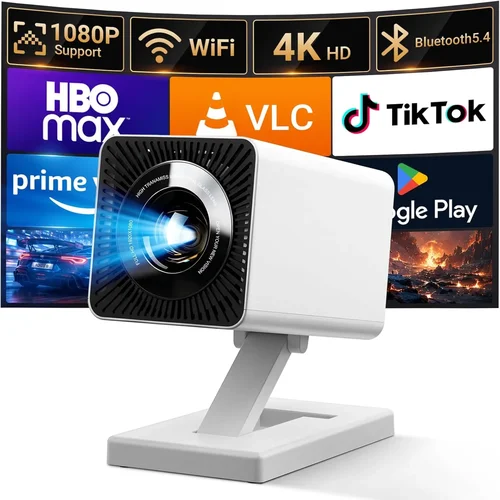
❌ Mistake: Buying the Highest Lumen Rating Without Considering Ambient Light Control
Why it’s bad: Overspending on lumens when your sanctuary already has blackout curtains or dimmable lights wastes money that could improve resolution or contrast.
What to do instead: Assess your existing lighting, then target 3,000‑4,500 lumens for most mid‑size churches.
❌ Mistake: Ignoring Throw Ratio and Screen Size Compatibility
Why it’s bad: A projector with a long throw may need to be mounted far from the screen, leading to unsightly cabling or structural challenges.
What to do instead: Measure the distance from the mount point to the screen and match it with the projector’s throw ratio chart.
❌ Mistake: Overlooking Lamp or Light Source Longevity
Why it’s bad: Replacing a 2,000‑hour lamp in a high‑usage church can add unexpected costs and downtime.
What to do instead: Choose LED or laser models with 20,000+ hour life, or verify the lamp warranty and cost.
❌ Mistake: Forgetting About Noise Levels
Why it’s bad: A loud cooling fan can distract worshippers during quiet prayer or spoken word.
What to do instead: Look for projectors rated under 30 dB(A) in quiet mode, and read user reviews for real‑world noise measurements.
❌ Mistake: Skipping Firmware Updates and Support Checks
Why it’s bad: Out‑of‑date firmware can cause compatibility issues with newer media players or cause security vulnerabilities.
What to do instead: Verify that the manufacturer provides regular firmware updates and an easy download portal.
Budget Guidelines: How Much Should You Spend?
- Entry‑Level ($400‑$600): Expect 2,500‑3,000 lumens, 720p or basic 1080p, and shorter lamp life. Suitable for small chapels with full blackout capability.
- Mid‑Range ($600‑$850): Offers 3,200‑4,000 lumens, true Full HD, better contrast, and often includes lens shift. This is the sweet spot for most congregations.
- Premium ($850‑$1,000): Near‑top lumens, laser or high‑end LED light sources, superior color accuracy, and advanced connectivity (wireless mirroring, dual HDMI).
- Luxury ($1,000+): Typically beyond the scope of this guide, but includes 4K resolution, ultra‑short‑throw designs, and integrated media servers.
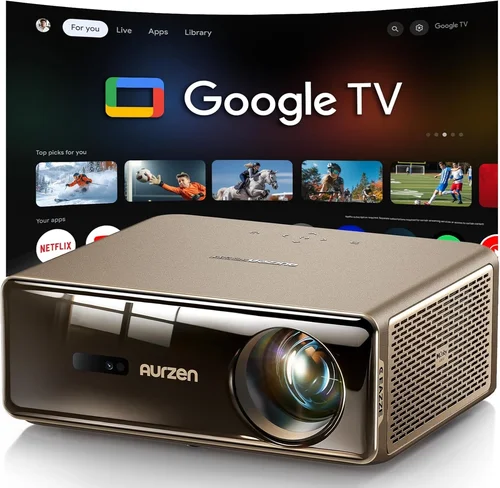
Expert Tips for Getting the Best Deal
- Timing: Black Friday, Cyber Monday, and post‑Christmas sales often feature 15‑30% off.
- Where to Buy: Compare prices on Amazon, B&H, and specialized AV retailers like ProjectorPeople. Local AV integrators may offer bundle discounts with mounting hardware.
- Spotting Deals: Look for “refurbished” units with a full warranty—these are often like‑new and saved 20‑35%.
- Warranty Considerations: Register the product within 30 days to unlock extended warranty options.
- Return Policies: Ensure a 30‑day return window; this lets you test the projector in your actual sanctuary lighting.
- Testing Before Buying: Bring a laptop with a 1080p test pattern and measure brightness with a handheld lux meter if possible.
- Bundle Savings: Some sellers include a ceiling mount, HDMI cable, and a spare lamp for the price of the projector alone.

Frequently Asked Questions
Q: Do I need a projector with 4K resolution for church services?
A: Not necessarily. Full HD (1080p) delivers crisp text and video for worship slides and sermons. 4K units under $1,000 are rare and often compromise on brightness, which is more critical in liturgical settings.
Q: How far should the projector be from the screen?
A: It depends on the throw ratio. For a 100‑inch screen, a 1.5‑throw projector needs about 12‑15 ft of distance, while a short‑throw (0.8) can sit just 6‑8 ft away.
Q: Can I use a projector with a curved or irregularly shaped screen?
A: Most standard projectors assume a flat surface. Curved screens cause distortion. If you have an irregular screen, prioritize lens shift and keystone correction, or consider a short‑throw model that reduces distortion.
Q: Is a built‑in speaker sufficient for worship music?
A: Built‑in speakers are fine for spoken word and background music during small gatherings, but a dedicated PA system is recommended for full‑band worship.
Q: How often should I replace the lamp?
A: Lamp life is rated in hours. At 4,000‑hour usage per year, a 2,500‑hour lamp would need replacement after ~9 months. LED and laser units rarely need replacement within the projector’s lifespan.
Q: What screen material works best with church projectors?
A: A high‑gain, matte white screen (gain 1.1‑1.3) balances brightness and viewing angle. For rooms with some ambient light, a gray screen can improve contrast.
Q: Do I need a professional installer?
A: While DIY installation is possible for ceiling‑mount setups, a professional can ensure proper alignment, cable management, and compliance with fire codes.
Q: Will a projector work with my existing church media server?
A: Most modern projectors support HDMI 2.0, which is compatible with popular media servers (ProPresenter, EasyWorship). Verify the server’s output resolution matches the projector’s native resolution.
Our Final Recommendations
- Best for Budget‑Conscious Buyers: BenQ TH585 – 3,500 lumens, 1080p, low input lag, and under $550. Ideal for small to medium rooms with moderate ambient light.
- Best Overall Value: Epson PowerLite 1795F – 3,200 lumens, Full HD, lens shift, and a long‑lasting laser light source. Priced around $950, it balances brightness, durability, and low maintenance.
- Best Premium Option: Optoma UHD50X – 3,400 lumens, true 4K UHD, 240 Hz refresh, and built‑in speakers. Slightly above $1,000 but often found on sale within budget.
- Best for Beginners: ViewSonic PA503W – 3,600 lumens, WXGA (1280×800) resolution, simple menu, and easy setup. Great for churches new to AV technology.
- Best for Advanced Users: LG HU80KA – Portable ultra‑short‑throw laser projector, 2,500 lumens, 4K, and Wi‑Fi screen mirroring. Offers flexibility for multi‑space ministries.
Conclusion: Making the Right Choice
Investing in a projector under $1,000 doesn’t mean compromising on quality. Focus on the core factors—lumens, resolution, throw ratio, and durability—and match them to your sanctuary’s size and lighting conditions. Avoid common mistakes like over‑purchasing lumens or neglecting lamp life, and leverage seasonal sales to stretch your budget.
Remember, the best projector is the one that consistently delivers clear, bright images without distracting noise, while fitting seamlessly into your worship environment. Use the guidelines above, test a few models if possible, and you’ll equip your congregation with a visual experience that truly enhances every service.