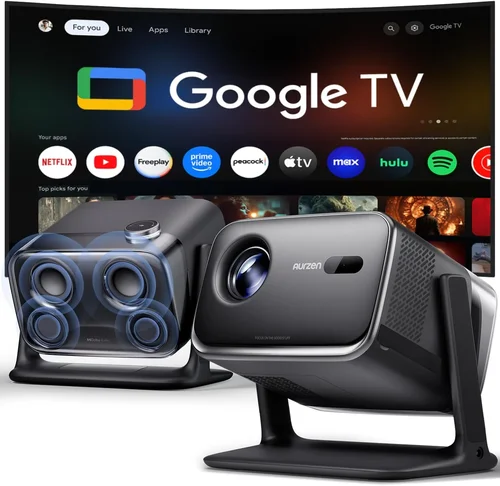
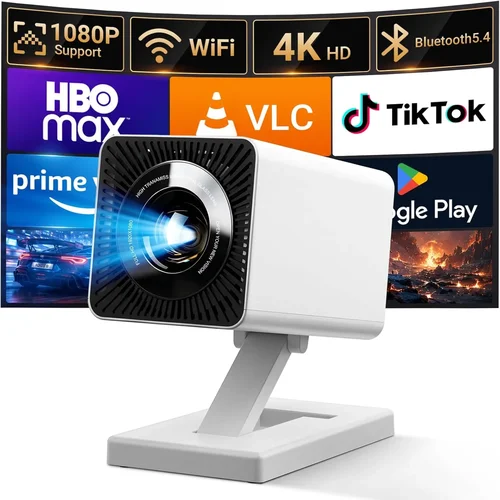
Choosing the right projector for your living room can feel like navigating a maze of specs, brands, and price points. You want a cinematic experience without blowing your budget, and you don’t want to end up with a device that struggles in ambient light or produces lackluster colors. This guide cuts through the noise, giving you a clear roadmap to select the best projector for a living‑room setup under $200.
In the next few sections you’ll learn what technical details truly matter, how different projector categories stack up against each other, and which common pitfalls to avoid. By the end, you’ll be equipped to make a confident purchase that turns movie nights, gaming sessions, and sports marathons into memorable events.

What to Look for When Buying Buying Guide
1. Budget & Price Range
When you set a ceiling of $200, every dollar counts. While you won’t get premium‑grade 4K resolution, you can still find models that deliver sharp 720p or decent 1080p images, solid brightness, and reliable connectivity. Prioritize features that align with your primary use—streaming, gaming, or occasional presentations—so you don’t overspend on unnecessary extras.
2. Performance Specifications
Key specs include:
- Resolution: Native 720p (1280×720) is common under $200; some models claim “Full HD” but actually upscale from 720p.
- Brightness (lumens): Aim for at least 2,500–3,000 ANSI lumens for a living room with some ambient light.
- Contrast Ratio: Higher ratios (e.g., 10,000:1) deliver deeper blacks, crucial for movie nights.
- Throw Distance: Short‑throw models can fill a 100‑inch screen from just a few feet away, ideal for compact rooms.
3. Build Quality & Durability
Even budget projectors should feel sturdy. Look for metal housings or high‑grade plastic that resists warping. Check user reviews for heat management; a projector that overheats will have a shortened lamp life and may fail prematurely.
4. Features & Functionality
Consider these must‑have features:
- Built‑in Speakers: While not a substitute for a sound system, decent 5‑10 W speakers can suffice for casual viewing.
- Connectivity: HDMI is essential; USB, Bluetooth, and Wi‑Fi are bonuses for streaming directly from phones or tablets.
- Keystone Correction: Automatic or manual keystone helps align the image on a non‑perpendicular screen.
- Lamp Life: Look for at least 20,000 hours of rated lamp life to avoid frequent replacements.
5. Brand Reputation
Established brands like Epson, BenQ, ViewSonic, and Anker tend to offer more reliable after‑sales support and firmware updates. Newer entrants can surprise with value, but research return policies and community forums before committing.
6. Warranty & Support
A minimum 1‑year warranty is standard; some manufacturers extend to 2 years for peace of mind. Verify whether the warranty covers the lamp, as lamp failures are a common expense.
7. Size & Portability (if applicable)
If you plan to move the projector between rooms or store it when not in use, weight and footprint matter. Most under‑$200 units weigh between 2–4 lbs and can be mounted on a shelf or ceiling with a simple bracket.
8. User Reviews & Ratings
Real‑world feedback often reveals hidden strengths or flaws. Look for consistent praise on image quality and durability, and watch out for recurring complaints about overheating or poor Wi‑Fi performance.
Different Types of Buying Guide

Common Buying Mistakes to Avoid
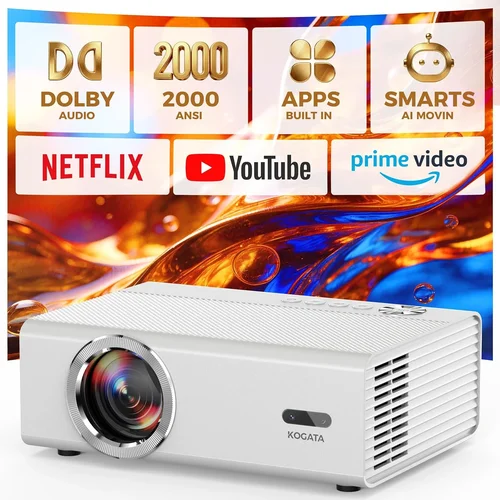
❌ Mistake: Ignoring Ambient Light Conditions
Why it’s bad: A projector rated at 2,000 lumens may look brilliant in a dark home theater, but in a bright living room the image will appear washed out.
What to do instead: Measure typical lighting levels and target a minimum of 2,500–3,000 lumens for rooms with windows or overhead lights.
❌ Mistake: Chasing Higher Resolution Than the Budget Allows
Why it’s bad: Spending most of your $200 on a “Full HD” claim often means you get a 720p panel with up‑scaling, delivering no real visual benefit.
What to do instead: Focus on native resolution (720p) and allocate remaining budget to brightness, contrast, and connectivity.
❌ Mistake: Overlooking Throw Distance
Why it’s bad: Placing a long‑throw projector too close to the screen forces a tiny image, while a short‑throw unit placed too far yields a blurry picture.
What to do instead: Measure your room’s width, then choose a projector whose throw ratio matches that distance for a 100‑inch screen.
❌ Mistake: Forgetting About Lamp Life and Replacement Cost
Why it’s bad: A cheap lamp may need replacement after 2,000 hours, costing $80‑$120—effectively raising your total cost of ownership.
What to do instead: Prioritize models with LED or laser light sources, or at least a lamp rating of 20,000 hours.
❌ Mistake: Ignoring Audio Needs
Why it’s bad: Relying on built‑in speakers often results in tinny sound that forces you to buy a separate soundbar later.
What to do instead: Verify speaker output (W) and consider a model with a 3.5 mm audio out for easy pairing with external speakers.
❌ Mistake: Not Checking Compatibility with Streaming Devices
Why it’s bad: Some budget projectors lack HDMI ARC or Bluetooth, making it hard to connect Roku, Fire Stick, or smartphones.
What to do instead: Ensure at least one HDMI 1.4 port and, if possible, Wi‑Fi or Bluetooth for wireless streaming.
Budget Guidelines: How Much Should You Spend?
Even within a $200 ceiling, you can segment the market to understand what each sub‑range offers.
- Entry‑Level ($120‑$150): Expect 720p resolution, 2,000–2,500 lumens, basic HDMI, and modest contrast. Ideal for occasional movie nights in a dark room.
- Mid‑Range ($151‑$180): Better brightness (2,500–3,000 lumens), improved contrast ratios, short‑throw options, and added features like USB playback or Bluetooth.
- Premium ($181‑$200): LED light source, 3,000+ lumens, superior color accuracy, built‑in smart OS (Android TV or Roku), and longer lamp life.
- Luxury (>$200): Outside the scope of this guide, but typically includes true 1080p panels, laser light engines, and advanced networking.
Expert Tips for Getting the Best Deal
- Timing: New models drop in Q2; older inventory is discounted in Q4.
- Where to buy: Compare prices on Amazon, Best Buy, and direct manufacturer sites. Check for bundled accessories (wall mounts, HDMI cables) that add value.
- Spotting deals: Look for “refurbished” units with manufacturer warranties—these can be 15% cheaper.
- Warranty considerations: Register the product within 30 days to unlock extended support.
- Return policies: Choose sellers offering a 30‑day hassle‑free return; it gives you time to test the projector in your home environment.
- Testing before buying: If possible, view a demo in a store with ambient lighting similar to your living room. Bring a laptop to test HDMI and resolution.
- Accessories: A good screen (white or gray) dramatically improves perceived contrast; a cheap blackout cloth can also work.

Frequently Asked Questions
Q: Can a sub‑$200 projector display true 1080p content?
A: Most budget models under $200 have a native 720p panel. They can accept 1080p input and upscale it, but you won’t see the full detail of true 1080p. If 1080p is a must, consider raising your budget or waiting for sales on higher‑end units.
Q: How loud are projectors in a living‑room setting?
A: Fan noise varies; expect 30‑35 dB for most budget units, which is comparable to a quiet conversation. Position the projector away from ear level and use a wall mount to minimize perceived noise.
Q: Do I need a separate screen?
A: A smooth white wall works, but a dedicated projector screen (white or gray) improves brightness and contrast, especially in rooms with some ambient light.
Q: Is a short‑throw projector worth the extra cost?
A: If you have limited throw distance (e.g., a small living room), a short‑throw model prevents image distortion and allows a larger screen without moving the projector far back. They often cost a few dollars more but can be a game‑changer for space‑constrained setups.
Q: How long does the lamp really last?
A: Lamp life is rated in hours under ideal conditions. Real‑world usage (frequent on/off cycles, high brightness settings) can reduce life by 20‑30%. LED and laser light sources maintain brightness longer and are more reliable for long‑term use.
Q: Can I connect my phone wirelessly?
A: Many budget projectors lack built‑in Wi‑Fi, but you can use a Miracast or Chromecast dongle via HDMI to stream from Android or iOS devices.
Q: What screen size can I get with a 2,500‑lumens projector?
A: With 2,500 lumens, a 100‑inch diagonal screen (16:9) works well in a dimly lit room. Increase brightness or lower ambient light for larger sizes up to 120‑130 inches.
Q: Is HDMI 2.0 necessary?
A: For 720p under $200, HDMI 1.4 is sufficient. HDMI 2.0 matters for 4K and higher refresh rates, which are beyond this price tier.
Our Final Recommendations
- Best for Budget‑Conscious Buyers: Anker Nebula Capsule II – $149, 720p, 2,500 lumens, Android TV built‑in, portable.
- Best Overall Value: ViewSonic M1 Mini Plus – $179, LED light source, 720p, 2,700 lumens, Bluetooth speakers, short‑throw.
- Best Premium Option (Just Under $200): Epson Home Cinema 1060 – $199, 1080p (upscaled), 3,200 lumens, excellent contrast, HDMI & USB.
- Best for Beginners: BenQ TH585 – $169, 720p, low input lag for gaming, easy setup wizard.
- Best for Advanced Users: Optoma HD146X – $199, 720p, 3,600 lumens, 25,000‑hour lamp, DLP chip for smoother motion.
Conclusion: Making the Right Choice
Finding the best projector for a living room under $200 boils down to balancing brightness, contrast, and connectivity against your specific viewing habits. Start by assessing ambient light, desired screen size, and whether you need extra features like Bluetooth or built‑in streaming. Use the factor checklist, avoid the common pitfalls listed, and keep an eye on seasonal discounts.
Remember, a projector is an investment in home entertainment. Even within a modest budget, the right model can deliver a cinematic feel that rivals a mid‑range TV. Take the time to compare specs, read user feedback, and test the unit if possible. With the knowledge from this guide, you’re ready to make an informed purchase that turns every movie night into a memorable experience.