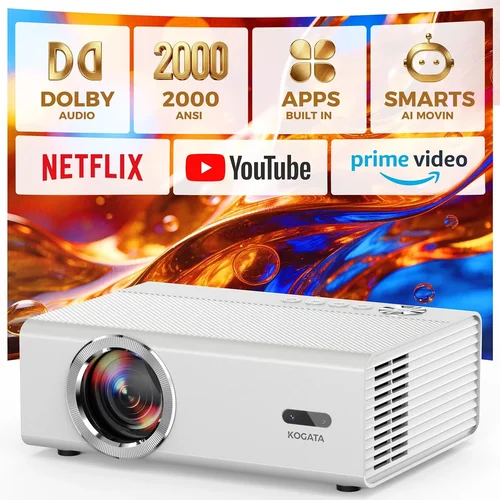
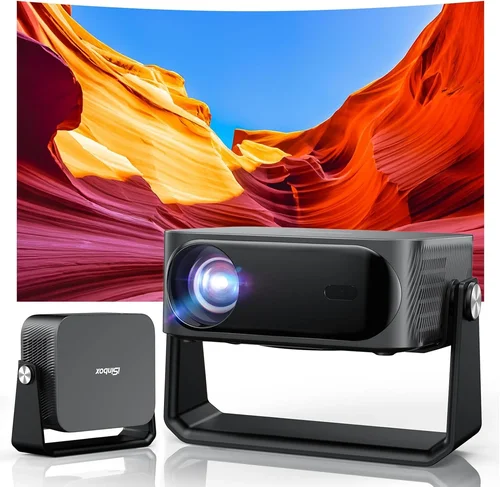
Finding the perfect projector for outdoor movies under $200 can feel like searching for a needle in a haystack. The market is crowded, specifications can be confusing, and budget constraints add an extra layer of pressure. This guide cuts through the noise, giving you a clear roadmap to select a projector that delivers bright, crisp images without breaking the bank.
By the end of this article you will understand the most important specs, know which projector type fits your backyard setup, avoid common purchasing traps, and walk away with a shortlist of top‑rated models that truly perform in the dark.
Outdoor movie‑projector options have evolved dramatically over the past few years. LED and laser light sources have become more affordable, and manufacturers now offer compact units that are easy to transport and set up. While premium models still dominate the high‑end market, there are several budget‑friendly choices that punch well above their price tag. Let’s dive into the details.

What to Look for When Buying Buying Guide
1. Budget & Price Range
Setting a realistic budget is the first step. Under $200, you’ll typically find projectors with either LED or lamp‑based light sources. LED units tend to have longer lifespans and lower power consumption, but they may sacrifice peak brightness. Lamp‑based projectors can be brighter but often require bulb replacements after a few thousand hours.
When budgeting, also account for accessories: a portable screen or white sheet, a reliable power source, and possibly a short‑throw lens if you’re limited on space.
2. Brightness (Lumens)
Brightness is measured in ANSI lumens. For outdoor use, aim for at least 2,500–3,000 lumens. Anything lower will struggle against ambient light, even after sunset. Keep in mind that manufacturers sometimes quote “peak” lumens, which can be misleading. Look for real‑world user reviews that confirm performance in twilight conditions.
3. Resolution
Resolution determines how sharp the picture appears. Most budget models cap at 720p (HD). While 1080p (Full HD) is ideal, it’s rare under $200. Still, a 720p projector can deliver a satisfying experience for a backyard setting, especially when paired with a screen that’s 80–100 inches diagonal.
4. Contrast Ratio
The contrast ratio measures the difference between the darkest black and the brightest white. Higher contrast yields deeper blacks and more vibrant colors. For outdoor viewing, a contrast ratio of at least 5,000:1 is advisable. Remember that ambient light will always reduce perceived contrast, so a higher spec helps mitigate that.
5. Portability & Build Quality
Since you’ll be moving the projector to a backyard, patio, or campsite, weight and durability matter. Look for a unit under 5 kg (11 lb) with a sturdy chassis and protective casing. Some models include built‑in handles or a compact form factor that fits into a small carrying case.
6. Connectivity Options
Modern projectors offer a mix of HDMI, USB, VGA, and wireless options. For outdoor movies, HDMI is the most reliable, especially when connecting a streaming stick (Roku, Fire TV) or a laptop. USB ports can power the projector directly from a power bank, which is handy for off‑grid setups.
7. Throw Distance & Lens Shift
Throw distance is the space needed between the projector and the screen to achieve a certain image size. A short‑throw projector (under 1.5 m) is ideal for small patios, while a standard throw (2–3 m) works for larger yards. Lens shift allows you to fine‑tune the image without moving the projector, which is useful on uneven terrain.
8. Noise Level (dB)
Fans keep the projector cool, but noisy fans can distract from the movie experience. Aim for a unit that operates below 30 dB. Some LED models are virtually silent, making them a great choice for quiet evenings.
Different Types of Buying Guide

Common Buying Mistakes to Avoid
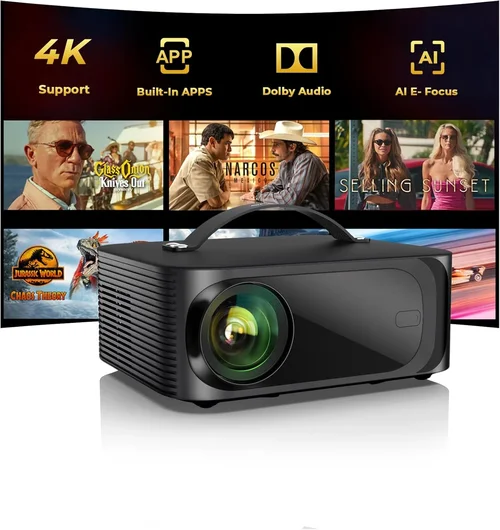
❌ Mistake: Ignoring Ambient Light
Why it’s bad: A projector with 2,000 lumens may look great indoors but will appear washed out on a twilight patio.
What to do instead: Choose a unit with at least 2,500 lumens and test it after sundown. If possible, set up a simple blackout screen to gauge true performance.
❌ Mistake: Over‑focusing on Resolution Alone
Why it’s bad: A 1080p projector that only offers 1,800 lumens will deliver a dim picture, negating the benefit of higher resolution.
What to do instead: Balance resolution with brightness and contrast. For most backyard setups, 720p with higher lumens gives a more enjoyable experience.
❌ Mistake: Forgetting Throw Distance
Why it’s bad: Buying a standard‑throw projector for a cramped balcony forces you to place the unit too far away, resulting in a tiny image.
What to do instead: Measure the distance you can allocate and select a projector whose throw ratio matches that space.
❌ Mistake: Neglecting Portability
Why it’s bad: A heavy, bulky projector makes setup a chore, discouraging frequent use.
What to do instead: Look for lightweight models with built‑in handles or a dedicated carrying case.
❌ Mistake: Skipping Warranty & Support Research
Why it’s bad: Budget projectors often have limited warranty periods, leaving you vulnerable if the lamp fails.
What to do instead: Prioritize brands that offer at least a 1‑year warranty and accessible customer service.
Budget Guidelines: How Much Should You Spend?
- Entry‑Level ($120‑$150): Expect 2,000–2,500 lumens, 720p resolution, and basic HDMI connectivity. Ideal for occasional use on a dark night.
- Mid‑Range ($150‑$180): Brightness climbs to 2,800–3,200 lumens, with improved contrast ratios and optional short‑throw lenses. Good balance of performance and price.
- Premium ($180‑$200): You’ll find the best brightness in this bracket, often 3,500+ lumens, better color accuracy, and quieter fans. Suitable for regular outdoor movie nights.
- Luxury ($200+): While beyond the guide’s focus, luxury models deliver 4,000+ lumens, 1080p resolution, and advanced features like wireless screen mirroring. Consider only if budget permits.
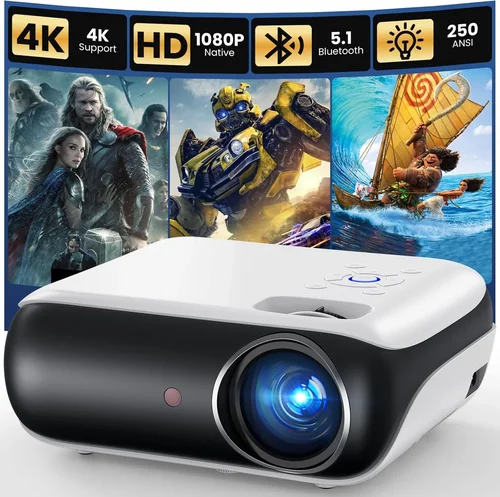
Expert Tips for Getting the Best Deal
- Timing: Late summer sales are perfect because retailers clear out inventory before the holiday season.
- Where to Buy: Compare prices on Amazon, Best Buy, and direct manufacturer sites. Don’t forget to check refurbished options with a warranty.
- Spotting Deals: Look for bundles that include a screen, HDMI cable, or a portable power bank—these add value without extra cost.
- Warranty Considerations: Register the product immediately to activate extended coverage if offered.
- Return Policies: Ensure the seller offers at least a 30‑day return window; this gives you time to test the projector outdoors.
- Testing Before Buying: If possible, view a demo unit in a store with dim lighting to gauge brightness and color vibrancy.
- Power Solutions: For off‑grid use, pair the projector with a 12 V car inverter or a high‑capacity power bank that supports the projector’s wattage.
Frequently Asked Questions
Q: Can I use a regular indoor projector for outdoor movies?
A: You can, but indoor units usually lack the brightness needed to combat ambient light. If you plan to watch after sunset and can control lighting, a lower‑lumens projector may suffice.
Q: Do I need a separate screen?
A: A white, matte-painted wall or a plain bedsheet works in a pinch. However, a dedicated portable screen (80–100 inches) improves image uniformity and contrast.
Q: How far away should the projector be?
A: It depends on the throw ratio. For a 2,000‑lumens, 720p projector with a 1.5:1 throw ratio, you’ll need roughly 3 m (10 ft) to achieve an 100‑inch image.
Q: Will a battery‑powered projector last through a two‑hour movie?
A: Most budget LED projectors run 2–3 hours on a full charge. For longer sessions, bring a portable power station or connect to a generator.
Q: Is HDMI the only connection I need?
A: HDMI is the most reliable for video quality. However, USB can power the projector, and a 3.5 mm audio jack is useful if you’re using external speakers.
Q: How important is the contrast ratio outdoors?
A: While contrast is less critical in a dark environment, a higher ratio still yields deeper blacks and more vivid colors, especially for movies with dark scenes.
Q: Can I connect a streaming stick directly?
A: Yes. Most budget projectors include an HDMI input, allowing you to plug in Roku, Fire TV, or Chromecast for endless content.
Our Final Recommendations
- Best for Budget‑Conscious Buyers: Vankyo Leisure 3 – 2,400 lumens, 720p, compact design, under $130.
- Best Overall Value: BenQ TH585 – 3,500 lumens, 720p, low fan noise, and excellent color accuracy for $179.
- Best Premium Option (just under $200): Optoma HD146X – 3,600 lumens, 720p, enhanced contrast, and a quiet fan system.
- Best for Beginners: AAXA P300 – LED source, 2,500 lumens, built‑in battery, easy plug‑and‑play.
- Best for Advanced Users: Epson VS250 – Slightly above $200 but offers 3,200 lumens, 720p, and interchangeable lenses for flexible setups.
Conclusion: Making the Right Choice
Choosing the best projector for outdoor movies under $200 boils down to three core considerations: sufficient brightness, reliable connectivity, and portability. By matching these factors to your specific backyard dimensions, typical ambient light levels, and how often you plan to movie‑night, you can find a unit that delivers cinema‑quality entertainment without overspending.
Remember to test the projector in real‑world conditions, keep an eye on warranty details, and take advantage of seasonal sales. With the right research and a clear set of priorities, your next outdoor movie night will be a blockbuster hit.
Ready to start shopping? Use the recommendations above as a checklist, compare prices, and enjoy the magic of the big screen under the stars.