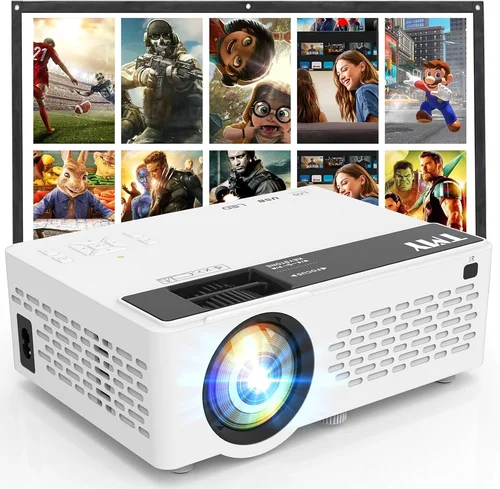
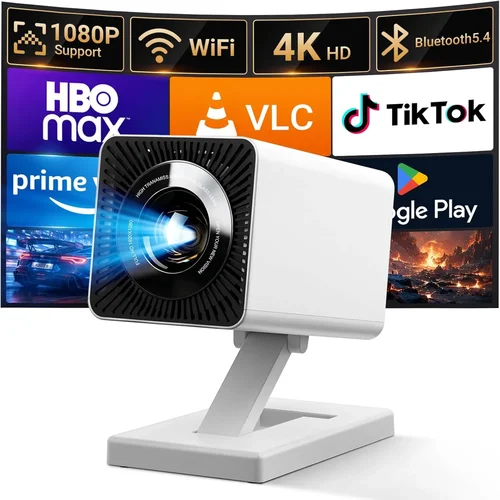
Finding a projector that delivers a clear, bright image without draining your wallet can feel like hunting for a needle in a haystack. The market is flooded with options that promise cinema‑like experiences, yet many of them sit well above the $200 mark. This guide zeroes in on the sweet spot: reliable, feature‑rich projectors you can snag on Amazon for under $200.
By the end of this article you’ll understand which specifications truly matter, how to avoid common pitfalls, and exactly which models consistently earn top marks from real users. Whether you’re setting up a backyard movie night, a home‑office presentation hub, or a portable gaming screen, we’ve got you covered.

What to Look for When Buying Buying Guide
1. Budget & Price Range
Sticking to a $200 ceiling forces you to prioritize features that give the biggest bang for your buck. While a higher price often translates to better brightness or resolution, many sub‑$200 units punch above their weight in key areas like connectivity and lamp life. Set a firm ceiling, then allocate a few dollars extra for accessories such as HDMI cables or a portable screen.
2. Performance Specifications
Three specs dominate projector performance: brightness (measured in lumens), native resolution, and contrast ratio. For indoor use in a dim room, 2000–2500 lumens is usually sufficient; brighter rooms may demand 3000+ lumens. Native resolution of 720p (1280×720) is common under $200, but a few models offer true 1080p, delivering sharper text and finer detail. Contrast ratio influences how deep blacks appear—aim for at least 2000:1 for decent picture depth.
3. Build Quality & Durability
Projectors in this price tier often use plastic housings to keep costs low. Look for reinforced corners, a sturdy lens cover, and a reliable cooling fan. A well‑ventilated design reduces overheating, extending lamp life and maintaining image quality over time.
4. Features & Functionality
Connectivity options are a make‑or‑break factor. HDMI is a must; USB‑C or USB‑A ports add flexibility for media playback. Built‑in speakers are convenient but usually underpowered—plan for external audio if you need louder sound. Other handy features include keystone correction (manual or digital), auto‑focus, and a lamp‑life indicator.
5. Brand Reputation
Established brands such as Epson, BenQ, ViewSonic, and Anker often provide more consistent quality control and firmware updates. Lesser‑known manufacturers can surprise you with low prices, but check return policies and support options before committing.
6. Warranty & Support
A solid warranty (at least one year) signals confidence from the manufacturer. Look for easy‑to‑reach customer service and a clear process for claiming repairs or replacements. Some sellers on Amazon also offer extended warranties at checkout—consider them if you plan heavy usage.
7. Size & Portability
If you intend to move the projector between rooms or travel with it, weight and dimensions matter. Compact “pico” projectors can fit in a backpack, but they often sacrifice brightness. Mid‑size models (around 2–3 kg) strike a balance between portability and performance.
8. User Reviews & Ratings
Amazon’s review ecosystem provides real‑world insights. Prioritize products with 4‑star ratings and at least 200 verified purchases. Pay attention to recurring comments about lamp longevity, fan noise, or connectivity hiccups—these trends reveal the true user experience.
Different Types of Buying Guide

Common Buying Mistakes to Avoid
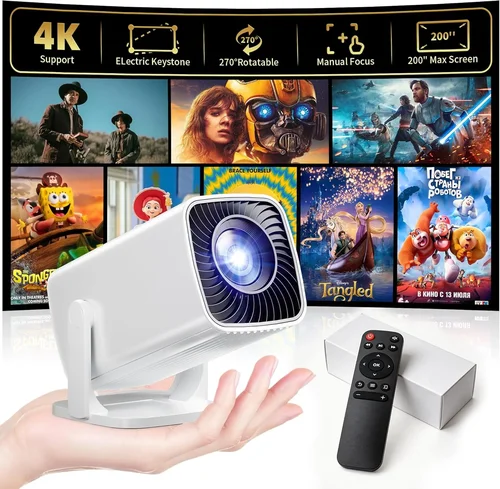
❌ Mistake: Ignoring Ambient Light Conditions
Why it’s bad: A projector rated at 2000 lumens will look washed out in a bright living room.
What to do instead: Measure typical lighting and aim for at least 2500 lumens for daytime use, or invest in blackout curtains.
❌ Mistake: Over‑emphasizing Resolution Alone
Why it’s bad: A 1080p projector with 1500 lumens may perform worse than a 720p model with 3000 lumens in most home settings.
What to do instead: Balance resolution with brightness and contrast; prioritize lumens for flexible placement.
❌ Mistake: Skipping the Lens Throw Ratio Check
Why it’s bad: Without matching the throw ratio to your space, the image may be too small or require the projector to be placed too far away.
What to do instead: Calculate the needed throw distance (screen width × throw ratio) before buying.
❌ Mistake: Forgetting About Audio Needs
Why it’s bad: Built‑in speakers often produce tinny sound that fails in larger rooms.
What to do instead: Plan for external speakers or a soundbar; check for a 3.5 mm audio out or Bluetooth.
❌ Mistake: Buying Without Checking Lamp Life
Why it’s bad: Replacing a lamp can cost $50‑$80 and may require professional service.
What to do instead: Choose models offering 30,000+ hour lamp life or LED light sources, which rarely need replacement.
❌ Mistake: Ignoring Fan Noise
Why it’s bad: A noisy fan can distract during movies or presentations.
What to do instead: Look for decibel ratings below 30 dB or read reviews that mention quiet operation.
Budget Guidelines: How Much Should You Spend?
- Entry‑Level ($120‑$150): Expect 720p resolution, 2000–2500 lumens, basic HDMI input. Ideal for casual movie nights in dark rooms.
- Mid‑Range ($151‑$180): Look for improved contrast (2000:1+), optional keystone correction, and longer lamp life (30,000 h). Good for mixed indoor/outdoor use.
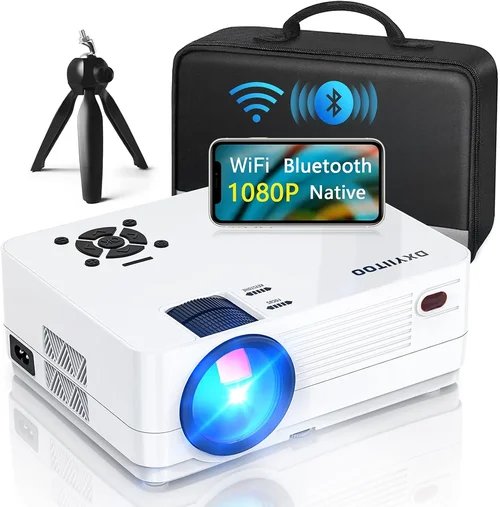
- Premium ($181‑$200): Some models push true 1080p, higher brightness (3000+ lumens), and added features like Bluetooth audio or built‑in Wi‑Fi.
Expert Tips for Getting the Best Deal
- Timing is everything: Amazon’s Lightning Deals, Prime Day, and Black Friday often drop prices by 15‑30%.
- Bundle wisely: Some sellers include a 2‑year extended warranty or a portable screen for a modest extra cost.
- Check refurbished options: Certified refurbished units can be up to 25% cheaper and still carry the manufacturer’s warranty.
- Read the Q&A section: Sellers answer specific concerns about lamp replacement and firmware updates that reviews may miss.
- Use price‑tracking tools: Websites like CamelCamelCamel alert you when a projector hits your target price.
- Verify return policy: Amazon’s 30‑day return window protects you if the projector arrives with dead pixels or excessive fan noise.
- Test before committing: If possible, view a demo video on the product page; many manufacturers upload a 5‑minute clip showing true colors and brightness.
- Consider future accessories: A matte white wall, a portable tripod, or a short‑throw lens adapter can dramatically improve the experience without breaking the bank.

Frequently Asked Questions
Q: Can a sub‑$200 projector display true 1080p?
A: Yes, a handful of models (e.g., the Anker Nebula Capsule II) offer native 1080p at this price point, but they often compromise on brightness. Expect around 2000 lumens, which works best in dark environments.
Q: How long does the lamp actually last?
A: Most LED‑based units advertise 30,000‑50,000 hours, effectively “lifetime” for typical home use. Traditional lamps range from 2000‑4000 hours; replace them before the brightness drops noticeably.
Q: Is a portable screen necessary?
A: Not strictly. A smooth, matte white wall or a blackout cloth works fine. However, a dedicated screen improves color accuracy and reduces hotspotting.
Q: Will HDMI‑C (USB‑C) work with my laptop?
A: Most modern laptops support video‑over‑USB‑C with DisplayPort Alternate Mode. Verify that your device lists “DP Alt Mode” before relying on this connection.
Q: Are there any safety concerns with cheap projectors?
A: Low‑cost units can overheat if ventilation is blocked. Always place the projector on a stable, flat surface with at least a few inches of clearance behind the fan.
Q: How do I calibrate colors without a professional?
A: Use built‑in picture modes (Cinema, Game, Vivid) and adjust brightness, contrast, and color temperature manually. Online calibration tools like “Projector Calibration” apps can guide you step‑by‑step.
Q: What distance do I need for a 100‑inch image?
A: Divide the desired screen width by the projector’s throw ratio. For a 1.2:1 throw ratio, a 100‑inch diagonal (≈87 in width) requires about 104 in (≈2.6 ft) of distance.
Q: Can I connect a streaming stick (Roku/Fire TV) directly?
A: Absolutely. Most sub‑$200 projectors include an HDMI port, which is perfect for Roku, Amazon Fire Stick, or Chromecast.
Q: Do I need a separate remote?
A: Most units ship with a basic infrared remote. For smart features, consider a Bluetooth remote or use a smartphone app if supported.
Our Final Recommendations
- Best for Budget‑Conscious Buyers: Anker Nebula Capsule II – $179, 720p, 2000 lumens, built‑in Android TV, compact size.
- Best Overall Value: Vankyo Leisure 3 – $149, 720p, 2400 lumens, multiple inputs, 30,000‑hour LED lamp.
- Best Premium Option: ViewSonic M1 Mini Plus – $199, 1080p, 2500 lumens, Bluetooth speakers, portable battery.
- Best for Beginners: ELEPHAS Mini Projector – $129, 720p, easy plug‑and‑play, auto‑focus, quiet fan.
- Best for Advanced Users: BenQ TH585 (refurbished) – $199, true 1080p, 3500 lumens, low input lag, ideal for gaming.
Conclusion: Making the Right Choice
Choosing a projector under $200 is less about finding a bargain and more about matching a device’s strengths to your specific environment. Focus on the three pillars—brightness, resolution, and connectivity—while keeping an eye on lamp life and fan noise. Use the checklist above, read user reviews, and time your purchase around major sales to secure the best deal.
Remember, the “best” projector is the one that fits your room, your content, and your budget without compromise. Armed with this guide, you’re ready to browse Amazon confidently, compare specs side‑by‑side, and bring cinema‑quality visuals into your home without breaking the bank.