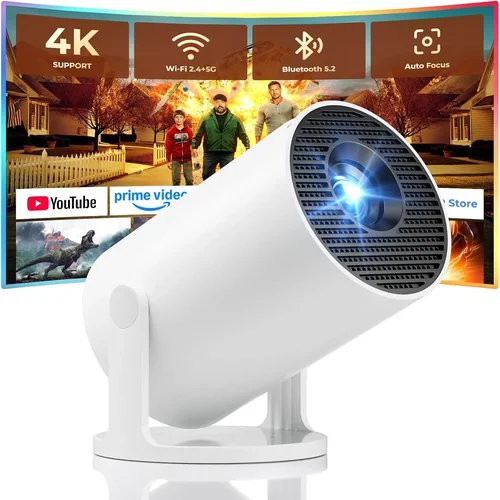
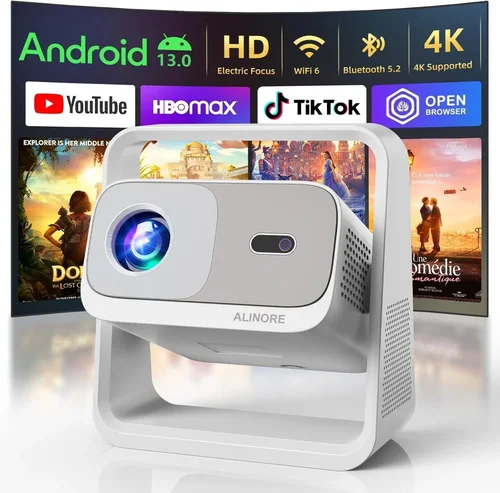
Choosing a projector when you have a budget of up to 1 lakh rupees can feel like navigating a maze. The market is flooded with models that promise cinema‑grade visuals, but not all of them deliver the performance you need for home entertainment, gaming, or office presentations. This guide cuts through the noise, giving you a clear roadmap so you can buy with confidence and avoid costly regrets.
In the next few sections you’ll learn exactly what specifications matter most, how different projector families compare, and which models give you the best bang for your buck. Whether you’re setting up a dedicated home theater, a versatile living‑room media hub, or a portable office solution, the insights here will help you match your needs to the right device.
The Indian projector landscape in 2026 has matured significantly. LED and laser light sources have become mainstream, offering longer lifespans and lower maintenance than traditional lamps. At the same time, manufacturers have pushed brightness and resolution higher while keeping prices under the 1 lakh ceiling. This means you no longer have to sacrifice picture quality for affordability—provided you know what to look for.
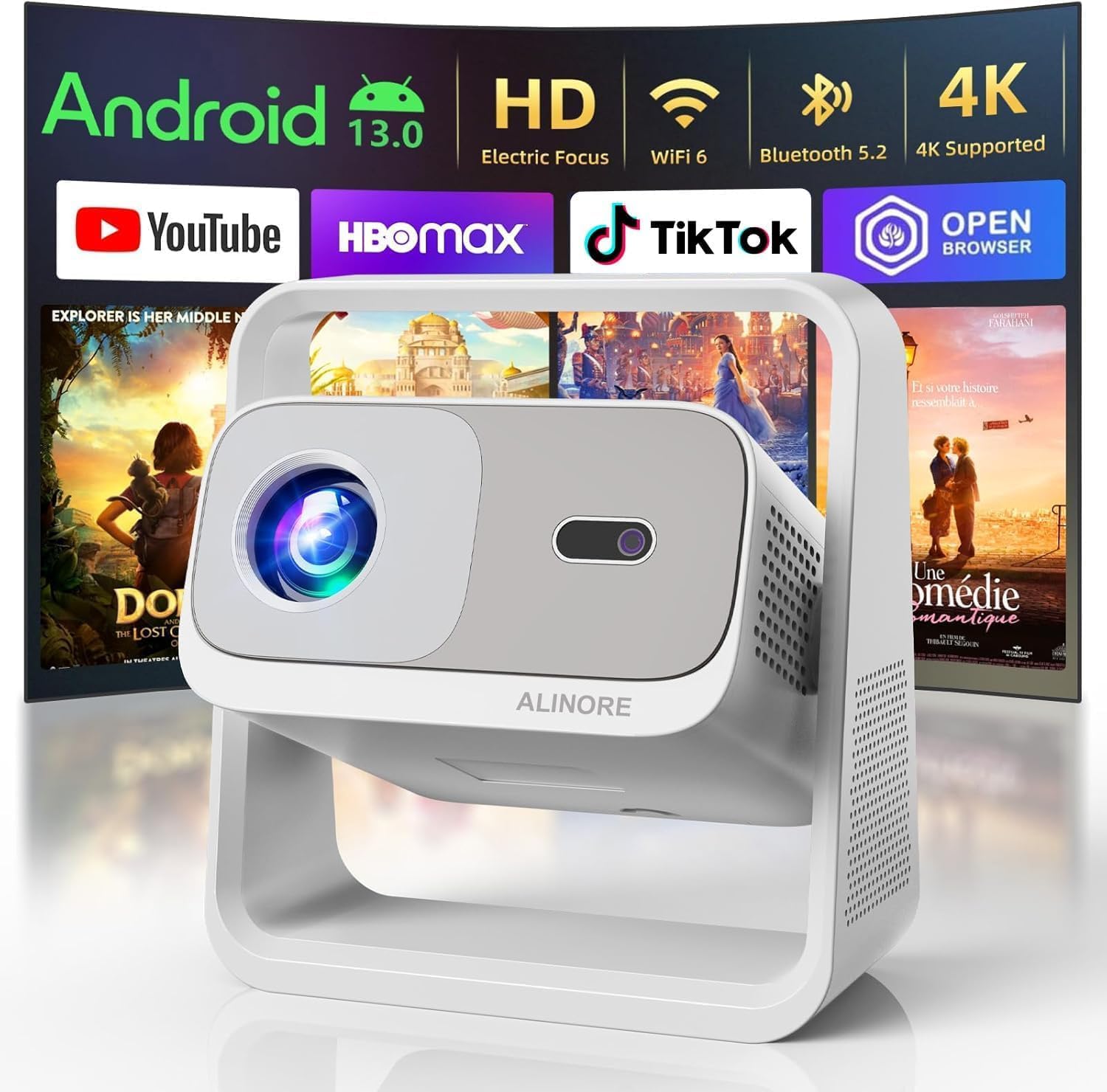
What to Look for When Buying Buying Guide
1. Budget & Price Range
Even within the 1 lakh bracket, there’s a wide spread. Entry‑level LED projectors can start around ₹45,000, while higher‑end laser models edge close to the ₹99,000 mark. Set a realistic ceiling based on how you’ll use the projector. If it’s a weekend movie setup, a modest budget will suffice. For daily office use or serious gaming, allocate more to ensure higher brightness and better connectivity.
2. Performance Specifications
Key specs include:
- Resolution: 1080p (Full HD) is the sweet spot for most buyers. Some 4K‑enhanced models exist under ₹1 lakh, but native 4K is rare at this price.
- Brightness (lumens): For a dimly lit living room, 2,500–3,000 ANSI lumens is adequate. For rooms with ambient light, aim for 3,500+ lumens.
- Contrast Ratio: Higher ratios (e.g., 20,000:1) produce deeper blacks, essential for movie nights.
- Throw Distance & Zoom: Determines how large an image you can get from a given distance. A 1.2–1.5 throw ratio is versatile for most homes.
3. Build Quality & Durability
Look for a robust chassis, preferably metal‑alloy housing, and a reliable cooling system. Projectors with fan‑less designs or low‑noise fans (under 30 dB) enhance the viewing experience, especially in quiet environments.
4. Features & Functionality
Modern projectors pack a lot of extras. Prioritize:
- Light Source Type: LED and laser units last 20,000–30,000 hours, eliminating the need for costly lamp replacements.
- Smart OS: Built‑in Android TV or Roku can turn your projector into a standalone streaming hub.
- Connectivity: HDMI 2.0, USB‑C, Wi‑Fi, Bluetooth, and wireless screen‑mirroring (Miracast/Apple AirPlay) are now common.
- Audio: Integrated speakers are convenient, but check wattage. For a true home‑theater feel, plan for external sound.
5. Brand Reputation
Brands like Epson, BenQ, ViewSonic, and Xiaomi have established service networks across India. A reputable brand often translates to better firmware updates, easier access to spare parts, and more reliable after‑sales support.
6. Warranty & Support
Standard warranties range from 1 to 2 years. Look for extended warranty options and clear policies on accidental damage. A responsive support team can save you weeks of downtime.
7. Size & Portability
If you need a projector that moves between rooms or travels for presentations, consider weight (under 2 kg is ideal) and a compact form factor. Otherwise, a larger, stationary unit can accommodate better optics and cooling.
8. User Reviews & Ratings
Real‑world feedback often reveals hidden issues like overheating, firmware glitches, or poor remote responsiveness. Scan reviews on platforms like Amazon, Flipkart, and dedicated AV forums before finalizing.
Different Types of Buying Guide
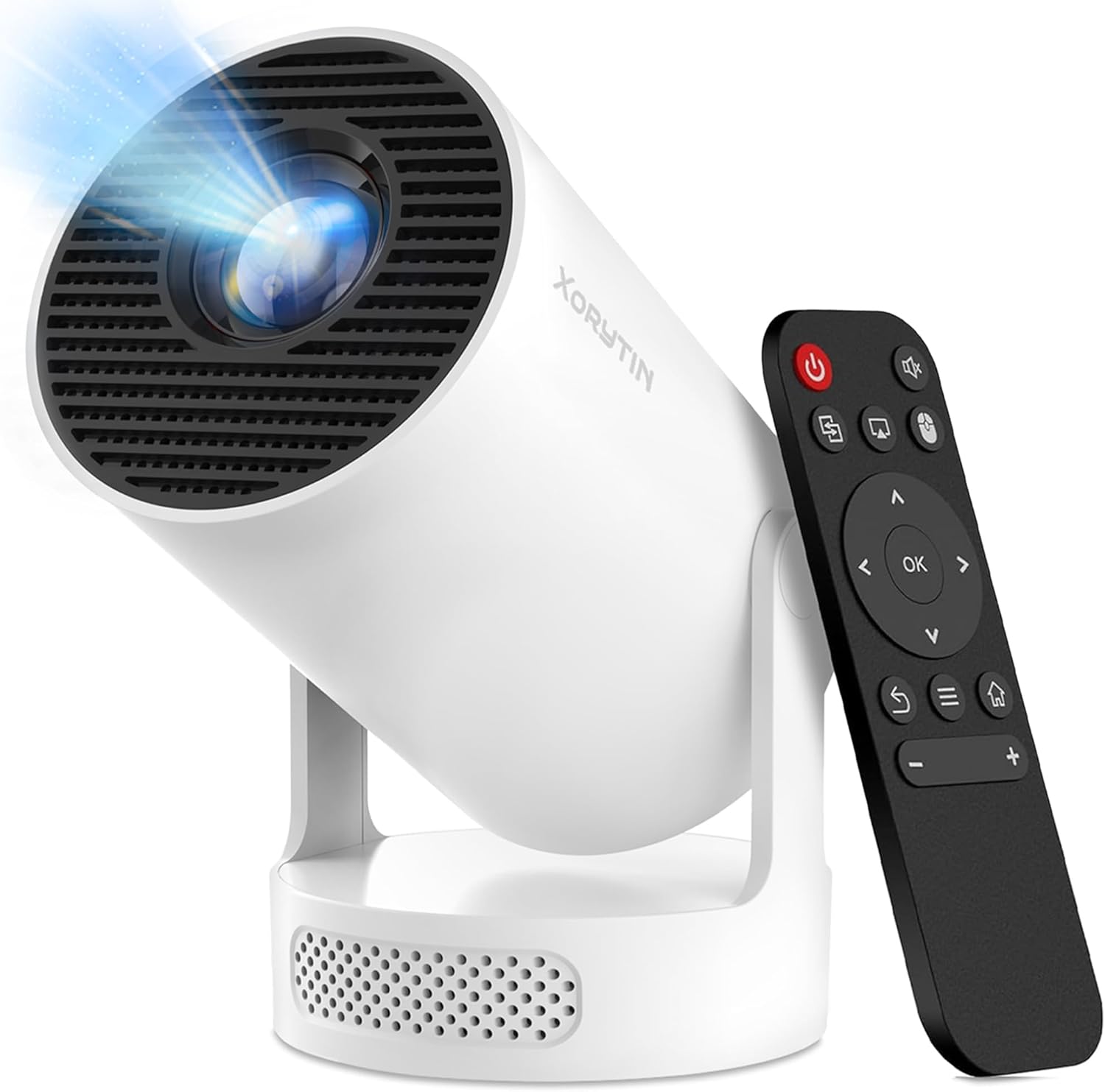
Common Buying Mistakes to Avoid
❌ Mistake: Ignoring Ambient Light Conditions
Why it’s bad: A projector rated at 2,500 lumens will look dim in a bright living room, ruining the viewing experience.
What to do instead: Measure typical lighting and choose a brightness level at least 30% higher than the ambient light level. If you cannot control light, lean toward laser models with 3,500+ lumens.
❌ Mistake: Over‑focusing on Resolution Alone
Why it’s bad: A 4K‑labeled projector with poor contrast and low brightness will still look washed out.
What to do instead: Balance resolution with contrast ratio and lumens. For most home uses, Full HD with a high contrast ratio delivers a more vivid picture than a low‑performing 4K unit.
❌ Mistake: Forgetting Throw Ratio Compatibility
Why it’s bad: Buying a long‑throw projector for a small room forces you to place it far away, resulting in a tiny image.
What to do instead: Calculate the required throw distance (screen width × throw ratio). If space is limited, pick a short‑throw or ultra‑short‑throw model.
❌ Mistake: Neglecting Connectivity Needs
Why it’s bad: You might end up buying adapters or extra dongles for streaming devices.
What to do instead: List all devices you plan to connect (gaming console, streaming stick, laptop). Ensure the projector offers enough HDMI ports, USB‑C, and wireless options.
❌ Mistake: Assuming All Built‑in Speakers Are Sufficient
Why it’s bad: Integrated speakers often produce thin sound that can’t fill a medium‑sized room.
What to do instead: Budget for an external sound system or soundbar, especially if you want a cinema‑like experience.
❌ Mistake: Skipping Firmware Updates
Why it’s bad: Out‑of‑date firmware can cause compatibility issues with new streaming apps.
What to do instead: Choose a brand that provides regular OTA updates and check the support page before purchase.
Budget Guidelines: How Much Should You Spend?
- Entry‑Level (₹45,000 – ₹60,000): Expect LED light source, 1080p, 2,500–3,000 lumens, basic Android TV. Ideal for dim rooms and occasional movie nights.
- Mid‑Range (₹60,000 – ₹80,000): Laser or high‑quality LED, 1080p or 4K‑enhanced, 3,000–3,500 lumens, better contrast, dual‑band Wi‑Fi, and richer connectivity.
- Premium (₹80,000 – ₹99,000): Laser light source, true 1080p or native 4K (rare), 3,500+ lumens, short‑throw options, advanced color accuracy (Rec. 709), and robust smart OS.
- Luxury (₹100,000+): While outside the strict budget, these units offer native 4K, HDR10+, ultra‑short‑throw, and professional‑grade color grading. Consider only if your budget can stretch.
Expert Tips for Getting the Best Deal
- Timing: Look for “Lightning Deals” that often feature high‑end models at reduced prices.
- Where to buy: Authorized online stores (Amazon, Flipkart) guarantee genuine warranty. Physical retail stores let you test the image before purchase.
- Spotting deals: Compare the listed price with the manufacturer’s MRP. A price lower than 85% of MRP is generally a good sign.
- Warranty tricks: Register the product within 30 days to unlock extended warranty offers from the brand.
- Return policies: Ensure a minimum 7‑day return window. Test for brightness uniformity, fan noise, and remote latency before finalizing.
- Testing: Bring a laptop with a 1080p test video. Project from the intended distance to confirm throw ratio and focus accuracy.
- Bundled accessories: Some sellers include wall‑mount kits or HDMI cables—calculate the total value before deciding.

Frequently Asked Questions
Q: Do I need a projector screen, or can I use a plain wall?
A: While a white matte wall works, a proper projector screen improves brightness gain and color accuracy, especially in rooms with ambient light. For budgets under 1 lakh, a 120‑inch 16:9 white screen costs around ₹7,000 and is a worthwhile investment.
Q: How often do I need to replace the lamp?
A: LED and laser projectors have lifespans of 20,000–30,000 hours, effectively “lifetime” for most users. Traditional lamp projectors require replacement every 2,000–3,000 hours, adding ₹8,000‑₹12,000 to long‑term cost.
Q: Is 4K really necessary for a 100‑inch screen?
A: At 100 inches, the pixel density of 1080p is already comfortable for most viewers at typical sitting distances (8‑10 ft). True 4K shines on larger screens (150‑200 inches) or when sitting very close.
Q: Can I connect my smartphone wirelessly?
A: Yes. Most modern projectors support Miracast, AirPlay, or have a dedicated app for screen casting. Ensure your phone and projector are on the same Wi‑Fi band (5 GHz for smoother playback).
Q: What is the ideal throw distance for a 120‑inch image?
A: With a 1.3 throw ratio, you’ll need roughly 13 ft (4 m) of distance. Short‑throw models (0.4‑0.6) can achieve the same size from just 2‑3 ft away.
Q: Should I worry about fan noise?
A: In a quiet home theater, fan noise above 30 dB can be noticeable. Look for units advertising “quiet mode” or fan‑less designs if noise is a concern.
Q: Are there any hidden costs?
A: Some projectors require separate color wheels or additional lenses for 4K conversion, which add to the price. Also, factor in cables, mounting hardware, and possibly a sound system.
Our Final Recommendations
- Best for Budget‑Conscious Buyers: Xiaomi Mi Laser Projector 1080P – ₹48,999. Offers laser light source, 3,200 lumens, and Android TV at a price well below the market average.
- Best Overall Value: BenQ TH671ST – ₹78,500. Short‑throw, 3,200 lumens, low input lag (16 ms) for gaming, and solid build quality.
- Best Premium Option: Epson EH‑LS500 – ₹95,000. Laser, 3,600 lumens, excellent color accuracy, and a reliable warranty network.
- Best for Beginners: ViewSonic M2 – ₹62,000. Portable LED, built‑in Harman Kardon speakers, and straightforward Android TV interface.
- Best for Advanced Users: Optoma UHD50X – ₹99,000. Near‑native 4K, 3,400 lumens, 20 ms gaming mode, and advanced keystone correction.
Conclusion: Making the Right Choice
Buying a projector under 1 lakh is no longer a compromise between price and performance. By understanding the key specifications—brightness, contrast, throw ratio, and light source—you can pinpoint a model that fits your room, usage pattern, and aesthetic preferences. Remember to align your purchase with realistic lighting conditions, verify connectivity options, and factor in accessories like screens and sound systems.
Take the time to read user reviews, test the unit if possible, and shop during major sales to maximise value. With the right research, the projector you choose today will deliver countless movie nights, gaming sessions, and presentations for years to come.