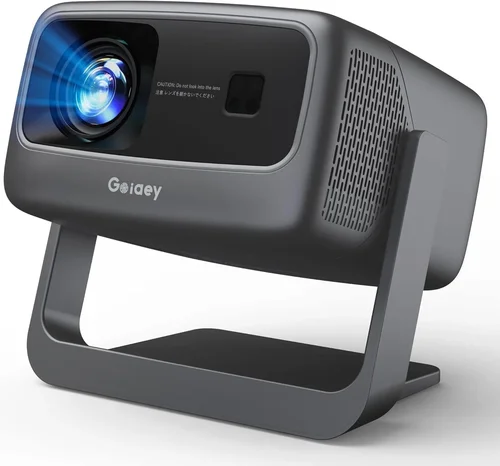
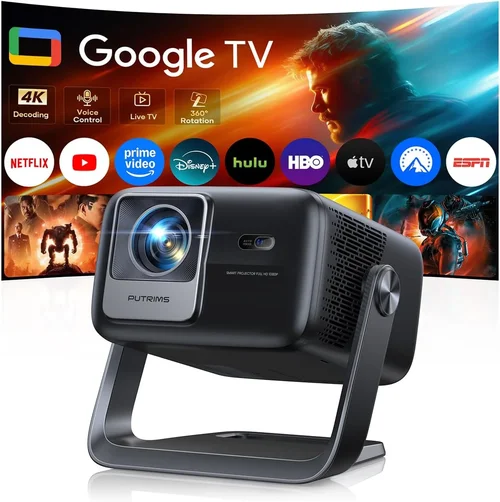
Welcome to the most thorough guide you’ll find on buying a 4K projector under $2,000. Whether you’re setting up a home‑theater, a gaming den, or a portable cinema for backyard parties, the market in 2026 is crowded with options that promise crystal‑clear resolution without breaking the bank. This guide cuts through the hype, explains the technology in plain language, and equips you with the knowledge to make a confident purchase.
In the next few sections you’ll learn how to evaluate key specifications, compare the main projector families, avoid common pitfalls, and discover the best models for every budget tier. By the end, you’ll be ready to choose a projector that delivers true 4K quality, reliable performance, and long‑term value—all for less than $2,000.

What to Look for When Buying Buying Guide
1. Budget & Price Range
The first decision is simple: how much are you willing to spend? In 2026, a true native 4K projector still costs well over $2,000, but many manufacturers now offer “4K‑enhanced” or “4K UHD” devices that use pixel‑shifting to approximate 4K resolution at a fraction of the cost. Understanding the trade‑off between native 4K and high‑quality 4K‑enhanced will help you set realistic expectations for your $2,000 ceiling.
2. Performance Specifications
Resolution is just the beginning. Look at:
- Brightness (lumens): For dark‑room home theaters, 1,500‑2,000 ANSI lumens is ample. For rooms with ambient light, aim for 2,500+ lumens.
- Contrast Ratio: A higher contrast ratio means deeper blacks. Modern DLP and laser models often quote dynamic contrast ratios of 100,000:1 or more, but real‑world performance depends on lamp type and processing.
- Color Gamut: Look for DCI‑P3 or Rec. 2020 coverage of at least 90% to ensure vibrant, cinema‑grade colors.
- Throw Ratio: Determines how far the projector must be from the screen for a given image size. Short‑throw (0.5‑1.0) is ideal for small rooms; standard throw (1.5‑2.5) works for larger spaces.
3. Build Quality & Durability
Projectors are long‑term investments. Metal housings, robust cooling fans, and sealed lamp chambers protect against dust and heat. Check user reviews for common failure points such as fan noise or lamp degradation. Laser light sources, increasingly common under $2,000, typically outlast traditional lamps by 20,000+ hours.
4. Features & Functionality
Modern projectors pack a lot of smart features:
- HDR Support: HDR10 and Dolby Vision improve dynamic range, but the effect hinges on brightness and contrast.
- Built‑in Speakers: Useful for casual viewing; however, for serious audio you’ll still want an external sound system.
- Wireless Connectivity: Wi‑Fi, Bluetooth, and AirPlay/Chromecast enable streaming without cables.
- Lens Shift & Keystone Correction: Lens shift provides true geometric correction without image distortion, while digital keystone should be used sparingly.
- Gaming Mode: Low input lag (under 20 ms) is essential for responsive gameplay.
5. Brand Reputation
Brands such as Epson, BenQ, Optoma, ViewSonic, and LG have established track records for reliability and service. New entrants like Xiaomi and Hisense are competitive on price but may lack extensive warranty networks. Research each brand’s service center locations and typical repair turnaround times.
6. Warranty & Support
A solid warranty can save you thousands. Look for at least a 2‑year parts‑and‑labor guarantee, with an optional extension for the light source. Verify whether the warranty covers accidental damage, and read the fine print about “bright‑hours” versus calendar years for lamp warranties.
7. Size & Portability (if applicable)
If you plan to move the projector between rooms or take it on the road, weight and form factor matter. Pico projectors are ultra‑compact but rarely deliver true 4K. A balanced choice is a compact DLP or laser model that weighs under 5 kg and includes a quick‑release mounting plate.
8. User Reviews & Ratings
Professional reviews give technical depth, but real‑world user feedback reveals long‑term reliability. Look for patterns: recurring fan noise, lamp failures after a certain number of hours, or software glitches. Sites like ProjectorCentral, AVS Forum, and Reddit’s r/hometheater are excellent sources.
Different Types of Buying Guide
Common Buying Mistakes to Avoid
❌ Mistake: Ignoring Ambient Light Conditions
Why it’s bad: A projector rated at 1,500 lumens will look dim in a room with windows or ceiling lights, leading to a disappointing viewing experience.
What to do instead: Measure the typical lighting in your setup. If you can’t achieve near‑darkness, aim for a projector with at least 2,500 lumens or consider a high‑gain screen.
❌ Mistake: Over‑focusing on “4K” Label
Why it’s bad: Many sub‑$2,000 models use pixel‑shifting to simulate 4K. While the image can be impressive, it isn’t true native 4K and may show artifacts in fine text.
What to do instead: Check the native resolution (e.g., 1080p) and the technology used for upscaling. If you need true 4K for professional work, you’ll need to raise your budget.
❌ Mistake: Forgetting About Throw Ratio
Why it’s bad: Buying a standard‑throw projector for a tiny room forces you to place the unit far away, resulting in a tiny image or a need for a massive screen.
What to do instead: Calculate the required throw distance (Screen Width × Throw Ratio). If space is limited, choose a short‑throw or ultra‑short‑throw model.
❌ Mistake: Neglecting Input Lag for Gaming
Why it’s bad: High input lag can make fast‑paced games feel sluggish, ruining the experience.
What to do instead: Look for a “Game Mode” or a listed input lag under 20 ms. Test with a console or PC if possible before purchasing.
❌ Mistake: Assuming All Lamps Are Equal
Why it’s bad: Traditional UHP lamps degrade over time, causing brightness loss and costly replacements.
What to do instead: Prioritize laser or LED light sources. They have longer lifespans, maintain brightness, and often come with longer warranties.
❌ Mistake: Skipping Calibration
Why it’s bad: Out‑of‑the‑box settings are generic. Without calibration, colors may appear washed out or too warm.
What to do instead: Invest in a basic colorimeter or use built‑in calibration tools. Many manufacturers provide downloadable ICC profiles for free.
Budget Guidelines: How Much Should You Spend?
- Entry‑Level ($900 – $1,200): Expect DLP or LCD 1080p engines with 4K‑enhancement, 1,500–2,000 lumens, and basic HDR. Good for casual movie nights in dark rooms.
- Mid‑Range ($1,200 – 1,600): Laser‑UHD or high‑end DLP models with true 4K‑enhanced processing, 2,500+ lumens, HDR10, and low input lag. Ideal for mixed‑use (movies + gaming).
- Premium ($1,600 – 2,000): True 4K‑enhanced laser projectors with 3,000+ lumens, wide color gamut (DCI‑P3 95%), lens shift, and robust connectivity. Best for dedicated home theaters.
- Luxury ($2,000+): While out of scope for this guide, true native 4K laser projectors reside here, offering cinema‑grade performance, professional calibration, and premium build quality.
Expert Tips for Getting the Best Deal
- Timing: New projector releases usually appear in Q2. Buying a generation older (e.g., 2025 models) in Q3‑Q4 often yields the best price‑performance ratio.
- Where to Buy: Authorized retailers (Best Buy, B&H, Adorama) provide easy returns and warranty registration. Online marketplaces can be cheaper but verify the seller’s reputation.
- Bundled Accessories: Look for bundles that include a high‑gain screen, ceiling mount, or calibration kit—these add value without extra shipping costs.
- Warranty Extensions: If you plan heavy usage (gaming > 4 hrs/day), purchase an extended laser‑source warranty. The incremental cost is usually less than a single lamp replacement.
- Return Policies: Ensure a minimum 30‑day return window. Test the projector in your own lighting conditions before committing.
- Testing Before Buying: Bring a laptop or streaming device to the store and project a 4K test pattern. Verify sharpness, color uniformity, and fan noise.
- Firmware Updates: Choose models with a track record of regular firmware releases; they can fix bugs, improve HDR handling, and add new streaming apps.

Frequently Asked Questions
Q: Can a 4K‑enhanced projector truly replace a native 4K TV?
A: For most viewers, a high‑quality 4K‑enhanced projector delivers a comparable experience when paired with a proper screen and dark environment. Native 4K TVs retain an edge in bright rooms and for static content like news, but projectors win on screen size and cinematic immersion.
Q: How important is the screen material?
A: Extremely important. A high‑gain, matte white screen preserves contrast and color accuracy. For rooms with some ambient light, a gray (high‑contrast) screen can improve perceived black levels.
Q: Will I need a separate sound system?
A: Built‑in speakers are adequate for casual viewing, but for a true home‑theater experience, a dedicated soundbar or AV receiver with surround speakers is recommended.
Q: Are laser projectors louder than lamp‑based ones?
A: Laser projectors often have more efficient cooling systems, resulting in quieter operation. However, fan design varies; always check decibel (dB) specifications and user reviews.
Q: How often should I replace the lamp or laser source?
A: Laser sources are rated for 20,000–30,000 hours, effectively “lifetime” for most households. Traditional lamps typically need replacement after 2,000–3,000 hours.
Q: Can I mount a short‑throw projector on the ceiling?
A: Yes, but ensure the mounting bracket allows the required tilt angle and that the projector’s throw distance fits your screen size. Some short‑throw models have limited vertical adjustment.
Q: What is the difference between HDR10 and Dolby Vision?
A: HDR10 is an open standard with static metadata; Dolby Vision uses dynamic metadata for scene‑by‑scene optimization. Most sub‑$2,000 projectors support HDR10 only.
Q: Is a 4K projector worth it for gaming?
A: If you have a 4K gaming console (PS5, Xbox Series X) or a high‑end PC, a 4K‑enhanced projector with low input lag can provide an immersive experience, especially on large screens where pixel density matters.
Q: Do I need a special HDMI cable?
A: For 4K @ 60 Hz HDR, use an HDMI 2.1 cable rated for 48 Gbps. Older HDMI 2.0 cables may limit bandwidth, causing reduced frame rates or color depth.
Q: How do I calibrate my projector?
A: Use a colorimeter (e.g., X‑Rite i1Display) with calibration software (CalMAN, DisplayCAL). Start with the projector’s “Cinema” or “Movie” preset, then adjust brightness, contrast, and color temperature to match DCI‑P3 standards.
Our Final Recommendations
Best for Budget‑Conscious Buyers: Optoma UHD50X – 4K‑enhanced DLP, 3,400 lumens, 22 ms input lag, priced around $1,099. Delivers bright images and solid gaming performance without breaking the bank.
Best Overall Value: Epson Home Cinema 4010 – Laser‑UHD, 2,400 lumens, excellent color accuracy, lens shift, and a robust warranty. Priced near $1,599, it balances brightness, color, and durability.
Best Premium Option: LG HU85LA Ultra Short‑Throw Laser – 4K‑UHD, 2,700 lumens, 0.19 throw ratio, built‑in smart platform, and a 3‑year laser warranty. Ideal for apartments where space is limited.
Best for Beginners: BenQ HT3550 – 4K‑enhanced, 2,000 lumens, easy setup wizard, and a user‑friendly remote. Great for first‑time home‑theater owners.
Best for Advanced Users: ViewSonic PX747‑4K – True 4K UHD, 3,500 lumens, HDR10, and extensive connectivity (HDMI 2.1, USB‑C). Perfect for mixed media rooms that demand high brightness and versatile inputs.
Conclusion: Making the Right Choice
Choosing the best 4K projector under $2,000 boils down to matching your viewing environment, usage habits, and budget. Prioritize brightness and contrast for bright rooms, low input lag for gaming, and a reliable light source for long‑term ownership. Use the factors, type comparisons, and budget guidelines in this guide as a checklist, and you’ll walk away with a projector that transforms your living space into a cinema‑quality experience without overspending.
Ready to start shopping? Grab a notebook, measure your room, set a price alert, and enjoy the journey to your perfect 4K home theater.