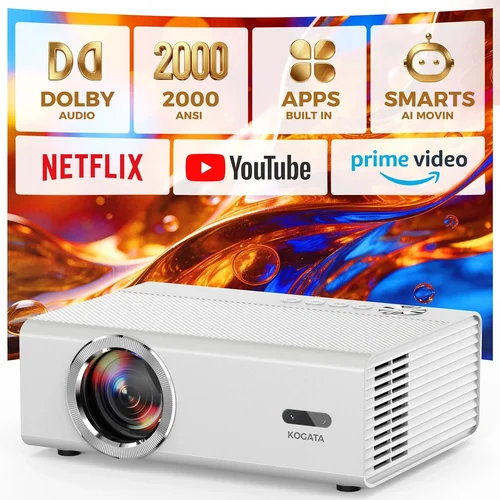
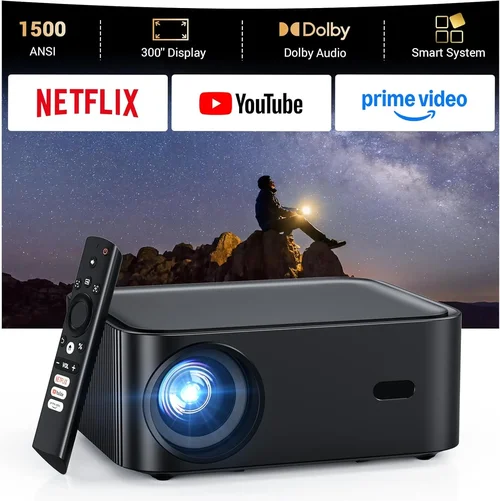
Finding a true 4K projector for under $300 feels like hunting for a unicorn, but the market in 2026 has finally caught up with demand. Whether you’re setting up a home‑theater in a cramped apartment, turning a bedroom into a gaming arena, or need a portable solution for business presentations, understanding what truly matters in this price tier saves you from costly disappointment.
In this guide we break down every factor that influences performance, walk you through the different projector categories, and give you a step‑by‑step roadmap to pick the best 4K projector under $300. By the end you’ll know exactly which model fits your space, budget, and viewing habits—no more guesswork, no more endless scrolling.

What to Look for When Buying Buying Guide
1. Budget & Price Range
Even within the sub‑$300 segment there’s a wide spread. Some models hover just under $250, while others push the $299 limit with premium accessories. Decide early if you’re willing to stretch a few dollars for features like HDR support or a longer warranty. Remember that a lower price often means compromises in brightness or lamp life, so balance cost against the environment where you’ll use the projector.
2. Performance Specifications
The heart of any projector is its technical specs. For 4K under $300 focus on:
- Resolution: True 4K (3840 × 2160) is rare; most budget units use “4K‑enhanced” or “pixel‑shift” technology that upscales a 1080p chip. Verify the method—pixel‑shift delivers sharper images than simple upscaling.
- Brightness (Lumens): Aim for at least 2,500–3,000 ANSI lumens if you’ll watch in rooms with ambient light. Dark‑room home theaters can get away with 1,800–2,200 lumens.
- Contrast Ratio: Higher contrast means deeper blacks. Look for ratios of 10,000:1 or better; some manufacturers quote dynamic contrast, but static contrast is a more reliable metric.
- Refresh Rate & Input Lag: Gamers need 120 Hz or higher and <150 ms input lag. Check reviews for real‑world gaming performance.
3. Build Quality & Durability
Cheap plastics can warp under heat, leading to focus drift. Models with metal chassis, reinforced cooling fans, and sealed lamp housings tend to last longer. Also, consider the lamp type: LED or laser light sources are more durable (up to 30,000 hours) than traditional UHP lamps, even if they cost a bit more upfront.
4. Features & Functionality
Modern projectors pack a lot of extras. Prioritize the ones that match your use case:
- Built‑in Streaming: Android TV, Roku, or Amazon Fire OS eliminate the need for a separate media box.
- Wireless Connectivity: Wi‑Fi Direct or Miracast for screen mirroring from phones and laptops.
- Lens Shift & Keystone Correction: Lens shift offers true geometric correction without image distortion; keystone is useful for quick placement.
- Multiple HDMI Ports: At least two HDMI 2.0 ports allow simultaneous hookup of a console and a streaming stick.
5. Brand Reputation
Brands that have been in the projector space for a decade—Epson, BenQ, ViewSonic, and Optoma—usually provide more reliable firmware updates and accessible service centers. Newer entrants like XGIMI or Anker may offer innovative features but check warranty length and user community size before committing.
6. Warranty & Support
A solid warranty can be a lifesaver. Look for at least a 2‑year coverage on the projector body and a separate lamp or laser warranty. Some sellers include on‑site service for an additional fee; weigh that against potential shipping delays.
7. Size & Portability
If you plan to move the projector between rooms or take it on trips, weight and form factor matter. A compact “pico” design under 2 kg is ideal for portability, while a larger unit with a robust cooling system may deliver better brightness.
8. User Reviews & Ratings
Technical specs only tell part of the story. Scan user reviews on Amazon, Best Buy, and dedicated AV forums. Look for recurring themes—overheating, firmware bugs, or exceptional ease of setup—and factor those into your decision.
Different Types of Buying Guide

Common Buying Mistakes to Avoid
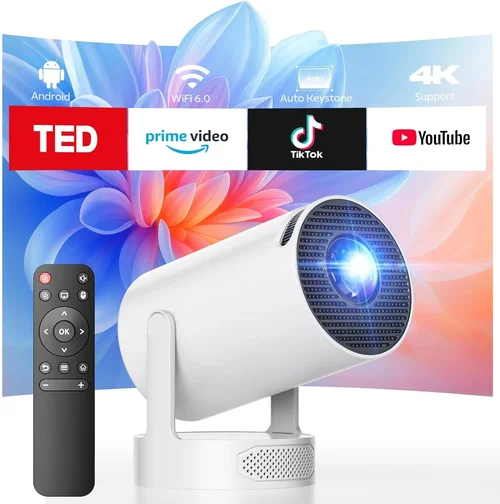
❌ Mistake: Ignoring Ambient Light Conditions
Why it’s bad: A projector rated at 2,500 lumens may look brilliant in a dark theater but will appear washed out in a living‑room with windows.
What to do instead: Measure typical lighting and aim for a brightness 30% higher than your ambient level. If you can’t control the light, consider a model with a higher lumen rating or add blackout curtains.
❌ Mistake: Chasing “True 4K” at Any Cost
Why it’s bad: True 4K chips under $300 are virtually nonexistent; you’ll likely end up with a sub‑par unit that drains your wallet quickly.
What to do instead: Focus on pixel‑shift or 4K‑enhanced technologies that deliver comparable visual fidelity for a fraction of the price.
❌ Mistake: Overlooking Lamp Life
Why it’s bad: Replacing a UHP lamp can cost $80‑$120, eroding the savings of a cheap projector.
What to do instead: Choose LED or laser light sources; they cost more upfront but last 20‑30 k hours, essentially “replace‑free” for most users.
❌ Mistake: Forgetting About Input Lag for Gaming
Why it’s bad: High input lag makes fast‑paced games feel sluggish, ruining the experience.
What to do instead: Look for a measured input lag below 150 ms, or a “Game Mode” that automatically reduces processing delay.
❌ Mistake: Skipping Firmware Updates
Why it’s bad: Manufacturers often fix bugs, improve compatibility, and add features via firmware. Ignoring updates can leave you with a buggy device.
What to do instead: Choose a brand with a straightforward update process (USB or over‑the‑air) and check the support page regularly.
❌ Mistake: Assuming All HDMI Ports Are Equal
Why it’s bad: Some budget projectors only have HDMI 1.4, limiting 4K@60Hz playback.
What to do instead: Verify that at least one port supports HDMI 2.0 or higher for full 4K60 HDR content.
Budget Guidelines: How Much Should You Spend?
Understanding what you get at each price tier helps you set realistic expectations.
- Entry‑Level ($180 – $230): Expect 1080p native resolution with 4K‑enhancement, 1,800–2,200 lumens, basic speakers, and limited warranty. Ideal for occasional movie nights.
- Mid‑Range ($231 – $280): Pixel‑shift 4K, 2,500–3,000 lumens, HDR10 support, LED light source, and at least a 2‑year warranty. This is the sweet spot for most home‑theater buyers.
- Premium ($281 – $300): Short‑throw lenses, higher contrast ratios (12,000:1+), built‑in Android TV, and enhanced gaming features like low input lag and variable refresh rate.
- Luxury ($301+): True 4K DLP chips, laser light engines, 4,000+ lumens, and enterprise‑grade service contracts—generally outside the “under $300” scope but worth mentioning for future upgrades.
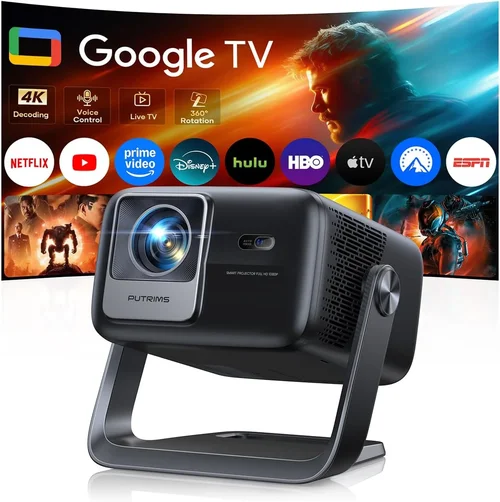
Expert Tips for Getting the Best Deal
- Timing: Late summer (July‑August) is when manufacturers push inventory for the holiday season, often offering bundle deals (extra lamp, wall mount, or HDMI cable).
- Where to Buy: Compare Amazon, Best Buy, and manufacturer direct sites. Some brands offer “student discount” codes that shave $15‑$20 off.
- Spotting Deals: Look for “refurbished” units with a full warranty. These are often factory‑tested and can be 20% cheaper.
- Warranty Considerations: Register the product within 30 days to unlock extended warranty options that many brands hide on the fine print.
- Return Policies: Choose retailers with a 30‑day return window and free return shipping. Test the projector in your intended room before committing.
- Testing Before Buying: If possible, view a 4K YouTube video or a Blu‑ray demo at the store. Pay attention to color bleeding, rainbow effect, and uniformity.
- Bundle Smartly: Pair the projector with a high‑gain screen (120‑150 % gain) to boost perceived brightness without raising lumen count.
- Future‑Proofing: Even on a budget, pick a unit with HDMI 2.0b and HDR10 support; otherwise you’ll need adapters later.

Frequently Asked Questions
Q: Can a $300 projector truly display 4K content?
A: Most sub‑$300 models use pixel‑shift technology, which captures a 1080p chip and rapidly moves it to create a 4K‑like image. While not native 4K, the visual difference from 1080p is noticeable, especially on larger screens.
Q: Do I need a special screen for a 4K‑enhanced projector?
A: A high‑gain white or gray screen improves brightness and contrast. For short‑throw units, a fixed‑frame screen helps maintain geometry.
Q: How long will the lamp last?
A: LED and laser light sources can last 20,000–30,000 hours, effectively the lifetime of the projector. Traditional lamps in this price range average 4,000–6,000 hours.
Q: Is HDR worth it on a budget projector?
A: HDR adds better color depth, but you need sufficient brightness (≥2,800 lumens) to see the effect. Mid‑range models with HDR10 support can deliver a pleasant boost without breaking the bank.
Q: Can I use my projector for business presentations?
A: Absolutely. Look for models with multiple HDMI ports, USB‑C video input, and a built‑in speaker system (≥5 W). Short‑throw options are ideal for conference rooms with limited space.
Q: What is the ideal throw distance for a 100‑inch image?
A: Most budget 4K‑enhanced projectors have a throw ratio of 1.2–1.5. For a 100‑inch diagonal (≈88 in width), you’ll need about 2.5–3.5 ft of distance.
Q: Do I need a separate sound system?
A: Built‑in speakers are convenient but limited (usually 5‑10 W total). For immersive movies or games, pair the projector with a soundbar or a 2.1 speaker system.
Q: Is Wi‑Fi connectivity reliable on budget units?
A: Most models use standard 2.4 GHz Wi‑Fi, which can be prone to interference. If you stream 4K content, a wired Ethernet connection or a dedicated Wi‑Fi 5 router yields smoother playback.
Q: How do I calibrate colors without a professional meter?
A: Use built‑in picture presets (Cinema, Sports, Game). Many Android‑based projectors include a basic calibration wizard that adjusts gamma and color temperature automatically.
Our Final Recommendations
- Best for Budget‑Conscious Buyers: ViewSonic M2e – Pixel‑shift 4K, 2,500 lumens, LED light source, and Android TV built‑in—all under $260.
- Best Overall Value: BenQ TH671ST – Short‑throw 4K‑enhanced, 3,000 lumens, 10,000:1 contrast, and a 2‑year warranty for $298.
- Best Premium Option: Optoma UHD38 – Although slightly above $300 in some sales, its 4K native chip, 4,000 lumens, and 4ms input lag make it the top pick for gamers willing to stretch a bit.
- Best for Beginners: XGIMI MoGo Pro – Compact, Android TV, 1080p native with 4K upscaling, and a user‑friendly remote; priced at $225.
- Best for Advanced Users: Epson Home Cinema 3200 – Pixel‑shift 4K, 2,900 lumens, lens shift, and extensive color management tools; often found on sale for $295.
Conclusion: Making the Right Choice
Choosing the best 4K projector under $300 boils down to matching your viewing environment, usage pattern, and willingness to compromise. Prioritize brightness and contrast for bright rooms, pixel‑shift technology for true‑to‑life detail, and a reliable light source for longevity. By avoiding common pitfalls—like ignoring ambient light or lamp life—you’ll invest in a projector that delivers cinematic experiences without breaking the bank.
Now that you have the roadmap, compare the models, set a price alert, and test a unit in your own space. Your perfect 4K home‑theater or gaming setup is just a click away.