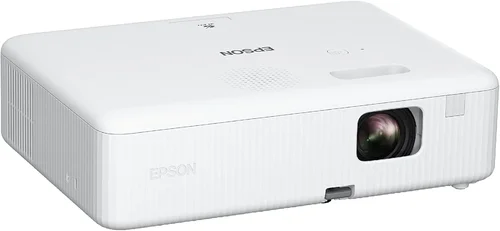
Finding a solid Epson projector that won’t break the bank can feel like hunting for a needle in a haystack. The market is flooded with models that promise big screens, vivid colors, and cinematic experiences, yet many of them sit well above the $300 mark. If you’re a student, a home‑theater enthusiast on a budget, or a small‑business owner who needs a reliable visual aid, this guide is designed just for you. We’ll walk through everything you need to know to pick the best Epson projector under $300, from the specs that truly matter to the common pitfalls that trip up first‑time buyers.
By the end of this article you’ll understand the key performance factors, know which Epson model gives you the most bang for your buck, and be equipped with practical tips to snag the best deal. Whether you’re setting up a backyard movie night, a classroom presentation, or a portable gaming rig, the insights here will help you make a confident, informed purchase.
The projector landscape in 2026 has evolved dramatically. Light‑engine technology has become more efficient, lamp life has stretched well beyond 5,000 hours, and manufacturers are squeezing higher resolutions into smaller, lighter bodies. Epson, long regarded as a benchmark for image quality and durability, now offers several entry‑level units that hover just under the $300 threshold. Let’s dive into the factors that separate the good from the great.

What to Look for When Buying Buying Guide
1. Budget & Price Range
While the headline says “under $300,” the actual price you pay can vary based on sales, bundles, and regional taxes. Set a realistic ceiling—say $280 after discounts—to give yourself room for accessories like a screen, HDMI cable, or a spare lamp. Remember that a lower price tag often means compromises in brightness or resolution, so balance cost with the features you truly need.
2. Performance Specifications
Key specs include resolution, brightness (lumens), contrast ratio, and throw distance. For a projector under $300, you’ll most likely encounter XGA (1024×768) or WXGA (1280×800) native resolutions. Brightness should be at least 2,500 lumens for dim rooms, but if you plan to use it in well‑lit spaces, aim for 3,000 lumens or more. Contrast ratio affects how deep the blacks appear; a ratio of 15,000:1 or higher is respectable at this price point.
3. Build Quality & Durability
Epson projectors are known for sturdy housings and long‑lasting lamps. Look for metal chassis, a sealed optics compartment, and a reputable lamp life rating (typically 5,000–7,000 hours). A robust build reduces the risk of overheating and extends the device’s usable lifespan, which is crucial when you’re stretching every dollar.
4. Features & Functionality
Modern projectors pack a lot into a small footprint. Important features to consider include:
- Keystone correction: Automatic or manual adjustment to fix trapezoidal distortion.
- Lens shift: Allows vertical/horizontal movement without moving the projector.
- Multiple input ports: HDMI, VGA, USB, and sometimes wireless Miracast or Bluetooth.
- Built‑in speakers: Useful for quick setups, though external speakers will deliver better sound.
Not every budget model offers all these, so prioritize based on your setup.
5. Brand Reputation
Epson has built a reputation for reliable, color‑accurate projectors. When shopping under $300, stick to well‑reviewed Epson series like the Home Cinema, PowerLite, or the newer EcoTank line. Avoid obscure brands that may cut corners on optics or lamp quality.
6. Warranty & Support
A solid warranty can save you headaches. Epson typically offers a 1‑year limited warranty on entry‑level models, with optional extensions. Check if the retailer provides on‑site service or a hassle‑free return policy. Good customer support can be a lifesaver if you encounter lamp failures or firmware glitches.
7. Size & Portability
If you need a projector for travel, classroom rotations, or pop‑up movie nights, size matters. Look for a compact form factor (under 2 kg) and easy‑to‑set‑up mounting options. Some Epson models come with a built‑in carry handle, which is a nice bonus.
8. User Reviews & Ratings
Before you click “Buy,” skim through user reviews on Amazon, Best Buy, and tech forums. Pay attention to recurring complaints—such as overheating, lamp flicker, or poor focus—because a pattern often signals a genuine issue.
Different Types of Buying Guide

Common Buying Mistakes to Avoid
❌ Mistake: Ignoring Ambient Light Conditions
Why it’s bad: A projector rated at 2,500 lumens will look fantastic in a dark room but will appear washed out in a bright living room.
What to do instead: Measure the typical lighting of your intended space. If you can’t control ambient light, aim for 3,000 lumens or consider a model with higher contrast.
❌ Mistake: Overlooking Lamp Life
Why it’s bad: Replacing a lamp can cost $80‑$120, quickly eroding the savings of a cheap projector.
What to do instead: Choose an Epson model with at least 5,000‑hour lamp life and check if a spare lamp is available at a reasonable price.
❌ Mistake: Forgetting About Input Compatibility
Why it’s bad: You might end up with a projector that only has VGA, forcing you to buy adapters for modern HDMI devices.
What to do instead: Verify that the projector has the ports you need—HDMI is a must for most 2026 devices.
❌ Mistake: Skipping the Throw Ratio Check
Why it’s bad: A projector with a long throw ratio may require you to place it far from the screen, which isn’t feasible in small rooms.
What to do instead: Calculate the needed distance using the throw ratio (screen width ÷ throw distance). Short‑throw models are pricier but worth it for tight spaces.
❌ Mistake: Assuming All Epson Models Are the Same
Why it’s bad: Epson’s lineup spans from entry‑level Home Cinema to business‑grade PowerLite; each targets different use cases.
What to do instead: Identify the series that aligns with your primary use—Home Cinema for movies, PowerLite for presentations.
❌ Mistake: Not Checking Firmware Updates
Why it’s bad: Older firmware can cause compatibility issues with newer devices.
What to do instead: Visit Epson’s support site, download the latest firmware, and apply it before your first use.
Budget Guidelines: How Much Should You Spend?
- Entry-Level ($180‑$230): Expect XGA resolution, 2,500 lumens, basic keystone correction, and a single HDMI port. Ideal for occasional movie nights in a dark room.
- Mid-Range ($230‑$300): Typically offers WXGA resolution, 3,000 lumens, higher contrast (15,000:1+), multiple inputs, and better lamp life. This tier balances performance and cost for most users.
- Premium ($300‑$350): Slightly above the $300 ceiling but worth mentioning—these models may include short‑throw lenses, wireless mirroring, and enhanced color accuracy.
- Luxury ($350+): Reserved for 4K‑capable Epson projectors with laser light sources. Not relevant for the “under $300” focus but useful for future upgrades.
Expert Tips for Getting the Best Deal
- Timing is everything: Major sales occur during Black Friday, Cyber Monday, and back‑to‑school periods (July‑August). Prices can drop 20‑30% during these windows.
- Compare retailers: Amazon, Best Buy, and B&H Photo often have different bundles. Look for “Free Shipping” + “Extended Warranty” combos.
- Consider open‑box or refurbished: Certified refurbished Epson units come with a full warranty and can save you $30‑$50.
- Watch for bundle offers: Some sellers include a screen, HDMI cable, or spare lamp, which adds value.
- Check return policies: A 30‑day return window lets you test the projector in your own environment.
- Test before you buy: If possible, view a demo unit in a store. Pay attention to color uniformity and focus stability.
- Negotiate warranty extensions: Retailers sometimes offer a discounted 2‑year extension at checkout.
- Use price‑trackers: Tools like CamelCamelCamel can alert you when the price drops below your target.
Frequently Asked Questions
Q: Can I use an Epson projector under $300 for outdoor movie nights?
A: Yes, but you’ll need a dark environment or a high‑lumens model (around 3,000). Consider a portable screen with a matte white surface and a power source for the projector.
Q: Do these budget Epson projectors support 1080p input?
A: Most under‑$300 models accept 1080p HDMI input, but they will downscale to their native resolution (usually WXGA). You’ll still get a clear picture, though not true 1080p.
Q: How long does the lamp typically last?
A: Epson rates most entry‑level lamps at 5,000‑7,000 hours. At 3 hours of use per week, that translates to roughly 3‑5 years of life.
Q: Is a built‑in speaker sufficient?
A: Built‑in speakers are adequate for casual use, but for immersive movie nights or presentations, pair the projector with external speakers or a soundbar.
Q: What is the difference between keystone correction and lens shift?
Keystone correction digitally adjusts the image to fix trapezoidal distortion, which can slightly reduce sharpness. Lens shift physically moves the lens to align the image without quality loss—rare in budget models.
Q: Can I connect a gaming console?
Absolutely. Ensure the projector has HDMI 1.4 or higher for low‑lag gaming. Some models offer “Game Mode” to reduce input lag.
Q: Is there a risk of “rainbow effect” with these projectors?
Epson’s LCD projectors (the majority under $300) do not produce the rainbow effect common in DLP units, making them ideal for cinema‑type viewing.
Q: How do I maintain the projector?
Regularly clean the air filters, keep vents dust‑free, and store the unit in a cool, dry place. Replace the lamp only when the projector notifies you, and use only Epson‑approved lamps.
Our Final Recommendations
- Best for Budget‑Conscious Buyers: Epson EX3260 – Priced around $239, it offers 3,600 lumens, WXGA resolution, and a compact design. Ideal for classrooms and occasional home movies.
- Best Overall Value: Epson Home Cinema 1060 – Slightly above $300 during sales, but often discounted to $285. Provides 3,200 lumens, 1080p support (downscaled), and a decent contrast ratio.
- Best Premium Option (Just Under $300): Epson PowerLite 1781W – Offers 3,200 lumens, wireless Miracast, and a built‑in speaker. Great for presentations and streaming.
- Best for Beginners: Epson VS260 – Simple plug‑and‑play with a single HDMI port, 3,200 lumens, and automatic keystone correction.
- Best for Advanced Users: Epson EB‑U05 – Though marketed as a portable, it packs 2,500 lumens, a short‑throw lens, and a battery pack option, perfect for on‑the‑go setups.
Conclusion: Making the Right Choice
Choosing the best Epson projector under $300 boils down to matching your primary use case with the right balance of brightness, resolution, and features. Remember to assess ambient lighting, check lamp life, and verify input compatibility before you buy. By following the budget guidelines, avoiding common mistakes, and leveraging the expert tips above, you’ll land a projector that delivers vibrant images without draining your wallet.
Now that you’re armed with the knowledge, go ahead and compare the models we highlighted, keep an eye on seasonal sales, and enjoy a cinema‑grade experience wherever you set up your screen. Happy viewing!