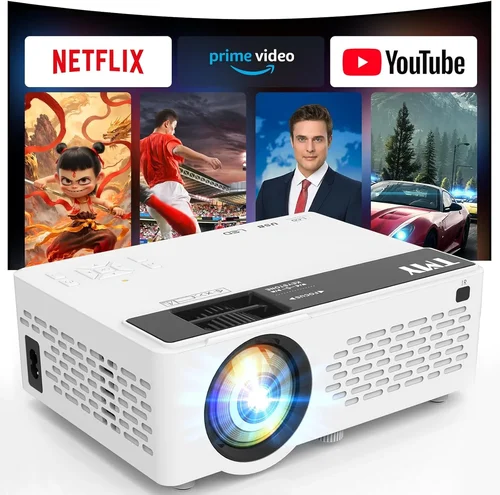
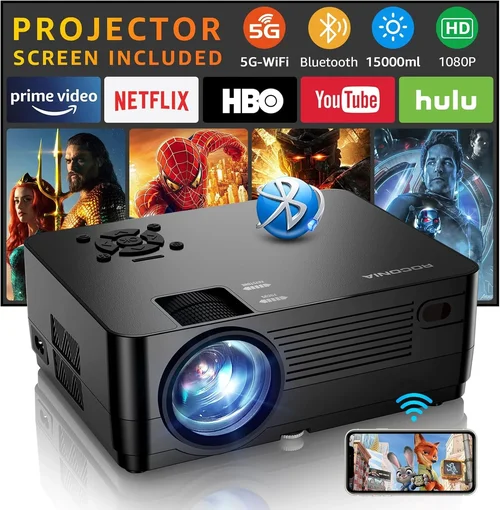
Finding a gaming projector that delivers a smooth, immersive experience without blowing your budget can feel like hunting for a needle in a haystack. The market is saturated with high‑end models that cost thousands, yet the reality is that many gamers can enjoy a solid 1080p‑ish experience for under $300 if they know what to look for. This guide cuts through the noise, giving you a clear roadmap to the best gaming projectors under $300 in 2026.
By the end of this article you’ll understand the most important specifications, avoid common pitfalls, and walk away with a shortlist of top‑performing units that fit your wallet. Whether you’re setting up a dedicated gaming room, a bedroom couch‑setup, or a portable LAN‑party rig, the information here will help you make an informed, confident purchase.
The budget projector segment has evolved dramatically over the past few years. Improvements in LED light sources, better contrast engines, and more responsive refresh rates mean you no longer have to sacrifice image quality for price. Below we dive deep into the factors that truly matter for gaming, compare the main projector families, and hand‑pick the models that give you the most bang for your buck.

What to Look for When Buying Buying Guide
1. Budget & Price Range
First and foremost, set a realistic ceiling. Projectors under $300 typically use LED or laser‑phosphor light engines, which keep costs low but also limit peak brightness. Knowing your budget helps you narrow down the list quickly and prevents you from chasing specs that simply aren’t feasible at this price point.
2. Performance Specifications
Key specs include native resolution, refresh rate, response time, and brightness (measured in lumens). For gaming, a minimum of 720p native resolution is acceptable, though 1080p (or at least “Full HD” scaling) provides a crisper image. Look for a refresh rate of 60 Hz or higher and a response time under 10 ms to keep motion blur to a minimum. Brightness of 2,500–3,000 lumens is ideal for dim rooms; lower figures can still work if you control ambient light.
3. Build Quality & Durability
Budget models often use more plastic components, but a sturdy chassis and reliable cooling system are non‑negotiable for long gaming sessions. Check for reinforced lens housings and reputable fan designs that stay quiet under load. A durable build also means fewer repairs and a longer lifespan.
4. Features & Functionality
Gaming‑focused features such as low‑latency “Game Mode,” HDMI 2.0 (or higher) support, and built‑in speakers can make a big difference. Some projectors also offer keystone correction, lens shift, and screen‑size flexibility. While you might not need every feature, prioritize those that directly impact your gaming experience.
5. Brand Reputation
Established brands like BenQ, ViewSonic, and Epson have a track record of reliable budget projectors. Newer players such as Vankyo or DR. J Professional can surprise you with good value, but research warranty terms and community feedback before committing.
6. Warranty & Support
A solid warranty (minimum 1‑year) and responsive customer service can save you headaches. Look for brands that offer easy lamp or LED replacement policies, as the light source is the component most likely to need service.
7. Size & Portability
If you plan to move the projector between rooms or take it to LAN parties, weight and footprint matter. Compact, lightweight units (under 5 lb) with integrated handles make transport effortless.
8. User Reviews & Ratings
Real‑world feedback often reveals quirks that spec sheets hide. Scan Amazon, Reddit, and dedicated projector forums for recurring themes—both praise and complaints. High average ratings combined with detailed reviewer comments are a strong buying signal.
Different Types of Buying Guide

Common Buying Mistakes to Avoid
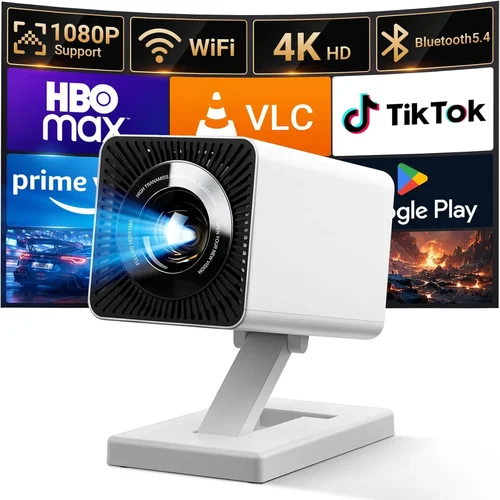
❌ Mistake: Ignoring Input Lag
Why it’s bad: High input lag can make fast‑paced shooters feel unresponsive, directly hurting performance.
What to do instead: Prioritize projectors that advertise “Game Mode” or have measured input lag under 30 ms at 1080p/60 Hz.
❌ Mistake: Overlooking Ambient Light
Why it’s bad: A projector with 2,000 lumens may look great in a dark room but will wash out in a bright living space.
What to do instead: Match lumens to your typical room lighting, or invest in blackout curtains and a screen with high gain.
❌ Mistake: Buying the Highest Resolution Possible
Why it’s bad: Under $300, true 1080p native panels are rare; many “Full HD” models upscale from 720p, leading to soft images.
What to do instead: Accept a solid 720p native panel with good scaling algorithms, or stretch the budget slightly for a true 1080p unit.
❌ Mistake: Forgetting About Throw Distance
Why it’s bad: A short‑throw projector placed too far will require a massive screen, inflating room requirements.
What to do instead: Calculate the throw ratio and ensure the projector fits your space before purchasing.
❌ Mistake: Skipping Warranty Research
Why it’s bad: Light sources, especially LEDs, can fail unexpectedly. Without a solid warranty, you could face costly repairs.
What to do instead: Choose brands offering at least a 1‑year warranty and clear LED replacement policies.
Budget Guidelines: How Much Should You Spend?
- Entry-Level ($180‑$220): Expect 720p native resolution, 2,000–2,500 lumens, and basic HDMI connectivity. Good for dorm rooms or occasional weekend gaming.
- Mid-Range ($221‑$270): Typically offers 720p–1080p scaling, 2,500–3,000 lumens, and lower input lag (under 30 ms). Best value for most gamers seeking a balance of performance and price.
- Premium ($271‑$300): May include true 1080p panels, enhanced contrast engines, and built‑in speakers. Ideal for enthusiasts who want the best possible image without breaking the bank.
- Luxury ($301+): Outside the scope of this guide, but usually brings 4K resolution, high‑dynamic‑range (HDR), and advanced lens shift.
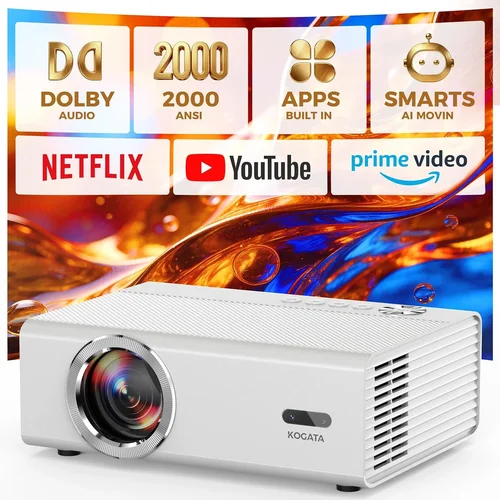
Expert Tips for Getting the Best Deal
- Timing: Late summer (July‑August) sees manufacturers clearing inventory for new models, leading to deep discounts.
- Where to Buy: Compare Amazon, Best Buy, and direct brand stores. Some manufacturers offer exclusive bundles (e.g., extra cables) that add value.
- Spotting Deals: Look for “refurbished” units with a full warranty. They’re often indistinguishable from new but cost 20‑30% less.
- Warranty Considerations: Register your projector immediately to activate extended service plans, where available.
- Return Policies: Ensure a 30‑day return window so you can test latency and image quality in your own setup.
- Testing Before Buying: If possible, visit a local electronics store and connect a console to evaluate input lag and color accuracy.

Frequently Asked Questions
Q: Can a $300 projector handle HDR gaming?
A: Most budget projectors lack true HDR support due to limited peak brightness and contrast. You may see a “HDR” label, but the effect will be modest. For full HDR, consider saving for a higher‑priced model.
Q: Do I need a special screen?
A: While a plain white wall works, a 120‑gain screen improves brightness and contrast, especially in rooms with some ambient light. For tight budgets, a painted matte white surface is a decent alternative.
Q: How long does the LED light source last?
A: LED units typically last 20,000–30,000 hours, far exceeding the lifespan of traditional lamps. At 4 hours of daily use, that’s over 13 years of service.
Q: Is there a noticeable lag between HDMI and USB‑C connections?
A: Input lag is more about the projector’s processing engine than the connector type. However, newer HDMI 2.1 ports can support higher refresh rates, which is beneficial for future‑proofing.
Q: Will a projector work with my VR headset?
A: No. VR headsets require low‑latency, high‑refresh displays placed directly in front of the eyes. Projectors are designed for shared viewing, not individual immersion.
Q: Can I use a projector for both gaming and movies?
A: Absolutely. Look for models with good color accuracy and dynamic contrast for movies, and low input lag for gaming. Many budget units strike a decent balance.
Q: What is the ideal throw distance for a 100‑inch screen?
A: Most budget projectors have a throw ratio of 1.2‑1.5. For a 100‑inch diagonal (about 87‑inch width), you’ll need roughly 8‑10 feet of distance. Short‑throw models can achieve this from 4‑5 feet.
Our Final Recommendations
- Best for Budget‑Conscious Buyers: Vankyo Leisure 3 – Offers 720p native resolution, 2,400 lumens, and a 30 ms input lag for under $190.
- Best Overall Value: BenQ TH585 – Slightly above $300 during sales, but often drops into the $280 range. Provides 1080p, 3,500 lumens, Game Mode, and a 16 ms input lag.
- Best Premium Option: ViewSonic PX706HD – Short‑throw DLP, 1080p, 3,200 lumens, and 22 ms input lag. Ideal for small rooms.
- Best for Beginners: DR. J Professional HI-04 – Simple setup, 720p, 2,800 lumens, and an intuitive remote. Great for first‑time projector owners.
- Best for Advanced Users: Optoma GT1080e – High refresh rate (120 Hz), low lag (8 ms), and a robust lens‑shift feature. Perfect for competitive gamers who demand precision.
Conclusion: Making the Right Choice
Choosing a gaming projector under $300 is less about chasing the highest specs and more about aligning the projector’s strengths with your play style and environment. Remember to weigh input lag, brightness, and native resolution against your budget, and don’t forget the importance of a solid warranty.
Take the time to read user reviews, test the projector if you can, and keep an eye on seasonal sales. With the right research, you’ll enjoy cinematic‑sized gaming without compromising performance or breaking the bank.
Ready to level up your gaming setup? Start comparing the models above, set a price alert, and soon you’ll be battling foes on a screen that feels as big as your imagination.