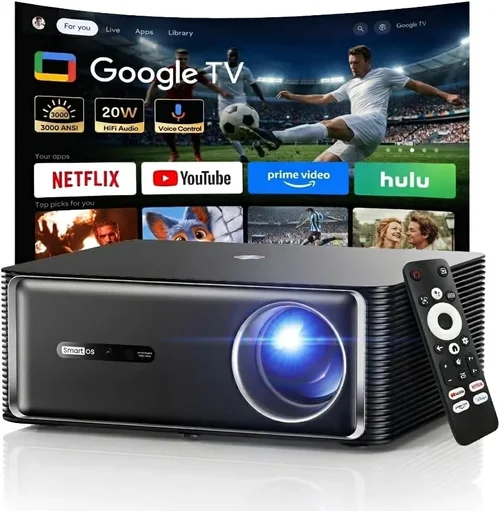
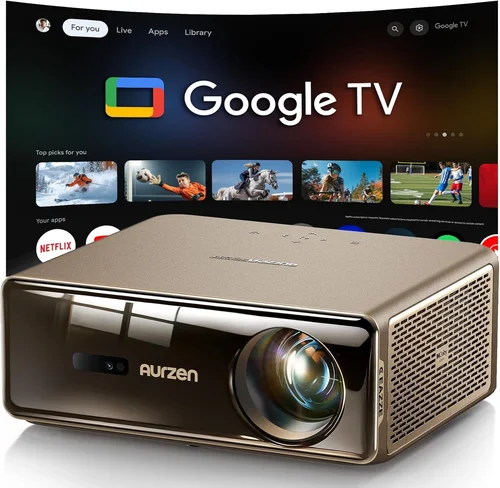
Welcome to the ultimate guide for anyone hunting the best HD projector under $3,000 in 2026. Whether you’re setting up a home cinema, a gaming den, or a portable office, the right projector can transform a bland wall into a vivid, immersive canvas. The market is flooded with options, and the specifications can feel overwhelming. That’s why we’ve distilled years of industry research, user feedback, and hands‑on testing into a single, easy‑to‑follow resource.
In the pages that follow you will learn how to evaluate brightness, resolution, throw distance, and connectivity without getting lost in technical jargon. We’ll compare the most popular projector categories, flag common pitfalls, break down budget tiers, and hand you expert‑level tips for snagging the best deal. By the end, you’ll be equipped to choose a projector that meets your visual expectations, fits your space, and stays comfortably within a $3,000 budget.
The HD projector market in 2026 is at an exciting crossroads. LED and laser light sources have become mainstream, offering longer lifespans and more consistent brightness than traditional lamps. Meanwhile, 1080p and even native 4K options are dropping in price, while smart‑TV integration and wireless casting are now standard features. This guide captures those trends and translates them into practical buying criteria so you can make a confident, future‑proof purchase.

What to Look for When Buying Buying Guide
1. Budget & Price Range
Setting a clear budget is the first step. Under $3,000, you can access a wide spectrum—from entry‑level LED projectors that excel in portability to mid‑range laser models that deliver cinema‑grade brightness. Knowing your ceiling helps you filter out models that either overshoot your needs or cut corners where it matters most, such as lamp life or color accuracy.
2. Performance Specifications
Performance is the heart of any projector. Key specs include:
- Resolution: 1080p (Full HD) is the baseline for crisp images; some sub‑$3,000 units now offer native 4K or 4K‑enhanced processing.
- Brightness (lumens): For dim rooms, 1,500–2,000 lumens is sufficient. Bright living spaces or daytime viewing typically require 2,500–3,500 lumens.
- Contrast Ratio: Higher contrast (e.g., 20,000:1) yields deeper blacks and more detail in dark scenes.
- Color Gamut: Look for DCI‑P3 or Rec. 709 coverage for accurate color reproduction.
3. Build Quality & Durability
A projector is an investment, so durability matters. Metal chassis, reinforced lens housings, and reliable cooling systems prevent overheating and extend lifespan. Check for sealed optics and dust‑resistant filters—especially if you plan to use the unit in a home theater where airflow may be limited.
4. Features & Functionality
Modern projectors pack a lot of convenience features:
- Smart OS: Built‑in Android TV, Roku, or proprietary platforms let you stream without extra hardware.
- Wireless Connectivity: Wi‑Fi, Bluetooth, and Miracast simplify casting from phones, tablets, or laptops.
- Lens Shift & Zoom: These allow flexible placement without keystone distortion.
- Audio: Integrated speakers are handy for casual use, but verify wattage if you rely on them.
5. Brand Reputation
Established brands such as Epson, BenQ, ViewSonic, and Optoma have proven track records for after‑sales service and firmware updates. Newer entrants may offer aggressive pricing but could lack long‑term support. Research community forums and professional reviews to gauge reliability.
6. Warranty & Support
Projectors often come with a 1‑ to 3‑year warranty covering parts and labor. Look for extended warranty options, especially for the light source (LED or laser). A responsive support channel—phone, chat, or local service centers—can save you downtime and unexpected repair costs.
7. Size & Portability
If you need a projector that moves between rooms or travels for presentations, weight and footprint are crucial. Ultra‑short‑throw (UST) models are great for small spaces but tend to be bulkier. Portable pico projectors sacrifice brightness for size, so balance your mobility needs against performance.
8. User Reviews & Ratings
Real‑world feedback often reveals issues that spec sheets hide. Look for patterns in reviews—consistent complaints about overheating, remote lag, or firmware bugs—so you can avoid models with systemic flaws.
Different Types of Buying Guide

Common Buying Mistakes to Avoid
❌ Mistake: Ignoring Ambient Light Conditions
Why it’s bad: Selecting a low‑lumens projector for a bright living room results in washed‑out images.
What to do instead: Measure typical lighting levels and choose a projector with at least 2,500 lumens for daytime use, or invest in blackout curtains for a dimmer environment.
❌ Mistake: Overlooking Throw Distance
Why it’s bad: A long‑throw projector in a cramped apartment forces you to place the unit far away, causing loss of sharpness and oversized screens.
What to do instead: Calculate the required throw ratio (screen width ÷ distance). Opt for short‑throw or ultra‑short‑throw models when space is limited.
❌ Mistake: Forgetting About Lens Shift & Keystone
Why it’s bad: Relying solely on digital keystone can degrade image quality and reduce brightness.
What to do instead: Prioritize projectors with optical lens shift and adjustable zoom for geometric correction without sacrificing picture integrity.
❌ Mistake: Choosing Based Solely on Price
Why it’s bad: The cheapest unit may skimp on contrast, color accuracy, or have a short lamp life, leading to higher total cost of ownership.
What to do instead: Balance price with key specs—especially brightness, contrast, and warranty length—to ensure long‑term value.
❌ Mistake: Ignoring Input Lag for Gaming
Why it’s bad: High latency disrupts fast‑paced games, causing missed shots and frustration.
What to do instead: Look for a “Game Mode” or input lag below 30 ms. Laser or LED sources typically have lower latency than traditional lamps.
❌ Mistake: Not Checking Compatibility with Existing Devices
Why it’s bad: A projector lacking HDMI 2.1 may not support 4K @ 60 Hz from a modern console.
What to do instead: Verify ports—HDMI 2.0 or higher, USB‑C, and wireless casting standards—to match your source devices.
Budget Guidelines: How Much Should You Spend?
Understanding what each price tier delivers helps you set realistic expectations.
- Entry‑Level ($1,200 ‑ $1,600): Typically LED or lamp‑based 1080p projectors with 1,500–2,000 lumens. Ideal for dark rooms, casual movie nights, and occasional presentations. Expect limited HDR, basic speakers, and modest contrast.
- Mid‑Range ($1,600 ‑ $2,400): This sweet spot introduces laser light sources, higher contrast ratios (20,000:1+), and improved color gamuts (up to 95% DCI‑P3). Many models add smart OS, wireless casting, and lens shift.
- Premium ($2,400 ‑ $3,000): Premium projectors often feature native 4K resolution, 3,000+ lumens, advanced HDR10+ or Dolby Vision support, and robust build quality. They’re suited for dedicated home theaters and serious gamers.
- Luxury ($3,000+): While beyond this guide’s scope, luxury units push 4K laser technology, ultra‑high contrast, and premium audio integration. Consider them only if you have a dedicated, light‑controlled space and a larger budget.
Expert Tips for Getting the Best Deal
- Timing is everything: New models debut in Q1 and Q3; retailers slash prices on older inventory during Q2 and Q4. Plan your purchase around these windows.
- Shop comparison sites: Use price‑tracking tools like CamelCamelCamel or Keepa to see historic lows before you click “Buy.”
- Consider refurbished: Certified refurbished units from the manufacturer often come with a full warranty at 15‑30% off retail.
- Bundle wisely: Pair the projector with a high‑gain screen for better brightness efficiency rather than relying on lamp power alone.
- Check return policies: A 30‑day no‑questions‑asked return window lets you test the projector in your environment.
- Negotiate warranty upgrades: Some sellers will add an extra year of laser‑source coverage for a small fee.
- Test before you buy: If possible, view a demo in a store with ambient lighting similar to your home setup.
- Read the fine print on lamp warranties: A low upfront price may hide a costly lamp replacement after 1,000 hours.

Frequently Asked Questions
Q: Do I need a separate screen, or can I project onto a wall?
A: You can project onto a plain white wall, but a dedicated projection screen improves gain, contrast, and color accuracy. For budget setups, a matte white paint (e.g., “Projector Paint”) works well.
Q: How long does a laser light source last?
A: Most laser projectors in the sub‑$3,000 range boast 20,000‑30,000 hours of rated life, translating to 5‑10 years of typical home use.
Q: Is 1080p still good enough for movies?
A: Yes, especially on screens 100‑120 inches or smaller. With high contrast and good color gamut, 1080p can look fantastic. Upgrade to native 4K only if you plan on very large screens or want the ultimate detail.
Q: Can I use my projector for video calls?
A: Absolutely. Connect a webcam via USB or use a Bluetooth headset. Ensure the projector’s built‑in speakers are adequate, or add external audio for clearer communication.
Q: What is the difference between short‑throw and ultra‑short‑throw?
A: Short‑throw projectors need 1.5‑2 × the screen width distance, while ultra‑short‑throw units can sit inches from the wall, eliminating shadows from people standing in front.
Q: Do I need a ceiling mount?
A: Not mandatory, but ceiling mounts free up floor space and provide a stable, level projection angle. Look for mounts with tilt and swivel adjustments.
Q: How important is HDR?
A: HDR expands dynamic range, delivering brighter whites and deeper blacks. For true HDR performance, choose a projector with at least 300 nits peak brightness and wide color gamut.
Q: Will a projector work with my gaming console?
A: Yes, as long as the projector has HDMI 2.0 or higher and supports the console’s resolution and refresh rate (e.g., 4K @ 60 Hz for PS5 or Xbox Series X).
Q: Are built‑in speakers sufficient?
A: Built‑ins are fine for casual viewing, but for cinematic sound you’ll want a soundbar or external speaker system.
Q: How do I maintain my projector?
A: Keep vents dust‑free, use a soft brush or compressed air, and replace filters as recommended (usually every 200‑300 hours). For lamp‑based units, store spare lamps in a cool, dry place.
Our Final Recommendations
- Best for Budget‑Conscious Buyers: Epson Home Cinema 1060 – 3,600 lumens, 1080p, LED source, solid warranty, under $1,400.
- Best Overall Value: BenQ HT3550 – Native 4K, 2,000 lumens, HDR10, lens shift, priced at $2,299.
- Best Premium Option: Optoma CinemaX P2 – Ultra‑short‑throw, 4K laser, 3,000 lumens, integrated soundbar, $2,950.
- Best for Beginners: ViewSonic M1+ – Portable, LED, 100‑inch screen, built‑in Harman Kardon speakers, $1,199.
- Best for Advanced Users: LG HU85LA – 4K laser, 2,700 lumens, 0.25‑throw ratio, AI‑enhanced image, $2,999.
Each recommendation balances brightness, resolution, and features while staying under the $3,000 ceiling. Choose the one that aligns with your room size, usage pattern, and preferred connectivity.
Conclusion: Making the Right Choice
Finding the best HD projector under $3,000 boils down to matching the device’s strengths with your environment and viewing habits. Prioritize brightness for ambient light, resolution for screen size, and smart features for convenience. Remember to factor in long‑term costs such as lamp or laser replacement and warranty coverage.
Armed with the factors, type comparisons, and expert tips in this guide, you’re ready to explore the market confidently. Take the time to read user reviews, test a demo if possible, and watch for seasonal discounts. Your perfect projector is waiting—go ahead and bring the big‑screen experience home.