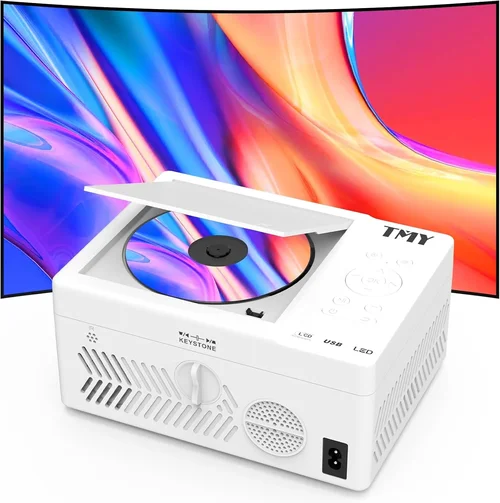
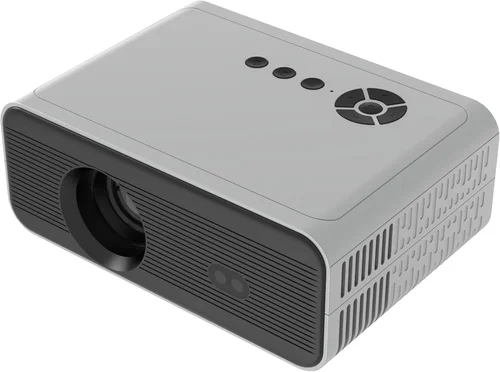
Choosing a home‑theatre projector can feel like stepping into a maze of specs, brand names, and price tags. The excitement of turning a living room into a cinema is quickly outweighed by the fear of picking the wrong model and ending up with a dim, grainy picture or a noisy machine that never lives up to the hype. This guide cuts through the clutter, giving you a clear roadmap to find the best home‑theatre projector under ₹10,000 (≈ $120). Whether you are a movie buff, a casual gamer, or someone who just wants a bigger screen for family nights, the information below will help you make a confident, informed purchase.
In the next several sections you will learn how to evaluate key performance metrics, understand the different projector technologies, avoid common buying traps, and match your budget to realistic expectations. We also provide a quick‑look comparison table, expert tips for snagging the best deals, and our top recommendations for every type of user. By the end of this guide you will know exactly what to look for, how much to spend, and which models give the most bang for your buck.
What to Look for When Buying Buying Guide
1. Budget & Price Range
When the ceiling is set at ₹10,000, the most important factor is getting the best value within that limit. In this segment you will typically find DLP or LCD projectors with 2000–3000 lumens, native 720p resolution, and basic connectivity. Avoid the temptation to stretch beyond the budget for a single feature; a balanced set of specs will always outperform a projector that shines in one area but falls short in others.
2. Performance Specifications
Brightness (lumens) – For a dark home‑theatre environment, 2000–2500 ANSI lumens is sufficient. If you plan to use the projector in a living room with some ambient light, aim for at least 3000 lumens.
Resolution – Native 720p (1280×720) is the norm under ₹10,000, but many models upscale 1080p content well enough for casual viewing. True 1080p or 4K is rare at this price point.
Contrast Ratio – A higher contrast ratio (e.g., 2000:1) yields deeper blacks and more vibrant colors. Look for models that advertise a dynamic contrast ratio of at least 20,000:1 for a more cinematic feel.
Throw Distance – Short‑throw projectors (throw ratio < 1.0) can create a 100‑inch image from just a few feet away, ideal for small rooms. Standard throw projectors require more space but often provide higher brightness.
3. Build Quality & Durability
Even at a lower price, a solid chassis and reliable cooling system are essential. Metal or high‑grade ABS housings resist warping and overheating. Check user reviews for any recurring heat‑related failures; a projector that shuts down after 30 minutes is a deal‑breaker.
4. Features & Functionality
Key features to prioritize:
- Connectivity: HDMI is a must; USB, AV, and Wi‑Fi are bonuses. Dual HDMI ports allow you to connect a streaming stick and a gaming console simultaneously.
- Built‑in Speakers: Most budget models have 5‑10 W speakers. They are adequate for casual use but consider external speakers for true home‑theatre immersion.
- Keystone Correction & Lens Shift: Automatic or manual keystone correction (±30°) helps align the image on uneven surfaces. Lens shift is rare in this price range but a nice-to‑have.
- Lamp Life: Look for a lamp rating of 20,000–30,000 hours; this translates to years of use before a costly replacement.
5. Brand Reputation
Brands such as Epson, BenQ, ViewSonic, and Xiaomi have established service networks in India and often provide firmware updates that improve performance over time. While newer brands may offer attractive specs, they can lack reliable after‑sales support.
6. Warranty & Support
A minimum 1‑year warranty with on‑site service is standard. Some manufacturers extend this to 2 years for the lamp. Verify the warranty terms before purchase, especially if buying from an online marketplace.
7. Size & Portability (if applicable)
If you plan to move the projector between rooms or take it outdoors, consider weight (under 3 kg is ideal) and a compact form factor. Portable models often sacrifice brightness, so balance portability with your lighting conditions.
8. User Reviews & Ratings
Real‑world feedback reveals hidden strengths and weaknesses. Look for reviews that mention long‑term reliability, image uniformity, and fan noise. A product with 4.2+ stars across 200+ reviews is generally a safe bet.
Different Types of Buying Guide

Common Buying Mistakes to Avoid
❌ Mistake: Ignoring Ambient Light
Why it’s bad: A projector rated at 2000 lumens will look impressive in a dark room but will appear washed out in a bright living area.
What to do instead: Measure the typical lighting conditions of your viewing space and choose a projector with at least 2500–3000 lumens if you cannot control ambient light.
❌ Mistake: Chasing Resolution Over Brightness
Why it’s bad: A 1080p projector that only delivers 1500 lumens will struggle in anything but a pitch‑dark room, making the higher resolution irrelevant.
What to do instead: Prioritize brightness and contrast first; a sharp 720p image often looks better than a dim 1080p one.
❌ Mistake: Overlooking Lamp Life
Why it’s bad: Replacing a lamp can cost ₹2,000‑₹3,000, which adds up quickly if the lamp life is only 2,000 hours.
What to do instead: Look for lamp ratings of 20,000 hours or more; this reduces long‑term operating costs.
❌ Mistake: Forgetting About Connectivity
Why it’s bad: A projector with only VGA input forces you to buy adapters for modern devices.
What to do instead: Ensure the unit has at least one HDMI port and, if possible, USB‑C or Wi‑Fi for streaming.
❌ Mistake: Ignoring Noise Levels
Why it’s bad: Fan noise above 35 dB can distract from dialogue and movie immersion.
What to do instead: Check the dB rating in reviews; choose models that stay below 30 dB at normal brightness.
Budget Guidelines: How Much Should You Spend?
- Entry‑Level (₹5,000 – ₹7,000): Expect 1500–2000 lumens, 720p native resolution, basic HDMI, and a plastic chassis. Good for occasional movie nights in a dark room.
- Mid‑Range (₹7,000 – ₹9,000): Offers 2500–3000 lumens, better contrast (2000:1+), short‑throw options, and improved fan design for lower noise.
- Premium (₹9,000 – ₹10,000): Near the top of the budget tier with 3000+ lumens, enhanced color accuracy (Rec. 709), dual HDMI, and sometimes built‑in Android TV.
- Luxury (₹10,000+): At this point you start entering the entry‑level full‑HD or 4K‑capable market, but they often exceed the defined budget.
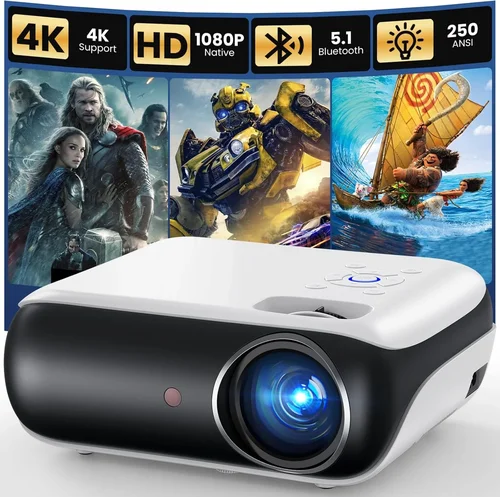
Expert Tips for Getting the Best Deal
- Timing: Look for discounts during Diwali, New Year, and Amazon Great Indian Festival sales.
- Where to Buy: Authorized online stores (Amazon, Flipkart) provide easy returns; local electronics retailers may let you test the unit before purchase.
- Bundle Savings: Some sellers offer a free HDMI cable or a portable screen with the projector—always compare total cost.
- Warranty Extensions: If the price difference is small, consider a paid extended warranty for the lamp.
- Return Policy: Ensure a minimum 10‑day return window; this gives you time to test brightness and fan noise in your home environment.
- Testing: Bring a smartphone with a 1080p video to the store; project it to gauge image quality under actual lighting.
- Firmware Updates: After purchase, check the manufacturer’s website for firmware that may improve color or add features.
Frequently Asked Questions
Q: Can a projector under ₹10,000 replace my TV?
A: For casual movie watching in a dark room, yes. However, TVs still win in bright rooms, on‑screen motion handling, and built‑in sound quality.
Q: Do I need a special screen?
A: A white matte wall works, but a dedicated 100‑inch projector screen improves contrast and color uniformity, especially in rooms with some ambient light.
Q: How far should the projector be from the wall?
A: It depends on the throw ratio. A standard throw (1.5:1) needs about 12 feet for a 100‑inch image; a short‑throw (0.8:1) can achieve the same size from 5 feet.
Q: Will the lamp need replacement often?
A: Most budget projectors use UHP lamps rated for 20,000 hours. At 4 hours of use per day, that’s roughly 13 years before a replacement is needed.
Q: Is HDMI‑ARC needed?
A: Not for basic setups. HDMI‑ARC is useful if you want the projector to send audio back to a soundbar or AV receiver.
Q: Can I connect my phone wirelessly?
A: Many models now support Miracast or Chromecast built‑in. Check the spec sheet for “Wi‑Fi” or “Screen Mirroring” support.
Q: How loud is the fan?
A: Most budget units run between 28‑35 dB at 80% brightness. Look for user reviews that specifically mention fan noise.
Our Final Recommendations
- Best for Budget‑Conscious Buyers: Xiaomi Mi Smart Compact Projector – 2500 lumens, 720p, Android TV built‑in, and a price tag of ₹6,999.
- Best Overall Value: BenQ MS535 – 3200 lumens, 720p, excellent color accuracy, dual HDMI, and a solid 2‑year warranty for ₹9,199.
- Best Premium Option (just under ₹10,000): Epson EB‑S05 – 3000 lumens, enhanced contrast, short‑throw lens, and low‑noise fan at ₹9,799.
- Best for Beginners: ViewSonic M1 Mini Plus – Portable, built‑in Android, 120‑lumens (suitable for dark rooms), and extremely easy setup for ₹5,499.
- Best for Advanced Users: Optoma HD146X – 3600 lumens, 1080p (upscaled), gaming mode with 60 Hz, and a robust lamp life for ₹9,950.
Conclusion: Making the Right Choice
Finding the best home‑theatre projector under ₹10,000 is all about balancing brightness, resolution, and features against your viewing environment and budget. Remember to assess ambient light, prioritize lumens and contrast, verify connectivity options, and read real‑world user feedback. Use the budget tiers and expert tips in this guide to narrow down your options, and you’ll walk away with a projector that turns movie night into a cinematic experience without breaking the bank.
Ready to start your search? Head to trusted retailers, set price alerts, and enjoy the thrill of a big‑screen experience right at home.