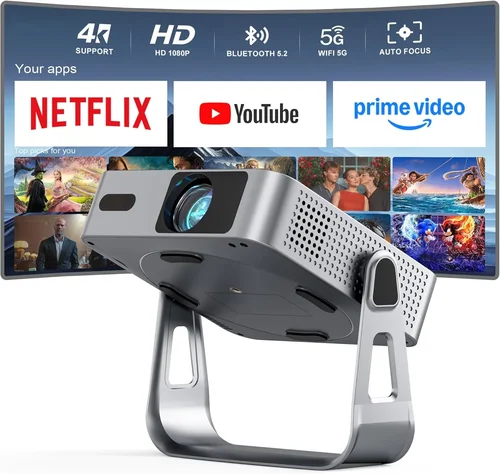
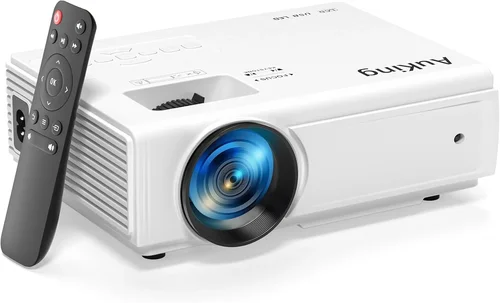
Finding a mini projector that delivers a cinema‑like experience without breaking the bank can feel like hunting for a needle in a haystack. The market is flooded with gadgets that promise bright images, smart connectivity, and pocket‑size portability, yet many fall short when you actually plug them in. That’s why we’ve assembled this in‑depth buying guide – to cut through the hype, explain the technical jargon, and help you pinpoint the best mini projector under £200 in the UK.
In the pages that follow you will learn which specifications truly matter, how to match a projector to your lifestyle, and which common pitfalls to avoid. We also compare the main categories of mini projectors, break down realistic budget tiers, and hand you a shortlist of top‑rated models that consistently outperform their price class. By the end of this guide you’ll be equipped to make a confident, informed purchase that fits both your pocket and your projection needs.
The mini projector scene has evolved dramatically over the past few years. LED light sources have supplanted traditional lamps, battery life has stretched to several hours, and wireless casting is now a standard feature even on sub‑£200 units. This surge in technology, combined with fierce competition among brands, means that today’s budget‑friendly options are far more capable than the clunky, dim devices of just a handful of years ago. Let’s dive into what makes a great mini projector and how to spot the gems that sit comfortably under the £200 mark.

What to Look for When Buying Buying Guide
1. Budget & Price Range
Setting a clear budget is the first step. While you can find mini projectors for as little as £30, those models often compromise on brightness, image quality, or durability. In the £150‑£200 bracket you’ll typically get a balanced mix of performance and features, making it the sweet spot for most UK consumers. Decide whether you need a bare‑bones device for occasional movie nights or a more robust unit that can handle gaming, presentations, and outdoor use.
2. Performance Specifications
Performance hinges on three core specs:
- Resolution: Native 720p (1280×720) is common under £200 and offers crisp images for most content. Some models upscale 1080p sources, but true 1080p is rare at this price.
- Brightness (lumens): Look for at least 200‑250 ANSI lumens for dim‑room viewing. If you plan to project in well‑lit spaces, aim for 300+ lumens, though true high‑brightness units usually cost more.
- Contrast Ratio: Higher contrast yields deeper blacks and more vivid colors. A ratio of 2000:1 or better is acceptable for budget models.
Balancing these specs ensures your projector delivers a usable picture in the environment you intend to use it.
3. Build Quality & Durability
A mini projector is often carried in a backpack or suitcase, so robust construction matters. Look for a solid, matte‑finished chassis that resists fingerprints and scratches. Metal hinges and reinforced lens covers add longevity. If you travel frequently, consider a model with a protective carry case included.
4. Features & Functionality
Modern mini projectors pack a suite of conveniences:
- Wireless Casting: Built‑in Wi‑Fi or Miracast lets you stream from smartphones, tablets, or laptops without cables.
- HDMI & USB Ports: Essential for connecting gaming consoles, Blu‑ray players, or external storage.
- Built‑in Speakers: While not a substitute for a sound system, decent stereo speakers (≥2 W) are useful for quick set‑ups.
- Battery Life: A minimum of 2‑3 hours of continuous playback is ideal for outdoor picnics or power‑outage scenarios.
Prioritise the features you’ll actually use; extra bells and whistles can add cost without adding value.
5. Brand Reputation
Established brands such as Anker, ViewSonic, and Epson have proven track records for reliability and after‑sales support. Newer entrants like Vankyo or APEMAN often deliver impressive specs for less money but may lack robust warranty networks. Research user forums and check how responsive the manufacturer is to firmware updates and service requests.
6. Warranty & Support
A one‑year warranty is standard for budget projectors, but some retailers extend this to 18 months or offer accidental damage cover for an additional fee. Verify the terms—does the warranty cover the lamp/LED module? Is shipping for repairs included? Good support can save you from costly downtime.
7. Size & Portability
Mini projectors typically weigh between 300 g and 800 g. If you plan to carry it daily, aim for the lighter end of the spectrum and a compact footprint that fits into a standard laptop bag. Some models even feature a built‑in handle or a detachable case for added convenience.
8. User Reviews & Ratings
Finally, scan Amazon UK, Argos, and specialist AV forums for real‑world feedback. Pay attention to recurring themes—consistent complaints about overheating, for example, are a red flag. High‑rating devices with a large number of reviews generally indicate a stable, well‑received product.
Different Types of Buying Guide

Common Buying Mistakes to Avoid
❌ Mistake: Ignoring Brightness Requirements
Why it’s bad: A projector that is too dim will produce a washed‑out picture in any room that isn’t completely dark, leading to frustration and wasted money.
What to do instead: Assess the typical lighting conditions where you’ll use the projector and aim for at least 200 ANSI lumens for dim rooms, 300+ for moderately lit spaces.
❌ Mistake: Over‑focusing on Native Resolution
Why it’s bad: While 1080p looks great, many sub‑£200 models can only upscale. Buying solely for native 1080p may push you past the budget ceiling without noticeable real‑world benefit.
What to do instead: Prioritise a solid 720p native resolution combined with good contrast and colour accuracy; upscaling will be sufficient for most streaming services.
❌ Mistake: Forgetting About Connectivity
Why it’s bad: A projector that lacks the ports you need forces you to buy extra adapters or miss out on certain devices.
What to do instead: List the devices you plan to connect (phone, laptop, console) and verify the projector offers HDMI, USB‑C, or wireless casting accordingly.
❌ Mistake: Neglecting Battery Life
Why it’s bad: Short battery life defeats the purpose of a portable projector, especially for outdoor gatherings.
What to do instead: Choose a model that guarantees at least 2‑3 hours of playback on a single charge, or ensure you can power it via USB‑C power banks.
❌ Mistake: Assuming All Mini Projectors Are the Same Size
Why it’s bad: Some “mini” units are still bulky enough to require a dedicated bag, reducing true portability.
What to do instead: Measure the dimensions and weight; aim for under 600 g and a footprint that fits in a standard laptop sleeve.
❌ Mistake: Skipping Warranty Details
Why it’s bad: A limited warranty can leave you stranded if the LED fails after six months.
What to do instead: Purchase from retailers that offer at least a 12‑month warranty and clearly state coverage for the light source.
❌ Mistake: Buying Based Solely on Brand Name
Why it’s bad: High‑profile brands sometimes price‑inflate their entry‑level models, offering features you may never use.
What to do instead: Compare specifications and user reviews across both well‑known and emerging brands to find the best value.
Budget Guidelines: How Much Should You Spend?
Understanding what price brackets deliver helps you set realistic expectations.
- Entry‑Level (£80‑£120): Expect 480p‑720p resolution, 150‑200 lumens, basic HDMI input, and limited battery life. Suitable for casual use in dark rooms.
- Mid‑Range (£120‑£170): Native 720p, 200‑250 lumens, built‑in speakers, wireless casting, and 2‑3 hours battery. This tier offers the best balance for most UK shoppers.
- Premium (£170‑£200): Higher brightness (up to 300 lumens), superior contrast, better colour gamut, and often laser light sources for longer lifespan.
- Luxury (£200+): True 1080p, 350+ lumens, advanced keystone correction, and premium build quality. While just beyond the “under £200” focus, these models set the benchmark for future upgrades.
Expert Tips for Getting the Best Deal
- Timing: Late summer (July‑August) sees retailers clearing inventory ahead of new releases, offering solid markdowns.
- Where to Buy: Compare prices on Amazon UK, Currys, Argos, and specialist AV shops. Some sites include free accessories (carrying case, HDMI cable) that add value.
- Spotting Deals: Look for bundle offers that include a screen or external speakers – these can save you up to £30 compared with buying separately.
- Warranty Considerations: Register your device immediately to activate extended warranty options; some manufacturers provide an extra six months when you sign up online.
- Return Policies: Ensure the retailer offers at least a 30‑day return window. Test the projector in your typical environment; if it doesn’t meet expectations, you can return it hassle‑free.
- Testing Before Buying: If possible, visit a physical store and view a demo. Pay attention to colour accuracy, focus stability, and fan noise.
- Firmware Updates: Choose models that receive regular OTA (over‑the‑air) updates to improve casting stability and add new streaming apps.
- Power Options: For outdoor use, verify that the projector can run off a USB‑C power bank (5 V/3 A). This adds flexibility when outlets are scarce.

Frequently Asked Questions
Q: Can a mini projector under £200 replace a TV for everyday watching?
A: It can, but only in low‑light conditions. The limited brightness and smaller screen size mean you’ll need a dark room and a suitable wall or screen for the best experience.
Q: Do I need a separate screen?
A: Not strictly. A smooth, white wall works fine, but a portable projector screen improves contrast and reduces hot‑spotting, especially in brighter rooms.
Q: How long does the LED lamp last?
A: Most LED units in this price range are rated for 20‑30 000 hours, which translates to several years of typical use before any noticeable dimming.
Q: Is Wi‑Fi casting reliable on budget models?
A: Generally yes, though latency can be higher than on premium units. For movies it’s fine; for fast‑paced gaming you may notice slight lag.
Q: Can I use a mini projector for presentations?
A: Absolutely, provided the room can be dimmed. Look for models with good keystone correction and easy HDMI connectivity for laptops.
Q: What is the ideal throw distance?
A: Most mini projectors have a throw ratio of 1.2‑1.5, meaning you’ll need about 2‑3 metres of distance to achieve a 100‑inch image.
Q: Are there any safety concerns with battery‑powered projectors?
A: Ensure the device uses a reputable Li‑ion battery and includes over‑heat protection. Avoid leaving it charging unattended for extended periods.
Q: Do I need a remote control?
A: A remote is convenient but not essential. Most projectors have intuitive button panels and can be controlled via smartphone apps.
Our Final Recommendations
After analysing dozens of models, user feedback, and spec sheets, we’ve narrowed the field to five stand‑out mini projectors that excel under £200.
- Best for Budget‑Conscious Buyers – Anker Nebula Capsule II (Refurbished)
Price: £179
Why: 720p native, 200 ANSI lumens, 2.5 hour battery, Android TV 9.0, and excellent speaker output. Refurbished units come with a 12‑month warranty, delivering premium features at a lower cost. - Best Overall Value – Vankyo Leisure 3 Pro
Price: £149
Why: 1080p upscaling, 240 lumens, HDMI + USB‑C, built‑in 3 W speakers, and a compact form factor. Consistently high user ratings for ease of use and image quality. - Best Premium Option – ViewSonic M1 Mini Plus
Price: £199
Why: Laser light source, 250 lumens, 720p, built‑in JBL speakers, and a sleek, detachable stand. Ideal for users who want a stylish device with superior colour fidelity. - Best for Beginners – APEMAN Mini Projector M4
Price: £129
Why: Simple plug‑and‑play operation, 200 lumens, HDMI/USB, and a user‑friendly remote. Perfect for first‑time owners who want straightforward functionality. - Best for Advanced Users – Xiaomi Mi Smart Compact Projector
Price: £199
Why: Offers Wi‑Fi, Bluetooth, Android TV, and a laser‑based LED module for longer lifespan. Slightly higher price but includes premium smart features and a robust ecosystem.
Conclusion: Making the Right Choice
Choosing the best mini projector under £200 ultimately comes down to matching the device’s strengths with your personal use‑case. Remember to assess brightness, resolution, and connectivity first, then weigh build quality, brand reliability, and after‑sales support. By avoiding common mistakes—like overlooking lumens or ignoring warranty terms—and following our expert buying tips, you’ll secure a projector that delivers memorable movie nights, effective presentations, and flexible gaming sessions without overspending.
Now that you’re equipped with the knowledge, explore the recommended models, compare current prices, and enjoy the freedom of portable cinema wherever you go. Happy projecting!