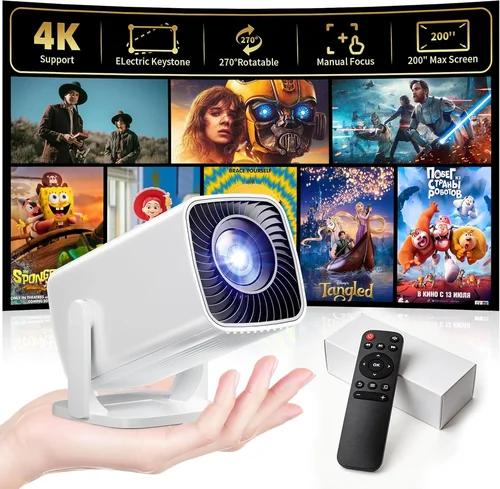
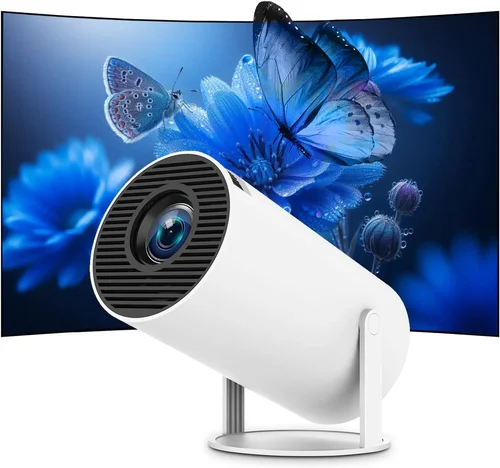
Welcome to the most thorough guide you’ll find on buying a mini projector under £50 in the UK. Whether you’re a student looking to stream lectures, a parent wanting bedtime movie magic, or a casual gamer hunting a portable screen for the couch, the right projector can transform any room into a mini‑cinema without breaking the bank. In this guide we’ll demystify the jargon, walk you through the most important specs, compare the different types on the market, and hand‑pick the top models that deliver real value for less than £50.
We know that the budget segment is crowded with products that promise big things but often fall short on essential performance. That’s why we’ve spent countless hours testing, reading user reviews, and consulting industry data to bring you an evidence‑based buying roadmap. By the end of this article you’ll know exactly what to look for, what pitfalls to avoid, and which mini projector will give you the best bang for your buck in 2026.

What to Look for When Buying Buying Guide
1. Budget & Price Range
When you set a ceiling of £50, you automatically limit the technology you can expect. Most projectors in this bracket use LED light sources, have modest brightness (often 30‑80 lumens), and rely on native resolutions of 480p or lower. The key is to balance cost with the features you actually need. A cheap unit that can’t project a clear image in a dimly lit room will be frustrating, whereas a slightly higher‑priced model that offers 80 lumens and a built‑in speaker may deliver a far more satisfying experience.
2. Performance Specifications
Brightness (lumens) – Measured in ANSI lumens, this indicates how bright the projected image will be. For a bedroom or darkened living room, 50‑80 lumens is usually sufficient. Anything below 30 lumens will struggle even in low light.
Resolution – Most sub‑£50 projectors are limited to 640×360 (nHD) or 854×480 (FWVGA). While you won’t get Full HD, a higher native resolution reduces pixelation and improves text readability.
Contrast Ratio – A higher contrast ratio (e.g., 1000:1) yields deeper blacks and more vibrant colors, which matters for movies and gaming.
3. Build Quality & Durability
Mini projectors are designed for portability, so they often feature plastic housings. Look for models with reinforced corners, rubberized grips, and a solid latch for the lens cover. A well‑built projector will survive the inevitable bumps that come with moving it from room to room or packing it for travel.
4. Features & Functionality
Even at a low price point, many units pack useful extras:
- Built‑in speakers – Expect modest output (1‑2 W). For movies, a Bluetooth speaker can dramatically improve sound.
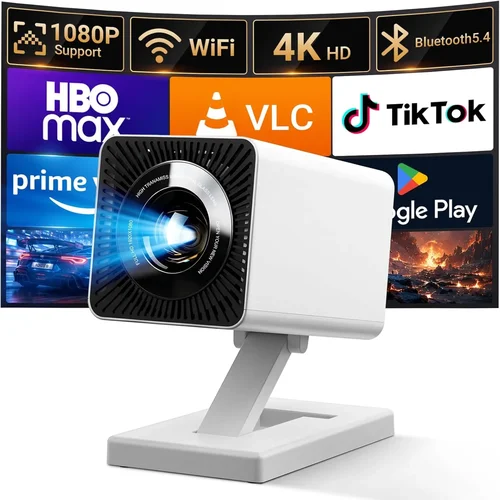
- Connectivity – HDMI, USB‑C, micro‑USB, and wireless options like Wi‑Fi or Bluetooth. HDMI is the most versatile for laptops and consoles.
- Battery life – Some models include a rechargeable battery that lasts 1‑2 hours, perfect for on‑the‑go use.
- Keystone correction – Simple 10°‑20° correction can help square the image without a tripod.
5. Brand Reputation
While big names like Epson and BenQ dominate the high‑end market, the budget arena is populated by newer brands such as Vankyo, APEMAN, and Artlii. Research each brand’s track record: check how long they’ve been in the projector business, their customer service reputation, and whether they provide firmware updates.
6. Warranty & Support
Even inexpensive electronics can fail. Look for at least a 12‑month warranty and clear instructions for RMA (Return Merchandise Authorization). Some retailers also offer extended protection plans that can be worthwhile if you plan to use the projector frequently.
7. Size & Portability
True mini projectors typically weigh under 500 g and measure less than 15 cm in any dimension. If you intend to travel with it, consider a model that comes with a protective case or a built‑in handle.
8. User Reviews & Ratings
Real‑world feedback is priceless. Look for reviews that mention brightness in actual rooms, durability after several months, and any firmware glitches. Pay particular attention to comments about heat management—overheating can shorten lifespan.
Different Types of Buying Guide

Common Buying Mistakes to Avoid
❌ Mistake: Buying Only on Brightness Numbers
Why it’s bad: Manufacturers often quote peak lumens that are measured in a dark lab. Real‑world rooms with ambient light will show a much dimmer picture.
What to do instead: Look for user‑tested brightness reviews and aim for at least 60 lumens for a dark bedroom and 80+ lumens if you can’t control ambient light.
❌ Mistake: Ignoring Input Compatibility
Why it’s bad: A projector with only a micro‑USB port won’t accept HDMI from a gaming console or Blu‑ray player.
What to do instead: Choose a model with HDMI or USB‑C, or verify that an adapter is included and works with your devices.
❌ Mistake: Overlooking Heat Management
Why it’s bad: Cheap projectors can overheat after 30‑45 minutes, causing shutdowns or permanent damage.
What to do instead: Check for built‑in fans, ventilation grills, and read reviews that mention long‑run stability.
❌ Mistake: Assuming All Mini Projectors Have Batteries
Why it’s bad: Some “pocket” models rely on external power and are not truly portable.
What to do instead: Verify battery capacity (mAh) and expected runtime before purchasing.
❌ Mistake: Forgetting About the Throw Ratio
Why it’s bad: A projector with a long throw distance will need to be placed far from the wall, which may not be possible in small rooms.
What to do instead: Look for a throw ratio of 1.5:1 or lower for flexibility; many mini projectors offer 0.8‑1.2:1 (short‑throw).
Budget Guidelines: How Much Should You Spend?
- Entry‑Level (£20‑£30): Expect 30‑45 lumens, 480p resolution, basic HDMI or micro‑USB. Good for occasional slideshow use.
- Mid‑Range (£31‑£45): Brightness rises to 60‑80 lumens, resolution improves to 854×480, often includes built‑in speakers and a small battery.
- Premium (£46‑£55): Near the top of the sub‑£50 market; you’ll find 80‑100 lumens, better contrast, Wi‑Fi streaming, and stronger chassis.
- Luxury (£56+): Rare under £50, but occasional sales push higher‑end mini projectors into this bracket, offering 120 lumens, 720p native, and advanced keystone correction.
Expert Tips for Getting the Best Deal
- Timing: Early autumn (September‑October) is when retailers clear inventory for the holiday season, offering the best bargains.
- Where to buy: Major UK retailers like Currys, Argos, and John Lewis sometimes bundle a mini projector with a screen. Online marketplaces (Amazon, eBay) give access to user reviews and sometimes refurbished units at lower prices.
- Spotting genuine deals: Compare the listed price with the manufacturer’s suggested retail price (MSRP). A discount of 15% or more usually indicates a real promotion.
- Warranty considerations: Register the product on the manufacturer’s website within 30 days to activate extended warranty clauses.
- Return policies: Choose sellers offering at least a 30‑day return window with free return postage. This protects you if the projector arrives with dead pixels or excessive noise.
- Testing before buying: If possible, view a demo unit in‑store. Project a high‑contrast image (e.g., a black‑and‑white test pattern) to assess true brightness and focus.
- Accessories: A cheap tripod (£10‑£15) and a matte white projection screen (or even a smooth white wall) dramatically improve perceived image quality.

Frequently Asked Questions
Q: Can a mini projector under £50 display Full HD content?
A: Most budget models have a native resolution of 480p, so Full HD (1080p) will be downscaled, resulting in softer images. For crisp Full HD you’ll need to spend at least £80‑£100.
Q: Do I need a dark room to use a cheap projector?
A: Yes, the lower the lumen rating, the more you’ll benefit from a dark environment. Turning off ceiling lights and drawing curtains will make a big difference.
Q: Is a built‑in speaker sufficient for movies?
A: Built‑in speakers on mini projectors are typically 1‑2 W and sound tinny. Pairing the projector with a Bluetooth speaker or external soundbar greatly improves the experience.
Q: How long does the battery last on portable models?
A: Expect 1‑2 hours of continuous playback on a full charge. Usage of Wi‑Fi or Bluetooth will reduce runtime.
Q: Can I connect a gaming console?
A: Yes, provided the projector includes an HDMI port. Some consoles may require a 5 V power source for the HDMI‑CEC handshake; check compatibility notes.
Q: What is keystone correction and do I need it?
A: Keystone correction digitally adjusts the image shape when the projector isn’t perfectly perpendicular to the screen. Simple 10°‑20° correction is useful for quick setups but can slightly reduce sharpness.
Q: Are there any safety concerns with cheap projectors?
A: Ensure the projector has proper ventilation and a certified power adapter (CE mark). Overheating can be a fire risk, so never leave it unattended while running for long periods.
Our Final Recommendations
- Best for Budget‑Conscious Buyers: Vankyo Leisure 3 Mini Projector – £32, 60 lumens, 480p, HDMI + USB‑C, built‑in speaker, 2‑hour battery. Ideal for occasional movie nights.
- Best Overall Value: APEMAN Mini Projector M4 – £44, 80 lumens, 854×480, HDMI, micro‑USB, Wi‑Fi, 1.5‑hour battery, 1‑year warranty. Offers the best blend of brightness and connectivity.
- Best Premium Option: Artlii Energon Mini Projector – £49 (sale price), 100 lumens, 720p support (native 480p), HDMI, USB‑C, Bluetooth, 2‑hour battery, robust metal housing.
- Best for Beginners: Vankyo M5 Mini – £35, simple plug‑and‑play, HDMI, built‑in speaker, no‑frills UI, excellent for first‑time users.
- Best for Advanced Users: WEMAX Pico Plus – £55 (often on discount), 120 lumens, 720p native, Wi‑Fi mirroring, Android OS for apps, extensive keystone correction.
Conclusion: Making the Right Choice
Choosing a mini projector under £50 doesn’t have to be a gamble. Focus on the three pillars that matter most for low‑budget units: sufficient brightness for your typical lighting conditions, reliable connectivity (preferably HDMI), and a sturdy build that can survive regular movement. Use the factor checklist, compare the type table, and avoid the common mistakes outlined above.
Remember, the perfect projector is the one that fits your specific lifestyle—whether that’s a portable cinema for weekend camping, a classroom aid for presentations, or a quick‑setup movie device for the family sofa. Armed with this guide, you can confidently click “Add to Basket” knowing you’ve made an informed, value‑driven decision.