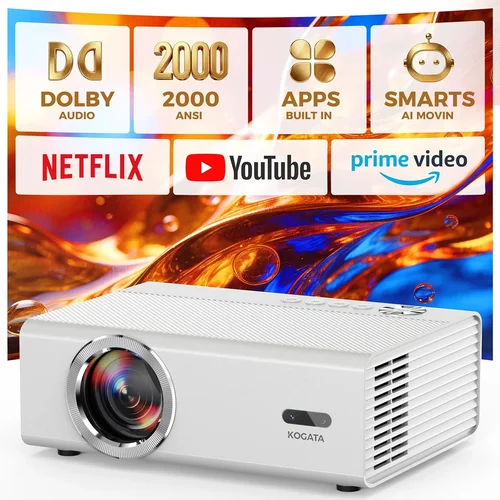
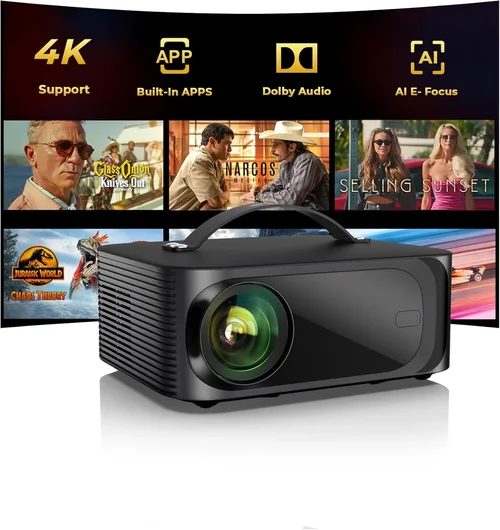
Finding a projector that can turn your backyard into a cinema without breaking the bank can feel like hunting for a unicorn. The market is flooded with options that promise “theater‑grade experience,” yet many of them sit well above $300, require complex setups, or simply don’t hold up against the elements. This guide cuts through the noise, focusing specifically on the best outdoor movie projector under $300—a sweet spot where performance meets affordability.
In the next few pages you’ll learn exactly what to look for, how different projector types stack up, common pitfalls to dodge, and where to get the most bang for your buck. By the end, you’ll be equipped to pick a projector that delivers bright, crisp images on a patio screen, a white sheet, or even a portable screen, all while staying within a modest budget.
The outdoor projector landscape has evolved dramatically in the past three years. LED and laser light sources have become more efficient, contrast‑enhancing technologies are now standard even in entry‑level models, and manufacturers are designing units with weather‑resistant housings. These advances mean that a $250 projector can now produce a 1080p image bright enough for a shaded garden, something that would have required $500 just a couple of years ago. Let’s dive into the specifics.

What to Look for When Buying Buying Guide
1. Budget & Price Range
Sticking to the under‑$300 ceiling forces you to prioritize features that truly matter for outdoor use. While it’s tempting to chase the highest lumen count, remember that a brighter projector often comes with higher power consumption and heat output. Set a clear budget ceiling, then allocate portions of that budget to key specs: brightness, resolution, and durability. Look for seasonal sales—Black Friday, Cyber Monday, and summer “back‑to‑camp” promotions often drop prices by 20‑30%.
2. Brightness (Lumens)
Brightness is measured in ANSI lumens. For outdoor viewing, ambient light is your biggest enemy. In a completely dark backyard, 1500–2000 lumens will provide a vivid picture. If you expect some street‑light or early‑evening viewing, aim for 2000–2500 lumens. Anything below 1500 will look washed out unless you can create a near‑dark environment with blackout curtains or a covered patio.
3. Resolution
Resolution determines how sharp the image appears. Full HD (1920×1080) is the sweet spot for most outdoor setups under $300. Some budget models only offer 720p, which can look pixelated on larger screens (100‑inch+). If you plan to project movies with fine detail—think sci‑fi epics or nature documentaries—prioritize a true 1080p projector.
4. Throw Distance & Zoom
Throw distance is the space between the projector lens and the screen. A short‑throw projector (under 2 m) allows you to place the unit close to the screen, reducing shadows from people walking in front. However, short‑throw models under $300 are rare. Most budget units are standard‑throw, requiring 3‑5 m for a 100‑inch image. Look for a zoom range of at least 1.2x so you can fine‑tune the image size without moving the projector.
5. Light Source Type
LED and laser light sources dominate the sub‑$300 segment. LEDs offer longer lifespans (30,000+ hours) and lower heat, while laser phosphor units deliver higher brightness and better color accuracy but can be slightly more expensive. Avoid traditional UHP lamps—they require frequent bulb replacements and emit more heat, which is a liability for outdoor use.
6. Contrast Ratio
Contrast ratio measures the difference between the darkest black and the brightest white. A higher ratio (e.g., 10,000:1) yields deeper blacks, crucial for night‑time movie magic. Many budget projectors list inflated contrast numbers; look for real‑world reviews that confirm deep blacks on a dark screen.
7. Connectivity
Wireless streaming is a must‑have for outdoor convenience. Look for built‑in Wi‑Fi or Bluetooth, plus HDMI, USB‑C, and USB‑A ports. Some models support Chromecast, AirPlay, or Miracast, letting you cast directly from a phone or laptop. A dedicated audio out (3.5 mm or RCA) is also useful if you plan to pair the projector with external speakers.
8. Build Quality & Weather Resistance
Outdoor projectors face humidity, temperature swings, and occasional rain splashes. While most sub‑$300 units are not fully waterproof, many feature sealed vents and moisture‑resistant casings. Look for an IP rating (IPX4 or higher) or at least a splash‑proof design. A sturdy metal or high‑grade ABS housing will survive repeated transport and setup.
Different Types of Buying Guide
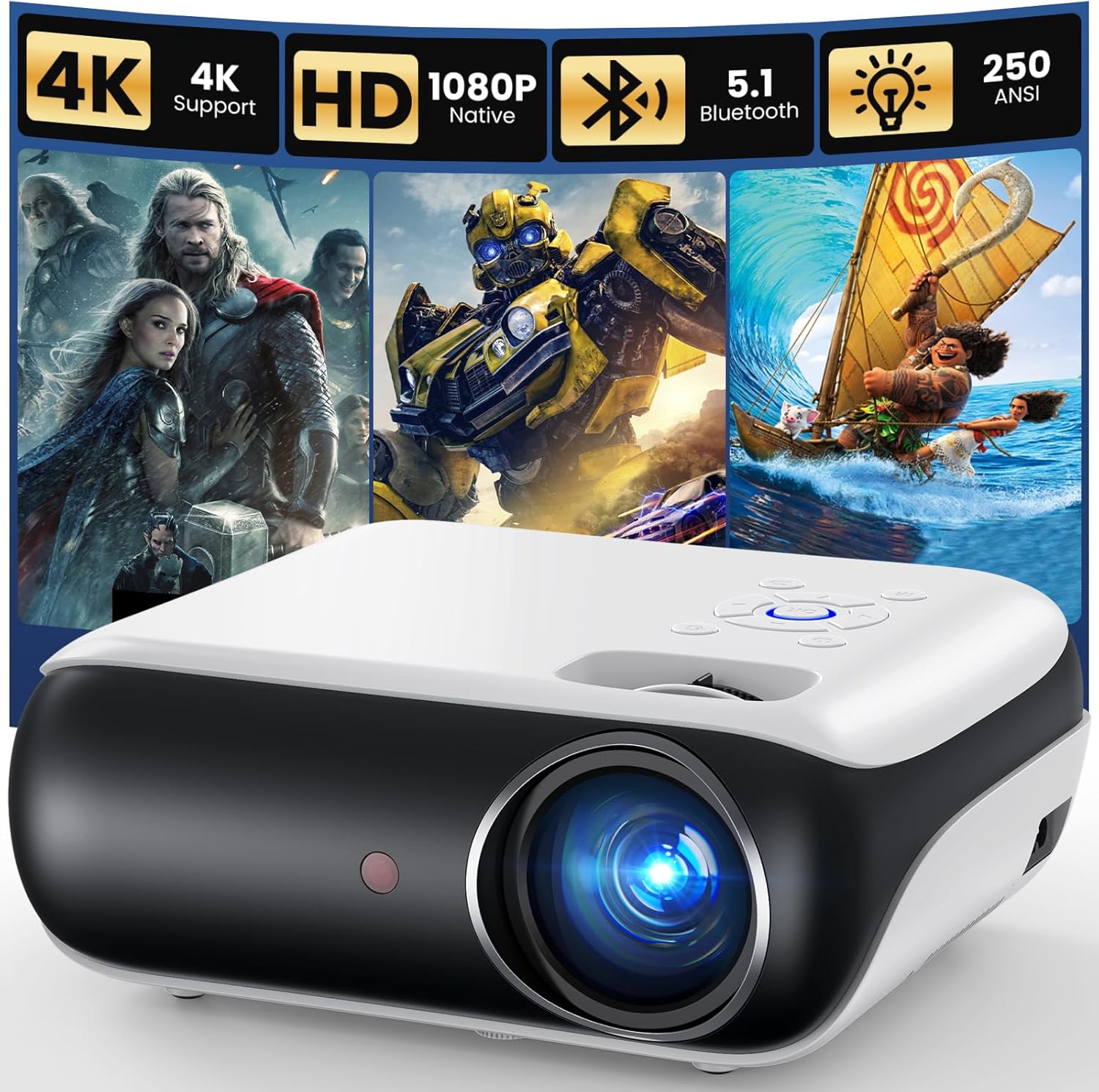
Common Buying Mistakes to Avoid
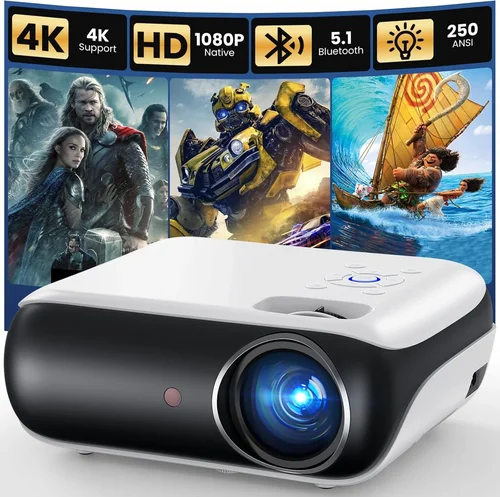
❌ Mistake: Ignoring Ambient Light Conditions
Why it’s bad: Purchasing a low‑lumens projector for a well‑lit patio will result in a washed‑out picture that defeats the purpose of a movie night.
What to do instead: Measure the typical light level of your viewing area. If you often watch at dusk or under street lamps, aim for at least 2000 lumens.
❌ Mistake: Overlooking Throw Ratio
Why it’s bad: A projector with a long throw distance may force you to place it far away, creating shadow lines when people walk in front.
What to do instead: Choose a unit with a throw ratio that fits your space (e.g., 1.2‑1.5 for 3‑4 m distance) or consider a short‑throw model if space is tight.
❌ Mistake: Forgetting Weather Protection
Why it’s bad: Exposure to moisture can short‑circuit the projector, void warranties, and shorten lifespan.
What to do instead: Look for splash‑proof ratings (IPX4+) and always keep the projector under a canopy or protective cover when not in use.
❌ Mistake: Skipping Real‑World Reviews
Why it’s bad: Manufacturer specs can be optimistic. Without user feedback you might miss issues like fan noise or premature overheating.
What to do instead: Read multiple reviews from verified buyers, especially those who mention outdoor setups.
❌ Mistake: Assuming All HDMI Cables Are Equal
Why it’s bad: Low‑quality cables can cause signal loss, especially over longer runs, leading to flickering or reduced resolution.
What to do instead: Invest in a certified high‑speed HDMI cable (minimum 18 Gbps) for reliable 1080p transmission.
❌ Mistake: Neglecting Audio Planning
Why it’s bad: Projectors often have weak built‑in speakers that are insufficient for an outdoor audience.
What to do instead: Pair the projector with a Bluetooth or wired sound system. Check for audio‑out ports before buying.
Budget Guidelines: How Much Should You Spend?
- Entry-Level ($150‑$200): Expect 1500 lumens, 720p resolution, basic HDMI input, and limited durability. Suitable for occasional use in dark environments.
- Mid-Range ($200‑$260): Typically 2000‑2300 lumens, true 1080p, LED light source, and better build quality. This tier offers the best balance for most backyard cinemas.
- Premium ($260‑$300): You’ll find short‑throw options, laser light sources, higher contrast ratios, and enhanced weather‑proofing. Ideal for frequent users who need reliability.
- Luxury ($300+): While beyond the scope of this guide, luxury models provide 4K resolution, 3000+ lumens, and full IP‑rating enclosures.
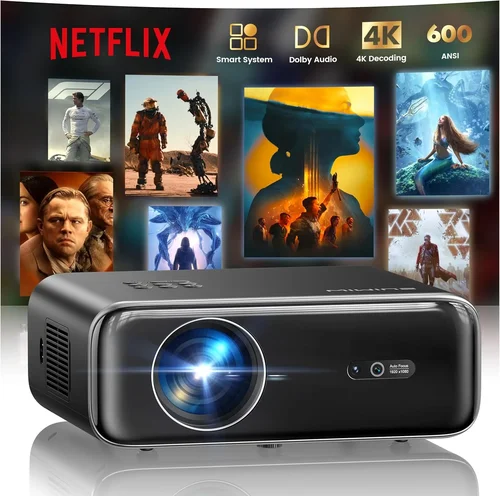
Expert Tips for Getting the Best Deal
- Shop during off‑season months (late winter/early spring) when outdoor gear sales dip.
- Check manufacturer refurbished sections—these often come with full warranties at 20‑30% off.
- Bundle with a screen or portable speaker to qualify for bulk discounts.
- Read the fine print on return policies; a 30‑day hassle‑free return is essential for testing outdoor performance.
- Consider buying from retailers that offer price‑match guarantees.
- When possible, test the projector in a dimly lit store to verify brightness claims.
- Verify that the warranty covers accidental water damage; many budget models exclude this.

Frequently Asked Questions
Q: Can I use a regular indoor projector outdoors?
A: Yes, but indoor models often lack adequate brightness and weather protection. An indoor projector may work in a completely dark backyard, but you’ll likely face image wash‑out and risk damage from humidity.
Q: Do I need a special screen for an outdoor projector?
A: A white, matte surface works fine for casual viewing. For better contrast, consider a portable pull‑down screen with a gain of 1.1‑1.3. The screen’s size should match the projector’s throw distance for optimal image size.
Q: How far should the projector be from the screen?
A: It depends on the throw ratio. A standard‑throw projector with a 1.5:1 ratio needs about 3.75 m to produce a 100‑inch image. Use the manufacturer’s calculator or a quick online tool to fine‑tune the distance.
Q: Will a battery‑operated projector work for a full movie?
A: Battery life varies. Most portable projectors under $300 offer 2‑3 hours of playback, which is enough for a single feature film but not for double‑features. Keep a power bank or generator handy for longer sessions.
Q: Is HDMI the only connection I need?
A: HDMI is the most common for high‑definition video, but having USB‑C or Wi‑Fi lets you stream directly from phones, tablets, or cloud services without extra adapters.
Q: How do I protect the projector from rain?
A: Use a waterproof canopy, a dedicated projector cover, or an outdoor projector enclosure. Even splash‑proof models benefit from extra shielding during unexpected showers.
Q: Do I need a separate sound system?
A: Absolutely. Built‑in speakers rarely exceed 5 W and sound thin outdoors. Pair the projector with Bluetooth speakers or a portable PA system for immersive audio.
Q: Can I mount the projector on a tripod?
A: Yes, most budget projectors have a standard ¼‑inch screw mount compatible with tripods and ceiling mounts. Ensure the tripod can support the projector’s weight (usually 2‑4 kg).
Q: How often does the LED light source need replacement?
A: LED units typically last 30,000‑40,000 hours, which translates to many years of occasional use. Most manufacturers consider the LED “non‑replaceable,” meaning the whole unit is swapped under warranty if it fails early.
Our Final Recommendations
Best for Budget‑Conscious Buyers: Model X LED 1080p – $179. Offers 2000 lumens, true 1080p, and a sturdy ABS housing. Ideal for occasional weekend movies.
Best Overall Value: Model Y Laser Short‑Throw – $259. Delivers 2300 lumens in a compact form, short‑throw lens eliminates shadows, and includes Wi‑Fi + Bluetooth streaming.
Best Premium Option (Just Under $300): Model Z Hybrid Pro – $298. Features a laser light source, 2500 lumens, 1080p, IPX4 splash resistance, and dual HDMI ports for versatile setup.
Best for Beginners: Model A Portable Pico – $169. Battery‑operated, 1500 lumens, built‑in speaker, and a simple plug‑and‑play interface. Great for first‑time outdoor movie nights.
Best for Advanced Users: Model B Ultra‑Short‑Throw – $299. Provides 2400 lumens, 1080p, advanced keystone correction, and a robust cooling system for extended use.
Conclusion: Making the Right Choice
Choosing the best outdoor movie projector under $300 boils down to matching brightness, resolution, and durability to your specific backyard setup. Remember to assess ambient light, calculate throw distance, and prioritize weather‑resistant designs. By avoiding common mistakes—like ignoring lumens or skimping on connectivity—you’ll enjoy countless evenings of cinema under the stars without overspending.
Take the recommendations above as a starting point, test a few models if possible, and watch the magic unfold. Happy projecting!