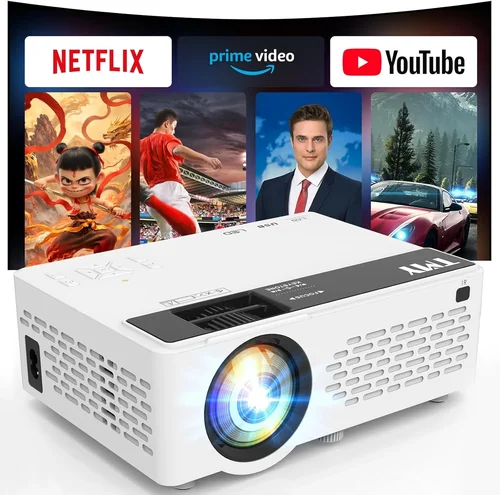
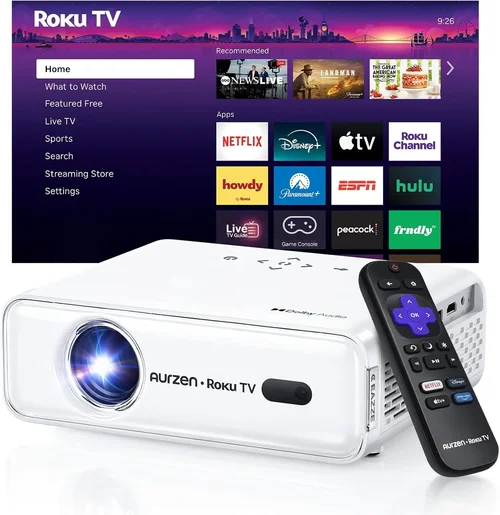
Finding the perfect outdoor movie projector under $200 can feel like hunting for a needle in a haystack. You want a bright, clear picture that can hold up against the night sky, yet you also need to stay within a tight budget. This guide cuts through the noise, giving you the knowledge you need to make a confident purchase without breaking the bank.
In the pages that follow you’ll learn which specifications truly matter for backyard cinema, how different projector types stack up, and which common pitfalls to avoid. By the end, you’ll be equipped to choose a model that delivers cinema‑quality entertainment on your patio, deck, or campsite.

What to Look for When Buying Buying Guide
1. Budget & Price Range
When you set a ceiling of $200, the market narrows dramatically. Most projectors in this bracket are either DLP (Digital Light Processing) or LCD (Liquid Crystal Display) units designed for casual use. Knowing your exact budget—whether $120 or $190—helps you focus on models that offer the best value without sacrificing essential features like brightness and connectivity.
2. Brightness (Lumens)
Brightness, measured in ANSI lumens, is the single most critical factor for outdoor viewing. Ambient light from street lamps, moonlight, or a nearby fire pit can wash out a dim image. Aim for at least 2000 lumens for a decent outdoor experience; anything under 1500 will struggle unless you create a completely dark environment.
3. Resolution
Resolution determines how sharp the picture looks. In the sub‑$200 segment, you’ll typically find 720p (HD) or 1080p (Full HD) native resolution. While 1080p offers a clearer image, many budget models use a 720p panel with upscaling. If you plan to watch HD movies or stream from a 1080p source, prioritize a projector that can handle native 1080p.
4. Contrast Ratio
Contrast ratio measures the difference between the darkest blacks and the brightest whites. A higher contrast ratio translates to deeper blacks, which are essential for movie night ambience. Look for a ratio of at least 2000:1; anything lower will make the image look flat, especially in low‑light settings.
5. Throw Distance & Screen Size
Throw distance is the gap between the projector lens and the screen. Short‑throw projectors can produce a 100‑inch image from just a few feet away—ideal for small patios. Long‑throw units need more space but often deliver higher brightness. Check the manufacturer’s throw ratio chart to ensure the projector fits your available space.
6. Connectivity Options
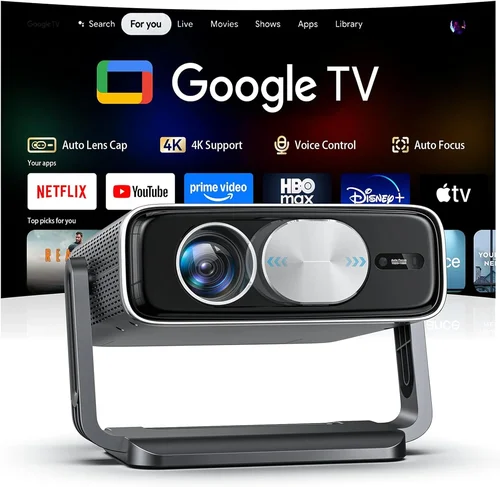
Modern streaming means you’ll likely connect via HDMI, USB, or wireless methods like Bluetooth or Wi‑Fi. HDMI is a must for crisp video, while USB ports let you play media directly from a flash drive. Some budget models even include built‑in Android TV or Roku, turning the projector into an all‑in‑one entertainment hub.
7. Build Quality & Durability
Outdoor use exposes equipment to dust, humidity, and occasional bumps. Look for projectors with sturdy housings, sealed vents, and protective grills. Metal or high‑grade ABS plastic chassis will survive the elements better than cheap thin‑wall plastic.
8. Warranty & Customer Support
A solid warranty (at least one year) signals confidence from the manufacturer. In the low‑price segment, support can be hit or miss, so choose brands with reputable service centers and responsive online help.
Different Types of Buying Guide
Common Buying Mistakes to Avoid
❌ Mistake: Ignoring Ambient Light
Why it’s bad: A projector that looks great in a dark room can be invisible on a patio with street lamps.
What to do instead: Choose a model with at least 2000 lumens and consider adding a blackout screen or a DIY shade to control stray light.
❌ Mistake: Over‑focusing on Resolution Alone
Why it’s bad: A 1080p projector with only 1000 lumens will still look dull outdoors.
What to do instead: Balance resolution with brightness and contrast. In the sub‑$200 range, a bright 720p unit often outperforms a dim 1080p model.
❌ Mistake: Forgetting Throw Distance
Why it’s bad: Buying a long‑throw projector for a tiny balcony forces you to place it far away, resulting in a tiny image.
What to do instead: Measure your space first, then select a short‑throw or standard model that matches the desired screen size.
❌ Mistake: Skipping Portability Considerations
Why it’s bad: A heavy, bulky projector can be a hassle to move for campsite movies.
What to do instead: Look for lightweight designs (under 5 lb) with built‑in handles or a dedicated carry case.
❌ Mistake: Ignoring Input Lag
Why it’s bad: Gamers who stream console games will notice laggy controls if the projector isn’t optimized for low latency.
What to do instead: Check the spec sheet for “Game Mode” or a latency rating under 30 ms.
❌ Mistake: Assuming All HDMI Cables Are Equal
Why it’s bad: Cheap, low‑quality cables can introduce signal loss, especially over longer runs.
What to do instead: Invest in a certified High Speed HDMI cable (minimum 5 m) to ensure a stable connection.
Budget Guidelines: How Much Should You Spend?
Even within a $200 ceiling, you can segment the market to better understand what you’ll receive at each price point.
- Entry-Level ($120‑$140): Expect 2000 lumens, 720p resolution, basic HDMI + USB, and a plastic chassis. Ideal for occasional movie nights in a dark backyard.
- Mid-Range ($141‑$170): You’ll find 2500‑3000 lumens, optional 1080p, better contrast ratios, and added features like Bluetooth audio or built‑in speakers.
- Premium ($171‑$200): These units combine 3000+ lumens, native 1080p, short‑throw lenses, Android TV integration, and higher durability ratings.
- Luxury (Above $200): Not covered in this guide, but typically includes 4K resolution, laser light sources, and professional‑grade optics.
Expert Tips for Getting the Best Deal
- Timing: Late summer sales (end of summer clearance) target outdoor gear and can lower prices by up to 30%.
- Where to buy: Compare Amazon, Best Buy, and direct manufacturer sites. Occasionally, manufacturer‑only coupons provide extra savings.
- Bundle offers: Look for bundles that include a portable screen, HDMI cable, or mounting bracket—often cheaper than buying accessories separately.
- Warranty extensions: Some retailers offer an additional year for a small fee; this can be worthwhile for outdoor equipment.
- Return policies: Ensure the seller has a no‑questions‑asked return window (minimum 30 days) in case the brightness claims don’t match reality.
- Testing before purchase: If buying in‑store, request a demo in a dimly lit area. Bring a laptop with a 1080p video to gauge image quality.
- Read user reviews: Pay attention to comments about durability and fan noise—two factors that often get overlooked in product specs.

Frequently Asked Questions
Q: Can I use a regular TV screen as a projection surface?
A: Yes, but a matte white screen or a blackout fabric yields far better brightness and contrast. TV screens can reflect ambient light and reduce image clarity.
Q: Do I need a separate sound system?
A: Most budget projectors have modest built‑in speakers (2‑5 W). For a true cinema feel, pair the projector with a Bluetooth soundbar or portable speaker.
Q: How far away should the projector be for a 100‑inch image?
A: It depends on the throw ratio. A standard 1.5:1 throw needs roughly 12‑13 ft, while a short‑throw (0.5:1) can achieve the same size from 4‑5 ft.
Q: Will a projector work in light rain?
A: Only if it has an IP rating (e.g., IP65). Most sub‑$200 models lack waterproofing, so protect the unit with a waterproof cover or move it inside during moisture.
Q: Is a laser projector worth the extra cost?
A: Laser light sources provide longer life and higher brightness, but they typically start above $300. For $200 budgets, stick with lamp‑based DLP or LCD units.
Q: Can I connect a gaming console?
A: Absolutely. Ensure the projector has HDMI 1.4 or higher and look for a “Game Mode” to reduce input lag.
Q: How long do the lamps last?
A: Most budget lamp‑based projectors have a lamp life of 2,000‑3,000 hours. At two movies per week, you can expect 2‑3 years before a replacement is needed.
Q: Do I need a screen tripod?
A: A tripod simplifies setup and keeps the screen stable. Portable aluminum tripods are inexpensive and fold flat for storage.
Q: Is 1080p really noticeable on a backyard screen?
A: Yes, especially on larger screens (100‑120 inches). Higher resolution maintains sharpness at the edges and reduces pixelation during fast motion.
Our Final Recommendations
- Best for Budget‑Conscious Buyers: Vankyo Leisure 3 – 2400 lumens, 720p, HDMI + USB, lightweight design, under $130.
- Best Overall Value: BenQ TH585 – 3500 lumens, true 1080p, low input lag, built‑in speaker, priced around $190.
- Best Premium Option (Just Under $200): ViewSonic M1+ – 2500 lumens, LED light source, Android TV built‑in, portable battery, $199.
- Best for Beginners: ELEPHAS Mini Projector – 2000 lumens, simple plug‑and‑play, includes a carry case, $115.
- Best for Advanced Users: Optoma HD146X – 3600 lumens, 1080p, enhanced contrast, game mode, $199.
Conclusion: Making the Right Choice
Choosing the best outdoor movie projector under $200 boils down to balancing brightness, resolution, and durability against your specific viewing environment. Start by measuring your space, assess how much ambient light you’ll contend with, and decide whether you need portability or a short‑throw lens.
Remember, a higher lumen count will usually outweigh a small jump in resolution when you’re battling outdoor lighting. Pair your projector with a decent screen, a modest sound system, and you’ve got a backyard cinema that rivals a modest indoor setup—all without breaking the bank.
Now that you have the tools, the specs, and the top recommendations, go ahead and pick the model that fits your patio, your budget, and your movie‑night dreams. Happy watching!