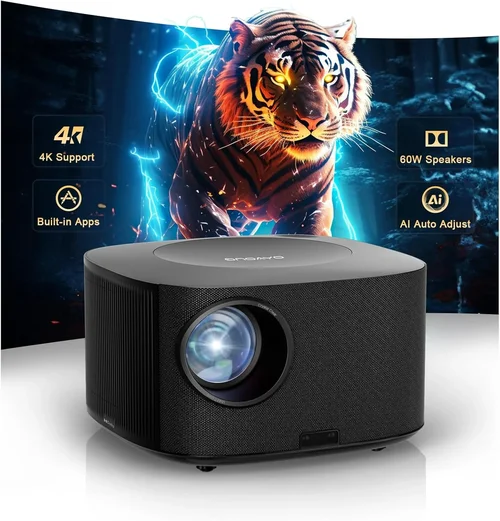
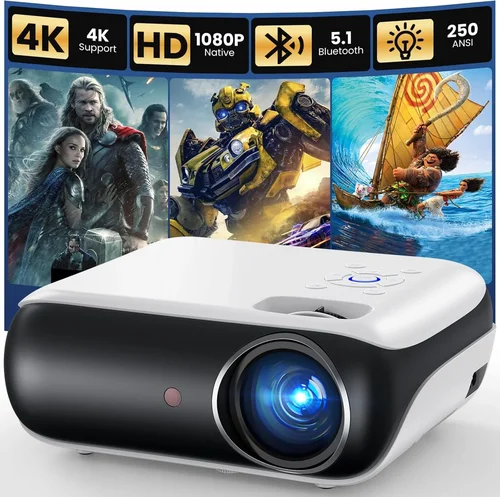
Choosing an outdoor projector that won’t break the bank can feel like navigating a maze. You want a bright image that can combat ambient light, a sturdy design that survives a night under the stars, and a price tag that stays under $200. This guide cuts through the noise, giving you the knowledge you need to pick the perfect projector for backyard movies, patio parties, or a spontaneous game night.
In the next few sections you’ll learn which specifications truly matter, how different projector types stack up, and where to find the best deals. By the end, you’ll be equipped to make a confident purchase that matches your budget, space, and viewing habits.
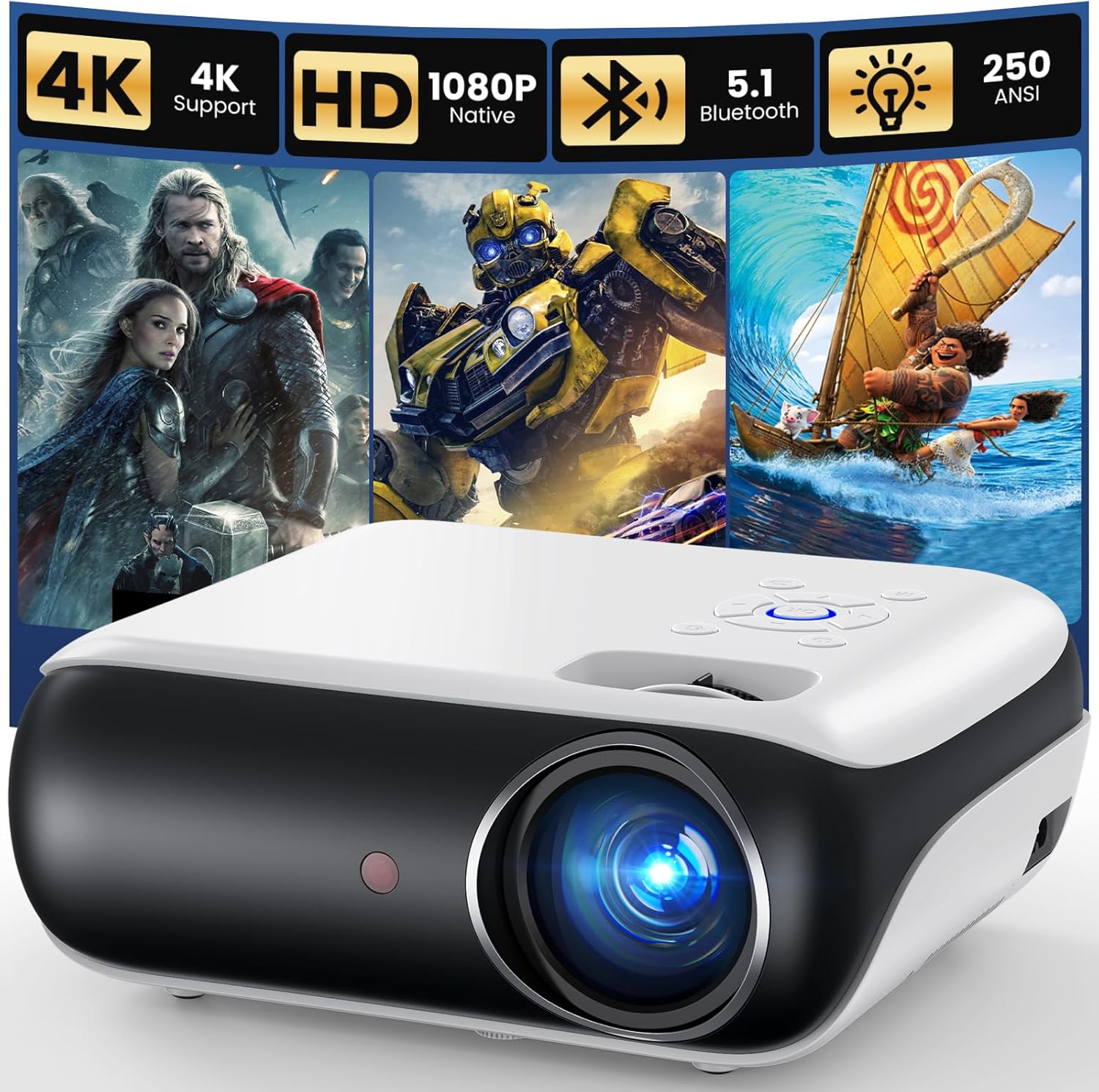
What to Look for When Buying Buying Guide
1. Budget & Price Range
Staying under $200 limits your options, but it also forces manufacturers to prioritize certain features. Focus on the sweet spot where you get enough brightness and resolution without unnecessary extras that drive up cost. Remember, a lower price often means trade‑offs in lamp life or connectivity, so weigh those against your actual needs.
2. Brightness (Lumens)
Brightness, measured in ANSI lumens, is the single most critical factor for outdoor use. A dark backyard can handle 1,500–2,000 lumens, but if you expect some streetlight or early‑evening viewing, aim for 2,500 lumens or more. Higher lumens ensure a vivid picture even when the sky isn’t pitch black.
3. Resolution
Resolution determines how sharp your image appears. For most casual viewers, 720p (1280×720) is acceptable and widely available under $200. If you can find a 1080p model within budget, you’ll notice crisper text and finer detail—especially important for gaming or presentations.
4. Throw Distance & Screen Size
Throw distance is the gap between the projector and the screen. Short‑throw models let you project a 100‑inch image from just a few feet away, which is ideal for smaller patios. Standard throw projectors need more space but often deliver higher brightness. Check the manufacturer’s throw ratio chart to match your available area.
5. Portability & Build Quality
Outdoor projectors should be lightweight enough to carry to the backyard, yet robust enough to survive occasional bumps. Look for a sturdy housing, preferably with a rubberized base or mounting points for a tripod. Some models even include a weather‑resistant cover.
6. Connectivity Options
Modern projectors offer HDMI, USB, Bluetooth, and Wi‑Fi. For outdoor setups, HDMI is king because it delivers the most reliable signal from a laptop, streaming stick, or gaming console. If you plan to stream directly, ensure the projector supports Wi‑Fi or has a built‑in Chromecast/Apple AirPlay.
7. Audio Solutions
Built‑in speakers are convenient but rarely powerful enough for outdoor viewing. Look for models with a 3.5 mm audio out or Bluetooth so you can pair a portable Bluetooth speaker for richer sound without extra cables.
8. Lamp Life & Maintenance
Projector lamps degrade over time, measured in hours. A lamp life of 20,000 hours is common in budget units and translates to many years of occasional use. Check if the lamp is user‑replaceable and the cost of a spare.
Different Types of Buying Guide

Common Buying Mistakes to Avoid
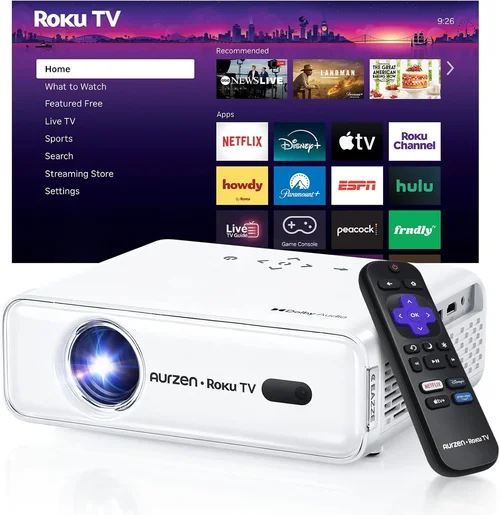
❌ Mistake: Ignoring Ambient Light
Why it’s bad: A projector rated at 1,200 lumens may look great in a dark room but will appear washed out on a porch with streetlights.
What to do instead: Choose a model with at least 2,500 lumens for any outdoor setting where you can’t control lighting.
❌ Mistake: Over‑focusing on Resolution Alone
Why it’s bad: A 1080p projector with low brightness will still produce a dim image, negating the benefit of higher resolution.
What to do instead: Balance resolution with lumens; 720p at 2,500+ lumens often outperforms 1080p at 1,500 lumens outdoors.
❌ Mistake: Forgetting About Audio
Why it’s bad: Relying on built‑in speakers can leave you with tinny sound that’s lost in an open space.
What to do instead: Plan for an external Bluetooth or wired speaker; ensure the projector has an audio out port.
❌ Mistake: Neglecting Lamp Replacement Costs
Why it’s bad: Some cheap projectors use proprietary lamps that cost $80‑$120 to replace, quickly eroding your savings.
What to do instead: Verify lamp price and availability before buying; LED or laser models often have longer lifespans with lower long‑term costs.
❌ Mistake: Buying Without Checking Throw Ratio
Why it’s bad: You might end up with a projector that needs 12 feet of clearance for a 100‑inch image, which many backyards can’t accommodate.
What to do instead: Measure your space, then match it to the projector’s throw ratio chart.
❌ Mistake: Assuming All “Outdoor” Projectors Are Weather‑Proof
Why it’s bad: Most budget units are only splash‑resistant, not fully waterproof. Exposure to rain can ruin the device.
What to do instead: Use a waterproof cover or place the projector under a canopy; look for an IP rating if you need true rain protection.
Budget Guidelines: How Much Should You Spend?
- Entry‑Level ($100‑$130): Expect 1,200–1,800 lumens, 720p resolution, basic HDMI port, and minimal warranty. Ideal for occasional use in a dark backyard.
- Mid‑Range ($131‑$180): Brightness climbs to 2,200–2,800 lumens, often 1080p or enhanced 720p, better connectivity (Bluetooth + Wi‑Fi), and longer lamp life. This tier covers most casual outdoor enthusiasts.
- Premium ($181‑$200): You’ll find short‑throw options, 3,000+ lumens, built‑in battery, and superior build quality. Perfect for small spaces where distance is limited.
- Luxury (Above $200): While beyond the scope of this guide, luxury models include laser light sources, 4K resolution, and true weather‑proof housings.
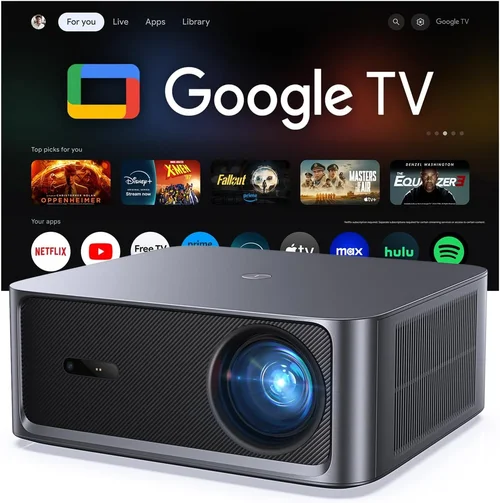
Expert Tips for Getting the Best Deal
- Timing: Late summer sales (end of summer) are perfect because retailers clear out outdoor inventory.
- Where to Buy: Compare Amazon, Best Buy, and manufacturer websites. Some brands offer exclusive bundles (e.g., HDMI cable + screen) that add value.
- Spotting Deals: Look for “refurbished” units with a full warranty; they’re often indistinguishable from new.
- Warranty Considerations: A 2‑year warranty with on‑site service is worth an extra $15‑$20.
- Return Policies: Ensure a 30‑day return window; you’ll want to test the projector under real outdoor conditions.
- Testing Before Buying: If possible, demo the unit in a store’s outdoor demo area. Pay attention to brightness and fan noise.
- Bundle Savings: Pairing a projector with a portable screen can save 10‑15% versus buying separately.

Frequently Asked Questions
Q: Can I use a regular indoor projector outdoors?
A: Yes, but you’ll need to manage ambient light and protect the unit from moisture. Indoor projectors often lack the brightness needed for outdoor use, so expect a dimmer image unless you’re in a completely dark environment.
Q: Do I need a screen, or can I project onto a wall?
A: A white wall works in a pinch, but a dedicated screen (even a portable pull‑down one) improves contrast and color accuracy. For budget setups, a matte white sheet can serve as an affordable alternative.
Q: How far should the projector be from the screen?
A: It depends on the throw ratio. For a standard throw with a 2.0 ratio, a 100‑inch image requires roughly 8‑10 feet of distance. Short‑throw models need only 3‑4 feet.
Q: Will a battery‑powered projector last through a two‑hour movie?
A: Battery life varies, but most sub‑$200 portable models offer 1.5‑2 hours on a full charge. For longer sessions, keep a power bank or extension cord handy.
Q: Is HDMI the only connection I need?
A: HDMI is the most reliable for video quality. However, having USB or Bluetooth lets you stream directly from a phone or tablet without extra cables.
Q: How loud are the fans on budget projectors?
A: Expect fan noise between 30‑38 dB. In a quiet backyard it’s noticeable but not disruptive. Choose a model with a “quiet mode” if you’re sensitive to noise.
Q: Do I need a special mount for outdoor use?
A: A simple tripod or a ceiling‑mount bracket works well. Ensure the mount is stable and can handle the projector’s weight plus any wind gusts.
Q: Can I connect a gaming console?
A: Absolutely. Most budget projectors include an HDMI 1.4 port, which supports 1080p at 60 Hz—perfect for most consoles.
Q: What is the difference between LED and lamp‑based projectors?
A: LED projectors have longer lamp life (30,000+ hours) and lower power consumption, but may be slightly dimmer. Lamp‑based units can reach higher brightness levels but require lamp replacement.
Our Final Recommendations
- Best for Budget‑Conscious Buyers: Vankyo Leisure 3 – 2,400 lumens, 720p, 108‑inch screen from 6 ft, priced around $119.
- Best Overall Value: BenQ TH585 – 3,500 lumens, 1080p, low input lag, versatile throw, typically $189.
- Best Premium Option (under $200): ViewSonic M1+ – 2,500 lumens, LED light source, built‑in Harman Kardon speakers, short‑throw capability, $199.
- Best for Beginners: DR. J Professional Mini Projector – Plug‑and‑play, 2,000 lumens, simple UI, $129.
- Best for Advanced Users: Epson EF‑100 – Laser light source, 2,000 lumens, Android TV integration, excellent color accuracy, often found on sale for just under $200.
Conclusion: Making the Right Choice
Finding the best outdoor projector under $200 isn’t about settling for the cheapest model; it’s about matching the right brightness, resolution, and portability to your specific backyard setup. Consider how much ambient light you’ll face, the distance you have for projection, and whether you need extra features like Bluetooth audio or a short‑throw lens.
Apply the factors, avoid the common pitfalls, and use the budgeting and tip sections to stay within your financial comfort zone. With the recommendations above, you’re ready to turn any evening into a cinematic experience without blowing your budget.
Now that you’re armed with knowledge, go ahead and browse the models, compare prices, and enjoy your first outdoor movie night!