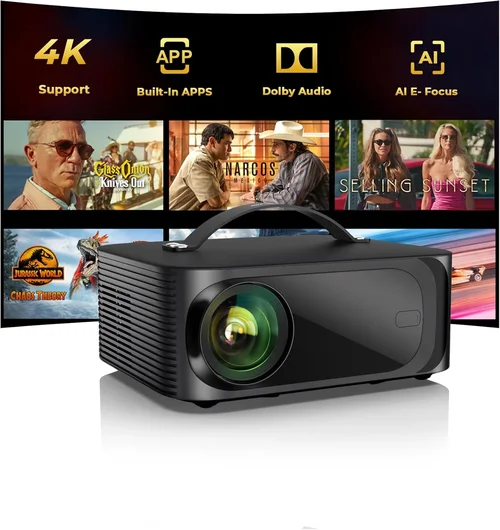
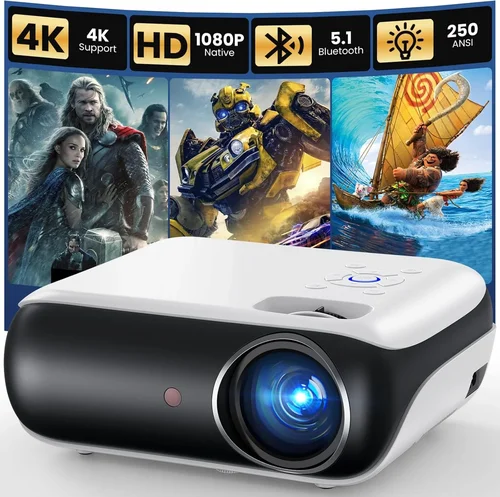
Planning a backyard movie night, a summer sports binge, or a portable presentation setup? The outdoor projector market has exploded, and the sweet spot under $800 offers a blend of performance and price that can surprise even seasoned tech fans. This guide cuts through the noise, helping you understand which specs truly matter, which pitfalls to dodge, and how to match a projector to your specific outdoor vibe.
By the end of this article you’ll know exactly what to look for, how the major categories differ, and which models consistently earn top marks from both experts and everyday users. Whether you’re a casual family entertainer or a budding outdoor cinema enthusiast, the information here will empower you to make a confident purchase without overspending.
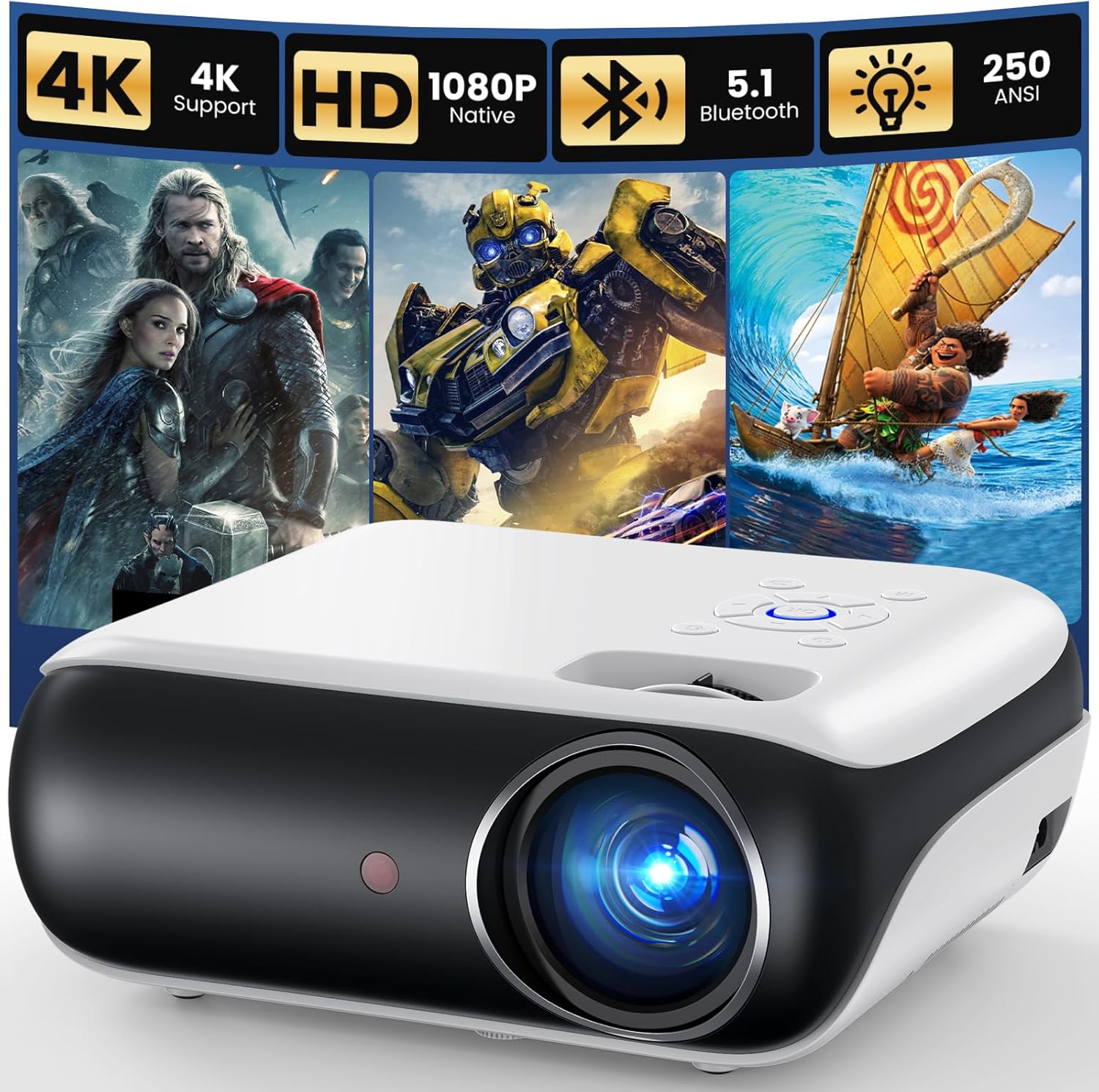
What to Look for When Buying Buying Guide
1. Budget & Price Range
Even within the “under $800” bracket, price can vary dramatically based on resolution, brightness, and brand cachet. Set a realistic ceiling—$750 is a practical upper limit for most shoppers—then allocate portions of that budget to the features that matter most to you. If you plan to watch mostly in twilight, you might prioritize resolution over lumens; if you need daylight performance, brightness becomes non‑negotiable.
2. Performance Specifications
Three core specs dictate real‑world performance:
- Brightness (lumens): For outdoor use, aim for at least 3,000 ANSI lumens. This ensures a clear image when ambient light is present, such as during early evening gatherings.
- Resolution: 1080p (Full HD) is now the baseline for quality outdoor viewing. Some budget models still offer 720p; these can look soft on large screens.
- Contrast Ratio: Higher contrast delivers deeper blacks, which is crucial for night‑time cinema. Look for ratios of 10,000:1 or better.
3. Build Quality & Durability
Outdoor environments demand ruggedness. Metal housings resist warping, while sealed vents protect against dust and humidity. A projector with an IP rating (e.g., IPX4) can handle occasional splashes—an essential feature if you host events near a pool or garden.
4. Features & Functionality
Modern projectors pack a suite of conveniences:
- Wireless Connectivity: Wi‑Fi or Bluetooth lets you stream from phones, tablets, or laptops without messy cables.
- Built‑in Speakers: While not a replacement for a dedicated sound system, decent 10‑15 W speakers can carry a backyard crowd.
- Keystone Correction & Lens Shift: These help you achieve a perfectly rectangular image on uneven terrain without physically moving the projector.
- Multiple Input Ports: HDMI, USB‑C, and VGA ensure compatibility with a range of devices.
5. Brand Reputation
Companies like Epson, BenQ, ViewSonic, and Optoma have earned trust through consistent performance and reliable support. Emerging brands may offer aggressive pricing, but research warranty length and post‑sale service before committing.
6. Warranty & Support
A solid warranty—ideally 2‑3 years—covers lamp failures and hardware defects. Look for brands that provide easy lamp replacement options and responsive customer service. Some manufacturers even offer extended warranty plans at checkout.
7. Size & Portability
If you plan to move the projector between the patio, campsite, or a friend’s house, weight and footprint matter. Models under 5 kg with a compact form factor fit in most car trunks and can be set up in minutes.
8. User Reviews & Ratings
Peer feedback uncovers real‑world quirks that spec sheets hide. Prioritize products with a minimum of 150 verified reviews and an average rating of 4.2 stars or higher. Pay attention to recurring themes—both praise and criticism.
Different Types of Buying Guide
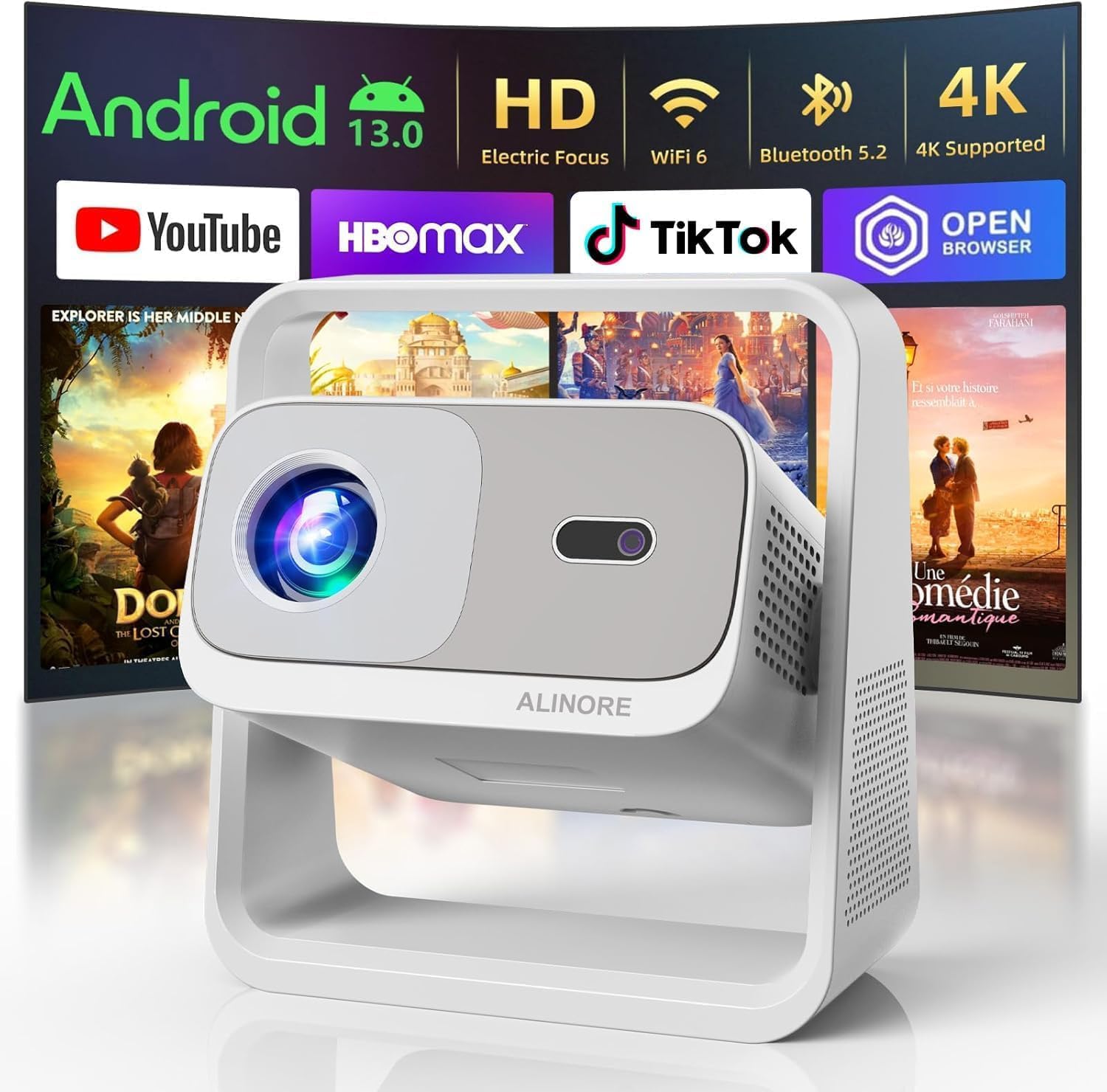
Common Buying Mistakes to Avoid
❌ Mistake: Ignoring Ambient Light Conditions
Why it’s bad: Selecting a low‑lumens projector for a well‑lit backyard results in a washed‑out picture that defeats the purpose of a “movie night.”
What to do instead: Measure typical ambient light levels and aim for at least 3,000 ANSI lumens. If you can control lighting with curtains or a covered patio, you may accept a slightly lower figure.
❌ Mistake: Over‑Focusing on Resolution Alone
Why it’s bad: A 1080p projector with 1,500 lumens will look worse than a 720p unit with 3,500 lumens in outdoor settings.
What to do instead: Balance resolution with brightness; prioritize lumens for outdoor use, then consider resolution as a secondary factor.
❌ Mistake: Forgetting Lamp Lifespan Costs
Why it’s bad: Replacing a lamp can cost $150‑$250, adding hidden expenses.
What to do instead: Look for LED or laser light sources that promise 20,000+ hours of operation, effectively eliminating lamp‑swap costs.
❌ Mistake: Neglecting Portability Needs
Why it’s bad: A heavy, bulky projector becomes a logistical nightmare when you need to move it between locations.
What to do instead: Choose a model under 5 kg with a built‑in handle or a dedicated carry case if you anticipate frequent relocation.
❌ Mistake: Skipping User Reviews
Why it’s bad: Manufacturers often highlight best‑case scenarios; real users reveal firmware bugs, overheating, or connectivity quirks.
What to do instead: Read at least 20 recent reviews on multiple platforms (Amazon, Best Buy, Reddit) and note recurring themes.
❌ Mistake: Assuming All HDMI Cables Are Equal
Why it’s bad: Low‑quality cables can introduce signal loss, especially at higher resolutions.
What to do instead: Invest in a certified high‑speed HDMI 2.0 cable; it ensures 4K/60Hz support and reliable audio‑video sync.
Budget Guidelines: How Much Should You Spend?
- Entry‑Level ($300‑$500): Expect 2,500‑3,000 lumens, 720p resolution, and basic connectivity. Suitable for occasional weekend use in dim environments.
- Mid‑Range ($500‑$650): Typically 3,000‑3,500 lumens, full 1080p, better contrast, and added features like wireless mirroring.
- Premium ($650‑$800): 3,500‑4,500 lumens, enhanced color accuracy (Rec. 709), longer lamp life, and often built‑in keystone + lens shift.
- Luxury ($800+): Ultra‑bright laser models, 4K upscaling, HDR support, and professional‑grade audio integration. Often exceed the $800 ceiling but worth noting for future upgrades.
Expert Tips for Getting the Best Deal
- Timing: Late summer is when retailers clear inventory for the new school year, often offering deep discounts on outdoor projectors.
- Where to Buy: Authorized dealers (e.g., B&H, Adorama) provide extended warranties and genuine accessories, while Amazon can have lower base prices but watch for third‑party sellers.
- Bundle Savings: Look for bundles that include a screen, mounting bracket, or portable speaker—these can save up to $100 versus buying separately.
- Check Return Policies: A 30‑day return window with free shipping lets you test the projector in your own backyard before committing.
- Test Before You Commit: If possible, visit a local store with a demo unit. Project onto a white sheet outdoors to gauge brightness and color fidelity.
- Consider Refurbished: Manufacturer‑refurbished units often come with a full warranty and are inspected for defects, offering excellent value.

Frequently Asked Questions
Q: Can I use a standard indoor projector outdoors?
A: Technically yes, but indoor units usually lack the brightness (lumens) and durability needed for outdoor conditions. Expect a dim, washed‑out image unless you can create a completely dark environment.
Q: Do I need a special screen for outdoor projection?
A: A white, matte PVC sheet or a purpose‑built portable screen works well. The key is a smooth, non‑reflective surface that minimizes glare.
Q: How far should the projector be from the screen?
A: It depends on the throw ratio. For a 100‑inch image, a standard throw projector (1.5:1) sits about 12‑13 ft away, while a short‑throw model can be as close as 4‑5 ft.
Q: Will rain damage the projector?
A: Most consumer projectors are not rated for direct exposure to water. Use a protective canopy or an IP‑rated enclosure if rain is a possibility.
Q: Is a separate sound system necessary?
A: Built‑in speakers are convenient for casual use, but for a true cinematic experience you’ll want external speakers or a portable PA system. Sound travels farther outdoors, so a modest 20‑30 W setup often suffices.
Q: How often does the lamp need replacement?
A: Traditional lamps last 2,000‑3,000 hours. LED and laser sources can exceed 20,000 hours, effectively lasting the lifetime of the projector.
Q: Can I connect my phone wirelessly?
A: Yes, most modern projectors support Wi‑Fi, Miracast, AirPlay, or Bluetooth. Ensure your phone’s OS is compatible with the projector’s protocol.
Q: What is the best way to mount the projector outdoors?
A: A sturdy tripod or a ceiling‑mounted bracket protected by a weather‑proof housing works best. Always secure the unit to prevent theft or wind damage.
Our Final Recommendations
- Best for Budget‑Conscious Buyers: BenQ TH585 – 3,500 lumens, 1080p, low input lag, and a price around $560. Ideal for gamers and casual movie nights.
- Best Overall Value: Epson Home Cinema 2150 – 2,500 lumens (bright enough for dusk), 1080p, wireless mirroring, and a solid 2‑year warranty at $639.
- Best Premium Option: Optoma UHD50X – 3,400 lumens, 4K‑enhanced 1080p, 240 Hz refresh, and HDR support for $779. Perfect for enthusiasts who want future‑proof performance.
- Best for Beginners: ViewSonic M2 – LED‑laser hybrid, 1,200 lumens (suitable for low‑light evenings), built‑in Harman Kardon speakers, and intuitive UI at $649.
- Best for Advanced Users: LG HU85LA Ultra‑Short Throw Laser (often found on sale just under $800) – 2,700 lumens, 4K, laser source, and a sleek wall‑mount design for permanent backyard installations.
Conclusion: Making the Right Choice
Choosing the best outdoor projector under $800 boils down to three core decisions: how bright you need to be, how portable you want the unit, and which extra features (wireless, built‑in audio, lamp type) matter most to your lifestyle. By evaluating the factors outlined above, avoiding common pitfalls, and leveraging the expert tips for timing and purchasing, you’ll land a projector that turns any open‑air space into a vibrant entertainment hub.
Now that you’re armed with the knowledge, take a look at the recommended models, compare prices, and schedule a test run in your own backyard. Happy viewing!