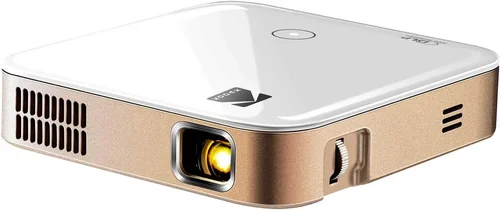
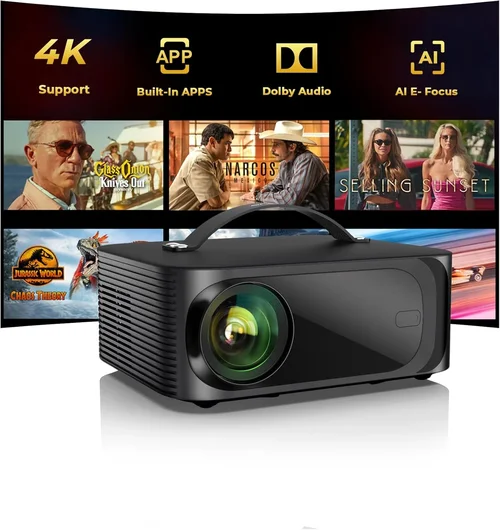
Choosing an outdoor projector can feel like stepping into a maze of specs, brand names, and price tags. Yet, with the right knowledge, you can turn that maze into a clear, straight path that leads straight to movie‑night perfection under the stars. This guide is built for anyone who wants a cinema‑quality experience in the backyard, on a patio, or even at a campsite without breaking the bank.
In the pages that follow you will learn how to evaluate brightness, resolution, durability, and connectivity—plus the hidden factors that often trip up first‑time buyers. We’ll also break down the current market, compare the most common projector types, and hand you a checklist so you never miss a crucial detail again.
The outdoor projector market has exploded in the last five years. Advancements in LED and laser light sources, smarter wireless options, and rugged housings mean you can now find a reliable unit for under $500 that would have cost twice as much a decade ago. Let’s dive in and find the best outdoor projector under $500 for your needs.

What to Look for When Buying Buying Guide
1. Budget & Price Range
Price is the most obvious filter, but it’s more than just a number. A $400 projector can outperform a $600 model if the specs align with your usage scenario. Set a realistic ceiling—here we focus on products priced at $500 or less—and then prioritize the features that matter most for outdoor use, such as brightness and weather resistance.
2. Performance Specifications
Three core specs dictate how a projector will perform outside:
- Brightness (lumens): For daylight or partially lit areas, aim for at least 2,500–3,000 ANSI lumens. In a dark backyard, 1,500 lumens may be sufficient.
- Resolution: 1080p (Full HD) delivers crisp images; 720p is acceptable for casual viewing but can look soft on larger screens.
- Contrast Ratio: Higher contrast means deeper blacks, which is crucial for nighttime movies. Look for 10,000:1 or better.
3. Build Quality & Durability
Outdoor environments expose devices to dust, moisture, and temperature swings. Choose a projector with a sealed chassis, an IP rating (IPX4 or higher for splash resistance), and a robust cooling system that won’t overheat in warm evenings.
4. Features & Functionality
Modern projectors pack a lot of convenience tools:
- Wireless Connectivity: Wi‑Fi or Bluetooth for streaming from phones, tablets, or smart TVs.
- Built‑in Speakers: While not a replacement for a sound system, decent 5‑10 W speakers can be handy for impromptu gatherings.
- Multiple Input Ports: HDMI, USB‑C, and VGA give you flexibility with gaming consoles, laptops, and media players.
- Keystone Correction & Lens Shift: Essential for aligning the picture when the projector cannot sit perfectly centered.
5. Brand Reputation
Brands that specialize in portable or outdoor projection—such as Epson, BenQ, ViewSonic, and Anker—often provide better after‑sales support and firmware updates. Research community feedback, warranty length, and how quickly the company addresses known issues.
6. Warranty & Support
A solid warranty (minimum 1‑year, preferably 2) can save you from unexpected repair costs. Look for easy claim processes, local service centers, and responsive customer support. Some manufacturers also offer extended protection plans at a reasonable price.
7. Size & Portability
If you plan to move the projector between locations—backyard, campsite, rooftop—weight and dimensions matter. A compact unit (under 5 lb) with a short throw lens can fit into a small bag and still project a 100‑inch image from a few feet away.
8. User Reviews & Ratings
Real‑world feedback reveals the strengths and quirks that spec sheets hide. Pay attention to recurring themes in reviews, such as fan noise, color accuracy, or firmware stability. A product with a 4‑star average across multiple platforms is usually a safe bet.
Different Types of Buying Guide

Common Buying Mistakes to Avoid
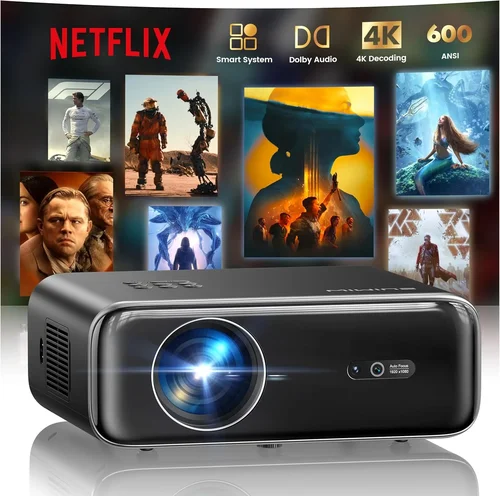
❌ Mistake: Ignoring Ambient Light Conditions
Why it’s bad: A projector rated for 1,200 lumens will look washed out on a bright patio, ruining the viewing experience.
What to do instead: Measure the typical lighting of your outdoor space. If you often watch after sunset, 1,500–2,000 lumens may suffice; otherwise, target 2,500+ lumens.
❌ Mistake: Overlooking Throw Distance
Why it’s bad: Buying a long‑throw projector for a small balcony forces you to place the unit far away, leading to a tiny image.
What to do instead: Calculate the distance you can realistically set up and choose a short‑throw or ultra‑short‑throw model that matches that space.
❌ Mistake: Forgetting About Audio Needs
Why it’s bad: Relying on built‑in speakers often results in tinny sound that can’t fill an outdoor area.
What to do instead: Pair the projector with a portable Bluetooth speaker or a small PA system for balanced audio.
❌ Mistake: Neglecting Weather Protection
Why it’s bad: A splash of rain or a gust of dust can short‑circuit a non‑sealed unit.
What to do instead: Choose a projector with an IP rating or invest in a weather‑proof canopy and a protective cover.
❌ Mistake: Buying Based Solely on Brand Name
Why it’s bad: Not all models from a reputable brand fit the outdoor niche; some are designed for dark home theaters only.
What to do instead: Compare specs side‑by‑side and read use‑case specific reviews.
❌ Mistake: Skipping Firmware Updates
Why it’s bad: Outdated firmware can cause connectivity glitches or limit performance.
What to do instead: Verify that the manufacturer provides regular updates and that the update process is straightforward.
Budget Guidelines: How Much Should You Spend?
Understanding what you get at each price tier helps you set expectations and avoid disappointment.
- Entry‑Level ($250‑$350): Expect 1,500–2,000 lumens, 720p resolution, basic HDMI connectivity, and modest fan noise. Ideal for casual movie nights in a dimly lit backyard.
- Mid‑Range ($351‑$450): Brightness climbs to 2,500–3,000 lumens, Full HD resolution becomes common, and you’ll see wireless streaming options plus better contrast ratios.
- Premium ($451‑$500): You’ll find laser light sources, 3,000+ lumens, enhanced color accuracy, and robust weather‑proof housings. These units can handle light‑filled evenings and frequent transport.
- Luxury ($501+): Though outside our primary focus, this bracket includes 4K projectors with 5,000+ lumens, dual‑laser tech, and integrated smart OS platforms.
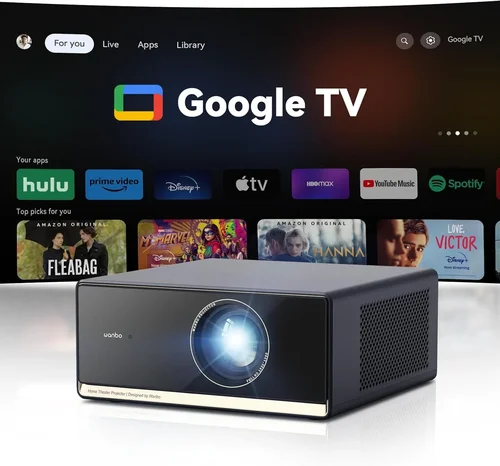
Expert Tips for Getting the Best Deal
- Timing is everything: Late summer sales (August‑September) target outdoor gear buyers, so you’ll see deeper discounts on projectors.
- Buy from authorized retailers: This ensures you get a valid warranty and access to official firmware updates.
- Bundle for savings: Look for packages that include a portable screen, HDMI cable, and a protective case—often cheaper than buying items separately.
- Check return policies: A 30‑day hassle‑free return window lets you test the projector in your actual outdoor setting.
- Consider refurbished units: Certified refurbished models can offer near‑new performance at 20‑30% less.
- Test before you commit: If possible, visit a local electronics store and view the projector on a white sheet outdoors to gauge brightness and color.
- Read the fine print on warranties: Some warranties exclude water damage—make sure you understand the coverage.

Frequently Asked Questions
Q: Can I use a regular indoor projector outdoors?
A: Technically you can, but indoor units lack the brightness and weather protection needed for outdoor environments. Expect a washed‑out image and risk damage from moisture.
Q: Do I need a special screen for outdoor projection?
A: A white, matte surface works fine for casual use. For the best contrast, consider a portable pull‑down screen with a gain of 1.1–1.3. Screens designed for outdoor use often have a water‑repellent coating.
Q: How far away should the projector be from the screen?
A: It depends on the throw ratio. A 1.5:1 throw ratio placed 12 ft away will produce a 100‑inch image. Short‑throw models can achieve the same size from 4‑5 ft.
Q: Will a projector’s lamp lifespan matter for occasional use?
A: Yes. LED and laser light sources typically last 20,000‑30,000 hours, far exceeding the 2,000‑4,000 hour life of traditional lamps. For occasional outdoor viewing, LED or laser is the smarter choice.
Q: Is HDMI the only way to connect my phone?
A: No. Many modern projectors support wireless casting via AirPlay, Miracast, or a built‑in Chromecast module. However, HDMI remains the most reliable for high‑resolution content.
Q: How loud are the fans on budget projectors?
A: Fan noise varies from 25 dB (very quiet) to 40 dB (noticeable). Look for models that advertise “quiet mode” or have a fan speed control.
Q: Can I power the projector with a portable battery?
A: Yes, as long as the battery pack can deliver the required voltage and wattage (typically 12 V / 5 A). Some manufacturers sell dedicated power banks for their units.
Q: Do I need to calibrate colors for outdoor use?
A: Basic calibration (brightness, contrast, color temperature) can improve image quality, especially in varying ambient light. Most projectors include preset modes like “Outdoor” or “Cinema” to simplify this.
Q: What is the ideal screen size for a backyard?
A: A 100‑120 inch diagonal works well for most patios. Larger screens require more throw distance and higher brightness to maintain image quality.
Q: Are there any safety concerns with projectors outdoors?
A: Keep the projector on a stable, level surface, away from direct sunlight, and ensure adequate ventilation. Use a surge protector to guard against power spikes.
Our Final Recommendations
- Best for Budget‑Conscious Buyers: Anker Nebula Capsule II – 720p, 2,000 lumens, Android TV built‑in, compact design, price around $299.
- Best Overall Value: ViewSonic M2 – 1080p, 1,200 lumens (laser), Wi‑Fi, Bluetooth, built‑in Harman Kardon speakers, priced at $449.
- Best Premium Option Under $500: Epson PowerLite 1795F – 3,200 lumens, Full HD, long‑throw, robust metal housing, typically $489.
- Best for Beginners: BenQ GS2 – 720p, 2,000 lumens, splash‑proof, built‑in battery, user‑friendly UI, $329.
- Best for Advanced Users: Optoma GT1080HDR – 3,800 lumens, 1080p, short‑throw (0.5:1), HDR support, ideal for gaming and high‑action movies, $499.
Conclusion: Making the Right Choice
Finding the best outdoor projector under $500 boils down to balancing brightness, resolution, durability, and connectivity with the specific conditions of your viewing area. Remember to assess ambient light, throw distance, and weather exposure before zeroing in on a model.
Use the checklist and budget guide above to narrow your options, avoid the common pitfalls, and leverage the expert tips for the best possible deal. Once you’ve selected a projector that meets your priorities, you’ll be ready to transform any evening into a memorable cinema experience—no matter where you set up the screen.
Now that you’re equipped with the knowledge, go ahead and pick the projector that fits your lifestyle, and start planning those backyard movie marathons!