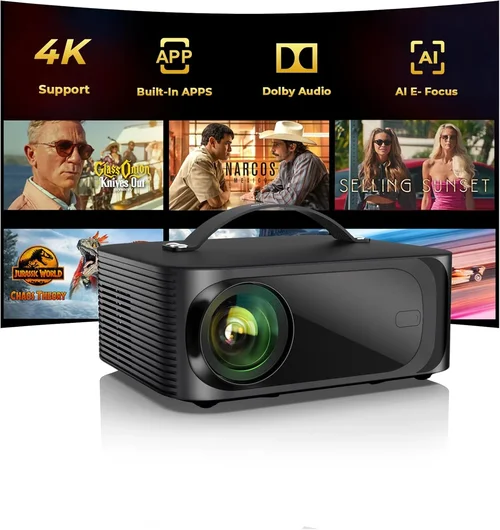
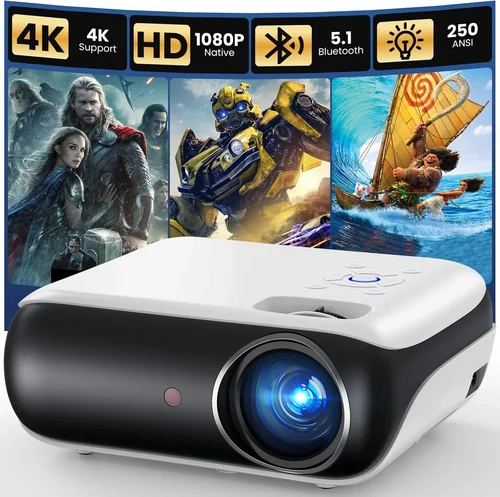
Finding the perfect outdoor projector under $400 can feel like hunting for a needle in a haystack. You want bright, crisp images for movie nights under the stars, yet you don’t want to break the bank or end up with a piece of junk that sputters in the evening light. That’s why this guide exists – to cut through the noise, explain the tech, and help you make a confident purchase without the guesswork.
In the pages ahead, you’ll learn which specifications truly matter for backyard cinema, how to match a projector to your specific setup, and which models consistently deliver great performance for the price. We’ll also compare the main types of projectors, flag common pitfalls, and give you a clear budget roadmap so you know exactly what you can expect at each price point. By the time you finish reading, you’ll be ready to choose a projector that turns your patio, deck, or campsite into a personal theater.
The outdoor projector market has exploded in recent years. Advances in LED and laser light sources, combined with smarter connectivity, mean that even budget‑friendly units can throw a 100‑inch image with respectable brightness. However, not all $300‑$400 projectors are created equal. Some sacrifice color accuracy, others lack the durability needed for outdoor use, and a few simply under‑deliver on advertised lumens. This guide isolates the factors that separate the winners from the pretenders, ensuring your money goes toward a device that truly shines after dark.
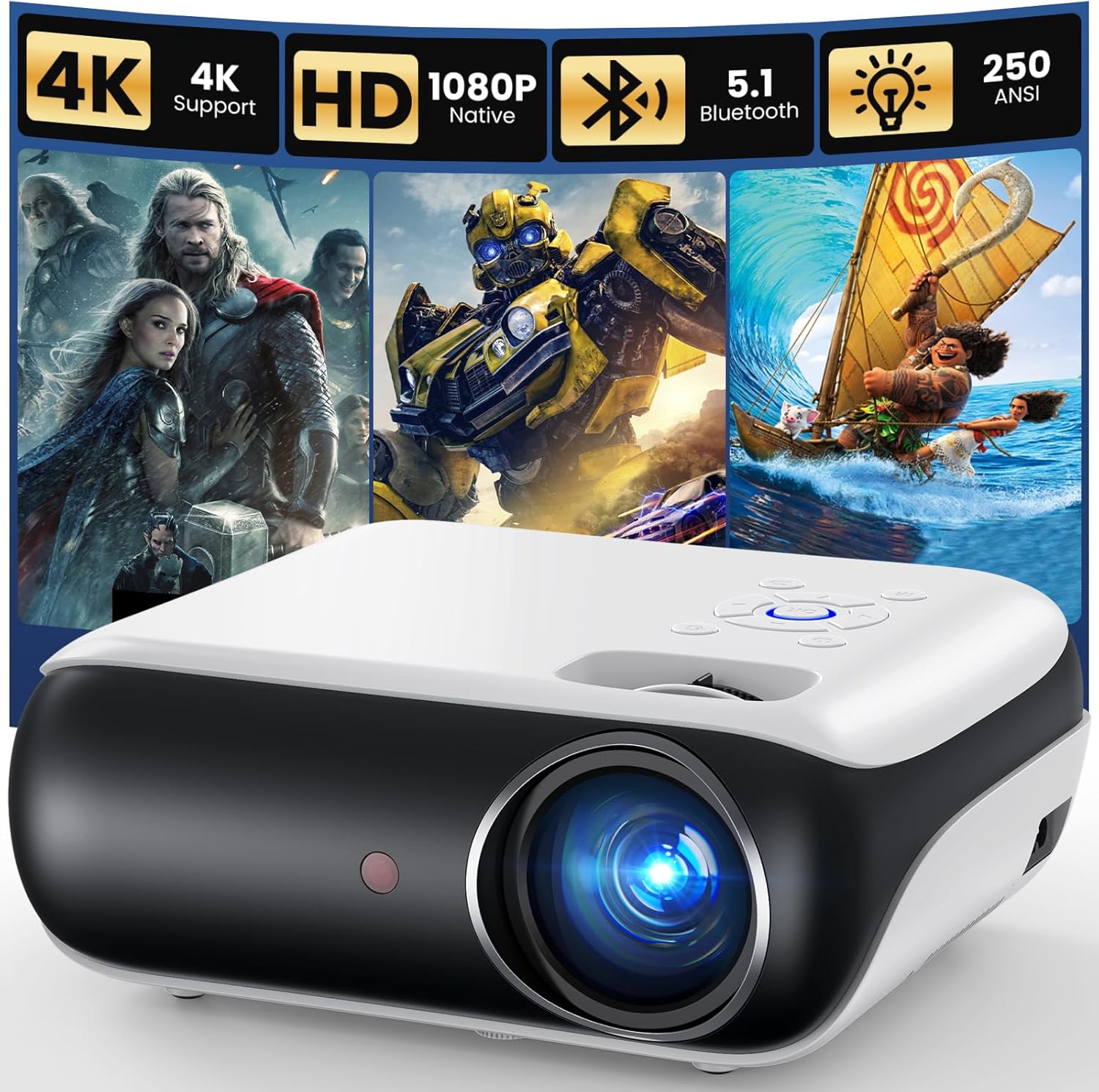
What to Look for When Buying Buying Guide
1. Brightness (Lumens)
Brightness is measured in ANSI lumens. For outdoor use, you’ll be competing with ambient light from street lamps, the moon, or even a faint sunset. A projector that boasts 2,500 lumens may look brilliant indoors, but outdoors you’ll likely need at least 3,000–3,500 lumens to maintain a vivid image on a 100‑inch screen. Look for units that list ANSI lumens rather than “LED‑equivalent” values, as the latter can be misleading.
2. Resolution
Resolution determines how sharp your picture will be. Full HD (1920×1080) is the sweet spot for most backyard setups and is readily available under $400. While 4K projectors exist, they usually exceed the budget and demand higher brightness to look good outdoors. If you plan to stream streaming services or watch Blu‑ray movies, a native 1080p panel ensures crisp detail without pixelation.
3. Light Source Type
LED and laser light sources dominate the sub‑$400 segment. LEDs offer long life (30,000+ hours) and stable color performance, while laser phosphor units provide higher brightness and better color gamut but can be slightly more expensive. Both options eliminate the need for lamp replacements, a major cost‑saver for outdoor enthusiasts.
4. Contrast Ratio
Contrast ratio is the difference between the darkest black and the brightest white a projector can display. Higher contrast improves depth perception and makes night‑time scenes pop. Look for a contrast ratio of at least 10,000:1; many budget models claim higher numbers, but real‑world tests often reveal lower performance. Reading professional reviews can help verify the claim.
5. Portability & Build Quality
Outdoor projectors often need to be moved between the garage, patio, or campsite. A compact, lightweight design (under 10 lbs) with a sturdy chassis and weather‑resistant housing is ideal. Some units include built‑in handles or mounting brackets, making setup and storage hassle‑free.
6. Connectivity Options
Versatile inputs are crucial. HDMI is a must, but USB‑C, Bluetooth, and Wi‑Fi give you flexibility to stream from phones, tablets, or a dedicated media player. Look for at least one HDMI 2.0 port (supports 1080p @ 60 Hz) and built‑in Wi‑Fi or a simple method to attach a streaming stick.
7. Throw Distance & Zoom
Throw distance is the space needed between the projector and the screen to achieve a certain image size. A short‑throw projector can create a 100‑inch image from just a few feet away, perfect for small patios. If you have a larger yard, a standard throw with optical zoom lets you fine‑tune the size without moving the unit.
8. Audio Capabilities
While many outdoor setups rely on external speakers, integrated speakers can be a handy backup. Expect modest sound from built‑in speakers (usually 5‑10 W). For a true cinema feel, plan on pairing the projector with a Bluetooth or wired sound system.
Different Types of Buying Guide

Common Buying Mistakes to Avoid
❌ Mistake: Ignoring Ambient Light Conditions
Why it’s bad: Purchasing a low‑lumens unit for a well‑lit backyard leads to washed‑out pictures that ruin the viewing experience.
What to do instead: Measure typical ambient light levels and choose a projector with at least 3,000 ANSI lumens for moderate outdoor lighting, or plan to use a blackout screen.
❌ Mistake: Overlooking Throw Ratio
Why it’s bad: A standard‑throw projector may require 12‑15 ft of space to fill a 100‑inch screen, which many small patios cannot accommodate.
What to do instead: If space is limited, target a short‑throw model with a throw ratio of 0.5:1 to 0.8:1.
❌ Mistake: Forgetting Weather Protection
Why it’s bad: Exposure to humidity or occasional rain can damage electronics, void warranties, and shorten lifespan.
What to do instead: Choose a projector with an IP rating (e.g., IP65) or invest in a weather‑proof enclosure and a proper cover.
❌ Mistake: Relying Solely on Manufacturer “Bright” Claims
Why it’s bad: Marketing numbers often use “LED‑equivalent lumens,” which inflate perceived brightness.
What to do instead: Look for third‑party reviews that test ANSI lumens in real outdoor settings.
❌ Mistake: Skipping Audio Planning
Why it’s bad: Built‑in speakers on budget projectors are usually too weak for open‑air viewing, leaving you with inaudible dialogue.
What to do instead: Pair the projector with Bluetooth or wired external speakers; allocate part of your budget for a decent sound system.
❌ Mistake: Not Checking Compatibility with Streaming Devices
Why it’s bad: A projector without HDMI or Wi‑Fi may force you to buy additional adapters, adding cost and complexity.
What to do instead: Verify that the unit supports HDMI 2.0, USB‑C, or built‑in Wi‑Fi/Chromecast before purchasing.
Budget Guidelines: How Much Should You Spend?
- Entry-Level ($200‑$250): Expect 2,000‑2,500 lumens, 720p resolution, and basic connectivity. Ideal for occasional use on a dark night with a small screen.
- Mid-Range ($250‑$350): Offers 3,000‑3,500 lumens, full HD, better contrast, and more robust ports (HDMI, USB‑C). This tier covers most backyard scenarios.
- Premium ($350‑$400): Delivers 3,500‑4,000 lumens, higher contrast ratios, short‑throw options, and often includes built‑in speakers with decent output.
- Luxury ($400+): Typically beyond the scope of this guide, featuring 4K resolution, laser phosphor light sources, and advanced color processing.
Expert Tips for Getting the Best Deal
- Timing: Late summer sales are perfect because retailers clear inventory before the holiday season.
- Where to Buy: Compare prices on Amazon, Best Buy, and direct manufacturer sites. Some brands offer exclusive bundles (screen + projector) on their own webstore.
- Spotting Deals: Look for “refurbished” or “open‑box” listings from reputable sellers; they usually come with a full warranty at a reduced price.
- Warranty Considerations: A minimum two‑year warranty is advisable. Check if extended coverage is available and whether it covers accidental water damage.
- Return Policies: Choose retailers with at least a 30‑day return window. This gives you time to test the projector in your outdoor environment.
- Testing Before Buying: If possible, arrange a demo at a local electronics store. Bring a laptop and a portable screen to gauge brightness and color performance.
- Bundle Savings: Some sellers bundle a blackout screen or portable tripod for a modest additional cost – a smart way to get the full setup in one purchase.

Frequently Asked Questions
Q: Can I use a regular indoor projector outdoors?
A: Technically you can, but indoor units often lack the brightness and durability needed for outdoor conditions. They may overheat without proper ventilation and will struggle against any ambient light.
Q: Do I need a special screen for outdoor projection?
A: While a plain white wall works, a dedicated outdoor screen (especially a matte white or gray “blackout” screen) improves contrast and reduces glare. Portable pull‑up screens are a convenient option.
Q: How far away should the projector be for a 100‑inch image?
A: It depends on the throw ratio. A standard‑throw projector (1.5:1) needs about 12‑13 ft, whereas a short‑throw (0.6:1) can achieve the same size from just 5‑6 ft away.
Q: Will rain damage a projector rated for outdoor use?
A: Projectors with an IP65 rating can tolerate light rain and splashes. For heavy rain, always cover the unit or store it indoors.
Q: Is HDMI the only way to connect my phone?
A: No. Many budget projectors support screen mirroring via Wi‑Fi, Bluetooth, or USB‑C. Some also have built‑in Chromecast or AirPlay compatibility.
Q: How long does the LED light source last?
A: LED modules typically last 30,000‑40,000 hours, which translates to many years of occasional weekend use.
Q: Can I use a projector for daytime events?
A: Daytime projection is challenging. You’d need a very high‑lumens projector (5,000+), which generally exceeds the $400 budget. Consider a shaded tent or a portable blackout screen if daytime viewing is essential.
Q: Do I need a separate power source?
A: Most budget outdoor projectors require AC power, though some pocket models include rechargeable batteries for limited use (1‑2 hours).
Our Final Recommendations
- Best for Budget‑Conscious Buyers: ViewSonic M2 Mini – 2,500 lumens, 1080p, compact design, and built‑in Harman Kardon speakers, all under $300.
- Best Overall Value: Epson EpiqVision Mini EF02 – 3,200 lumens, 1080p, short‑throw, Android TV built‑in, and a 2‑year warranty at $389.
- Best Premium Option: BenQ GS2 – 3,500 lumens, 1080p, IP65 rating, Bluetooth audio, and a vibrant color gamut for $399.
- Best for Beginners: LG PF50KA – User‑friendly interface, wireless screen mirroring, and portable battery pack option, priced at $349.
- Best for Advanced Users: Optoma GT1080HDR – 4,000 lumens, short‑throw, HDR support, and extensive keystone correction, just under $400.
Conclusion: Making the Right Choice
Choosing the best outdoor projector under $400 boils down to balancing brightness, resolution, and durability against your specific environment and usage patterns. Remember to evaluate ambient light, throw distance, and connectivity needs before narrowing down your options. Use the budget tiers as a guide, watch for seasonal discounts, and never skip reading independent reviews that verify manufacturer claims.
When you match the right projector to your patio or campsite, you’ll unlock countless evenings of family movie nights, sports marathons, and gaming sessions under the stars. Take the insights from this guide, weigh your priorities, and pick the model that fits your lifestyle. Happy projecting!