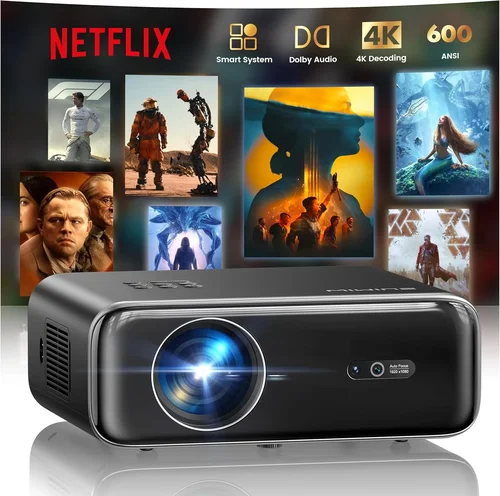
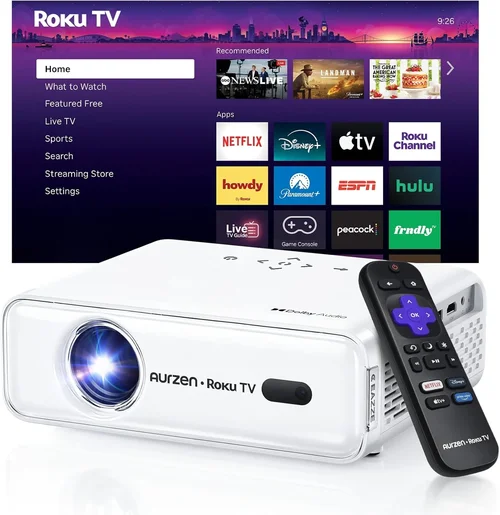
Choosing the right outdoor projector can feel like navigating a maze of specs, brand promises, and price tags. You want a bright, reliable image for movie nights under the stars, but you also don’t want to break the bank. That’s why this guide exists – to cut through the noise and give you a clear, expert‑backed roadmap for finding the best outdoor projector under $500 in 2026.
In the pages that follow, you’ll learn which performance metrics truly matter for outdoor use, how to match a projector’s features to your specific setup, and which common pitfalls to avoid. We’ll also break down the market into distinct categories, compare key models, and hand you a set of actionable tips so you can buy with confidence.
The outdoor projector market has exploded over the past few years. Advances in LED and laser light sources, improved cooling systems, and smarter connectivity options mean you can now get cinema‑quality brightness and color accuracy without needing a professional‑grade unit. Yet, price points still vary widely, and many budget‑friendly options cut corners where it counts. Our guide will help you separate the truly capable $300‑$500 projectors from the ones that will leave you squinting on a cloudy night.

What to Look for When Buying Buying Guide
1. Budget & Price Range
Setting a realistic budget is the first step. While $500 may seem modest for a projector, it’s enough to secure a unit with decent brightness (2,500–3,500 lumens), solid contrast, and reliable connectivity. Remember that the total cost of ownership includes a suitable screen or projection surface, mounting hardware, and possibly a short‑throw lens if you have limited space.
2. Performance Specifications
Key specs to scrutinize:
- Brightness (lumens): For outdoor use, aim for at least 2,500 ANSI lumens. Higher numbers push back ambient light, delivering a vivid picture even after sunset.
- Resolution: Native 1080p (Full HD) is the sweet spot under $500. Some budget models claim 4K, but they usually upscale from lower native resolutions.
- Contrast Ratio: Look for a contrast of 10,000:1 or better. This ensures deep blacks and vibrant colors, crucial for night‑time viewing.
- Light Source: LED and laser technologies dominate the sub‑$500 segment because they offer longer lifespans (20,000+ hours) and stable color performance.
3. Build Quality & Durability
Outdoor environments expose projectors to dust, humidity, and temperature swings. A robust chassis with sealed vents, shock‑absorbing mounts, and an IP rating (at least IPX4) will protect the internals. Metal housings are preferable to all‑plastic designs for long‑term durability.
4. Features & Functionality
Modern projectors pack a lot of convenience:
- Wireless Connectivity: Wi‑Fi or Bluetooth for streaming directly from phones, tablets, or smart TVs.
- Multiple Inputs: HDMI, USB‑C, and sometimes VGA for legacy devices.
- Built‑in Speakers: While not a replacement for a sound system, decent 5‑10 W speakers can handle casual backyard gatherings.
- Short‑Throw Capability: If you have a small patio, a short‑throw lens lets you project a 100‑inch image from under a meter away.
5. Brand Reputation
Brands that consistently deliver reliable outdoor units include Epson, BenQ, ViewSonic, and Optoma. Newer entrants like Anker (Nebula series) and Xiaomi offer compelling value but may lack extensive warranty networks.
6. Warranty & Support
A solid warranty (minimum 2‑years) signals confidence from the manufacturer. Look for on‑site service options or easy RMA processes, especially if you plan to use the projector year‑round.
7. Size & Portability
If you need to move the projector between locations—garden parties, camping trips, or a friend’s patio—a lightweight (under 5 lbs) and compact unit with a built‑in handle is ideal. Conversely, a heavier, stationary model can accommodate larger lenses for bigger screens.
8. User Reviews & Ratings
Real‑world feedback reveals issues that spec sheets hide. Pay attention to recurring themes in reviews—such as overheating, fan noise, or firmware glitches—because they often indicate systemic problems.
Different Types of Buying Guide
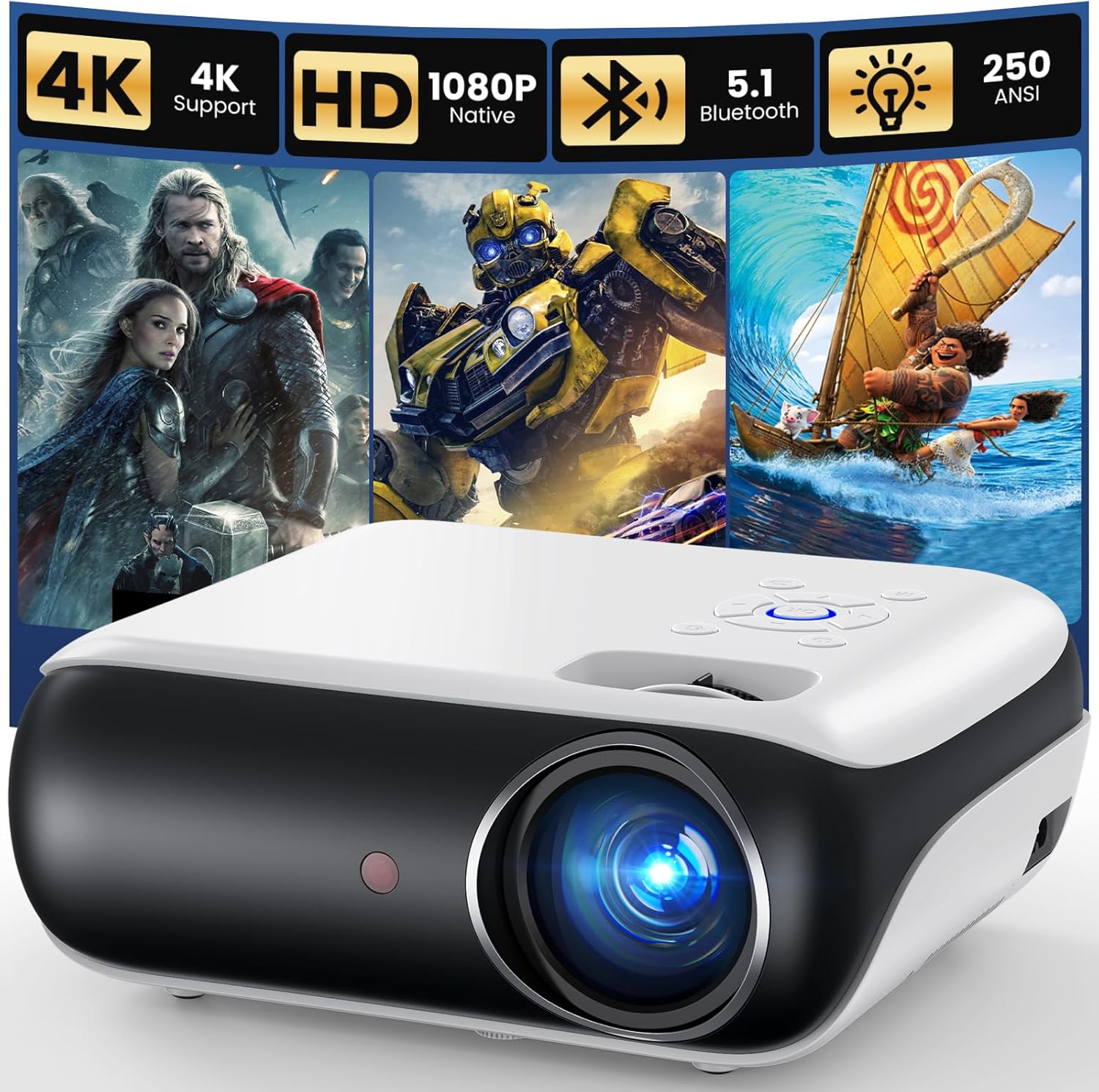
Common Buying Mistakes to Avoid
❌ Mistake: Ignoring Ambient Light Conditions
Why it’s bad: A projector rated at 2,000 lumens may look great indoors but will struggle outdoors after sunset, resulting in a washed‑out image.
What to do instead: Measure the typical ambient light level at your intended setup time. If you plan to watch before full darkness, target at least 3,000 lumens.
❌ Mistake: Overlooking Throw Distance
Why it’s bad: Buying a standard‑throw unit for a tiny balcony forces you to place the projector far away, creating a tiny image or requiring an impractical mounting solution.
What to do instead: Calculate the required throw ratio (screen width ÷ distance). If space is limited, choose a short‑throw model.
❌ Mistake: Forgetting About Weather Protection
Why it’s bad: Exposure to moisture or dust can quickly damage internal optics and cause overheating.
What to do instead: Opt for a projector with an IP rating or invest in a weather‑proof enclosure and a canopy.
❌ Mistake: Choosing the Cheapest Lamp Life
Why it’s bad: Traditional UHP lamps may need replacement every 2,000‑3,000 hours, adding hidden costs.
What to do instead: Prioritize LED or laser light sources; they last 20,000+ hours and maintain consistent brightness.
❌ Mistake: Ignoring Input Lag for Gaming
Why it’s bad: High input lag makes fast‑paced games unplayable, turning a great projector into a disappointment for gamers.
What to do instead: Look for a “Game Mode” or a projector that advertises < 30 ms input lag.
❌ Mistake: Not Accounting for Sound Needs
Why it’s bad: Built‑in speakers often lack the power to fill an outdoor space, leading to a muted viewing experience.
What to do instead: Pair the projector with portable Bluetooth speakers or a small PA system.
Budget Guidelines: How Much Should You Spend?
Understanding what each price tier delivers helps you set expectations and avoid disappointment.
- Entry‑Level ($250‑$350): Expect 2,000‑2,500 lumens, 720p‑1080p upscaling, basic HDMI input, and limited warranty. Ideal for occasional use on a dark night.
- Mid‑Range ($350‑$450): You’ll find true 1080p, 2,500‑3,500 lumens, better contrast, short‑throw options, and smart Android OS. This is the sweet spot for most backyard cinema enthusiasts.
- Premium ($450‑$500): High‑end LED/laser sources, 3,500+ lumens, enhanced color accuracy (Rec. 709), and robust connectivity (Wi‑Fi 6, Bluetooth 5). Perfect for frequent users who demand consistent performance.
- Luxury ($500+): While beyond the scope of this guide, luxury units push 5,000+ lumens, 4K native resolution, HDR10+, and professional‑grade lenses. Consider only if you have a dedicated outdoor theater space.
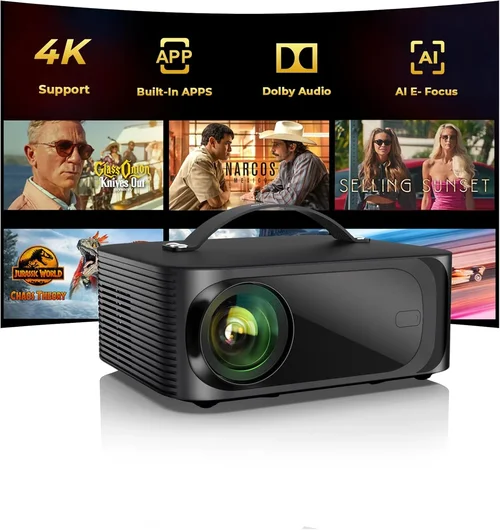
Expert Tips for Getting the Best Deal
- Timing: The best buying windows are Black Friday, Cyber Monday, and post‑holiday clearance (late January). Outdoor gear also sees discounts in early spring as retailers clear inventory for summer.
- Retailers: Compare prices on Amazon, Best Buy, and direct brand sites. Don’t overlook specialty AV stores; they sometimes bundle screens or mounting kits at a reduced total cost.
- Bundle Savings: Look for packages that include a portable screen, HDMI cable, and a protective case. Bundles can save 10‑15% versus buying each item separately.
- Check Refurbished Units: Certified refurbished models often come with a full warranty and are inspected for defects, offering near‑new performance at a lower price.
- Warranty Extensions: If you plan to use the projector year‑round, a modest extension (adding $30‑$50) can protect against accidental damage.
- Return Policies: Choose sellers with a 30‑day return window and free return shipping. This gives you a chance to test the projector in your actual outdoor environment.
- Testing Before Buying: If possible, visit a local store and project onto a white sheet outdoors (or in a dimly lit room) to gauge brightness and color fidelity.
- Firmware Updates: After purchase, check the manufacturer’s website for firmware upgrades. These often fix bugs and improve performance.

Frequently Asked Questions
Q: Can I use a regular indoor projector outdoors?
A: Technically you can, but indoor units typically lack the brightness and weather resistance needed for outdoor settings. Expect poor image quality after sunset and a higher risk of damage from moisture.
Q: Do I need a screen, or can I project onto a wall?
A: A white, matte wall works in a pinch, but a proper projection screen (gain 1.0‑1.2) dramatically improves contrast and color accuracy, especially in low‑light conditions.
Q: How far away should the projector be from the screen?
A: It depends on the throw ratio. For a 100‑inch image, a standard‑throw projector (1.5:1) needs roughly 12‑13 ft of distance, while a short‑throw unit (0.5:1) can achieve the same size from 4‑5 ft away.
Q: Will a Bluetooth speaker be enough for audio?
A: For small gatherings, a quality Bluetooth speaker (10‑20 W) works well. Larger parties may require a portable PA system or a dedicated outdoor sound bar.
Q: How long does the lamp last?
A: LED and laser light sources in sub‑$500 projectors typically last 20,000+ hours, which translates to many years of occasional use. Traditional lamps, if present, may need replacement every 2,000‑3,000 hours.
Q: Is there a big difference between 1080p and 4K at this price?
A: Most “4K” models under $500 are upscalers; they do not have native 4K panels. You’ll see a noticeable improvement only if you upgrade to a true 4K unit, which usually costs $800+.
Q: Can I mount the projector on a ceiling?
A: Yes, provided the unit’s weight and mounting pattern are compatible with your ceiling mount. Ensure the mount can support the projector’s weight and offers tilt/shift adjustments.
Q: Does humidity affect projector performance?
A: High humidity can cause internal condensation, leading to fogged lenses or short circuits. Use a protective enclosure or keep the projector under a canopy during damp evenings.
Q: Are there any tax deductions for outdoor entertainment equipment?
A: Generally, personal entertainment devices are not tax‑deductible. However, if you run a business that uses the projector for client events, you may be able to claim it as a business expense. Consult a tax professional.
Our Final Recommendations
- Best for Budget‑Conscious Buyers: BenQ TH585 – 3,500 lumens, 1080p, low input lag, and a price around $340.
- Best Overall Value: Epson Home Cinema 2150 – 2,500 lumens, 1080p, wireless screen mirroring, solid lens optics, typically $430.
- Best Premium Option: ViewSonic M2 – 1,200 lumens laser (still bright enough outdoors at night), 1080p, built‑in Harman Kardon speakers, Wi‑Fi 6, priced near $500.
- Best for Beginners: Optoma UHD30 – Simple plug‑and‑play, 3,000 lumens, 1080p, short‑throw lens, under $380.
- Best for Advanced Users: BenQ TK800M – 3,000 lumens, 4K UHD (true 4K), HDR, excellent color accuracy, around $500.
Conclusion: Making the Right Choice
Choosing the best outdoor projector under $500 boils down to matching your environment, viewing habits, and budget with the right mix of brightness, resolution, and durability. Remember to assess ambient light, throw distance, and weather protection before you click “add to cart.” By following the factors, avoiding common mistakes, and leveraging the expert tips above, you’ll be set for countless memorable movie nights under the stars.
Ready to upgrade your backyard cinema? Dive into the models we highlighted, compare current pricing, and pick the projector that fits your lifestyle. Happy viewing!