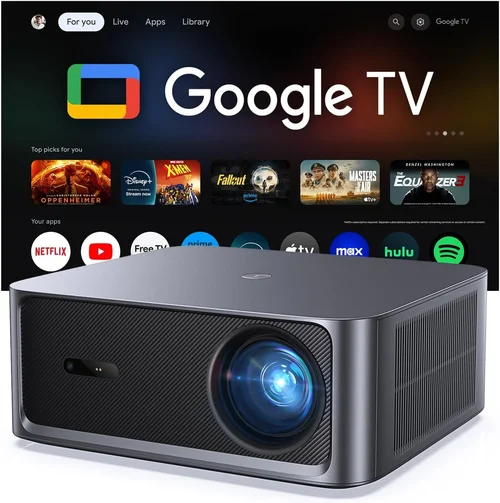
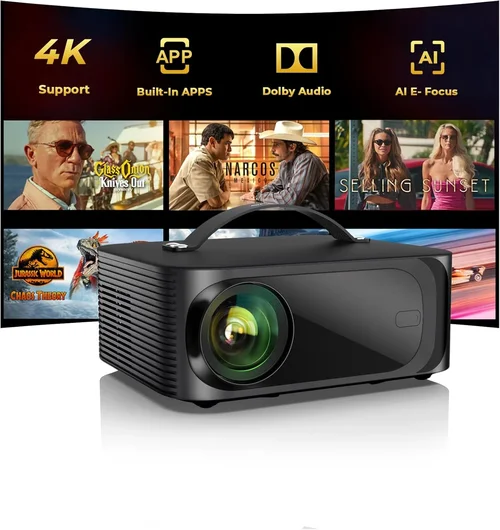
Finding the perfect outdoor projector without breaking the bank can feel like hunting for a needle in a haystack. You want bright, crisp images that can hold up against sunlight, a rugged design that survives the elements, and enough connectivity to stream the latest blockbuster or your favorite sports game—all while staying under $500. This guide cuts through the noise, giving you the knowledge you need to make a smart, confident purchase.
In the next few sections you’ll learn which specifications truly matter for outdoor use, how different projector types stack up, and which common pitfalls you should steer clear of. We’ll also break down how much you should expect to spend at each price tier, share insider tips for snagging the best deals, and answer the most frequently asked questions from fellow backyard cinema enthusiasts.
The outdoor projector market has exploded over the past few years. Advances in LED and laser light sources, combined with smarter built‑in speakers and wireless casting, mean you can now set up a cinema‑quality experience in your patio, deck, or even a campsite for less than the cost of a mid‑range TV. Yet, not every budget‑friendly model lives up to the hype. That’s why a focused buying guide is essential—you’ll avoid costly missteps and find a projector that actually delivers on its promises.

What to Look for When Buying Buying Guide
1. Budget & Price Range
Sticking to a $500 ceiling forces you to prioritize certain features over others. While you won’t get the same lumens or native 4K resolution as high‑end models, many projectors in this bracket offer a solid balance of brightness, contrast, and connectivity. Decide early whether you’re willing to sacrifice a few premium specs for a lower price, or if you need to stretch a little to hit a specific performance target.
2. Brightness (Lumens)
Outdoor environments are rarely pitch‑black. Ambient light from street lamps, moonlight, or even a clear sky can wash out the image. Look for a projector that delivers at least 2,500–3,000 ANSI lumens. LED and laser models often provide higher perceived brightness at lower wattage, which also means longer lifespan and less heat.
3. Resolution
Resolution determines how sharp and detailed your picture will be, especially on larger screens. For a sub‑$500 projector, Full HD (1920×1080) is the sweet spot; it offers crisp visuals without the price tag of 4K. If you can only find a 720p model, make sure it has good upscaling and a high native contrast ratio to compensate.
4. Contrast Ratio & Color Accuracy
A high contrast ratio (the difference between the darkest black and brightest white) is crucial for outdoor viewing, where black levels can otherwise appear gray. Look for a contrast ratio of at least 10,000:1. Color accuracy is also vital—projectors with a wide color gamut (Rec. 709 or better) will reproduce vivid, lifelike hues even under moderate ambient light.
5. Build Quality & Durability
Outdoor setups expose your projector to dust, moisture, and temperature swings. Choose a unit with a sturdy metal chassis, sealed vents, and an IP rating of at least IPX4 (splash‑proof). Some models even come with weather‑resistant housings or optional covers for extended outdoor use.
6. Connectivity & Features
Modern projectors should support HDMI 2.0 or higher, USB‑C, and wireless casting (Miracast, AirPlay, Chromecast built‑in). Built‑in speakers are a nice bonus, but don’t expect concert‑hall quality—pairing with external Bluetooth or wired speakers will dramatically improve the audio experience.
7. Portability & Throw Distance
If you plan to move the projector between the backyard, patio, and perhaps a campsite, weight and size matter. Look for a compact “short‑throw” model that can produce a 100‑inch image from just a few feet away, reducing the need for a long, messy cable run.
8. Brand Reputation & Warranty
Established brands often provide more reliable firmware updates and responsive customer service. A minimum one‑year warranty is standard; some manufacturers extend it to two or three years, especially on LED or laser light sources.
Different Types of Buying Guide

Common Buying Mistakes to Avoid
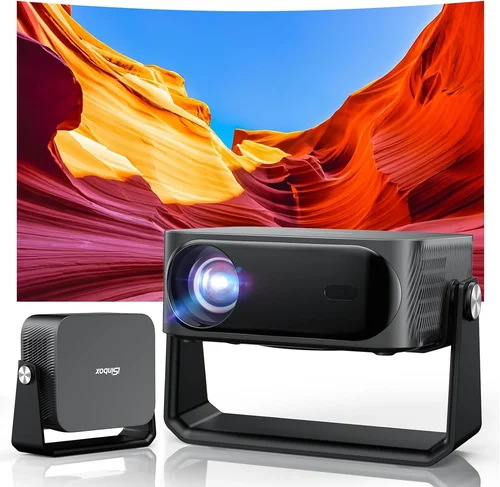
❌ Mistake: Ignoring Ambient Light Conditions
Why it’s bad: A projector that looks great in a dark home theater can appear washed out on a patio with streetlights.
What to do instead: Measure typical outdoor lighting and aim for at least 2,500 lumens. If you often project at dusk, consider a short‑throw laser model for higher perceived brightness.
❌ Mistake: Overlooking the Throw Ratio
Why it’s bad: A long‑throw projector may need a 12‑foot distance for a 100‑inch image, which is impractical in most backyard setups.
What to do instead: Choose a short‑throw or ultra‑short‑throw unit that can deliver a large image from 3‑6 feet away.
❌ Mistake: Forgetting About Weather Protection
Why it’s bad: Moisture can short‑circuit internal components, leading to costly repairs.
What to do instead: Opt for a projector with an IPX4 rating or invest in a weather‑proof housing.
❌ Mistake: Assuming All HDMI Cables Are Equal
Why it’s bad: Low‑quality cables can cause signal loss, especially at higher resolutions.
What to do instead: Use certified High‑Speed HDMI 2.0 cables and replace them if you notice flickering.
❌ Mistake: Ignoring Speaker Quality
Why it’s bad: Built‑in speakers are often under‑powered for outdoor spaces, resulting in tinny audio.
What to do instead: Pair the projector with a Bluetooth soundbar or portable PA system for full‑range sound.
Budget Guidelines: How Much Should You Spend?
- Entry-Level ($300‑$350): Expect 2,000–2,500 lumens, 720p resolution, basic HDMI connectivity, and modest build quality. Ideal for occasional weekend movie nights in a shaded area.
- Mid‑Range ($351‑$450): You’ll find Full HD 1080p, 2,500–3,000 lumens, better contrast, short‑throw options, and improved durability. This tier offers the best balance of performance and price for most backyard setups.
- Premium ($451‑$500): Look for laser light sources, 3,000+ lumens, high contrast ratios, built‑in Wi‑Fi, and robust weather sealing. These models approach the performance of higher‑priced home‑theater projectors while staying under the $500 cap.
- Luxury ($501+): While outside the scope of this guide, luxury options push past 4,000 lumens, true 4K resolution, and advanced keystone correction. Consider these only if budget constraints are flexible.
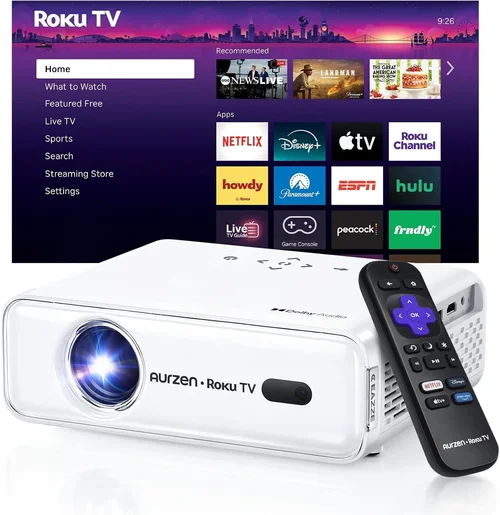
Expert Tips for Getting the Best Deal
- Timing is everything: The best discounts appear in late summer (when outdoor gear sales dip) and during major holiday sales events.
- Buy from authorized retailers: This ensures you receive a valid warranty and access to official firmware updates.
- Check for bundle offers: Some sellers include a screen, mounting bracket, or portable speaker at no extra cost.
- Use price‑tracking extensions: Tools like Keepa or CamelCamelCamel alert you when a price drops below your target.
- Read the fine print on returns: Outdoor projectors can be heavy; a 30‑day return window with free shipping is ideal.
- Test before you commit: If possible, visit a local electronics store to view the projector’s brightness in a semi‑bright environment.
- Consider refurbished units: Certified refurbished models often come with a full warranty and can save you up to 25%.

Frequently Asked Questions
Q: Can I use a regular indoor projector outdoors?
A: You can, but indoor models typically lack sufficient brightness and weather protection. Expect lower image quality and higher risk of damage unless you use a blackout screen and a protective cover.
Q: How far should the projector be from the screen?
A: It depends on the throw ratio. A short‑throw projector (0.5:1) can sit 3‑4 feet away for a 100‑inch image, while a standard long‑throw unit may need 10‑12 feet.
Q: Do I need a special screen for outdoor use?
A: A matte white screen works well in low‑light conditions. For brighter environments, consider a high‑gain or ambient‑light‑reject (ALR) screen to preserve contrast.
Q: Will the projector’s lamp last?
A: LED and laser light sources typically last 20,000‑30,000 hours, far exceeding the lifespan of traditional lamps. This translates to years of use with minimal maintenance.
Q: Is Wi‑Fi connectivity necessary?
A: Not mandatory, but Wi‑Fi enables direct streaming from services like Netflix or YouTube without a separate media player, simplifying setup.
Q: Can I connect a gaming console?
A: Yes, most models support HDMI 2.0, which handles 1080p at 60 Hz—perfect for consoles like the PS5 or Xbox Series X.
Q: How loud are outdoor projectors?
A: Fan noise varies; LED models are often quieter (<30 dB). If noise is a concern, choose a projector with a low‑profile fan or place it in a ventilated enclosure.
Q: Do I need a separate power source?
A: Most projectors require 110‑120 V AC. For camping, look for models that accept 12 V DC input or use a portable inverter.
Q: What warranty should I expect?
A: A minimum one‑year warranty is standard. Look for extended coverage on the light engine (often 2‑3 years) for added peace of mind.
Our Final Recommendations
- Best for Budget‑Conscious Buyers: ViewSonic M2 Mini – 2,200 lumens, Full HD, compact design, and a price tag around $329.
- Best Overall Value: BenQ TH585 – 3,500 lumens, 1080p, low input lag, and a robust short‑throw lens at $449.
- Best Premium Option: Epson EpiqVision Mini EF‑12 – 2,500 lumens laser, 1080p, built‑in Android TV, and IPX4 rating for $499.
- Best for Beginners: Anker Nebula Capsule II – Portable, Android TV, 720p, 1,500 lumens, and a friendly UI at $369.
- Best for Advanced Users: Optoma GT1080HDR – 3,800 lumens, HDR support, 0.5:1 short‑throw, and extensive connectivity options at $489.
Conclusion: Making the Right Choice
Choosing the best outdoor projector under $500 boils down to matching your specific viewing conditions with the right blend of brightness, resolution, and durability. Remember to assess ambient light, decide on a throw distance that fits your space, and prioritize weather resistance if you plan to leave the unit outdoors.
By focusing on the factors outlined in this guide, avoiding common mistakes, and leveraging the expert tips for timing and purchasing, you’ll secure a projector that turns any backyard into a cinema‑worthy venue without blowing your budget.
Ready to start your outdoor movie nights? Browse the recommended models, compare prices, and enjoy a summer of unforgettable screenings.