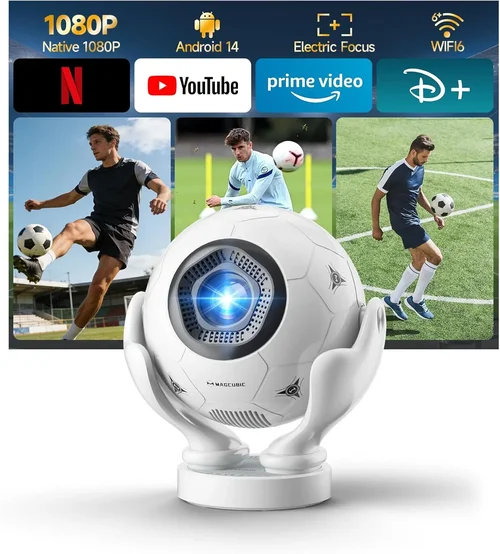
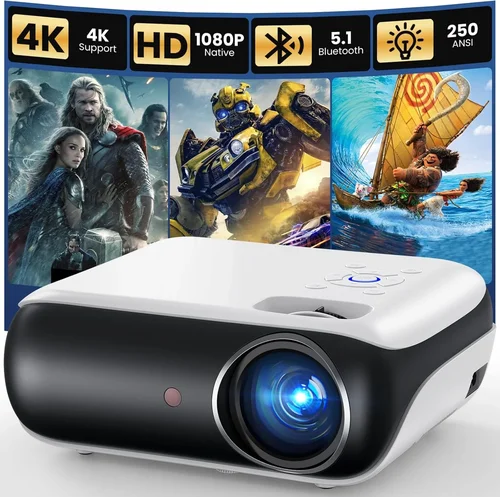
Finding a projector that fits in a backpack, delivers a clear picture, and doesn’t break the bank can feel like hunting for a unicorn. Yet the market for portable projectors under $150 has exploded, offering models that are surprisingly capable for movie nights, presentations, or impromptu gaming sessions. This guide cuts through the noise, helping you understand what matters most so you can pick a device that truly works for you.
By the end of this article you will know which specifications to prioritize, how the different projector types stack up against each other, and which common pitfalls to avoid. Whether you’re a college student setting up a dorm‑room cinema, a traveling professional needing a quick‑setup slide deck, or a family looking for a budget‑friendly backyard movie solution, the insights here will point you toward the best portable projector under $150 for your specific needs.
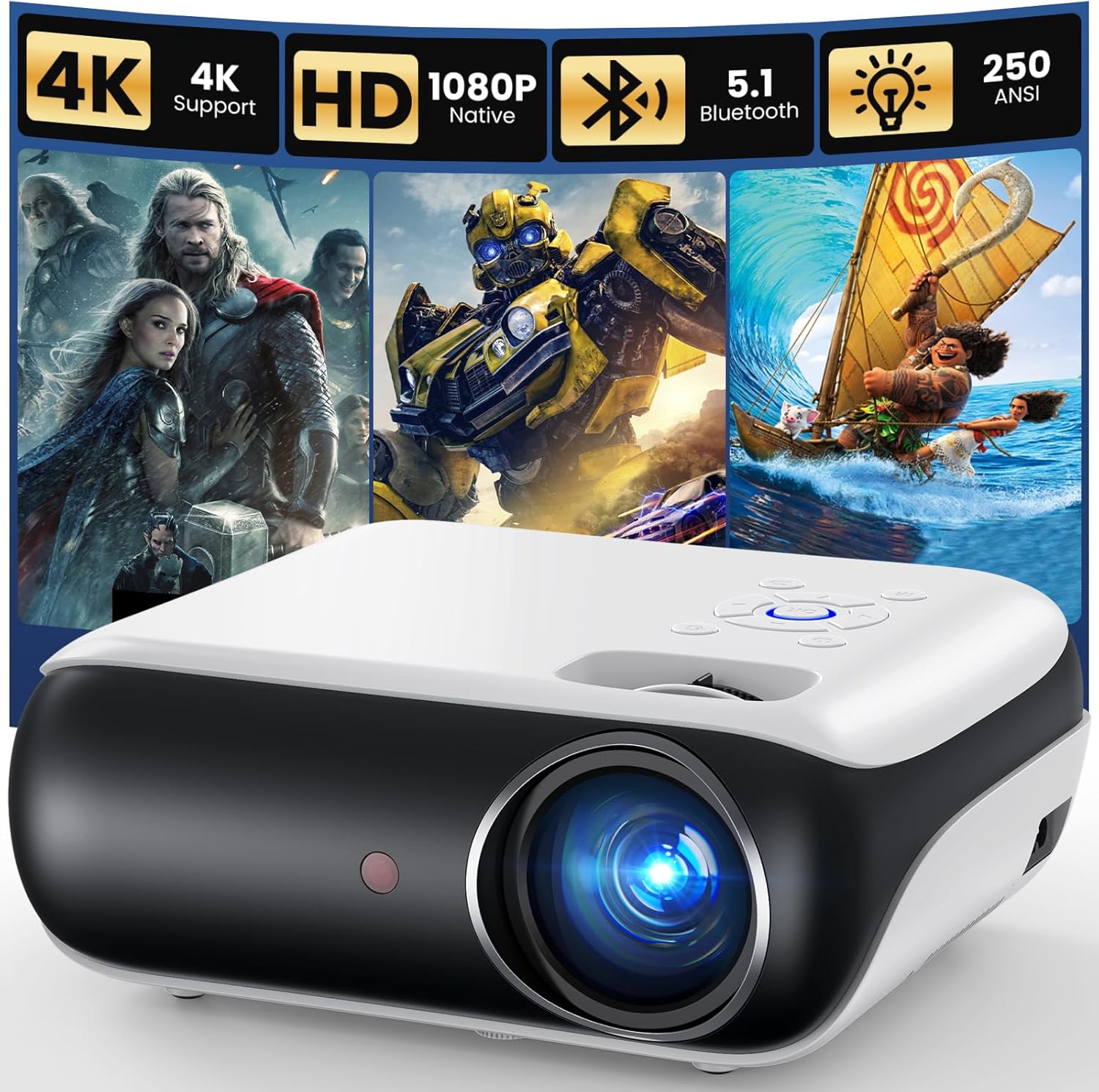
What to Look for When Buying Buying Guide
1. Budget & Price Range
When you set a ceiling of $150, the first question is what you can realistically expect for that money. In this segment, you’ll typically find devices that use LED light sources, have modest brightness (150–300 lumens), and offer native resolutions of 480p to 720p. Understanding the trade‑off between cost and performance helps you avoid disappointment later on. Look for sales, refurbished units, or bundle deals that can stretch your dollar further without compromising core quality.
2. Performance Specifications
The three numbers that matter most are brightness (lumens), resolution, and contrast ratio. Brightness determines how well the projector performs in ambient light; a unit with 200 lumens will struggle in a lit living room but shine in a dark bedroom. Resolution affects sharpness—720p (1280×720) is a sweet spot for most under‑$150 models, delivering clear text and decent video detail. Contrast ratio, while often exaggerated by manufacturers, still gives you an idea of how deep the blacks will be. Aim for at least a 1,000:1 contrast ratio for acceptable image depth.
3. Build Quality & Durability
Portability means the projector will travel in a bag, endure occasional bumps, and possibly face dust or humidity. Look for a solid plastic chassis with a rubberized finish, sturdy lens covers, and a reliable hinge mechanism. Models that include a protective carry case are a bonus, especially if you plan to use the device on the go.
4. Features & Functionality
Beyond the basics, modern budget projectors often pack useful extras:
- Built‑in speakers: While not audiophile‑grade, a 2‑3 W speaker can suffice for casual movies or presentations.
- Connectivity options: HDMI, USB‑C, micro‑USB, Wi‑Fi, and Bluetooth. The more ports, the more sources you can plug in without adapters.
- Battery life: Some units include a rechargeable battery, offering 2‑3 hours of playback—perfect for outdoor use.
- Keystone correction and auto‑focus: These features simplify setup, allowing you to project a rectangular image even when the projector is angled.
5. Brand Reputation
Even in the low‑price segment, certain brands have earned trust for consistent quality and responsive support. Companies like Anker (Epson’s sub‑brand), Vankyo, and AAXA have built reputations for delivering reliable units and honoring warranties. Research brand forums and look for recurring issues before committing.
6. Warranty & Support
A solid warranty can save you from costly repairs. Most projects under $150 come with a 1‑year limited warranty covering defects in materials and workmanship. Check whether the manufacturer offers easy RMA processes, online firmware updates, and accessible customer service channels (phone, chat, or email).
7. Size & Portability
Weight and dimensions directly affect how portable the projector truly is. Aim for a device under 2 lb and no larger than a paperback novel. Some models fold into a compact shape, while others include a detachable stand that doubles as a tripod.
8. User Reviews & Ratings
Real‑world feedback often reveals hidden strengths or flaws. Scan reviews on Amazon, Best Buy, and dedicated tech forums. Pay attention to recurring comments about overheating, lamp lifespan, or connectivity hiccups. A product with a 4‑star average and hundreds of reviews is usually a safer bet than a newer, untested model.
Different Types of Buying Guide

Common Buying Mistakes to Avoid
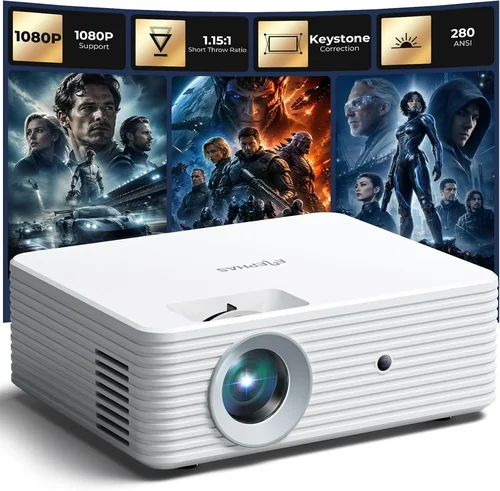
❌ Mistake: Ignoring Ambient Light Conditions
Why it’s bad: A projector rated at 200 lumens looks great in a dark room but appears washed out in a living room with curtains open.
What to do instead: Measure the typical lighting of your intended space. If you can’t guarantee darkness, aim for a unit with at least 250–300 lumens or plan to use blackout curtains.
❌ Mistake: Overlooking Native Resolution
Why it’s bad: Buying a 480p projector when you plan to stream 1080p content results in blurry text and pixelated images.
What to do instead: Choose a projector with a native resolution of 720p. Even if the source is higher, the projector will downscale more gracefully.
❌ Mistake: Forgetting About Input Lag for Gaming
Why it’s bad: High input lag makes fast‑paced games feel sluggish, ruining the experience.
What to do instead: Look for models that advertise “gaming mode” or have an input lag below 30 ms. Check user reviews for real‑world latency reports.
❌ Mistake: Assuming All Built‑In Speakers Are Sufficient
Why it’s bad: Small speakers often lack bass and volume, especially in larger rooms.
What to do instead: Pair the projector with external Bluetooth or wired speakers if sound quality matters to you.
❌ Mistake: Skipping Firmware Updates
Why it’s bad: Firmware can fix bugs, improve compatibility, and sometimes unlock new features.
What to do instead: Visit the manufacturer’s website regularly and install any available updates before first use.
❌ Mistake: Buying the Cheapest Model Without Checking Warranty
Why it’s bad: A $70 unit may lack a warranty, leaving you stranded if the lamp or battery fails.
What to do instead: Prioritize models that include at least a one‑year warranty and clear return policies.
Budget Guidelines: How Much Should You Spend?
Even within the sub‑$150 market, there are clear tiers that dictate what you’ll receive.
- Entry‑Level ($70 – $100): Expect 150–200 lumens, 480p resolution, basic HDMI input, and minimal battery life. Ideal for occasional use in dark rooms.
- Mid‑Range ($101 – $130): Brightness jumps to 250–300 lumens, native 720p resolution becomes common, and you’ll find added features like Bluetooth audio, keystone correction, and a small built‑in battery.
- Premium ($131 – $150): The best of the budget world—300+ lumens, superior contrast ratios, smoother focus mechanisms, and often a smarter OS (Android) for streaming without extra hardware.
- Luxury ($151+): Once you exceed the $150 ceiling, you step into the realm of full‑HD (1080p) projectors with higher brightness, longer lamp life, and more robust connectivity. Not covered in this guide but worth knowing if your budget flexes.
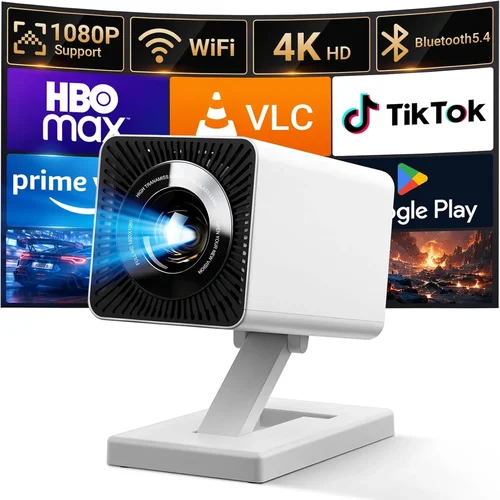
Expert Tips for Getting the Best Deal
- Timing: New models are typically released in Q2. Buying in Q3‑Q4 can net you last‑year’s inventory at a lower price.
- Where to buy: Authorized retailers (Amazon, Best Buy, B&H) guarantee authentic units and proper warranty coverage. Avoid third‑party marketplaces unless the seller has a strong return policy.
- Bundle hunting: Look for packages that include a carry case, extra cables, or a portable screen. The added value often outweighs the marginal price increase.
- Warranty hacks: Register your product within 30 days of purchase to unlock extended warranty options offered by some manufacturers.
- Return policy check: Ensure the seller offers at least a 30‑day return window. Test the projector in your typical environment; if it doesn’t meet expectations, you can send it back.
- Testing before buying: If possible, visit a local electronics store and view the projector on a blank wall. Pay attention to color accuracy, focus ease, and fan noise.
- Firmware awareness: Some budget projectors receive performance‑boosting updates (e.g., improved Bluetooth stability). Subscribe to the brand’s newsletter for announcements.

Frequently Asked Questions
Q: Can I use a portable projector under $150 for outdoor movies?
A: Yes, but you’ll need a dark environment and a portable screen or a smooth white wall. Choose a model with at least 250 lumens and a battery that lasts 2‑3 hours. Pair it with a small Bluetooth speaker for better audio.
Q: Do these projectors require a lamp replacement?
A: Most budget units use LED light sources, which have a lifespan of 20,000–30,000 hours and do not need periodic lamp swaps. This is a major advantage over traditional lamp‑based projectors.
Q: How far can I place the projector from the screen?
A: Throw distance varies by model. Typical pocket projectors have a throw ratio of 1.5:1 to 2:1, meaning a 5‑foot screen requires a placement of 7.5‑10 feet. Check the spec sheet for “throw distance” to plan your setup.
Q: Is it safe to use a portable projector in a car?
A: Many compact projectors can operate on a 12 V car adapter, but ensure the unit has adequate ventilation. Avoid using it on a hot dashboard; a small cooling fan or a shaded spot helps prevent overheating.
Q: Will my Android phone connect directly to the projector?
A: Most modern models support screen mirroring via HDMI‑C, Miracast, or Chromecast built‑in. If your phone lacks a compatible port, a cheap USB‑C to HDMI adapter will do the trick.
Q: How loud are the fans on budget projectors?
A: Fan noise typically ranges from 30 dB to 40 dB at full brightness. In a quiet room you may notice a faint whir, but it rarely interferes with dialogue.
Q: Are there any health concerns with LED projectors?
A: LED projectors emit low levels of blue light compared to traditional lamps, making them safer for prolonged viewing. Still, avoid staring directly at the lens for extended periods.
Our Final Recommendations
- Best for Budget‑Conscious Buyers: Vankyo Leisure 3 Mini Projector – Priced around $79, it offers 200 lumens, 480p native resolution, and a built‑in speaker. Ideal for dorm rooms.
- Best Overall Value: Anker Nebula Capsule II (refurbished) – Slightly above $150 refurbished, it provides 720p resolution, Android TV 9.0, 720 lumens, and a 2‑hour battery. A solid all‑rounder.
- Best Premium Option: ViewSonic M1 Mini Plus – At $149, it combines 720p, 250 lumens, Harman Kardon speakers, and Wi‑Fi streaming. Perfect for small gatherings.
- Best for Beginners: AAXA P300 Pico Projector – Simple plug‑and‑play with HDMI, USB‑C, and a battery that lasts 1.5 hours. Straightforward UI makes setup painless.
- Best for Advanced Users: Elephas Q5 Mini DLP Projector – Offers 300 lumens, 720p, low input lag (≈20 ms), and a micro‑SD slot for offline media. Great for mobile gamers.
Conclusion: Making the Right Choice
Choosing the best portable projector under $150 comes down to matching your primary use‑case with the right blend of brightness, resolution, and extra features. Remember to assess the lighting of your typical viewing area, prioritize native 720p when possible, and verify that the brand stands behind its warranty. By avoiding common mistakes—like ignoring ambient light or skipping firmware updates—and leveraging the buying tips outlined above, you’ll walk away with a projector that delivers big‑screen enjoyment without breaking the bank.
Now that you’re armed with the knowledge, go ahead and compare the models that fit your budget, read a few user reviews, and make a purchase with confidence. Happy projecting!