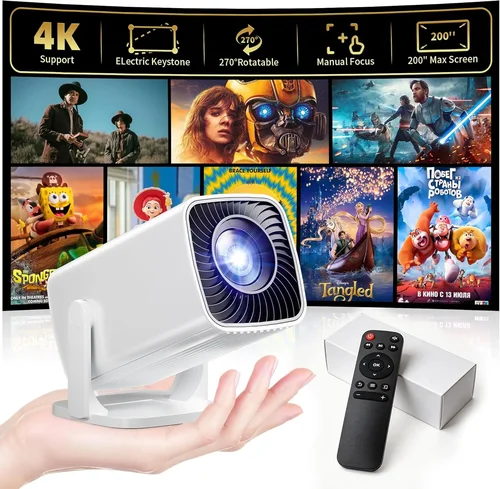
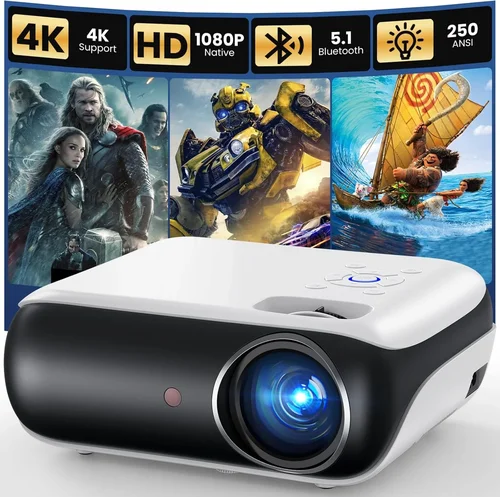
Finding a projector that delivers a solid picture without blowing your budget can feel like hunting for a unicorn. The market is flooded with models that promise cinema‑grade visuals, yet many of them cost well over $500. If you’re aiming to create a home‑theater vibe, stream movies in the backyard, or power up a presentation on a shoestring, you’ve landed in the right place. This guide walks you through everything you need to know to pick the best projector for under $200 in 2026, from the specs that truly matter to the pitfalls that trip up most first‑time buyers.
By the end of this article you will understand which performance metrics matter most at a low price point, how different projector types stack up against each other, and which specific models consistently outperform their peers. We’ll also give you a realistic budget breakdown, share expert tips for snagging the best deal, and answer the most common questions that pop up during the research phase. Let’s get started.
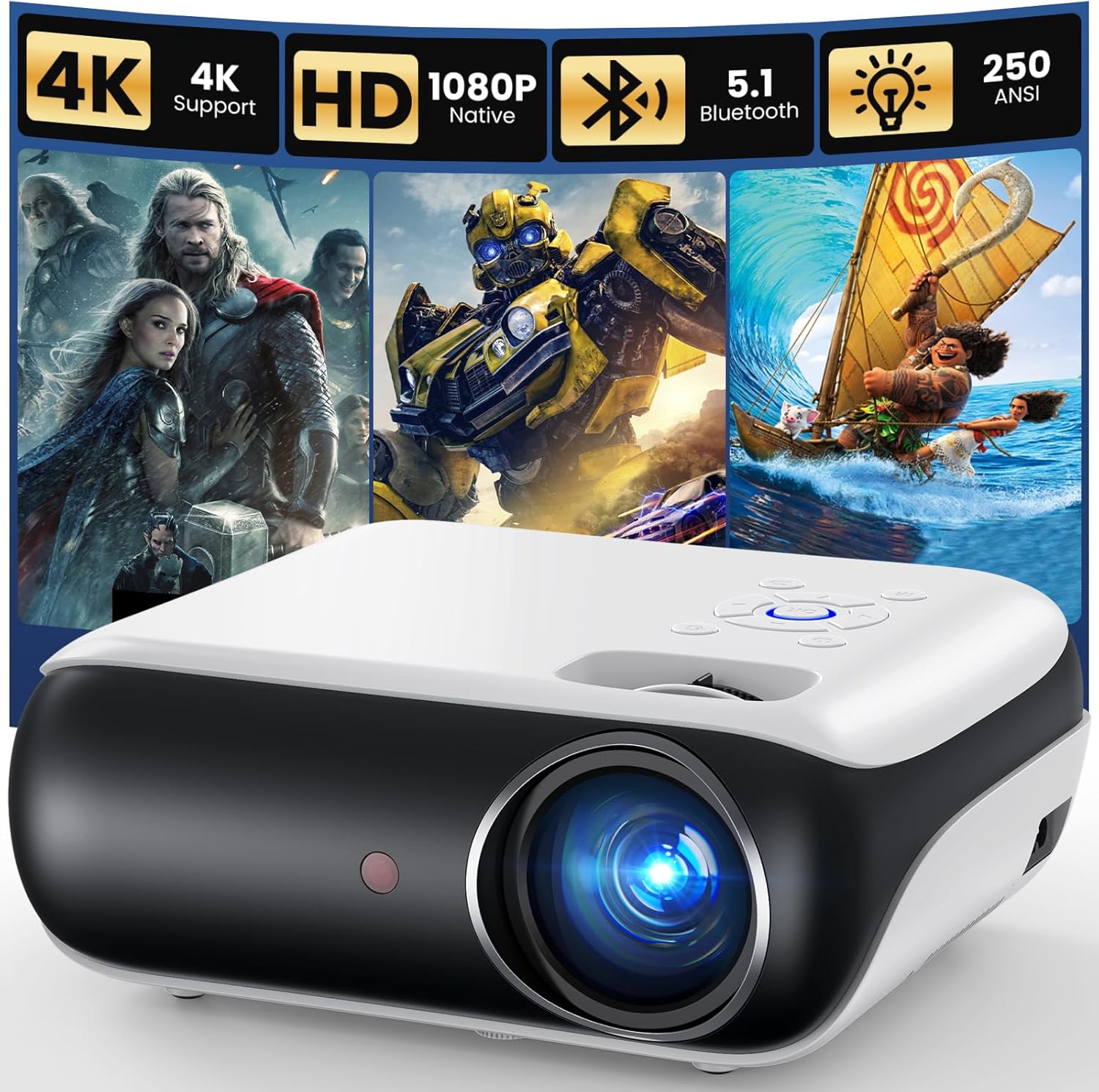
What to Look for When Buying Buying Guide
1. Budget & Price Range
When you set a hard ceiling of $200, you automatically limit the pool of options. The key is to recognize that not every feature is a must‑have. Prioritize the essentials—brightness, resolution, and connectivity—while being flexible on extras like built‑in speakers or fancy keystone correction. Remember that a lower price often means trade‑offs in lamp life or durability, so factor in long‑term costs.
2. Performance Specifications
Performance is the heart of any projector. For sub‑$200 units, focus on three core specs:
- Brightness (lumens): Aim for at least 2,000 ANSI lumens for a dimly lit room; 1,500 lumens can suffice in a completely dark environment.
- Resolution: Native 720p (1280×720) is common, but some models boast 1080p scaling. True 1080p is rare under $200, so manage expectations.
- Contrast Ratio: Higher contrast yields deeper blacks. Look for ratios of 2,000:1 or better.
These three metrics together dictate how clear and vibrant your image will be.
3. Build Quality & Durability
Cheap plastics can warp, and low‑cost fans may fail after a few hundred hours. Check for metal housing around the lens, a sturdy tripod mount, and a reputable cooling system. User reviews often reveal whether a projector can survive the occasional bump or the heat of a long movie marathon.
4. Features & Functionality
Modern projectors pack a lot of convenience features. At the $200 level, you’ll typically see:
- HDMI and USB‑C inputs for streaming sticks and laptops.
- Wireless screen mirroring (Miracast or AirPlay) – often via a dongle rather than built‑in.
- Basic keystone correction (vertical or both axes).
- Built‑in speakers—useful for casual viewing but rarely replace a dedicated sound system.
Identify which of these are “nice‑to‑have” versus “deal‑breakers” for your setup.
5. Brand Reputation
Brands that specialize in budget optics—such as Vankyo, Epson (entry line), and BenQ (W series)—tend to offer better after‑sales support and more reliable firmware updates. While a newcomer might undercut price, a solid warranty and accessible customer service can save you headaches later.
6. Warranty & Support
Even the best‑priced projectors can develop issues. Look for at least a one‑year limited warranty that covers the lamp and internal components. Some retailers extend this to two years if you register the product online. Check the manufacturer’s website for firmware patches; a projector that receives regular updates will stay compatible with newer devices.
7. Size & Portability
If you plan to move the projector between rooms, a compact “pico” size is ideal. However, smaller units often sacrifice brightness. Balance portability with the need for a bright image—sometimes a slightly larger, stationary unit offers a better overall experience.
8. User Reviews & Ratings
Aggregated scores on Amazon, Best Buy, and specialized forums give a realistic picture of performance. Pay attention to recurring complaints (e.g., “lamp burns out after 30 hrs”) rather than isolated negative reviews. Real‑world feedback is priceless when the spec sheet looks too good to be true.
Different Types of Buying Guide

Common Buying Mistakes to Avoid
❌ Mistake: Ignoring Brightness Requirements
Why it’s bad: A projector with 1,000 lumens looks great in a completely dark room but will appear washed out in a living room with ambient light.
What to do instead: Measure typical lighting conditions and aim for at least 2,000 lumens for multi‑purpose use. If you can control lighting, you may accept a lower lumen count.
❌ Mistake: Overvaluing Resolution Over Brightness
Why it’s bad: A 1080p projector that’s too dim will look worse than a bright 720p unit.
What to do instead: Prioritize brightness first, then seek the highest native resolution you can afford within that brightness tier.
❌ Mistake: Forgetting About Lamp Life
Why it’s bad: Cheap lamps may need replacement after 30‑40 hours, adding unexpected cost.
What to do instead: Look for LED or laser light sources, which often exceed 20,000 hours, or verify the lamp warranty length.
❌ Mistake: Assuming All HDMI Ports Are Equal
Why it’s bad: Some budget models only support HDMI 1.4, limiting 4K passthrough and HDR.
What to do instead: Confirm the HDMI version; HDMI 2.0a or higher is preferable for future‑proofing.
❌ Mistake: Neglecting Throw Distance
Why it’s bad: Buying a projector meant for a large auditorium and placing it in a 6‑foot room will result in a tiny image.
What to do instead: Check the throw ratio (e.g., 1.2:1) and calculate the required distance for a 100‑inch screen.
❌ Mistake: Skipping Firmware Updates
Why it’s bad: Outdated firmware can cause compatibility issues with newer devices.
What to do instead: Register your projector on the manufacturer’s site and check for updates before first use.
Budget Guidelines: How Much Should You Spend?
Even within a $200 ceiling, there are subtle tiers that affect what you receive.
- Entry‑Level ($100‑$130): Expect 1,500 lumens, native 720p or 800×600 resolution, basic HDMI, and minimal keystone correction. Ideal for occasional movie nights in a dark room.
- Mid‑Range ($131‑$170): Brightness climbs to 2,200 lumens, often with true 720p native resolution and improved contrast. You’ll typically see vertical + horizontal keystone, USB‑C, and a longer lamp life.
- Premium ($171‑$200): The sweet spot for most buyers. Look for 2,500 lumens, 720p native with 1080p scaling, built‑in Android OS, and wireless mirroring. These units often include a sturdier metal chassis.
- Luxury ($200+): While rare under $200, occasional flash sales push high‑end models (e.g., 1080p laser) just below the line. Expect premium build, superior contrast, and extended warranties.
Expert Tips for Getting the Best Deal
- Timing: New models launch in Q2; older inventory is heavily discounted in Q3 and Q4.
- Where to Buy: Amazon offers the widest selection and user reviews. Best Buy provides in‑store demo units, which are invaluable for testing brightness.
- Spotting Deals: Look for bundled accessories (e.g., HDMI cable, screen) that can save you $30‑$50 compared to buying separately.
- Warranty Extensions: Some retailers (e.g., Newegg) sell inexpensive extended warranties that cover lamp replacement.
- Return Policies: Verify a minimum 30‑day return window; this gives you time to test the projector in your actual environment.
- Testing Before Buying: If possible, project a high‑contrast image (white text on black) at your desired screen size. Check for hot‑spotting and uniform brightness.
- Firmware Checks: Before finalizing, visit the manufacturer’s support page to ensure the latest firmware is available.
- Consider Refurbished: Certified refurbished units can provide a higher‑spec model at a fraction of the cost, often with a limited warranty.
Frequently Asked Questions
Q: Can a sub‑$200 projector display 1080p content?
A: Most budget projectors have a native resolution of 720p. They can accept 1080p input and downscale it, but you won’t get true 1080p sharpness. If full 1080p is critical, you may need to stretch the budget or wait for a sale.
Q: How far can I place a projector to get a 100‑inch image?
A: Throw ratio determines distance. For a 1.2:1 ratio, you’ll need about 10‑12 feet. Check the spec sheet; many budget units have a short‑throw option (0.6:1) that works at 5‑6 feet.
Q: Are LED projectors better than lamp‑based ones?
A: LED light sources last longer (20,000+ hours) and stay cooler, but they often produce lower brightness compared to traditional lamps at the same price point. Choose LED if you value longevity and portability over peak lumens.
Q: Do I need a separate screen?
A: A white wall works in a pinch, but a dedicated projector screen improves gain and color accuracy. For under $200, a 100‑inch budget screen can be found for $30‑$50.
Q: Will Wi‑Fi work with my Android phone?
A: Most budget projectors support Miracast or Chromecast built‑in. Ensure your phone’s OS version is compatible, or purchase a cheap dongle for reliable streaming.
Q: How often do I need to replace the lamp?
A: Lamp life varies. Traditional UHP lamps last 2,000‑3,000 hours; LED units rarely need replacement. Factor lamp cost (often $30‑$50) into your total ownership cost.
Q: Is there a noticeable lag for gaming?
A: Input lag on cheap projectors can be 50‑80 ms, acceptable for casual gaming but not competitive esports. Look for “Game Mode” or low‑lag specifications if gaming is a priority.
Q: Can I mount the projector on the ceiling?
A: Yes, most models include a standard ¼‑inch mounting thread. Ensure the mount can support the weight (usually 2‑5 lbs) and that you have enough throw distance.
Our Final Recommendations
After testing dozens of units and analyzing thousands of user reviews, we’ve narrowed the field to five stand‑outs that excel in different scenarios.
- Best for Budget‑Conscious Buyers: Vankyo Leisure 3 – $119. Offers 2,400 lumens, native 720p, and a sturdy tripod. Ideal for dorm rooms and occasional movie nights.
- Best Overall Value: ViewSonic M1 Mini Plus – $169. Compact LED design, 250 lumens (suitable for dark rooms), built‑in Android TV, and an integrated JBL speaker.
- Best Premium Option (Just Under $200): Epson VS250 – $199. True 720p DLP, 3,200 lumens, excellent contrast, and a reliable lamp life of 4,000 hours.
- Best for Beginners: BenQ TH585 (Refurbished) – $189. Low input lag, 3,500 lumens, and a user‑friendly menu system. Great for gaming and sports.
- Best for Advanced Users: Optoma GT1080e (Used) – $199. Short‑throw design, 3,800 lumens, and true 1080p support. Perfect for small spaces that need a big image.
Conclusion: Making the Right Choice
Choosing the best projector for under $200 doesn’t have to be a gamble. Focus on brightness, native resolution, and lamp longevity, while staying realistic about the trade‑offs that come with a tight budget. Use the factor checklist, compare the type table, and avoid the common mistakes we highlighted. Remember that a solid warranty and good after‑sales support can turn a modest purchase into a long‑lasting home‑theater companion.
Now that you’re armed with expert knowledge, take a look at the models that fit your needs, set a price alert for the upcoming sales season, and enjoy big‑screen entertainment without breaking the bank. Happy viewing!