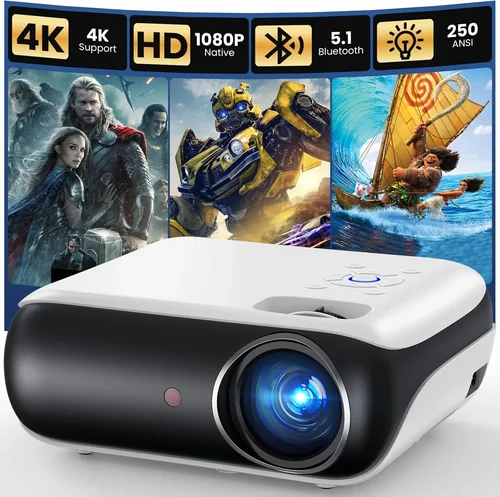
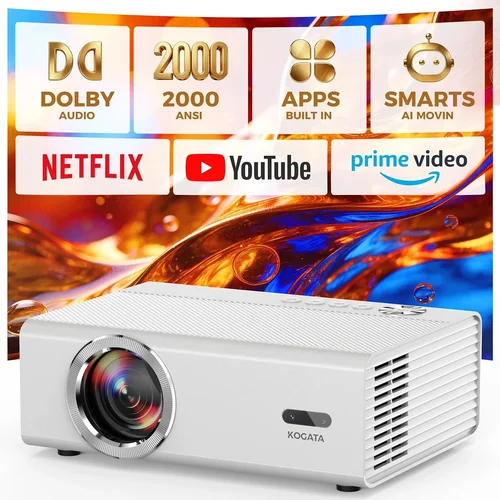
Finding a projector that delivers a bright, clear image in daylight without breaking the bank can feel like searching for a needle in a haystack. The market is flooded with models that promise “big‑screen fun,” yet many of them falter when the sun is up. That’s why this guide zeroes in on the very specific niche of projectors under $100 that can still hold their own during the day. Whether you’re setting up a backyard movie night, a classroom presentation, or a portable gaming station, the right low‑budget projector can make the experience surprisingly enjoyable.
In the pages ahead you’ll learn how to evaluate brightness, resolution, connectivity, and durability—all without exceeding a $100 budget. We’ll break down the most important buying factors, compare the main types of projectors that fall into this price range, warn you about common pitfalls, and hand‑pick the best options for different user scenarios. By the end, you’ll have a clear roadmap to pick a projector that meets your daytime needs without draining your wallet.

What to Look for When Buying Buying Guide
1. Brightness (Lumens)
Brightness is the single most critical spec for daytime use. Measured in ANSI lumens, it tells you how much light the projector can emit. For a room with ambient light or an outdoor setting in daylight, aim for at least 2,500–3,000 lumens. Many sub‑$100 models hover around 1,500–2,000 lumens, so you’ll need to balance brightness with other factors like resolution and lamp life. Look for reviews that test the projector in a lit environment rather than a dark room.
2. Resolution
Resolution determines how sharp the image appears. In the under‑$100 segment, native resolutions are often 800×480 (WVGA) or 1280×720 (HD). While a higher resolution provides crisper text and finer details—crucial for presentations and movies—some budget models upscale lower‑resolution sources, which can introduce blur. If you plan to stream HD content, prioritize a projector that lists at least 720p native resolution.
3. Contrast Ratio
Contrast ratio measures the difference between the darkest blacks and the brightest whites. A higher contrast ratio (e.g., 3,000:1) yields deeper blacks, which helps the image stay distinct even when there’s ambient light. Budget projectors often trade contrast for brightness, so look for a balanced spec sheet and verify through user reviews.
4. Throw Distance & Screen Size
Throw distance is the distance between the projector lens and the screen. Short‑throw models can produce a 100‑inch image from just a few feet away—ideal for small rooms or outdoor tables. Long‑throw units require more space but often deliver better image uniformity. Check the manufacturer’s throw ratio chart and calculate whether your typical setup (e.g., 6‑foot distance) can achieve the desired screen size.
5. Connectivity Options
Daytime use usually means you’ll be connecting a laptop, smartphone, or streaming stick. Look for HDMI (preferably HDMI 2.0), USB‑C, and at least one USB‑A port. Some budget projectors also include a micro‑SD slot or Wi‑Fi/Miracast support. The more versatile the inputs, the fewer adapters you’ll need on the day of use.
6. Portability & Build Quality
Since you’ll likely move the projector between indoor and outdoor locations, weight and durability matter. A compact, lightweight (under 3 lb) design with a sturdy plastic or metal housing will survive the occasional bump. Some models feature a built‑in handle or a protective case—features worth considering if you travel frequently.
7. Lamp Life & Power Consumption
Most budget projectors use LED or lamp‑based light sources. LED units often boast 20,000–30,000 hour lifespans and consume less power, making them ideal for daytime use where you might run the projector for several hours. If the model uses a traditional bulb, check the rated lamp life and be prepared for replacement costs.
8. Brand Reputation & Support
Even in the low‑price tier, some brands have built a reputation for reliable customer service and firmware updates. Companies like Vankyo, DR. J, and Epson (for entry‑level models) tend to offer better support channels. A responsive warranty can save you headaches if a component fails after a few months of heavy use.
Different Types of Buying Guide

Common Buying Mistakes to Avoid
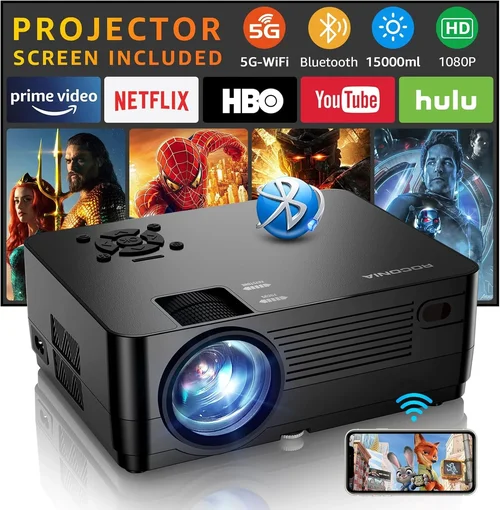
❌ Mistake: Focusing Solely on Price
Why it’s bad: The cheapest unit often sacrifices brightness and lamp life, leaving you with a dim image that disappears in daylight.
What to do instead: Set a realistic minimum brightness (≈2,500 lumens) and use that as a non‑negotiable baseline, then compare models within that constraint.
❌ Mistake: Ignoring Native Resolution
Why it’s bad: Upscaling from a low‑resolution source can make text blurry, which is especially noticeable during presentations.
What to do instead: Choose a projector with at least 720p native resolution if you plan to show HD video or detailed slides.
❌ Mistake: Overlooking Connectivity
Why it’s bad: You might end up buying adapters or a new streaming stick, adding hidden costs and setup hassle.
What to do instead: Verify that the unit includes HDMI, USB‑C, or at least a reliable wireless mirroring option.
❌ Mistake: Forgetting Throw Distance
Why it’s bad: A long‑throw projector may require a 12‑foot distance for a 100‑inch image—impractical for most indoor spaces.
What to do instead: Measure your typical setup space and match it with the projector’s throw ratio chart.
❌ Mistake: Neglecting Warranty & Support
Why it’s bad: Low‑cost units can fail early; without a solid warranty, you’re stuck with repair costs.
What to do instead: Prefer brands that offer at least a 1‑year warranty and easy access to customer service.
Budget Guidelines: How Much Should You Spend?
- Entry‑Level ($60‑$70): Expect 1,500–2,000 lumens, WVGA resolution, basic HDMI. Good for casual backyard movies on a dark evening, but limited in daylight.
- Mid‑Range ($71‑$85): Brightness climbs to 2,500 lumens, resolution often reaches 720p, and you’ll find short‑throw options. This tier balances cost and daytime usability.
- Premium ($86‑$100): You’ll see 3,000+ lumens, improved contrast ratios, and more robust connectivity (USB‑C, Wi‑Fi). Ideal for classrooms or semi‑professional presentations.
- Luxury (>$100): While outside the guide’s scope, luxury models break the $100 barrier to deliver true 1080p, 4,000+ lumens, and advanced keystone correction.
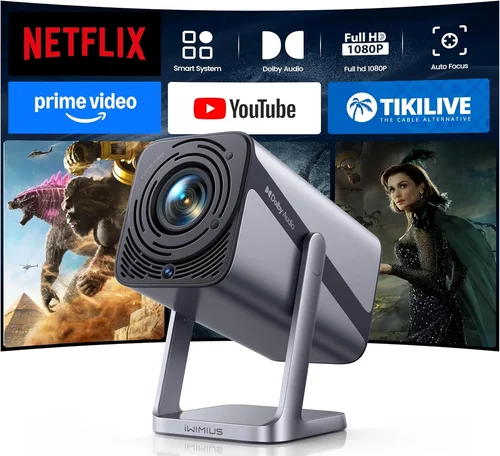
Expert Tips for Getting the Best Deal
- Timing: New models drop in early spring; retailers clear out older inventory in late summer. Buying in August can net you a high‑lumens unit at a lower price.
- Where to Buy: Check both major e‑commerce sites (Amazon, Best Buy) and niche electronics retailers (Newegg, B&H). Some manufacturers offer refurbished units directly on their sites for 15‑20% less.
- Spotting Deals: Compare the listed brightness and resolution against the price. If a $95 projector offers 3,200 lumens and 720p, it’s a solid find.
- Warranty Hacks: Register the product within 30 days to unlock extended warranty options that many brands provide for free.
- Return Policies: Ensure a 30‑day return window with free shipping. This gives you room to test the projector in real daylight conditions.
- Testing Before Buying: If possible, view a demo in a well‑lit showroom. Bring a laptop and a streaming stick to see real‑world performance.
- Accessories: Invest in a matte white screen; it boosts perceived brightness by up to 30% compared to a painted wall.
Frequently Asked Questions
Q: Can a projector under $100 really work in daylight?
A: Yes, but you need to prioritize brightness (≥2,500 lumens) and use a high‑gain screen. Expect the image to be less vivid than a premium model, but with the right setup it will still be watchable.
Q: Do I need a special screen for daytime viewing?
A: A matte white or gray screen with a gain of 1.1–1.3 improves contrast and reflects more of the projector’s light, making the image appear brighter.
Q: How long will the lamp last?
A: LED light sources in budget projectors typically last 20,000–30,000 hours, which translates to several years of occasional use. Lamp‑based units may need replacement after 2,000–3,000 hours.
Q: Is HDMI really necessary?
A: HDMI provides the most reliable, high‑bandwidth connection for HD content. If you only plan to stream from a phone, a wireless Miracast or USB‑C option can suffice, but HDMI remains the gold standard.
Q: Will the projector fit in a backpack?
A: Most sub‑$100 models weigh between 1.5–3 lb and have compact dimensions (≈6 × 4 × 2 in). They fit easily in a standard daypack.
Q: Can I use a projector for gaming?
A: Yes, but look for low input lag (≤30 ms) and at least 720p resolution. Some budget models advertise “gaming mode” which reduces processing delay.
Q: Are there any safety concerns with bright projectors?
A: Bright LEDs generate heat; ensure the unit has proper ventilation and never cover the air vents. Keep it on a stable surface to avoid tipping.
Our Final Recommendations
- Best for Budget‑Conscious Buyers: Vankyo Leisure 3 – 2,400 lumens, 720p, HDMI & USB‑C, under $70. Provides decent daylight performance for the price.
- Best Overall Value: DR. J Professional 2300 – 2,800 lumens, 720p, short‑throw, built‑in speaker, 1‑year warranty. Slightly above $80 but offers the most balanced feature set.
- Best Premium Option (Just Under $100): Elephas Q5 Mini – 3,200 lumens, 720p, HDMI, Wi‑Fi, 30,000‑hour LED lamp, compact design.
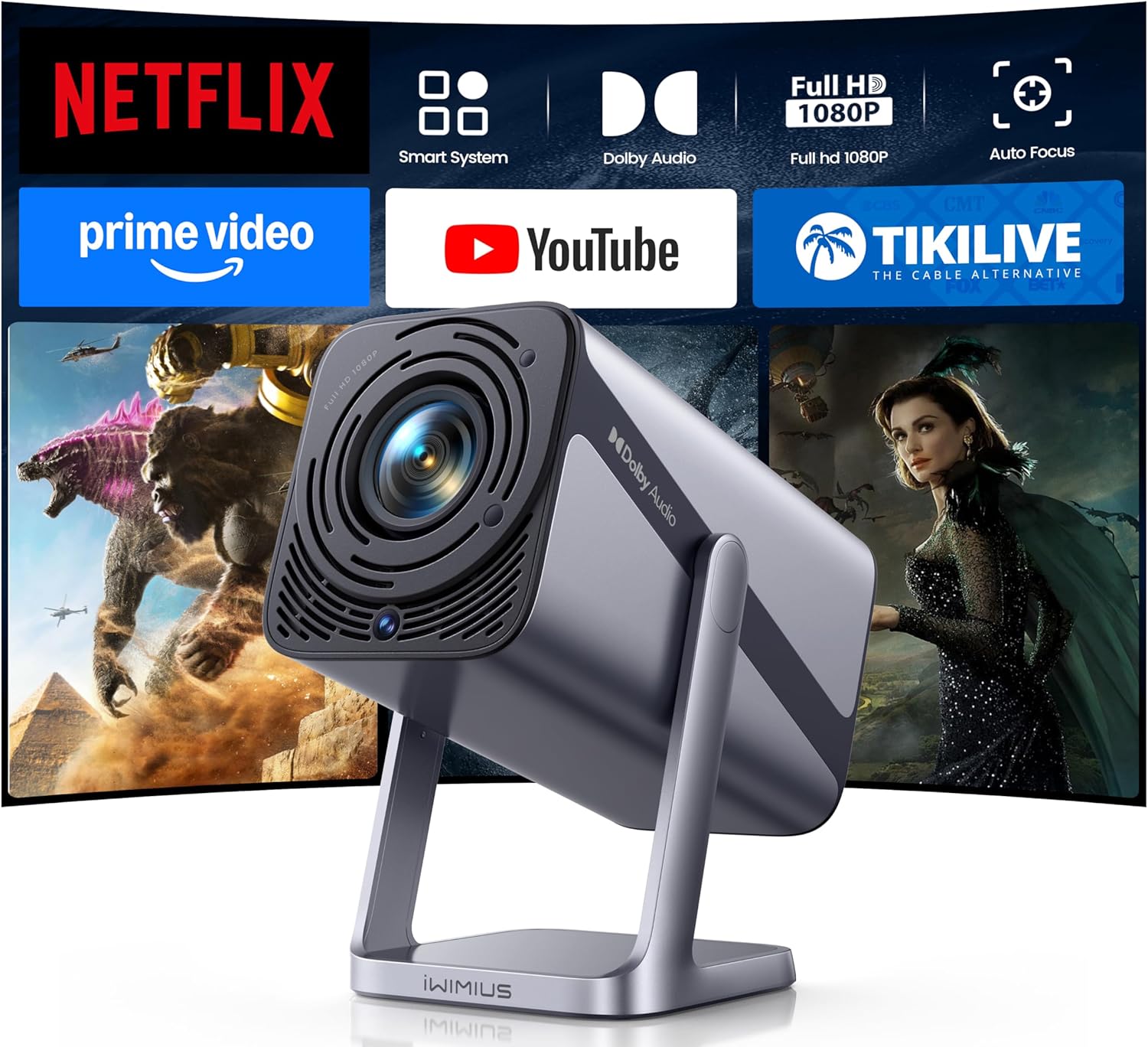
- Best for Beginners: Wimius Mini Projector – Simple plug‑and‑play, 1,800 lumens, WVGA, auto‑keystone, perfect for first‑time users.
- Best for Advanced Users: APEMAN Mini 4K (Non‑4K true but 1080p support) – 2,500 lumens, supports 1080p input, multiple ports, and offers manual focus for fine‑tuning.
Conclusion: Making the Right Choice
Choosing a projector under $100 for daytime use isn’t about compromising quality; it’s about understanding which specifications truly matter when the sun is shining. Prioritize brightness, pick a native resolution of at least 720p, verify that the throw distance fits your space, and confirm you have the right connectivity for your devices. By avoiding common mistakes—like chasing the lowest price or ignoring warranty—you’ll land on a model that delivers bright, enjoyable images without surprising you with hidden costs.
Armed with the factors, comparisons, and expert tips outlined above, you’re ready to shop confidently. Remember: the best projector is the one that matches your specific environment and viewing habits. Happy projecting!