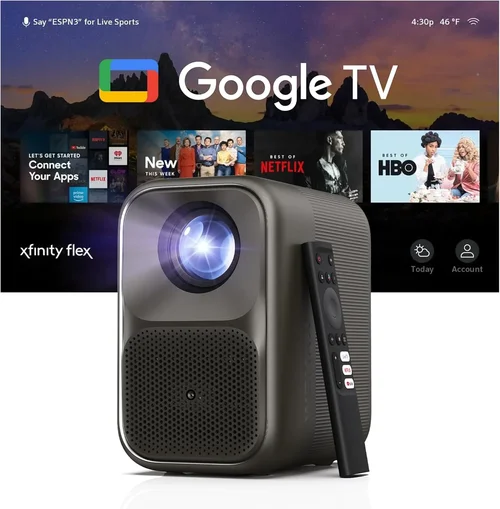
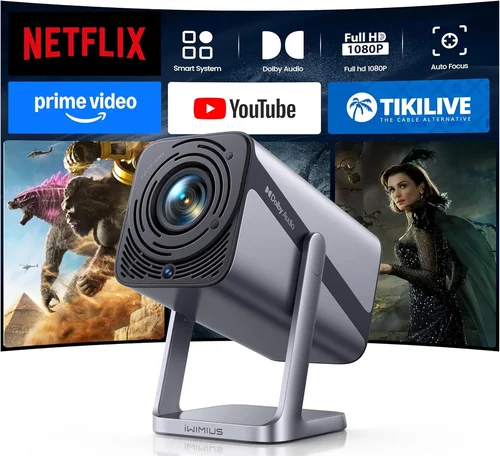
Finding a projector that can display true‑4K clarity without breaking the bank used to feel like hunting for a unicorn. In 2026 the market has finally caught up, offering several capable 4K office projectors under $500. This guide walks you through everything you need to know so you can choose the right model for boardrooms, training rooms, or home‑office setups.
We’ll break down the most important specs, compare the main categories of projectors, point out common pitfalls, and give you a clear buying roadmap. By the end you’ll know exactly which projector gives you cinema‑grade detail, reliable performance, and the flexibility you need for everyday business use—without exceeding your budget.
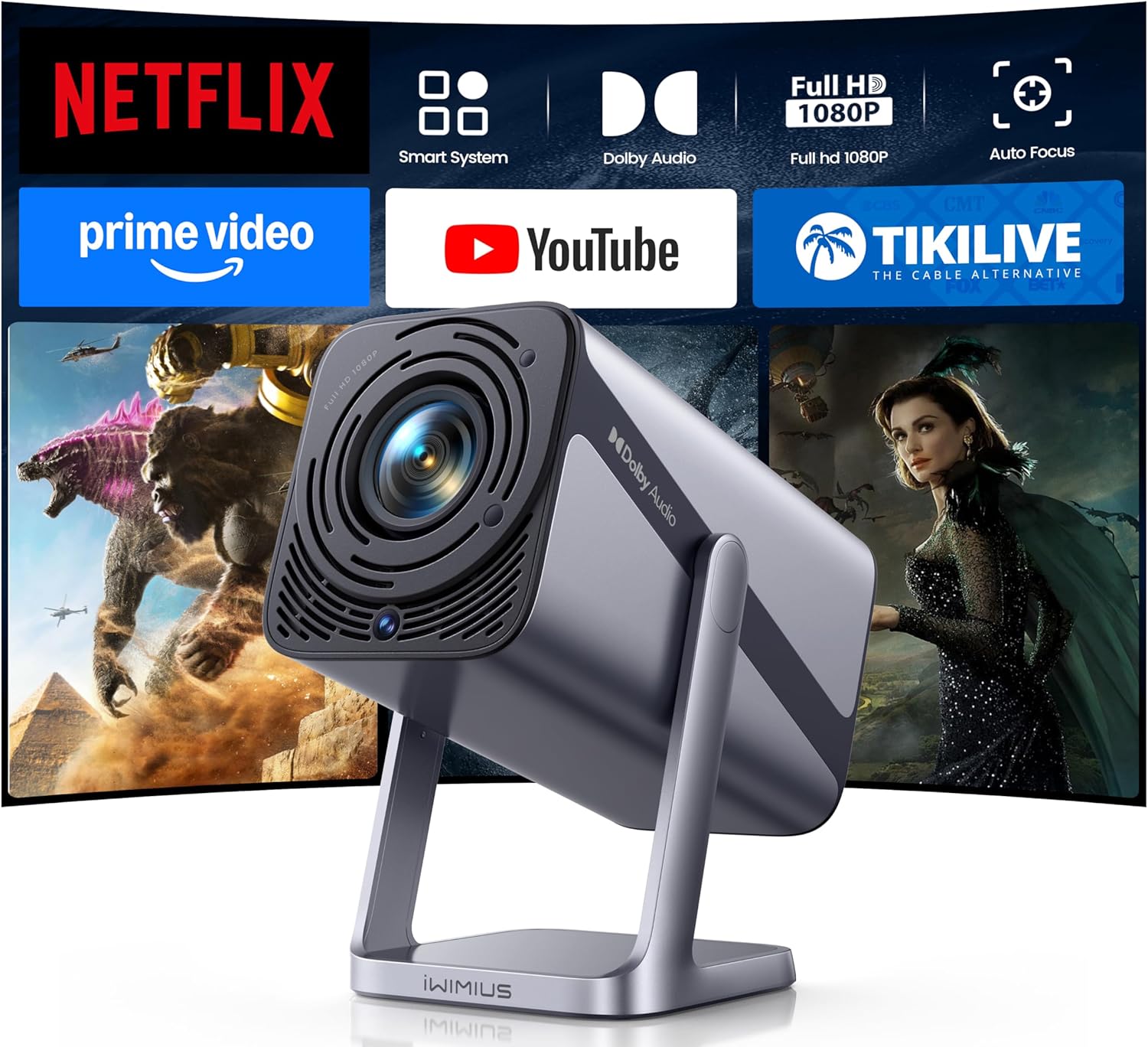
What to Look for When Buying Buying Guide
1. Budget & Price Range
Even though the focus is on projectors under $500, the price spectrum within that bracket matters. Entry‑level models may sacrifice brightness or connectivity, while mid‑range options often include better lenses and longer lamp life. Decide how much you’re willing to stretch for features like HDR, keystone correction, or wireless streaming.
2. Performance Specifications
Resolution: True 4K (3840 × 2160) is rare under $500; many “4K‑ready” models use pixel‑shifting to simulate 4K. Check the native resolution to avoid blurry text.
Brightness: Measured in lumens. For office lighting (300–500 lux) aim for at least 3,000–3,500 ANSI lumens. Higher brightness ensures clear text and charts.
Contrast Ratio: Determines depth of blacks. Look for ratios of 10,000:1 or higher for crisp on‑screen graphics.
Throw Distance & Lens Type: Short‑throw lenses let you project a large image from a few feet away—ideal for small conference rooms.
3. Build Quality & Durability
Office projectors see frequent set‑up and takedown. A sturdy metal chassis, reinforced hinges, and a reliable cooling system extend lifespan. Consider models with sealed optics that resist dust and humidity.
4. Features & Functionality
Key features for office use include:
- Wireless screen mirroring (Miracast, AirPlay, Chromecast)
- Multiple HDMI ports for dual‑source presentations
- Built‑in speakers (though external audio is usually preferred)
- Automatic keystone correction and lens shift for quick alignment
- USB‑C or USB‑A for direct laptop connection without adapters
5. Brand Reputation
Established brands such as Epson, BenQ, ViewSonic, and Optoma tend to offer better firmware support and easier access to replacement parts. Newer entrants may provide innovative features but could lack long‑term service networks.
6. Warranty & Support
A minimum 2‑year warranty is advisable. Look for on‑site service options, easy lamp replacement, and responsive customer support. Some manufacturers also include a free extended warranty if you register online.
7. Size & Portability
If you need to move the projector between meeting rooms, weight under 5 lb and a compact footprint are crucial. Portable models often include a built‑in battery, which can be handy for impromptu presentations.
8. User Reviews & Ratings
Real‑world feedback reveals reliability issues that spec sheets hide. Prioritize products with at least a 4‑star rating on major retailer sites and read comments about lamp life, fan noise, and software stability.
Different Types of Buying Guide

Common Buying Mistakes to Avoid
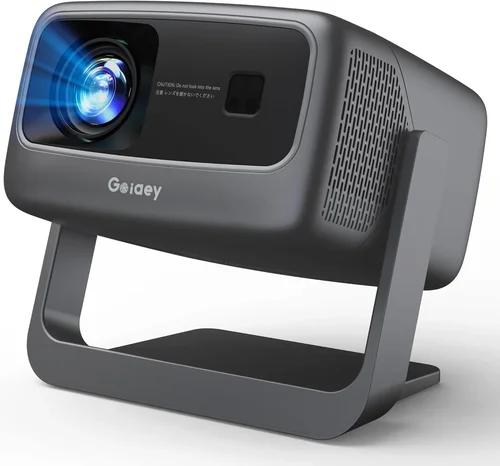
❌ Mistake: Ignoring Ambient Light Conditions
Why it’s bad: A projector with 2,500 lumens may look great in a dark home theater but will produce washed‑out slides in a well‑lit conference room.
What to do instead: Measure the typical lighting level of your meeting space and choose a model with at least 3,000 ANSI lumens for standard office lighting.
❌ Mistake: Overlooking Connectivity Options
Why it’s bad: Relying on a single HDMI port forces you to keep swapping cables during back‑to‑back presentations.
What to do instead: Opt for a projector with multiple HDMI inputs, USB‑C, and wireless mirroring capabilities.
❌ Mistake: Assuming All “4K‑Ready” Projectors Are True 4K
Why it’s bad: Pixel‑shifting technology can’t match the detail of a native 4K chip, leading to softer text and graphics.
What to do instead: Check the native resolution; if true 4K isn’t feasible under $500, prioritize a high‑quality 1080p panel with excellent upscaling.
❌ Mistake: Forgetting About Lamp Life and Replacement Cost
Why it’s bad: A cheap lamp may need replacement every 2,000 hours, adding hidden expenses.
What to do instead: Look for laser‑light or long‑life LED modules that exceed 20,000 hours, or factor lamp cost into your total budget.
❌ Mistake: Buying the Lightest Model Without Checking Fan Noise
Why it’s bad: A 30 dB fan can distract participants during quiet presentations.
What to do instead: Review decibel ratings; aim for 30 dB or lower for office environments.
❌ Mistake: Neglecting Warranty and Service Options
Why it’s bad: A short warranty leaves you responsible for costly repairs after a few months of heavy use.
What to do instead: Choose brands offering at least a two‑year warranty and easy on‑site service.
Budget Guidelines: How Much Should You Spend?
- Entry‑Level ($300‑$350): Expect 1080p resolution, 2,500–3,000 lumens, basic connectivity. Good for small rooms with controlled lighting.
- Mid‑Range ($351‑$450): Often includes 4K‑ready pixel‑shift, 3,200–3,800 lumens, short‑throw options, and wireless screen mirroring.
- Premium ($451‑$500): True 4K (rare) or high‑quality 4K‑ready, laser light source, 4,000+ lumens, extensive ports, and robust warranty.
- Luxury ($500+): While outside the guide’s scope, these models deliver cinema‑grade HDR, 10,000:1 contrast, and advanced networking features.
Expert Tips for Getting the Best Deal
- Buy during the fiscal year‑end (July‑September) when businesses refresh equipment and retailers clear inventory.
- Check manufacturer refurbished units; they come with full warranties at 15‑25% lower prices.
- Compare bundled accessories—some sellers include a ceiling mount or HDMI cable, adding value.
- Read the fine print on return policies; a 30‑day window is ideal for testing in your actual meeting space.
- Register the product online for extended warranty offers and firmware updates.
- Test the projector in a well‑lit room before finalizing. Verify brightness, focus, and keystone accuracy.
- Consider a separate external speaker system for clearer audio during video calls.

Frequently Asked Questions
Q: Can I truly get a 4K projector under $500?
A: True native 4K chips are still pricey, but several manufacturers now offer 4K‑ready models that use pixel‑shifting to approximate 4K quality at a lower cost. For most office applications, a high‑quality 1080p projector with excellent upscaling can be indistinguishable from true 4K when displaying text and charts.
Q: How important is lumens rating for an office?
A: Very important. Offices typically have ambient light between 300‑500 lux. A projector with at least 3,000 ANSI lumens will deliver bright, readable images without needing to darken the room.
Q: Do I need a separate screen?
A: A matte white wall works for occasional use, but a dedicated projector screen improves contrast and color accuracy, especially in rooms with ambient light.
Q: Are portable battery‑powered projectors viable for daily office use?
A: They are convenient for travel but usually sacrifice brightness and native resolution. Use them for informal presentations or client demos, not for primary conference‑room deployment.
Q: What is the typical lamp life for budget projectors?
A: Traditional lamps last 2,000‑4,000 hours. LED and laser models can exceed 20,000 hours, dramatically reducing long‑term costs.
Q: Is wireless Miracast reliable in a corporate network?
A: It works well for ad‑hoc presentations, but for secure, large‑scale deployments consider a wired HDMI or a dedicated wireless presentation system that integrates with IT policies.
Q: How do I calibrate color accuracy?
A: Use the built‑in color adjustment menus or a calibration tool like a SpyderX. For most offices, the preset “Presentation” mode provides sufficient accuracy.
Q: Will a short‑throw projector fit in a tight conference room?
A: Yes. Short‑throw models can produce a 100‑inch image from less than 4 feet away, minimizing shadows and glare.
Q: Are there any hidden fees?
A: Some retailers charge extra for extended warranties or accessories. Always read the total price breakdown before checkout.
Our Final Recommendations
- Best for Budget‑Conscious Buyers: ViewSonic PA503W – 3,600 lumens, 1080p, HDMI & VGA, under $340. Excellent brightness for low‑cost office rooms.
- Best Overall Value: BenQ TH671ST – Short‑throw, 3,200 lumens, 1080p with low input lag, built‑in speaker, priced at $449.
- Best Premium Option: Epson EpiqVision Mini EF12 – Laser light source, 3,400 lumens, 4K‑ready pixel shift, wireless Android TV, $499.
- Best for Beginners: Optoma HD146X – Plug‑and‑play, 3,600 lumens, easy menu, $369.
- Best for Advanced Users: LG PF50KA – Portable, battery‑powered, 1080p, USB‑C, 2,500 lumens, $489; great for on‑the‑go presentations.
Conclusion: Making the Right Choice
Choosing a 4K office projector under $500 is no longer a compromise of quality for price. By focusing on the right combination of brightness, resolution, connectivity, and durability, you can equip your workspace with a device that delivers crisp visuals and reliable performance.
Remember to assess your room’s lighting, prioritize native resolution or high‑quality upscaling, and verify warranty coverage. Use the budget breakdown and expert tips to time your purchase for the best possible deal.
Ready to upgrade your meeting rooms? Compare the models above, read user reviews, and take advantage of seasonal sales. Your next presentation deserves a screen that matches your professionalism—choose wisely and enjoy crystal‑clear visuals without overspending.