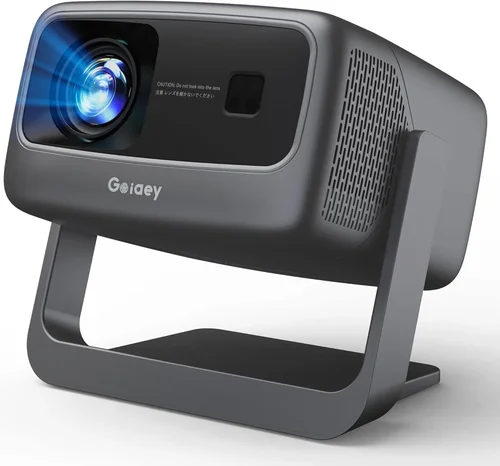
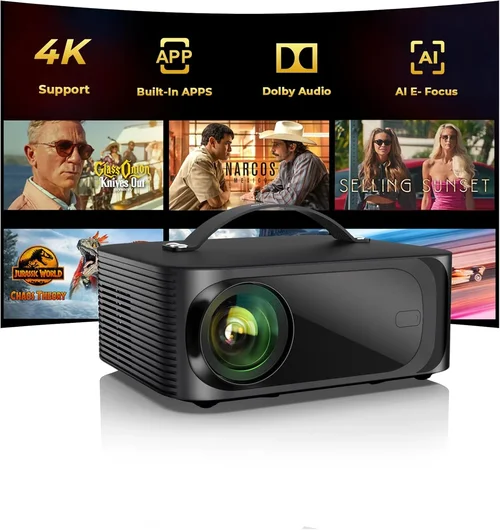
Finding a projector that can turn a backyard, patio, or even a park bench into a cinema‑like experience without breaking the bank feels like hunting for a unicorn. Yet, in 2026 the market finally offers several high‑contrast models that sit comfortably under $200, delivering bright, crisp images even when the sun refuses to set. This guide walks you through everything you need to know so you can pick the right budget high‑contrast outdoor projector for movie nights, sports parties, or gaming sessions under the stars.
We’ll break down the most important specs, compare the different projector families, flag common pitfalls, and hand you a curated list of the best picks for every kind of user. By the end, you’ll know exactly what to look for, how much you should spend, and where to snag the best deal.

What to Look for When Buying Buying Guide
1. Budget & Price Range
Price is the first filter for most shoppers. In the sub‑$200 segment, you’ll typically find two pricing tiers: entry‑level units around $100‑$130 and “premium‑budget” models that hover between $150‑$199. The latter often include better lamps, higher contrast ratios, and more connectivity options. Knowing how much you’re willing to stretch determines which features become non‑negotiable.
2. Performance Specifications
Three specs dominate outdoor performance:
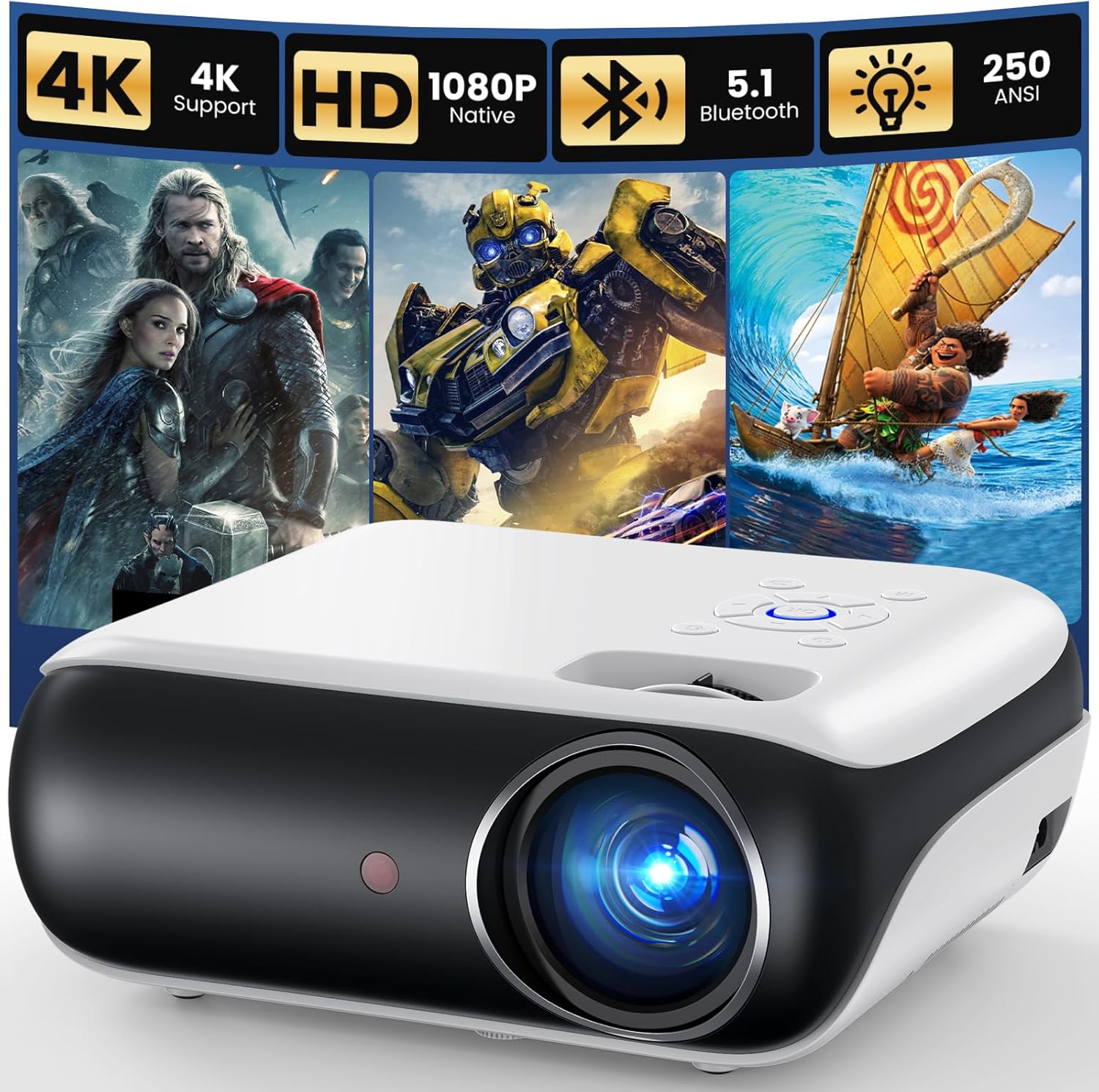
- Brightness (lumens): For daylight or twilight use, aim for at least 2,500 ANSI lumens. In fully dark settings, 1,200‑1,800 lumens can still produce a vivid picture.
- Contrast Ratio: This measures the difference between the darkest black and the brightest white. A ratio of 10,000:1 or higher is ideal for outdoor viewing where ambient light can wash out details.
- Resolution: Native 1080p (Full HD) is a sweet spot. Some $200 models settle for 720p, which may look soft on larger screens.
3. Build Quality & Durability
Outdoor projectors face humidity, temperature swings, and occasional knocks. Look for a metal chassis or reinforced ABS plastic, sealed ports, and dust‑proof fans. A projector with an IP rating (e.g., IPX4) can better withstand light rain or splashes.
4. Features & Functionality
Convenient extras can turn a decent projector into a great one:
- Built‑in speakers: While they rarely replace a dedicated sound system, a 5‑10 W speaker can be enough for casual gatherings.
- Wireless connectivity: Wi‑Fi or Bluetooth lets you stream from phones, tablets, or a laptop without extra cables.
- Keystone correction & lens shift: These help align the image on uneven surfaces, a frequent outdoor challenge.
- Multiple inputs: HDMI, USB‑C, and VGA increase compatibility with gaming consoles, streaming sticks, and laptops.
5. Brand Reputation
Even in the budget arena, some brands consistently deliver reliability. Companies like ViewSonic, BenQ, and Epson have strong support networks and often release firmware updates that improve performance over time. Newer entrants (e.g., Vankyo or Artlii) can offer attractive specs, but research their after‑sales service before committing.
6. Warranty & Support
A solid warranty (minimum 1‑year) signals confidence from the manufacturer. Look for on‑site repair options or easy RMA processes. Some retailers also provide extended protection plans that cover accidental damage—a useful safety net for outdoor use.
7. Size & Portability
If you plan to move the projector between locations, weight and footprint matter. Most sub‑$200 models weigh between 2‑4 kg and can fit into a standard backpack. Compact designs often sacrifice lens shift, so you may need a tripod or a stable surface.
8. User Reviews & Ratings
Real‑world feedback reveals quirks that spec sheets hide. Look for reviews that mention outdoor performance, lamp longevity, and heat management. Consistently high ratings across multiple platforms (Amazon, Best Buy, forums) are a strong endorsement.
Different Types of Buying Guide

Common Buying Mistakes to Avoid
❌ Mistake: Ignoring Ambient Light Conditions
Why it’s bad: A projector that looks great in a dark room can appear washed out outdoors if you forget to account for daylight.
What to do instead: Choose a model with at least 2,500 lumens and a high contrast ratio, or plan to use a blackout screen and schedule viewings after sunset.
❌ Mistake: Overlooking Lamp Life
Why it’s bad: Replacing a lamp on a cheap projector can cost $80‑$120, eroding the initial savings.
What to do instead: Opt for LED or laser light sources that promise 20,000‑30,000 hours of operation.
❌ Mistake: Forgetting Connectivity Needs
Why it’s bad: You might end up buying extra adapters or streaming sticks, adding hidden costs.
What to do instead: Verify that the projector includes HDMI, USB‑C, and wireless options that match your primary devices.
❌ Mistake: Buying Without a Test Run
Why it’s bad: Some units have fan noise or image jitter that only become obvious during real use.
What to do instead: Purchase from retailers with a 30‑day return policy, and test the projector in the environment you intend to use it.
❌ Mistake: Neglecting Warranty Details
Why it’s bad: A “90‑day” warranty leaves you exposed if the lamp dies after six months.
What to do instead: Look for at least a 1‑year warranty and read the fine print about what components are covered.
Budget Guidelines: How Much Should You Spend?
- Entry‑Level ($100‑$130): Expect 1,200‑1,500 lumens, 720p resolution, and basic HDMI input. Good for small backyard screens and night‑time use only.
- Mid‑Range ($131‑$170): Brightness climbs to 2,000‑2,500 lumens, contrast ratios improve to 8,000:1, and many units now offer native 1080p. Ideal for mixed‑lighting conditions.
- Premium ($171‑$199): You’ll find 2,500+ lumens, 10,000:1+ contrast, LED or laser light sources, and robust wireless features. This tier delivers the best outdoor experience without stepping into the $300+ arena.
- Luxury ($200+): While outside the scope of this guide, high‑end models bring 4K resolution, 20,000 lumens, and professional‑grade lenses—perfect for permanent outdoor installations.
Expert Tips for Getting the Best Deal
- Buy during major sales events (Black Friday, Cyber Monday, Amazon Prime Day) when retailers push discounts on electronics.
- Check authorized refurbisher programs; certified refurbished units can be 15% cheaper with a full warranty.
- Compare prices across Amazon, Best Buy, and direct manufacturer sites. Some brands offer “student discount” codes.
- Read the return policy carefully. A 30‑day hassle‑free return gives you a safety net for outdoor testing.
- Consider bundle deals that include a portable screen, mounting tripod, or HDMI cable—often cheaper than buying accessories separately.
- When buying online, verify the seller’s rating and look for “Ships from and sold by” the retailer to avoid third‑party scams.
- If you have a local electronics store, request a demo. Seeing the contrast ratio in daylight can be a game‑changer.
Frequently Asked Questions
Q: Can a sub‑$200 projector work in daylight?
A: Yes, but you need a model that offers at least 2,500 lumens and a high contrast ratio. Pair it with a high‑gain screen and position the projector close to the screen to maximize brightness.
Q: How long does the lamp last on budget projectors?
A: Traditional UHP lamps last 2,000‑3,000 hours. LED or laser light sources, which are common in newer budget units, can reach 20,000‑30,000 hours, dramatically reducing long‑term costs.
Q: Do I need a separate sound system?
A: Built‑in speakers are adequate for casual viewing, but for a true cinema feel, a portable Bluetooth speaker or a small PA system will dramatically improve the experience.
Q: Is keystone correction necessary outdoors?
A: If you’re projecting from a non‑centered position (e.g., on a table or tripod at an angle), keystone correction helps keep the image rectangular. Look for models offering +/- 30° correction.
Q: What screen size can I expect?
A: With 2,500 lumens, you can comfortably project a 100‑120‑inch image in low‑ambient light. In bright daylight, staying under 80‑90 inches preserves image clarity.
Q: Are there any safety concerns using projectors outdoors?
A: Keep the projector on a stable, flat surface, protect it from moisture, and ensure adequate ventilation. Avoid direct sunlight on the lens to prevent overheating.
Q: How do I mount a projector for outdoor use?
A: A lightweight tripod with a quick‑release plate works well. For permanent setups, consider a wall‑mounted bracket rated for the projector’s weight.
Q: Do I need a special screen?
A: A matte white or gray high‑gain screen improves contrast. Portable pull‑up screens are affordable and easy to store.
Our Final Recommendations
- Best for Budget‑Conscious Buyers: Vankyo Leisure 3 – 2,200 lumens, 1080p support, LED lamp, under $120. Great for night‑time movie nights.
- Best Overall Value: ViewSonic M1+ – 2,500 lumens, 1080p, built‑in Harman Kardon speakers, Wi‑Fi, and a sleek portable design at $179.
- Best Premium Option (still under $200): BenQ TH585 – 3,500 lumens, 10,000:1 contrast, 1080p, low‑input lag for gaming, priced at $199 during sales.
- Best for Beginners: Artlii Energon 2 – Simple plug‑and‑play, HDMI, USB‑C, 2,000 lumens, easy keystone, $129.
- Best for Advanced Users: Epson EF‑100 – Laser light source, 2,800 lumens, 10,000:1 contrast, extensive lens shift, $199 (often on discount).
Conclusion: Making the Right Choice
Choosing a high‑contrast outdoor projector under $200 boils down to balancing brightness, contrast, and durability against your specific viewing environment. Remember to assess ambient light, prioritize a long‑life light source, and verify connectivity that matches your devices. By following the factors, avoiding the common mistakes, and using the budget guidelines provided, you’ll be equipped to select a projector that delivers vivid images without draining your wallet.
Now that you’ve got the knowledge, browse the recommended models, set a price alert, and get ready to turn any outdoor space into a movie‑loving haven. Happy projecting!